Diabetes, arthritis, skin disorders & more! Get a free consultation with Top Ayurveda doctors - +91 9266714040 | No travel, No waiting – Consult Jiva’s doctors from home via video call! | Get up to 10% OFF! On Authentic Ayurveda Products! Best Prices only on the brand store. Visit : www.store.jiva.com
Living with chronic migraine can make even simple daily tasks difficult. Frequent headaches may affect sleep, work, concentration, and personal life; since the pain keeps returning, finding the right treatment becomes important. Understanding how chronic migraine is diagnosed and what can help manage it can make it easier to handle the condition and go about daily life.
What Chronic Migraine Means
Chronic migraine is a condition in which a person experiences headaches on 15 or more days each month. On 8 days of those days, the headache has migraine features, such as throbbing pain, nausea, or sensitivity to light and sound. The pain may not be the same every day; some days may feel worse than others. Over time, frequent headaches can affect a person's work, sleep, and daily routine.
Counting Headache And Migraine Days
Keeping track of headache days can help you and your doctor understand whether your migraine is becoming more frequent. A headache day means any day when you experience a headache, even if the pain is mild or lasts only a few hours.
Record every day you have a headache, including mild pain and headaches that feel different from your usual migraine.
Mark the days when the headache has migraine features, such as throbbing pain, sensitivity to noise, or sensitivity to light and sound. You can also count the day if you take your migraine medicine and the headache improves
Make a diary and note when the pain starts, how long it lasts, any possible triggers, and any medicines you take.
Count the total headache days and migraine days each month. Chronic migraine generally involves 15 or more headache days per month for over 3 months, with migraine features on at least 8 days per month.
You can not rely on your memory alone. Making a simple calendar or phone notes can help track your condition and help during treatment.
Why Migraine May Become Frequent
Migraine attacks can become more frequent over time. Sometimes developing into chronic migraine. This may happen due to a combination of lifestyle habits, changes in the body, and how the nervous system processes the pain. Common factors include:
Frequent use of migraine medicines may lead to medication overuse headache.
Irregular sleep timings or lack of sleep.
Increased stress levels can also contribute to frequent headaches.
Skipping meals and dehydration.
Consuming too much caffeine can also increase the risk of chronic migraine.
Other health factors such as weight changes, anxiety, depression, and certain medicines can contribute to migraine.
Medication-Overuse Screening
Medication overuse can be one reason why it has become more frequent. Taking painkillers or migraine medicines too often may lead to medication overuse headache, even if the medicine initially provides relief.
During screening, a doctor will ask how often it occurs, which medicines you take, and how many days you use them. Frequent use of triptans or a combination of painkillers for more than 10 days, or simple painkillers for more than 15 days or over 3 months, may indicate a high risk of chronic migraine. If your headaches are becoming more frequent or you need medicine more often, you should consult a doctor. Do not stop taking medicine or start any new medicine without medical advice.
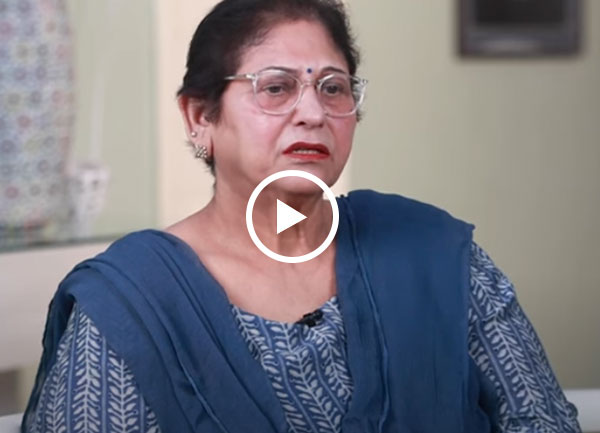
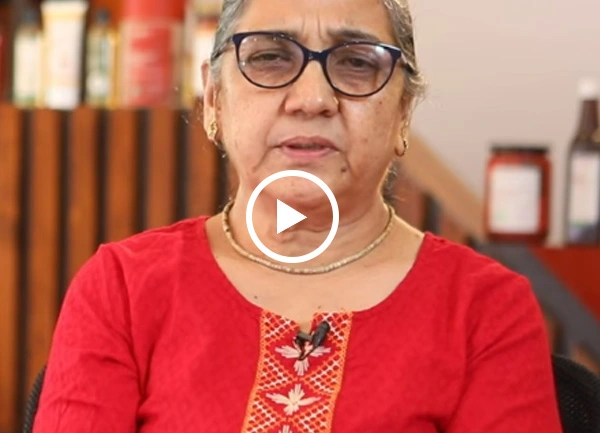
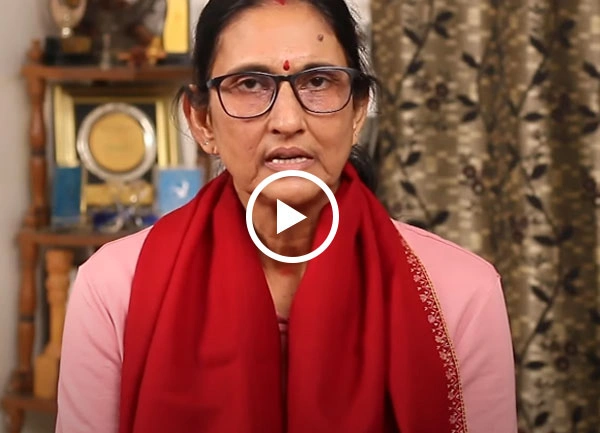
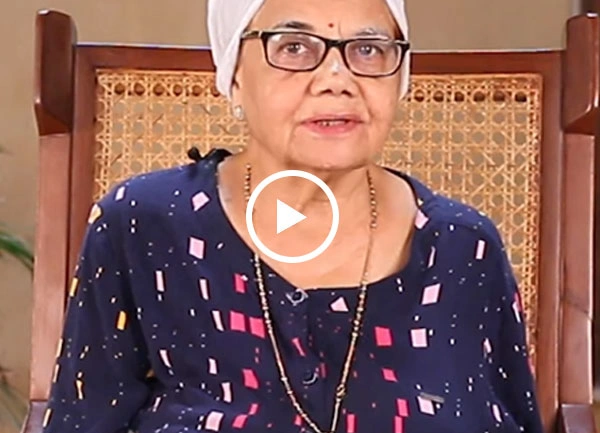
I was suffering from migraine for a long time. My headache wouldn't go away. I consulted many doctors and took a lot of allopathic medicine but got no benefit. Then one of my relatives was getting treatment at Jiva Lajpat Nagar and recommended I try Jiva once.
Then I went there and met Dr. Sarika Rawat. She listened to my problem very carefully and gave me medicine. After about 1 month I started feeling better.
I got a lot of relief. Now I am mostly fine. And I want to say thanks to Jiva Lajpat.
Again, thank you Jiva Lajpat Nagar
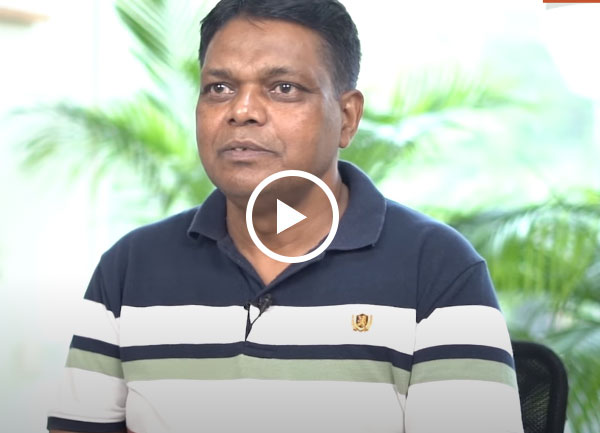
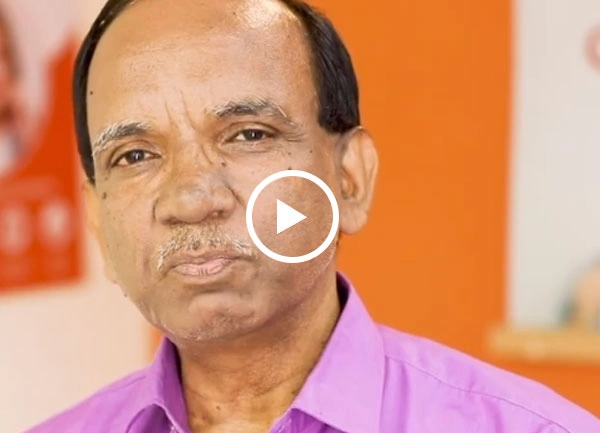
visited the clinic for my migraine treatment and had a very good experience with Dr. Sikandar. He listened to my problem carefully and explained the treatment very well.
Special thanks to Manoj at the reception for his excellent support. He was very polite, helpful, and managed everything smoothly. Because of his guidance, the whole process became very easy and comfortable.
Highly recommended!
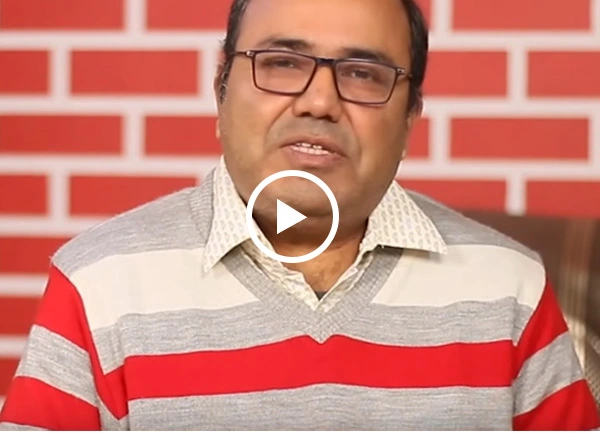
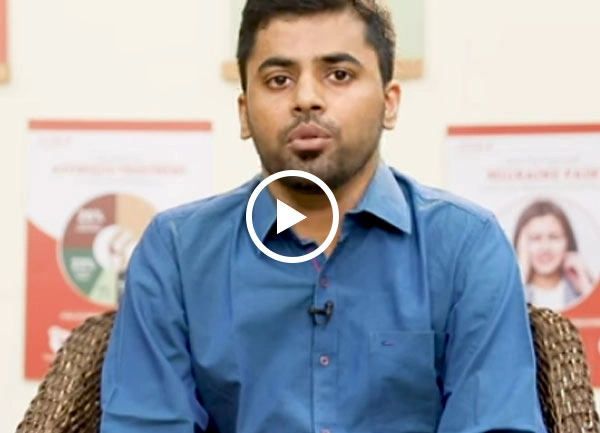
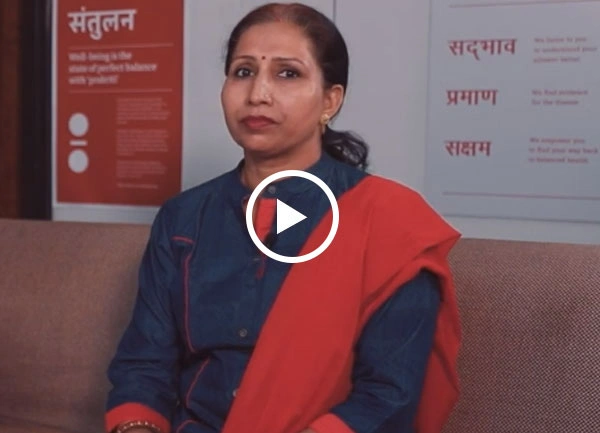
My experience with Jiva Ayurveda is very good.
I have sever headache all the time .
I take panchkarma treatment from there.
After taking this.I got a lot of relief.
Dr. Neetu Sharma is too good . She listen your problems very carefully and suggest you a good advice and medicines And the panchkarma treatment given by Therapist Rajji Mam is very satisfying and effective.She is well trained and humble.
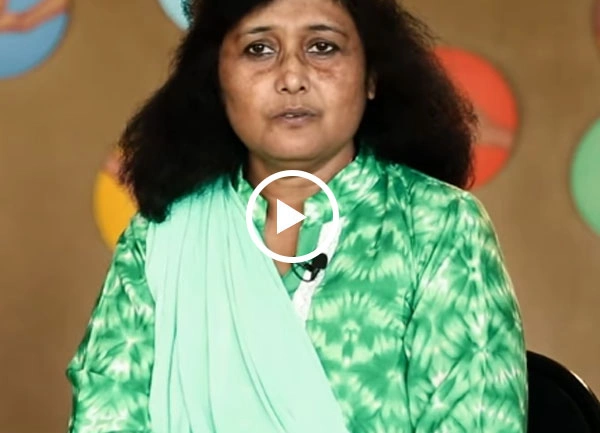
Patient Success Stories
Headache Diary
Keeping a headache diary can help you understand how your migraine affects you from day to day. Note when the headache starts, how long it lasts, how the pain is, and whether you have symptoms like sensitivity to light and sound. You can also record your sleep, meals, possible triggers, and any medicines you take. Over time, these notes can help you spot patterns and give your doctor helpful information when determining whether your treatment needs to change.
Preventive Treatment Overview
When headaches become frequent, a doctor may recommend medicines along with changes in daily habits. Ayurveda may offer supportive care through personalised lifestyle guidance and relaxation practices. The right approach depends on how often the attack occurs, your symptoms, and your medical history. Ayurveda can help you manage migraine as part of your daily routine.
A doctor may prescribe preventive medicines, including shots of botox injections, to reduce chronic migraine.
Yoga, Pranayama (breathing exercises), and relaxation practices may help manage stress.
Ayurvedic dietary guidance can also support a routine.
Ayurvedic therapies such as virechana, shirodhara, and shirotalam help manage chronic migraine.
Ayurvedic herbs such as Ashwagandha, brahmi, mandukaparni, and godanti bhasma can help reduce frequent headaches.
Ayurveda suggests that getting enough sleep, eating on time, staying hydrated, and recognising personal triggers may help reduce attacks.
Regular follow-ups help you and your doctor understand whether the treatment is working.
Discuss Ayurvedic treatment with a qualified Ayurvedic practitioner.
Consult a doctor before taking Ayurvedic medicine or other remedies, as some may cause side effects.
Lifestyle Foundations
Daily habits can influence how often migraines occur. Keeping a routine may help reduce some common triggers and make headaches easier to manage. Small, consistent changes are often more practical than trying to change everything at once.
Go to bed early and try to keep a similar bedtime every day.
Avoid skipping meals, as long gaps between eating can trigger headaches.
Drink enough water throughout the day, especially in hot weather or after physical activity.
Manage your stress with gentle yoga, meditation, and breathing exercises.
Choose regular, manageable exercises.
Notice common triggers that affect you, including caffeine, certain foods, bright lights, and changes in routine.
Follow your doctor's advice on how often to take medicines and what to change in your lifestyle.
These habits can support migraine management, but they cannot prevent every attack, so if you feel any changes, you must consult a doctor.
When Specialist Care Is Helpful
Consult a Neurologist or headache specialist if migraine attacks become more frequent, treatment stops helping, or headaches begin affecting your daily life
Specialist Care May Be Needed When:
Headache occurs for more than 15 days or a month.
Medicine provides little relief or causes side effects.
You often require migraine medicines.
Your headache pattern changes or new symptoms appear.
Seek emergency care for a sudden severe headache or symptoms such as new weakness, difficulty speaking, or sudden vision loss.
Disability And Mental Health
Chronic migraine can affect work, studies, relationships, and everyday activities. Frequent attacks may also lead to stress, anxiety, low mood, or social isolation. If migraine is affecting your quality of life, talk to your doctor about treatment options and emotional support. Getting the right gear can help you manage symptoms and cope with daily challenges.
Yes, preventive medicines, appropriate treatment for attacks, and regular lifestyle habits can help reduce headaches frequently and improve daily functioning.
Yes, frequent use of painkillers or migraine medicines can lead to medication overuse headaches. A doctor can help you manage this safely.
Yoga breathing exercises and relaxation practices may support overall migraine care. However, Ayurvedic medicine specifically for chronic migraines is limited, and it should be used with caution and proper guidance.
Yes, with suitable treatment and consistent care, some people experience fewer headaches and less severe attacks.
Find Jiva Ayurveda Clinics for Migraine Treatment Near You

 Published on 26 Oct, 2026
 Updated on 26 Oct, 2026