
 Published on
20 Mar, 2026
Published on
20 Mar, 2026 Updated on 25 May, 2026
 5187
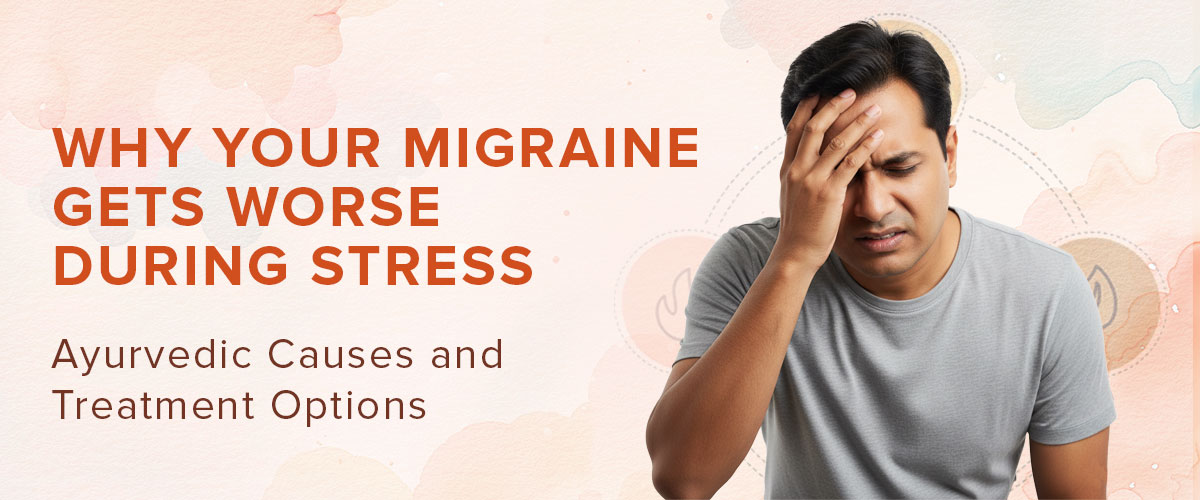
5187Stress often accumulates silently in the body until it manifests as physical pain, with migraines being one of its most debilitating forms. For some people, emotional pressure does not just act as a catalyst for migraines; instead, it increases the migraines themselves. The first step to managing migraines successfully is to understand the role of stress in perpetuating them.
What is a Migraine?
Migraine is a neurological disorder that is much more complex than an ordinary headache, with the pain being severe, throbbing, or pulsating, and almost always on one side of the head, accompanied by nausea and sensitivity to sound or light. As the migraines manifest in the body, the systemic nature of the migraines makes it necessary that they be addressed in a much more focused way than tension-type headaches.
Understanding Stress: More Than Just Mental Pressure
It is necessary to understand the concept of stress as more than just mental or physical pressure, not just an emotional or psychological response, but also a physiological response that involves the complex interplay of hormones in the body.
Hormonal Cascades: When the body perceives threats, whether real or imagined, the adrenal glands are stimulated to produce hormones that induce the body's natural response to stress, including the release of the hormones cortisol and adrenaline, to prepare the body for the “fight or flight” response, thereby affecting the heart rate and the blood pressure.
Nervous System Activation: As the body responds to the build-up of migraines, the sympathetic nervous system is also activated, causing the body to shift from the rest and digest mode, heightening the vigilance of the body, keeping the pain centers in the brain in an active state, and lowering the threshold for migraines to be experienced.
How Stress Triggers Migraine Attacks
Stress triggers a migraine by acting as a chemical stimulus in the brain, which shifts the balance of chemicals controlling pain and mood.
Neurotransmitter Fluctuations: When stress strikes, the major chemical controlling pain in the brain, serotonin, is disrupted in its rhythmic pattern. This sudden change in chemicals can cause the blood vessels in the brain either to constrict or dilate, which is the key migraine trigger.
The "Let-Down" Effect: Migraines often occur when stress is lifting, such as on a Saturday morning or when on vacation. This type of migraine is called a “let-down headache.” This type of migraine is thought to occur because the sudden drop in stress hormones, such as cortisol, triggers a migraine.
Common Causes of Stress-Triggered Migraines
Stress does not occur in isolation. It is usually accompanied by other factors, which put you in a vulnerable state, triggering a migraine when all these factors are combined.
- Emotional tension: When you are under stress, you are constantly anxious and worried, which puts your nervous system in a state of hyperarousal, triggering cranial vessels to constrict.
- Sleep disturbances: Stress-induced insomnia puts the brain in a state of hyperarousal, which can cause pain centers in the brain to misfire.
- Skipping meals: The irregular eating habits during these periods of busyness cause fluctuations in the level of glucose, leading to migraines.
- Excessive exposure to screen time: The excessive computer work during these stressful periods puts pressure on the eyes, leading to migraines.
- Hormonal fluctuations: The endocrine system is affected by stressful periods, leading to hormonal changes that act as a migraine trigger.
Signs and Symptoms of Stress-Induced Migraines
Stress migraines tend to display a series of physical and sensory signs that are easily recognizable. Identifying them can go a long way in controlling the migraine before it peaks.
- Pulsating Pain on One Side of the Head: The most common symptom is described as throbbing pain that tends to be localized on one side of the head.
- Sensitivity to Light and Sound: During a migraine, even the simplest sounds and lighting tend to be physically overwhelming.
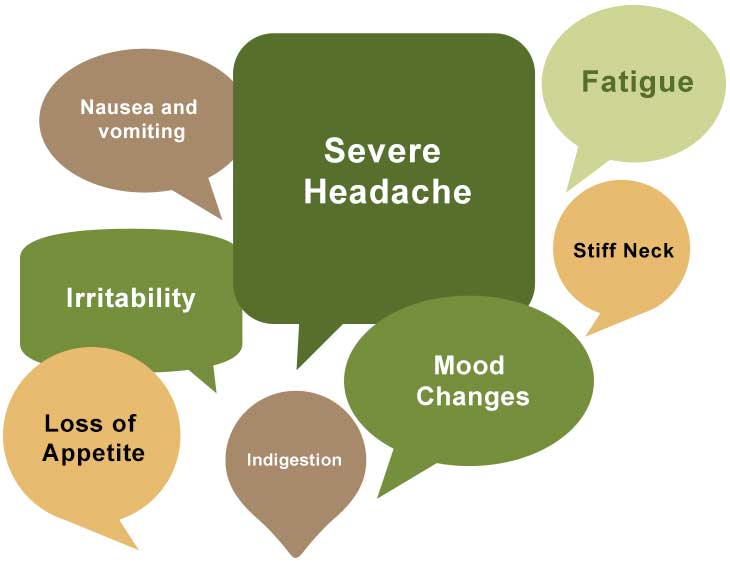
- Nausea or Vomiting: The nervous system’s reaction to stress tends to cause significant problems with digestion, leading to a complete lack of appetite.
- Neck Stiffness: The tension that tends to accompany migraines tends to start in the shoulders, leading to the overall feeling of pressure.
- Difficulty Concentrating: Often referred to as brain fog, this symptom makes it difficult to focus on anything until the migraine is over.
Risk Factors Associated with Stress-Induced Migraines
Some biological and environmental factors can make one more susceptible to migraines triggered by stress. These include:
- Women (Hormonal Factors): Hormonal changes that occur during the menstrual cycle and menopause result in decreased pain tolerance.
- High-Pressure Jobs: The constant pressure to meet deadlines and make critical decisions creates a state of sustained high alert in the nervous system.
- Family History: Genetic factors increase the likelihood of developing stress-induced migraines.
- Anxiety or Depression: Both anxiety and depression share a common reason, brain chemical imbalances that lead to migraine development.
Complications of Ignoring Chronic Stress Migraines
The physical and mental health of a person will suffer if they do not treat the root cause of their stress-induced migraines. These include:
- Chronic Daily Headaches: The continuous experience of migraines leads to brain hypersensitivity, which results in the emergence of daily headaches.
- Medication Overuse Headaches: The body will produce headaches as a response to the excessive use of painkillers, which causes the body to react to the overconsumption of medications.
- Diminished Quality of Life: The person experiences pain, which leads them to miss work and social gatherings while also reducing their ability to enjoy different activities.
- Emotional Burnout: The body experiences total exhaustion due to the persistent combination of pain and pressure.
Diagnosis: Modern Vs Ayurvedic Approaches
Even though the end result of the diagnosis is pain relief, the way each system goes about diagnosing the cause of the pain is very different.
Modern Diagnosis: The system uses pain patterns along with neurological tests to accomplish its goals. The system uses MRIs and CT scans as diagnostic tools to identify other potential medical conditions.
Ayurvedic Diagnosis: The ancient system of medicine adopts a root-cause approach for treatment by trying to discover the main reason for patients' pain. The system uses the Pulse (Nadi) test to evaluate body energy levels, the Digestion (Agni) test to assess toxic substance buildup in the body, and the Dosha test to determine the origin of the pain.
Ayurvedic Understanding of Stress and Migraines
In Ayurveda, stress-induced migraines are classified as more than just common headaches. The internal energies and mental state of the individual have reached a state of imbalance, which results in this condition.
The Mind-Body Connection (Manas): Ayurveda teaches that the mind and body share a deep connection. The body experiences a nervous system disturbance when mental stress occurs. A weak mind instantly affects the physical body by producing intense migraines.
Aggravation of Vata and Pitta Doshas: Stress primarily affects two of the three doshas or internal energies in the body. Vata is the dosha which is responsible for governing the nervous system. Vata becomes unpredictable when it suffers disturbances, which result in intense and sudden pain experiences. Pitta functions as the dosha that regulates body temperature and blood flow. It behaves as a heating element, which causes migraine sufferers to experience throbbing and burning sensations along with heightened sensitivity to light.
Accumulation of Mental Toxins (Manasika Ama): Stress and negative emotions lead to brain Manasika Ama (mental toxins), which makes the brain hypersensitive to minor pressure and stimuli, similar to how indigestion causes physical toxins to accumulate.
Jiva Ayurveda's Approach to Stress-Induced Migraines
Jiva Ayurveda uses a unique technique to establish a healing path for each patient. The treatment works according to their body type because we treat patients with stress resistance instead of pain relief.
- Dosha Balancing: We use special herbs to balance doshas because they help us control Vata (the nervous system) and Pitta (heat/inflammation), which stress affects.
- Improving Digestion (Agni): The treatment for improving the digestive system is to stop Ama (toxins) from developing and prevent gases from rising to the head, which leads to severe pulsating headaches.
- Personalized Treatment: Jiva doctors design custom herbal mixtures that include Brahmi and Ashwagandha based on patients' current age and physical strength, and their body's reaction to stress.
- Dietary Guidance: We provide a Sattvic diet plan that includes food items that calm the nervous system while limiting caffeinated drinks and spicy food.
- Mental Wellbeing: We offer tools such as breathing techniques and sleep habits through Sattvavajaya Chikitsa (Ayurvedic Psychology), helping the individual to stay calm under pressure.
Ayurvedic Therapies for Stress-Induced Migraines
The Jiva Ayurveda center provides specific external treatments that establish direct pathways to calm the nervous system while simultaneously decreasing mental heat and creating a complete disconnection from all stress. The treatments used for migraines include:
- Shirodhara: A continuous flow of oil is poured over the forehead. This therapy provides the most effective solution to handle stress. The oil used in this treatment creates a strong impact on the nervous system, which produces calming effects and stabilizes the system.
- Nasya: The treatment delivers medicated oil through the nostrils. The nose serves as the entry point that leads to the entire head region. The treatment removes all hidden mental pathways from the brain while making the nervous system less sensitive to its various triggers.
- Abhyanga (Full Body Massage): A massage with warm oil and herbs. The treatment achieves Vata balance between air and nervous energy while it increases blood flow to prevent headaches from occurring.
- Thalam: A paste of herbs is applied to the crown of the head. The treatment provides instant relief from migraine symptoms. The paste produces a cooling effect that calms the nerves while it reduces the Pitta-related migraine symptoms, which produce intense heat.
Ayurvedic Medicines for Stress-Induced Migraines
In Ayurveda, medicines act as Medhya Rasayanas, which are nervine tonics that not only mask the pain but also enhance the nervous system's functioning by eliminating "mental toxins" that cause the pain.
- Brahmi: This herb functions as a cooling nervine tonic that brings down mental activity to relieve throbbing migraines through its capacity to reduce mental heat.
- Ashwagandha: The adaptogenic herb functions as a cortisol blocker, which prevents physical fatigue from leading to migraine headaches.
- Jatamansi: The herb acts as a natural sedative on the nervous system to treat migraines, which occur due to emotional stress or insomnia.
- Shankhpushpi: The herb produces mind relaxation effects, which lead to reduced brain blood vessel excitement.
Diet Recommendations According to Ayurveda
| Foods to Include | Foods to Avoid |
| Warm, freshly cooked meals (khichdi, stews) | Spicy foods (chili, hot sauces) |
| Steamed vegetables | Vinegar and highly acidic foods |
| Sattvic foods (light, simple, fresh meals) | Fermented foods (pickles, excess curd) |
| A2 cow ghee | Ice-cold drinks |
| Herbal teas (fennel, coriander, cumin) | Refrigerated and leftover food |
| Warm water | Raw, hard-to-digest foods |
How We Assess Patients with Stress-Induced Migraines at Jiva Ayurveda
At Jiva Ayurveda, we take a calm, personalised approach to understand how stress is impacting your headaches:
- We start by exploring your headache pattern-when it shows up, how intense it gets, and whether it follows stressful situations
- We take time to understand your stress levels, emotional triggers, and how you usually respond to pressure
- We review your sleep quality and daily routine, as poor rest often makes stress headaches worse
- We assess your digestion (Agni) and eating habits, since stress can quietly disrupt gut balance
- We also consider your medical history and any ongoing conditions or medications
Based on this, a customised Ayurvedic plan is designed to reduce stress, restore balance, and provide long-term relief.
Our Step-by-Step Care Process
At Jiva Ayurveda, every process of the treatment is carried out in an organised and structured manner to give you the best personalised experience of Ayurvedic treatment for thyroid and digestive issues.
1. Share Contact Details: After submitting your details, you can also reach out to us directly at 0129 4264323 to start the consultation process and get your metabolic issues treated.
2. Appointment Confirmation: An appointment with our experienced and well-trained Ayurvedic doctors specialising in thyroid and digestive issues is arranged for you. You can choose to consult with our doctors in the mode that best suits you:
- Clinic: We have over 80 Jiva clinics in different cities, and you can come to the nearest clinic to consult with our doctor face-to-face.
- Video Consultation (Rs. 49): In case you are not able to locate our clinics in your city, you can also consult with our doctor online, which will be available to you at a discounted price of Rs. 49 (regular price: Rs. 299). Simply give us a call at 0129 4264323 to connect with our experts from home itself.
3. Detailed Diagnosis: Our experienced doctor will consult with you to understand your thyroid issues, digestive problems, and “Agni” (metabolic fire) to diagnose the root cause of the problem in your body.
4. Root Cause-Based Treatment Plan: A personalised plan of treatment is prepared using Ayurvedic herbal medicines that help calm the nervous system, reduce stress, and restore overall balance for long-term relief.
Healing Timeline for Stress-Induced Headaches
First Few Weeks: In the early phase, you may begin to notice a subtle reduction in headache intensity. There’s often a slight sense of mental calmness, with stress feeling a bit more manageable than before.
1–3 Months: With continued care, headaches usually become less frequent and less intense. Your ability to handle stress improves, your sleep quality gets better, and you may feel more emotionally balanced and mentally clear.
3–6 Months: At this stage, significant relief is commonly experienced. Stress triggers have a much lower impact, headaches reduce drastically, and overall energy, focus, and resilience improve as the body regains balance.
What Results Can You Expect?
Ayurvedic treatment focuses on addressing the root cause—stress imbalance—and restoring harmony within the body and mind. With consistent care and personalised guidance, you may experience:
- Reduced frequency and intensity of headaches
- Better stress management and emotional stability
- Improved sleep quality and mental clarity
- Enhanced digestion and overall well-being
Patient Experience: Jyoti, 8th Class
I used to get bad headaches since the 8th grade. My eyes would hurt and feel sore, and the pain was so strong I couldn’t study. I went to a doctor, and they said it was migraine. Medicines helped, but only for a short time. The pain kept coming back. A friend told me about Jiva Ayurveda. Here, they didn’t just stop the pain-they treated the root cause. I got a custom plan with medicines and tips for daily life. Now, I feel much better. I can study and enjoy my day without worrying about headaches.
Estimated Cost of Treatment at Jiva Ayurveda – Stress-Induced Headaches
Understanding the financial investment required for your health is important. At Jiva Ayurveda, transparency in pricing helps you choose the most suitable treatment plan for your needs.
Treatment Cost
For patients seeking standard, ongoing care for stress-induced headaches, the monthly cost of medicine and consultation typically ranges from Rs. 3,000 to Rs. 3,500. This is an estimated baseline, and the final cost may vary depending on the severity and individual condition.
Protocol
For a more structured and holistic approach, specialised package protocols are available. These plans focus on both symptom relief and overall lifestyle correction. The package includes:
- Medicine
- Consultation
- Mental well-being sessions
- Yoga and meditation
- Diet guidance
- Therapies
The cost for this protocol involves a one-time payment ranging from Rs. 15,000 to Rs. 40,000, covering a 3 to 4-month treatment duration.
Jivagram
For those who require intensive care, Jivagram centres offer an immersive healing experience in a calm, eco-friendly environment. It includes:
- Authentic Panchakarma therapies
- Sattvic meals
- Modern healing services
- Comfortable accommodation
- Additional wellness facilities
An immersive stay at Jivagram costs approximately Rs. 1 lakh for 7 days, offering continuous personalised care.
Why Patients Trust Jiva Ayurveda
Our method is centred around personalised, root cause-based treatment that works to heal the body from the inside out.
- Root Cause-Based Treatment: Our treatment strategy is to treat the root cause of the imbalance, not just the symptoms.
- Customised Care Plans: Our patients receive personalised care plans that are tailored to their individual Prakriti (constitution), diet, and lifestyle.
- Protocol-Based Analysis and Treatment: Our treatment protocols are evidence-based, Ayurvedic approaches to treating hormonal and digestive imbalances.
- Authentic Medicines: Our Ayurvedic medicines are genuine and made in licensed facilities to ensure safety and efficacy.
- Proven Scale & Expertise: Our physicians have seen over 8,000 patients daily and have extensive experience in treating complex chronic diseases.
- High Success Rate: Our patients have seen significant improvements in their health, with over 90% reporting positive changes in their health.
- Reduced Dependency: 88% of our patients can stop or greatly reduce their dependency on conventional medications.
Modern vs Ayurvedic Approach for Stress-Induced Headaches
| Aspect | Modern Medicine Approach | Ayurvedic Approach |
| Focus | Symptom management | Root cause correction and overall balance |
| Understanding of Cause | Neurological and chemical imbalances | Dosha imbalance (mainly Vata and Pitta) due to stress |
| Diagnosis | Clinical evaluation, imaging (if needed) | Holistic assessment (Prakriti, Agni, lifestyle, stress levels) |
| Treatment Method | Painkillers, anti-migraine medications | Herbal medicines, detoxification, lifestyle, and dietary changes |
| Approach to Stress | May include anti-anxiety or antidepressant medications | Focus on calming the mind through meditation, yoga, and a daily routine |
| Relief Timeline | Quick, temporary relief | Gradual but long-lasting relief |
| Side Effects | Possible with long-term medication use | Minimal when followed correctly under guidance |
| Lifestyle Role | Limited emphasis | Central role (diet, sleep, routine correction) |
| Long-Term Outcome | Risk of recurrence | Aims for sustained balance and prevention |
When to Consult a Doctor
Even though stress-induced headaches are often manageable, some signs shouldn’t be ignored:
- Sudden or very severe headaches
- Headaches increasing in frequency or intensity
- Dizziness, vision issues, or numbness
- Ongoing stress and poor sleep
- Little or no relief from usual care
Conclusion
Stress headaches extend beyond temporary pain because they indicate underlying health issues that affect both physical and mental states. Persistent stress shows itself through physical symptoms, which cause headaches to become more frequent and severe with time.
If you are struggling with smell-induced migraines or headaches, you can consult certified doctors at Jiva Ayurveda for personalised care and guidance. Call today: 0129-4264323.