Diabetes, arthritis, skin disorders & more! Get a free consultation with Top Ayurveda doctors - +91 9266714040 | No travel, No waiting – Consult Jiva’s doctors from home via video call! | Get up to 10% OFF! On Authentic Ayurveda Products! Best Prices only on the brand store. Visit : www.store.jiva.com
Migraine is more than a headache. It is a neurological condition that can cause throbbing head pain, nausea, sensitivity to light or sound, and difficulties carrying out daily activities. The pain may last for several hours or even a few days, depending on the person and the severity of the attack.
Jiva Ayurveda focuses on diet, daily habits, relaxation, and selected traditional treatments to support overall well-being. However, migraine management should be individualised.
Who Can Benefit From Jiva’s Migraine Treatment?
Jiva Ayurveda personalised consultation may be suitable for people seeking guidance on managing their migraine alongside appropriate medical care, depending on their symptoms and health history. The following individuals may benefit from an assessment.
People Experiencing Recurrent Migraine
Those who frequently experience headaches, nausea, or sensitivity to light and sound. Review of their symptoms and daily routine.
People Whose Migraine Affects Daily Life
Those who struggle with work, studies, sleep, or everyday activity because of headaches may need a more structured management plan.
People Looking For Personalised Diet And Lifestyle Guidance.
Individuals who want help maintaining regular meals, improving sleep habits, and identifying possible triggers may benefit from tailored recommendations.
Those Who Experienced Stress- Related Triggers
Those who notice a connection between stress and their migraine attacks may benefit from supportive relaxation practices alongside appropriate treatment.
People Who Need A Review Of Their Existing Condition
Those who remain frequent or disabling despite treatment should consult a qualified medical professional to review their options.
Jiva’s Approach To Migraine Management
In Ayurveda, migraines like headaches may be addressed through traditional concepts such as Shirashoola, dosha balance, agni (digestive function), Prakriti, dietary habits, and daily routine.
Migraine is a recognised neurological condition, and treatment should be according to the person's symptom attack frequency, medical history, and response to previous care.
At Jiva Ayurveda, a consultation may consider your overall health, diet, sleep, stress, daily routine, and existing treatment to develop an individualised supportive care plan.
How We Assess Migraine At Jiva Ayurveda
At Jiva Ayurveda, our doctors start with a careful checkup to figure out what exactly is causing your migraine. This involves looking at.
Your current symptoms such as recurring headaches, sensitivity to light or sound, nausea, or visual disturbances
Your medical history and any past treatment that you have taken for migraine.
What you eat and how you live day to day, since these habits directly affect your headaches.
Your daily stress, sleep quality, and digestion, which Ayurveda sees as the root of your overall health.
Any other health problems you have or medicines you are currently taking.
Once they have all the information, the doctors create a personalised Ayurvedic treatment plan aimed at treating the migraine and improving daily comfort.
How Does Jiva Ayurveda Help In Migraine Management?
At Jiva Ayurveda, the approach starts with understanding the individual’s symptoms, health history, food habits, sleep patterns, and daily routine. Based on this, a Jiva doctor may suggest personalised Ayurvedic guidance, including suitable dietary changes, lifestyle modification, and treatment options where appropriate. The aim is to support better day-to-day management and help individuals recognise and manage their migraine triggers.
Prescribed Ayurvedic Medicines And Herbs
A Jiva Ayurvedic doctor may prescribe suitable herbal formulations to support migraine management. Some herbs and formulations studied in the Ayurvedic text include:
Brahmi: Traditionally used in Ayurveda to support mental well-being. It helps reduce anxiety, mental tension, and stress episodes. It reduces mental overactivity and calms the nervous system.
Ashwagandha: Traditionally used to support the body during stress. It helps reduce nervous system hyperactivity and chronic stress.
Jatamansi: Traditionally used in Ayurveda for its calming properties. It helps promote deeper sleep, which reduces migraine attacks.
Guduchi (Giloy): Traditionally used in Ayurveda for its health-supporting properties. It helps stabilize internal heat, supports detoxification, and reduces systemic inflammation.
Shankhapushpi: Traditionally used for mental well-being. It gently calms the mind and enhances cognitive stability, which reduces nervous irritability.
A Balanced Diet To Support Migraine Management
A balanced and regular eating routine may help reduce some migraine triggers and support overall well-being. A few dietary habits to follow include:
Avoid skipping breakfast or delaying meals. Long gaps without food may trigger migraine attacks.
Add fresh fruits, vegetables, whole grains, pulses, nuts, and seeds to your daily diet.
Drink water throughout the day, especially in hot weather or after physical activity.
Include spinach, pumpkin seeds, almonds, and lentils as part of a balanced diet.
Limit too much caffeine, or suddenly stopping regular caffeine intake may trigger it in some people.
Keep a food diary to notice whether particular foods are linked to your migraine attacks.
Try to reduce excessive intake and avoid packaged foods with high salt or added sugar.
Daily Habits For Better Migraine Management
Small changes in your everyday routine can help you cope better with migraine episodes and maintain overall well-being.
Keep your neck and back properly supported, especially while working at a desk or using a laptop.
Use soft lighting and reduce exposure to strong smells, loud noises, or other sensory triggers.
Balance your daily activities with enough time to relax and recover.
Try simple breathing exercises or mindfulness to help with physical and mental tension.
Avoid sudden changes in your daily schedule that affect your body's usual rhythm.
Regular Follow-ups
Regular follow-ups help you and your doctor understand how your migraine is progressing and whether the current treatment plan is working. During these visits, you can discuss changes and the frequency of symptoms and any side effects from prescribed medicine. Based on your progress, the doctor may suggest changes to your care plan or recommend re-evaluation as needed.
Looking For Personalised Ayurvedic Support For Fungal Infection
Book a consultation at +91 9266714040 to discuss your migraine symptoms, digestive habits, and treatment options. A personal life plan should consider your overall health and any medicines you already take.
Panchkarma Therapy For Migraine
In Ayurveda, migraine-like headaches are discussed under Aradhavabhedaka. Panchkarma includes a range of procedures that may be considered in some cases after assessment. Therapy choice depends on individual needs, and not every procedure is suitable for every person. Some Panchakarma procedures include:
Nasya: It involves administering prescribed oils or herbal preparations through the nostrils.
Virechana: It is a therapeutic purgation procedure that is used in selected areas.
Shirodhara: It is a gentle stream of suitable liquid poured over the forehead to promote relaxation.
Your Fungal Infection Care Journey At Jiva Ayurveda
Step 1: Speak to a Jiva Ayurveda Doctor
Book a clinic or video consultation by calling +91 9266714040, depending on availability and your medical needs. Tell the doctor about your itching and infection history, symptoms, and current treatment.
Step 2: Share Your Medical Reports
Share all the medical reports of your condition. Also share the names of the medicines you are taking.
Step 3: Get a Personalised Care Plan
Your doctor may suggest suitable Ayurvedic support, dietary changes, exercise, and lifestyle recommendations according to your health condition.
Step 4: Follow the Plan and Monitor Your Sugar
Follow the recommended routine and keep a simple record of your progress to discuss during the next consultation.
Step 5: Review Your Progress
During follow-ups, your doctor can review your reports, discuss any difficulties, and make suitable changes to your supportive care plan.
Fungal Infection management needs time, and regular monitoring remains important.
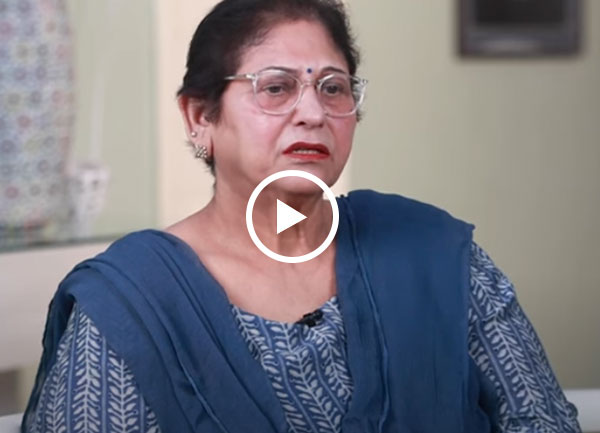
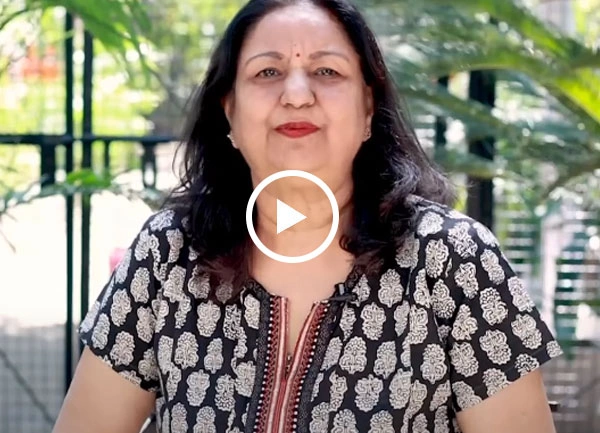
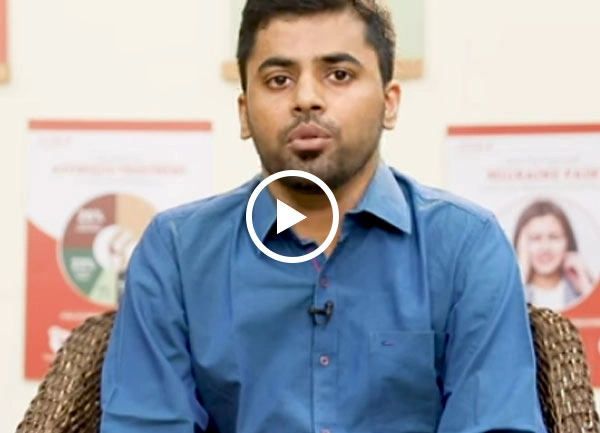
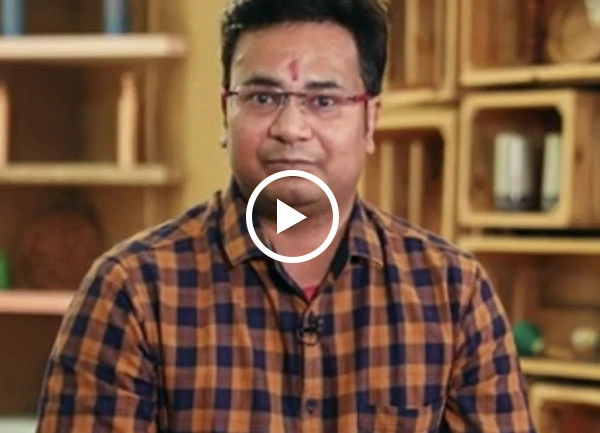
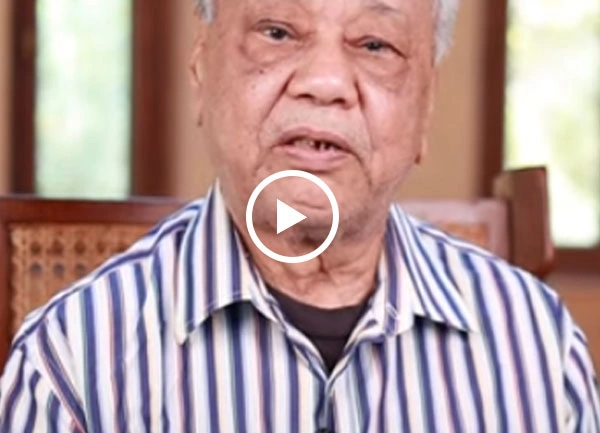
I was suffering from migraine for a long time. My headache wouldn't go away. I consulted many doctors and took a lot of allopathic medicine but got no benefit. Then one of my relatives was getting treatment at Jiva Lajpat Nagar and recommended I try Jiva once.
Then I went there and met Dr. Sarika Rawat. She listened to my problem very carefully and gave me medicine. After about 1 month I started feeling better.
I got a lot of relief. Now I am mostly fine. And I want to say thanks to Jiva Lajpat.
Again, thank you Jiva Lajpat Nagar
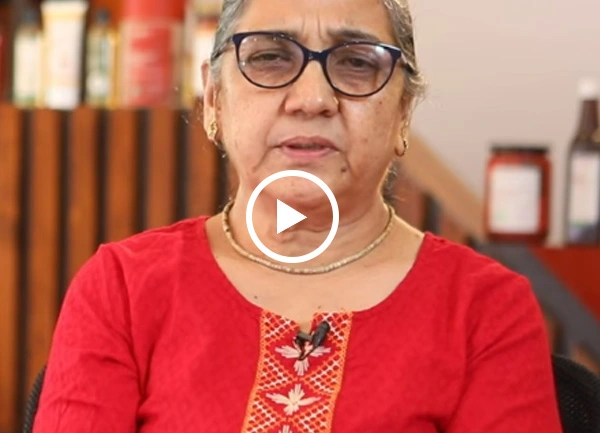
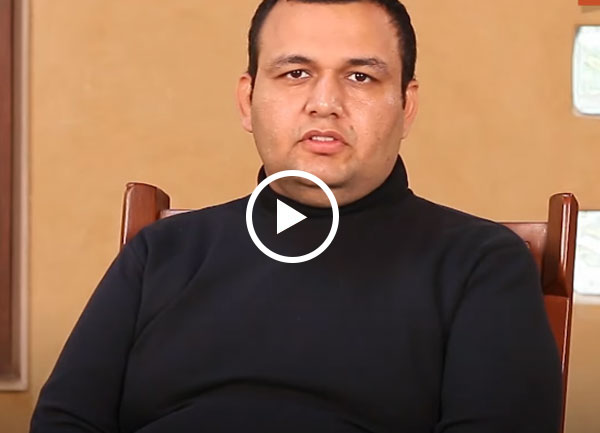
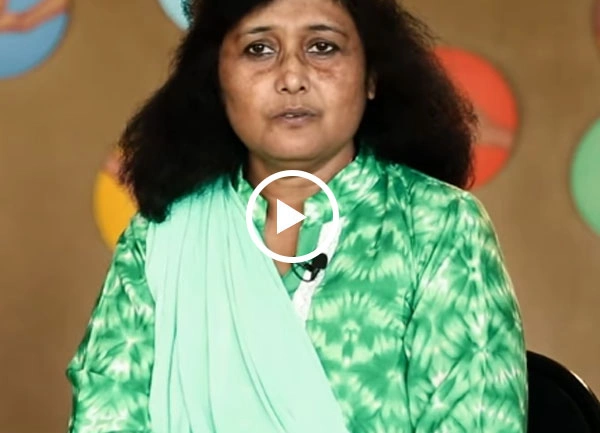
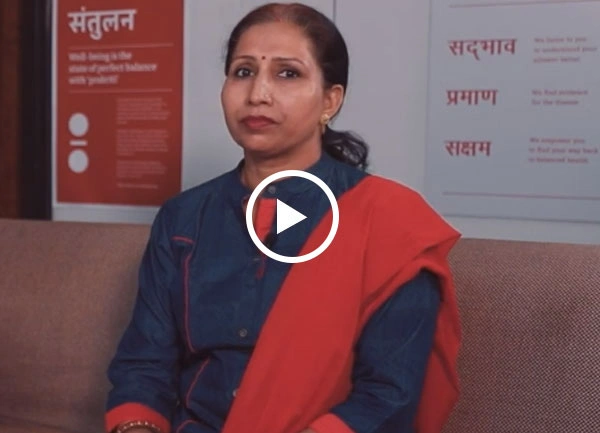
visited the clinic for my migraine treatment and had a very good experience with Dr. Sikandar. He listened to my problem carefully and explained the treatment very well.
Special thanks to Manoj at the reception for his excellent support. He was very polite, helpful, and managed everything smoothly. Because of his guidance, the whole process became very easy and comfortable.
Highly recommended!
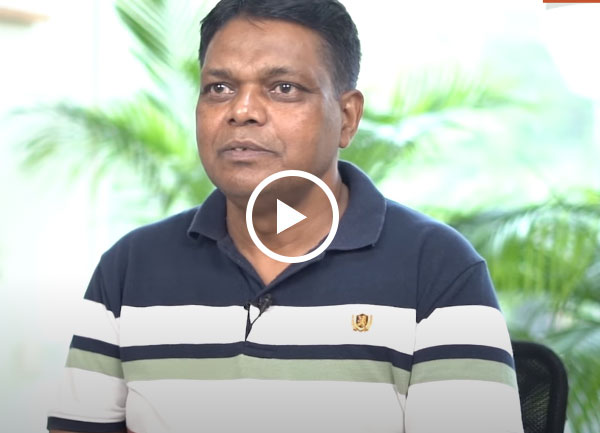
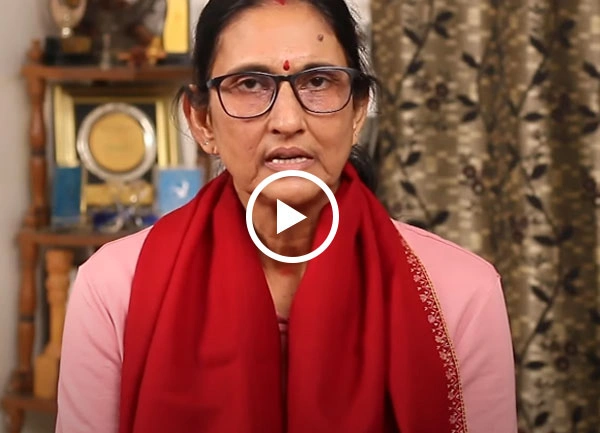
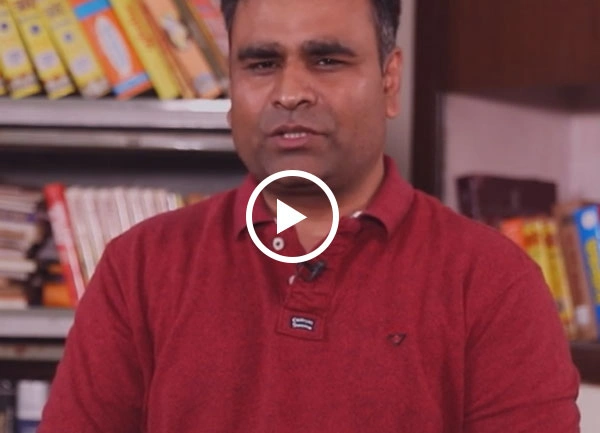
My experience with Jiva Ayurveda is very good.
I have sever headache all the time .
I take panchkarma treatment from there.
After taking this.I got a lot of relief.
Dr. Neetu Sharma is too good . She listen your problems very carefully and suggest you a good advice and medicines And the panchkarma treatment given by Therapist Rajji Mam is very satisfying and effective.She is well trained and humble.
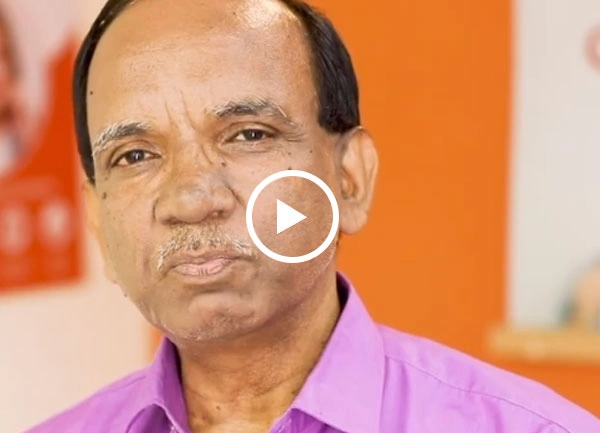
Patient Success Stories
Migraine Symptoms
Blurred vision
Throbbing or Pulsing Pain
Sensitivity to Light and Sound
Nausea & Vomiting
Extreme Fatigue
Mood Changes
Dizziness or Vertigo
Neck Stiffness or Pain
Increased Urination
Which Tests Are Important During Migraine Treatment?
There is no single blood test or scan that can confirm migraine. However, a doctor may order certain tests to find out other conditions, especially when the headache pattern is unusual or involves concerning systems.
Neurological Examination
It help excess refluxes method muscle strength coordination vision or other neurological functions.
MRI Scans
It is used when migraine is unusual, persistent, or associated with abnormal neurological findings. It helps identify structural changes and other possible causes.
CT Scan
It may be used in urgent situations, particularly when a severe sudden headache raises concern about bleeding or other serious conditions.
Blood Tests
There is no routine blood test for migraine, depending on the system, and the doctor may recommend tests such as CBC (complete blood count), thyroid function test, or inflammatory markers to investigate other possible causes of headaches.
Eye Examination
It may be recommended if the person is experiencing an eye-related problem.
How To Manage Migraine In Daily Life?
Living with migraine can be challenging, especially when it interferes with work, studies, or everyday activities. Here are a few practical changes that can help you manage symptoms and understand what makes it worse.
Pay attention to factors such as bright light strong smell whether changes or to long noise try to identify with patterns affect you.
Reduce screen time, adjust room lighting, and avoid unnecessary noise when possible.
Increase exercise gradually and choose comfortable activities rather than pushing yourself through discomfort.
Adjust screen brightness to reduce glare and use appropriate lighting while reading or working.
If you experience frequent migraine attacks, avoid overloading your schedule and allow proper rest.
Follow your doctor's instructions and carry prescribed medicines when travelling.
Record in a migraine diary. This can help your doctor understand your migraine patterns.
Avoid self-medicating because it can lead to medication overuse headaches.
Red Flags
These symptoms should not automatically mean migraine. They may indicate another serious condition. Seek emergency care for sudden or severe warning signs, and consult a doctor if your migraine has become more frequent, changes in pattern, or does not respond to treatment.
A sudden, extremely severe headache that reaches its peak within seconds or minutes.
New weakness, facial drooping, confusion, or difficulty speaking.
Sudden vision loss or a major change in vision.
Severe headache with fever and a stiff neck.
A severe headache after a head injury or during pregnancy or soon after childbirth.
Our Step-By-Step Care Process
When you come to Jiva Ayurveda, we want your healing journey to feel simple, personal, and completely stress-free. Here is exactly what you can expect when you start your treatment with us:
Get In Touch: Leave your details with us or just give us a call directly on +91 9266714040.
Book Your Slot: Meet our doctors at your convenience by visiting one of our 80+ clinics nationwide, or booking a video call for just Rs. 49 (down from 299).
Finding the Root Cause: Our doctors assess the factors contributing to your condition, including the migraine type, medical history, lifestyle, and Ayurvedic assessment.
A Personalized Treatment Plan: After understanding your problem, we will make a personalized treatment plan that will be tailored just for you.
We Stay With You: The process is not only about giving you the medicines and leaving you. We stay in touch with you to see how you are doing and adjust your treatment regimen accordingly.
Estimated Cost Of Treatment For IBD At Jiva Ayurveda
Knowing how much your treatment will cost is important. At Jiva Ayurveda, we keep our pricing clear and upfront so you can choose the right plan for your health according to your needs.
Treatment Cost
If you are looking for regular, ongoing support, the starting cost for your medicines and doctor's consultation is usually between Rs 3000 and Rs 3500. Just keep in mind that this is just the baseline cost; the real cost may vary depending on the severity of the disease.
Protocol
For a deeper step-by-step approach, we offer specific healing packages that last for 3 to 4 months. You make a one-time payment ranging from Rs 15000 to Rs 40000 for the entire period.
The package includes:
All medicines and doctor visits
Hands-on physical therapy
Customized diet plans, Yoga and meditation therapies
Mental well-being support session
Why Should You Choose Jiva Ayurveda?
Jiva Ayurveda provides customised and root-based Ayurvedic treatment that is primarily focused on providing health and wellness solutions for specific patients.
Patient-specific treatment: Jiva’s therapy and treatments are structured by professional doctors for unique prakriti, diet, and lifestyle.
Root-based Treatment: Jiva focuses on the specific root cause of the health condition or disease rather than focusing only on formal medicines; we focus on the internal problem.
Authentic Ayurvedic medicines: Jiva provides authentic Ayurvedic medicines; we follow strict quality parameters to ensure safety and effectiveness.
Protocol- based Analysis: We follow research-backed clinical methods to provide structured assistance to our patients.
Assist 8000+ patients every single day: Jiva's doctors are specialised in a wide range of Ayurvedic healthcare, and every single day we assist more than 8000 people.
Conclusion
Migraine is more than a headache, and its impact can vary from person to person. Understanding the condition, recognising warning signs, and following an appropriate treatment plan can help people manage their symptoms and daily routine. Along with medical care, healthy sleep habits, regular meals, and identifying personal triggers may help reduce the impact of migraine.
Migraine can be managed better with the right knowledge and care. Click here to learn more about migraine symptoms, types, triggers, diagnosis, treatment, diet, and migraine during pregnancy and in children.

 Published on 01 Jan, 1970
 Updated on 30 Oct, 2026