 Published on
20 Mar, 2026
Published on
20 Mar, 2026 Updated on 25 May, 2026
 5167
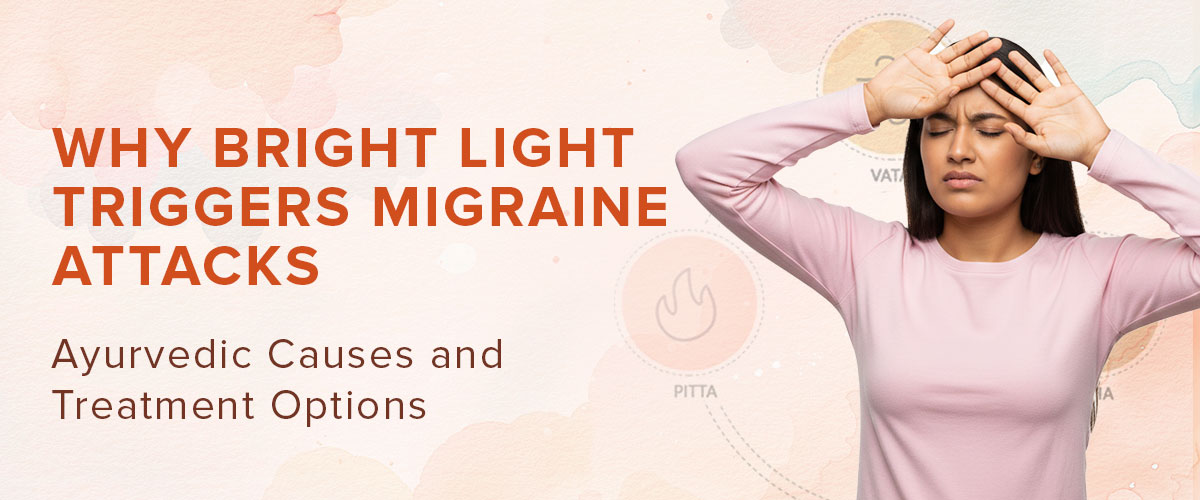
5167If you have ever had a migraine, you are probably aware of the initial, instinctive need for a darkened room, in which you hope to stay until the migraine passes. It is not simply a preference, but a biological need for many people. For about 80% to 90% of migraine sufferers, bright lights are a physical trigger, which can turn a minor Migraine into a throbbing, agonising pain.
What is a Migraine?
A migraine is not just a “bad Migraine.” Rather, it is a neurological phenomenon that includes a great deal more than a Migraine. It is, in essence, an electrical storm in the brain, where nerves and blood vessels are overly sensitive to external stimuli.
Whereas a Migraine is a generalised sensation of tightness around the head, a migraine is more specific. It is a severe, throbbing pain, usually on one side of the head, which can make simple activities, such as walking or talking, extremely draining.
Common Causes of Light-Triggered Migraines
Have you ever felt that a bright environment is physically overwhelming? If you have ever gotten a migraine due to light, then it is most likely caused by one or more of the following:
- Sensory Overload: The amount and intensity of light in our world today are significant and overwhelming. This includes things such as bright lights in offices, the blinding light from a cell phone, and the flicker from a computer monitor. When this kind of light overwhelms our brain’s visual system, it can cause a migraine.
- Neurological Sensitivity: A migraine attack changes brain chemistry and blood flow, which increases the brain’s sensitivity to ocular and neurological pathways. This means that a normal amount of sunlight can be overwhelming.
- Stress and Fatigue: When a person is under a lot of stress and fatigue, it will affect their brain’s filtering systems and lower their threshold for a reaction to light that would normally not be a problem.
- Hormonal Fluctuations: Many people find that an increase in estrogen or another hormone is a priming event that makes them more excitable in the nervous system. What may have been a light trigger in the past may be a full migraine in this current situation.
Symptoms of Light-Triggered Migraines
While the migraine is caused by light, it is rarely an isolated event. A migraine caused by light is merely the beginning of a series of symptoms that may plague an individual for the entire day:
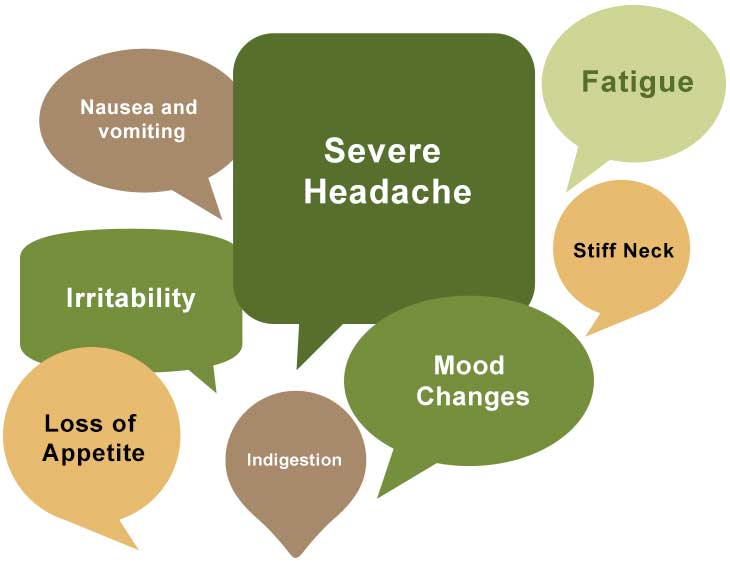
- Pulsating or throbbing Migraine on one or both sides of the head
- Sensitivity to light (photophobia) and sometimes sound
- Nausea and vomiting
- Blurred vision or aura before the attack
- Fatigue and irritability during and after the migraine
Risks and Complications of Bright-Light Migraines
If frequent migraines are ignored, they can lead to health complications that affect physical as well as mental health in the long run.
Risks: Frequent migraine attacks can cause chronic pain, fatigue, and anxiety, which can affect concentration in the long run. The use of painkillers, which are available in the market, can be harmful to the stomach as well as the liver.
Complications: If migraine attacks are ignored, they can lead to chronic sleep disorders, depression, and vision complications. The nervous system can become so accustomed to these complications that they become chronic in nature.
How Migraines Are Diagnosed
A comprehensive diagnosis of the disease is carried out with the help of modern as well as traditional methods of diagnosis, including the traditional Ayurvedic method, in order to determine the reason behind the disease.
- Medical History: A patient’s medical history is taken into consideration to determine the pattern of migraine attacks, the migraine triggers, and the duration of the migraine attacks.
- Physical as well as Neurological Exam: An examination of the patient’s vision, as well as the nervous system, is carried out in order to determine the reason behind the sensitivity to bright lights.
- Imaging Tests: An MRI scan is carried out to determine the reason behind the migraine attacks, as a precautionary measure.
- Ayurvedic Analysis: Nadi Pariksha, as well as Prakriti, are used in order to determine the reason behind the migraine attacks, i.e., the imbalance of the doshas in the human body.
- Lifestyle Evaluation: An evaluation of the patient’s lifestyle, including the amount of sleep, screen time, and the amount of stress, is carried out in order to determine the factors that trigger the migraine attacks.
Ayurvedic Understanding Of Migraines
In Ayurveda, a migraine is not an ordinary neurological phenomenon but is seen as a sign of an imbalance of internal energies, or doshas, which are in a state of aggravation and dissonance. When it comes to migraines, especially those induced by light, Vata and Pitta are the two doshas that are primarily emphasized.
Vata-Related Migraines: Vata-related migraines are often caused by movement and dryness in the system. This type of migraine is characterised by throbbing pain that seems to occur without any specific reason. These migraines are often caused by excessive use of screens, sleep deprivation, or a sense of distraction and stress, which is a clear indicator of Vata pushing the nervous system into a migraine.
Pitta-Related Migraines: This type of migraine is characterised by an intense sensitivity to light, which is often burning in nature. This is because Pitta is associated with fire, and as a result, migraines can be induced by excessive exposure to the sun, hot weather, spicy foods, or intense anger.
Jiva Ayurveda Approach to Calm Migraine Pain
At Jiva Ayurveda, the focus is on addressing the root cause of migraines rather than just masking the pain. Treatments are personalised to balance doshas, calm the nervous system, and reduce triggers like bright light, providing long-term relief and overall well-being.
Key Approaches Include:
- Dosha Balancing: Vata Migraines are relieved through the application of warm oils, massages, and meditation; Pitta Migraines are relieved through herbs, dietary control, and relaxation.
- Herbal Medicines: Brahmi, Shankhapushpi, Ashwagandha, Turmeric, and Bala are used to calm the nervous system and relieve migraine pain.
- Ayurvedic Therapies: Shirodhara, Abhyanga, and Nasya are administered to relax the nervous system, stimulate circulation, and relieve sinus congestion.
- Dietary and Lifestyle Modifications: Spicy, oily, and processed foods are avoided, while cool foods, herbal teas, adequate sleep, and reduced screen time are recommended.
Ayurvedic Medicines for Bright-Light Migraines
In Ayurveda, the treatment of migraine symptoms is not done in a generalised manner. Rather, the focus is on understanding the specific cause of an individual’s imbalance and then using natural remedies to create equilibrium.
Common Ayurvedic Herbs Used for Migraine Treatment:
- Brahmi (Bacopa monnieri) – This is one of the main herbs for clearing cloudiness from the mind. It helps in soothing the nerves, which can result in a reduction of the sharpness of a Migraine.
- Shankhapushpi (Convolvulus pluricaulis) – When Migraines occur as a result of an overactive, stressed mind, Shankhapushpi can effectively relieve the deep-seated tensions in the brain.
- Ashwagandha (Withania somnifera) – This herb is well known for building resistance power in the human body, which helps in preventing an overload of the nervous system, a major cause of Migraines.
- Turmeric (Curcuma longa) – This is a natural anti-inflammatory agent, which can soothe the internal heat that is felt as a Migraine, especially when there is pain behind the eye.
Using these herbs together enables the body to balance its metabolism, reducing inflammation by a great deal and increasing its overall vitality.
Ayurvedic Therapies for Bright-Light Migraines
Ayurveda is not limited to herbal remedies, as it incorporates physical therapies that help reduce bodily tension and effectively regulate the nervous system, thus helping prevent the recurrence of Migraines.
- Shirodhara: This is one of the most popular Ayurvedic treatments, and there is a good reason why. A continuous, soft flow of herbal oil is poured onto the forehead, effectively calming down the nervous system, thus relieving the severity of a throbbing Migraine.
- Abhyanga: This is not just any ordinary massage, as this therapy is a rhythmic, full-body experience using herbal oils that seep into the body, thus relieving bodily tension, calming down the nervous system, and stabilising the Vata energy, which is always in a state of fluctuation.
- Nasya: Since, according to Ayurvedic theory, the nose is considered the gateway to the head, this therapy uses special herbal oils inserted into the nostrils, which greatly relieve sinus pressure, thus calming down the nerves responsible for unilateral Migraines.
- Swedana (Herbal Steam Therapy): This is a medicated steam bath that causes perspiration, thus expelling toxins from the body, opening up all bodily channels. This is especially helpful if eye pain is triggered by sinus pressure or deep bodily tension.
Because everyone’s triggers are different, these therapies are always customised. Your dosha type determines which oils and techniques are used, ensuring the treatment actually fits what your body needs.
Diet Chart for Bright-Light Migraines
| Include (Beneficial Foods) | Avoid (Trigger Foods) |
| Cooling fruits: Cucumber, Watermelon, Pear, Coconut water | Spicy and hot foods: Chilli, Pepper, Garlic, Onion |
| Light grains: Rice, Oats, Barley | Oily and fried foods |
| Vegetables: Leafy greens, Bottle gourd, Pumpkin, Zucchini | Processed or packaged foods |
| Herbal teas: Brahmi tea, Chamomile, Peppermint | Excess caffeine, energy drinks |
| Nuts and seeds in moderation: Almonds, Flaxseeds | Excess chocolate or sweets |
| Adequate water and hydration | Alcohol and smoking |
How We Assess Migraine Patients at Jiva Ayurveda
At Jiva Ayurveda, our team undertakes a comprehensive evaluation of the patient’s condition in order to determine the underlying cause of the migraine, which is experienced behind one eye.
- Your current symptoms, such as pain location, intensity, frequency, triggers, and duration
- Your medical history and past treatments for migraines
- Your dietary and lifestyle habits that may be contributing to migraines
- Stress levels, sleep patterns, and screen time, which, in Ayurvedic terms, may influence migraine occurrence
- Any other conditions or medications that you may be taking
Through the evaluation process, the physician offers the patient the best treatment that meets the patient’s needs, to attain the best health benefits from the treatment process.
Our Step-by-Step Care Process
At Jiva Ayurveda, every process of the treatment is carried out in an organised and structured manner to give you the best personalised experience of Ayurvedic treatment for thyroid and digestive issues.
1. Share Contact Details: After submitting your details, you can also reach out to us directly at 0129 4264323 to start the consultation process and get your metabolic issues treated.
2. Appointment Confirmation: An appointment with our experienced and well-trained Ayurvedic doctors specialising in thyroid and digestive issues is arranged for you. You can choose to consult with our doctors in the mode that best suits you:
- Clinic: We have over 80 Jiva clinics in different cities, and you can come to the nearest clinic to consult with our doctor face-to-face.
- Video Consultation (Rs. 49): In case you are not able to locate our clinics in your city, you can also consult with our doctor online, which will be available to you at a discounted price of Rs. 49 (regular price: Rs. 299). Simply give us a call at 0129 4264323 to connect with our experts from home itself.
3. Detailed Diagnosis: Our experienced doctor will consult with you to understand your thyroid issues, digestive problems, and “Agni” (metabolic fire) to diagnose the root cause of the problem in your body.
4. Root Cause-Based Treatment Plan: A personalised plan of treatment will be prepared for you with the use of herbal medicines that will stimulate the thyroid and enhance the motility of the gut.
Healing Timeline for Unilateral Headaches Behind the Eye
Initial Weeks: Reduced headache intensity, reduced ocular strain, and increased levels of relaxation.
1–3 Months: Significant reduction in headache occurrences, improved stress levels, improved sleep, and increased autonomic balance.
3–6 Months: Freedom from headaches, improved nerve function, improved ocular function, and general well-being.
What Results Can You Expect?
Ayurvedic care for bright-light-triggered migraines focuses on long-term relief and prevention, not just temporary pain management. Patients may experience:
- Reduced migraine frequency and intensity
- Relief from photophobia (light sensitivity)
- Improved stress and nervous system balance
- Better sleep, mental clarity, and overall well-being
Patient Experience: Jyoti, 8th Class
I used to get bad headaches since the 8th grade. My eyes would hurt and feel sore, and the pain was so strong I couldn’t study. I went to a doctor, and they said it was migraine. Medicines helped, but only for a short time. The pain kept coming back. A friend told me about Jiva Ayurveda. Here, they didn’t just stop the pain-they treated the root cause. I got a custom plan with medicines and tips for daily life. Now, I feel much better. I can study and enjoy my day without worrying about headaches.
Estimated Cost of Treatment at Jiva Ayurveda
Understanding the financial investment required for your health is important. At Jiva Ayurveda, we make sure of transparency in our service costs, which allows you to choose the most suitable option for your medical needs.
Treatment Cost
For patients who seek standard, ongoing care for a headache behind one eye, the Monthly Cost of Medicine and consultation typically ranges from Rs. 3,000 to Rs. 3,500. Please note that this is an estimated baseline. The final cost depends on the exact nature and severity of the patient's condition.
Protocol
For a more comprehensive, structured approach, we offer specialized Package protocols. These plans are designed to address both physical symptoms and the overall lifestyle correction. The package includes:
- Medicine
- Consultation
- Mental Well-Being Sessions
- Yoga and Meditation
- Diet
- Therapy
The cost for this protocol involves a one-time payment ranging from Rs. 15,000 to Rs. 40,000, which covers the full 3 to 4-month duration of the treatment.
Jivagram
For patients requiring intensive and immersive care, our Jivagram centres offer the ultimate healing experience. Jivagram is a holistic sanctuary set in a peaceful, eco-friendly environment, and it provides:
- Authentic Panchakarma therapies
- Sattvic meals
- Modern healing services
- Comfortable accommodation
- Many more quality-of-life facilities
An immersive wellness stay at Jivagram costs around Rs. 1 Lakh for a 7-day duration, ensuring continuous personalised care to help reset your body and mind.
Why Patients Trust Jiva Ayurveda
Our method is centred around personalised, root cause-based treatment that works to heal the body from the inside out.
- Root Cause-Based Treatment: Our treatment strategy is to treat the root cause of the imbalance, not just the symptoms, whether they are constipation, fatigue, or other issues.
- Customised Care Plans: Our patients receive personalised care plans that are tailored to their individual Prakriti (constitution), diet, and lifestyle.
- Protocol-Based Analysis and Treatment: Our treatment protocols are evidence-based, Ayurvedic approaches to treating hormonal and digestive imbalances.
- Authentic Medicines: Our Ayurvedic medicines are genuine and made in licensed facilities to ensure safety and efficacy.
- Proven Scale & Expertise: Our physicians have seen over 8,000 patients daily and have extensive experience in treating complex chronic diseases.
- High Success Rate: Our patients have seen significant improvements in their health, with over 90% reporting positive changes in their health.
- Reduced Dependency: 88% of our patients can stop or greatly reduce their dependency on conventional medications.
Modern vs Ayurvedic Approach
| Aspect | Modern Medicine | Ayurveda (Jiva Ayurveda) |
| Focus | Symptom relief with painkillers | Root cause treatment, dosha balance, nervous system support |
| Treatment | Medications, injections | Herbal medicines, Panchakarma therapies, diet, lifestyle |
| Duration | Short-term relief | Long-term healing and prevention |
| Lifestyle Integration | Limited | Strong emphasis on daily routines, stress management, sleep, and diet |
| Side Effects | Possible with long-term use | Minimal when personalised and supervised |
When to Consult a Doctor
You should consult a doctor if you experience:
- Sudden, severe, or unusual headaches behind one eye
- Frequent migraine attacks that affect daily life
- Vision changes, nausea, or vomiting during headaches
- Headaches unresponsive to home remedies or Ayurvedic care
- Any underlying health conditions, like high blood pressure or neurological issues
Conclusion
Migraines triggered by bright light can be painful and disruptive, but with a personalised Ayurvedic approach, you can achieve long-term relief by balancing doshas, calming the nervous system, and adopting lifestyle adjustments.
If you are suffering from migraines triggered by bright light, consult certified Jiva doctors for personalised treatment and guidance.
Call today: 0129-4264323