 Published on
20 Mar, 2026
Published on
20 Mar, 2026 Updated on 25 May, 2026
 5158
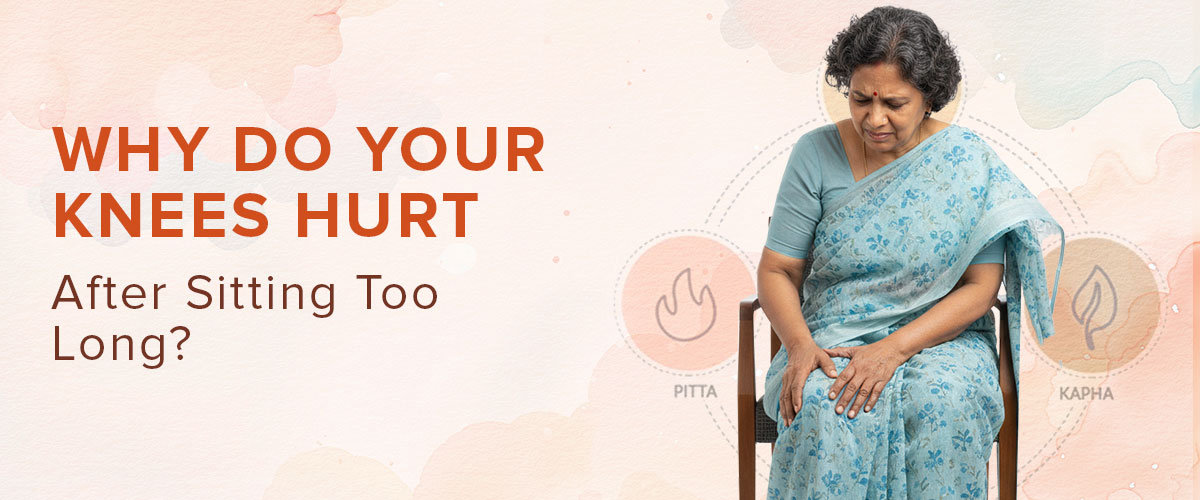
5158What is Knee Pain After Sitting Too Long?
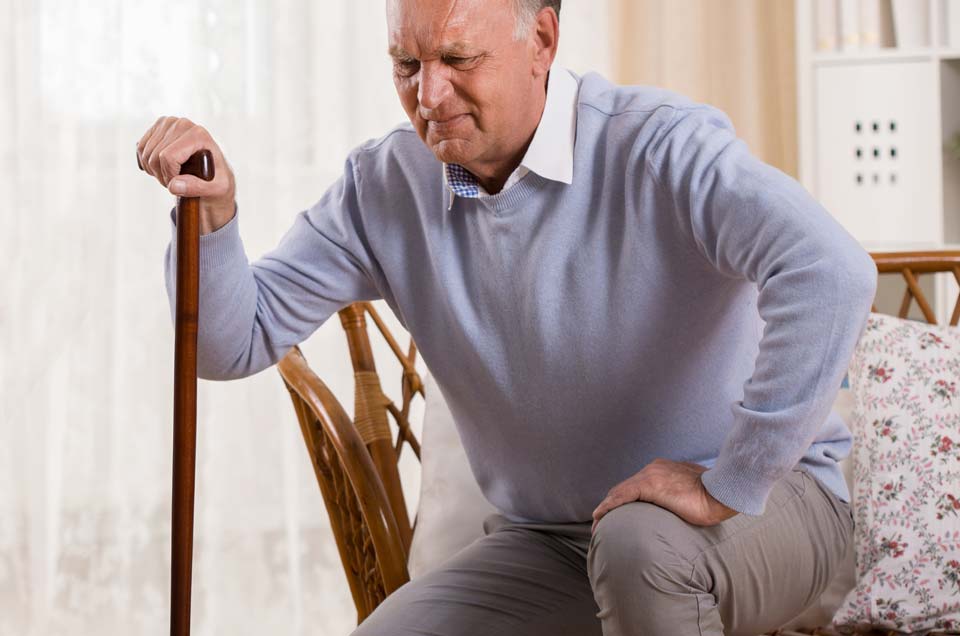
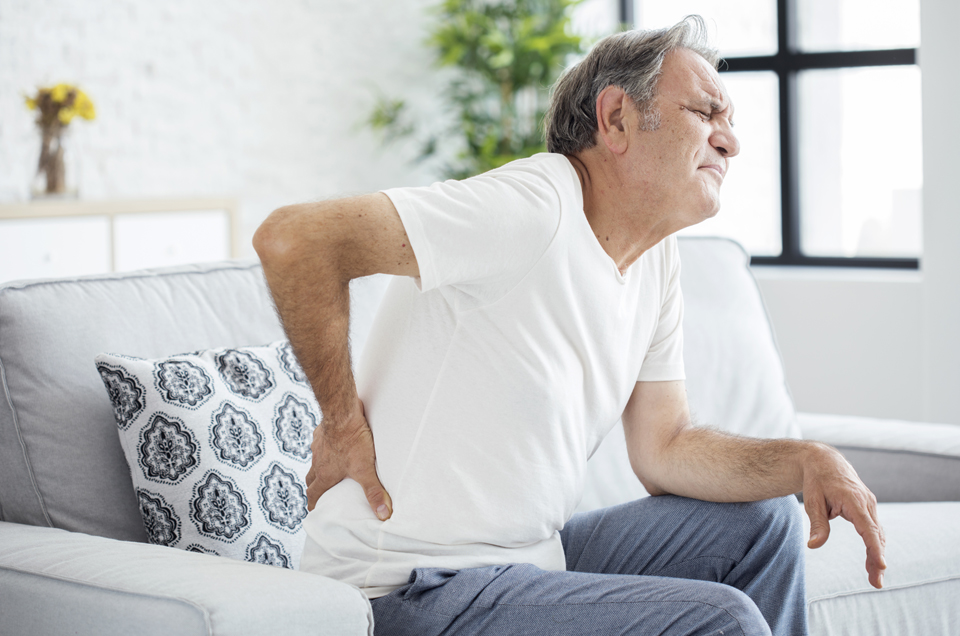
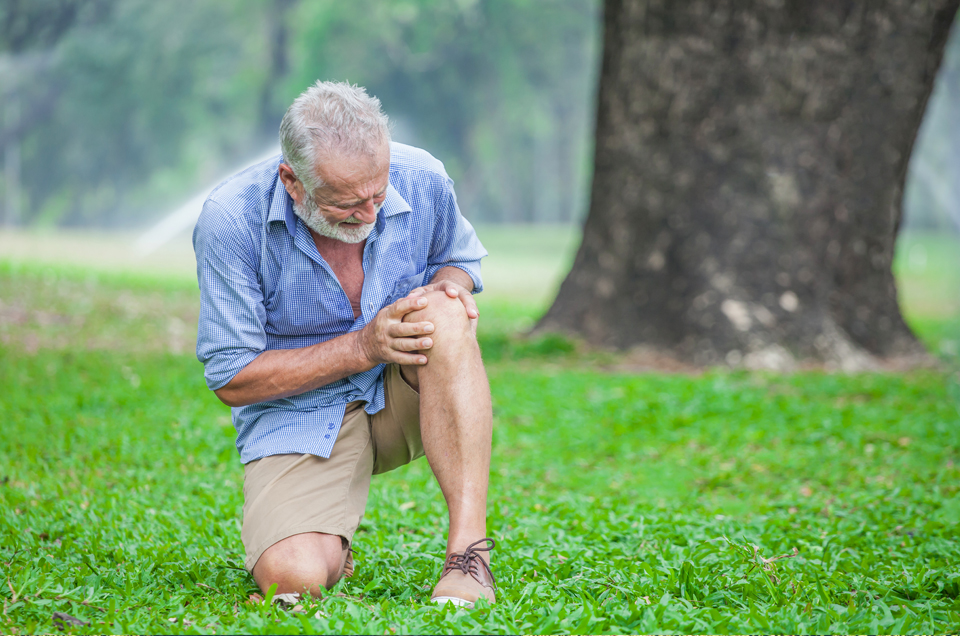
Have you ever experienced knee pain after getting up from a sitting position? Well, you are not alone in this. This common problem is often neglected, but it is actually a sign that your knees need care. When you are sitting in one position for a long time, your knee joints are in a stationary position, causing them to become stiffer. This may cause problems in your knee joints in the long run.
Knee pain after sitting for too long is medically referred to as “start-up pain.” This is a form of pain that one feels when they start to move after sitting for quite some time.
In simple terms, this condition is characterised by stiffness in one’s knee joints as a result of sitting for quite some time. When one suddenly gets up from sitting, one’s knee joint finds it hard to adjust, thus causing one to feel pain or discomfort in the knee joint. In some instances, this condition can be attributed to Osteoarthritis.
Types of Knee Pain You Might Experience
Knee pain may come in different forms, especially if it occurs due to prolonged sitting. The form of the pain may be dependent on the processes that are going on inside your knee. These include:
This form of pain is attributed to the wear and tear of the structures of the knee. It tends to be worse while moving and improves with rest. This form of pain is common during early degeneration and ageing.
- Inflammatory Pain
This form of pain is attributed to swelling, irritation, and the buildup of fluids inside the knee. This form of pain may be warm, tender, and constant even while resting.
- Patellofemoral Pain
This form of pain occurs on the back of the knee, especially if you have been sitting for a long time with your knees folded. This form of pain is commonly referred to as theatre knee.
- Early Degenerative Pain
This form of pain is attributed to the degeneration of the cartilage and may be a warning sign of Osteoarthritis. This form of pain often begins mildly and increases over time.
Knee Warning Signs You Shouldn’t Ignore
Your knees may display subtle warning signs before the problem becomes serious. Be on the lookout for the following common symptoms:
- Knees may be stiff after prolonged sitting
- Knees may hurt when standing up or after the first few steps
- Knees may click, pop, or even crack
- Slight swelling or puffiness around the knee
- Knees may have trouble straightening or bending
- Knees may ache, but then diminish after walking for a few minutes
While these symptoms may not be serious at first, if they occur frequently, they may be a sign of a problem in your joints that should not be taken lightly.
Understanding the underlying reasons for the stiffness and discomfort
Knee pain after sitting for a long period is not usually caused by a single factor. Knee pain after sitting for a long period is usually caused by a combination of biological and mechanical changes. When sitting for a long period, your knees are in a fixed position. This impacts the functioning of your knee, causing discomfort or pain. Main Causes of Knee Pain After Sitting:-
- Reduced Joint Lubrication
When one does not move for a long period, the production and circulation of synovial fluid are affected. This makes the joint feel stiff and dry.
- Increased Pressure on Cartilage
When one sits for a long period, the cartilage is constantly subjected to pressure. This causes discomfort in the knee.
- Weakened Thigh Muscles
When one does not move for a long period, the thigh muscles become weak. This weakens the knee joint.
When one sits in a cross-legged position or uses low chairs, it impacts the knee joint.
- Early Wear and Tear (Osteoarthritis Changes)
Sometimes, early wear and tear changes in the cartilage cause discomfort in the knee.
- Mild Joint Inflammation
Sometimes, mild changes in the joint cause swelling and pain.
Who Is at Risk & What Can Happen If Knee Pain Is Ignored?
Knee pain from prolonged sitting is not restricted to any particular age group or lifestyle. Still, there are people who are at a greater risk of developing such a problem, and if the problem is ignored, it can lead to serious complications in the future.
Who Is at Risk of Developing Knee Pain?
- Age over 35-40 years: The wear and tear of the joints starts at an early age.
- A sedentary lifestyle: Prolonged sitting can lead to reduced flexibility of the joints.
- Being overweight: When you are overweight, you put extra stress on your knees.
- A history of injuries in the knees: The joints can become sensitive over time due to past injuries.
- Prolonged sitting (office workers, drivers, etc.): Prolonged sitting can lead to stiffness of the joints, causing reduced lubrication of the joints.
- Not getting regular exercise: When you do not get regular exercise, you cannot expect the muscles to support the joint.
What Can Happen If You Ignore It?
If the knee pain is not treated promptly, it can cause the following problems over a period of time:
- Progression of osteoarthritis: Gradual degradation of cartilage in the knee.
- Knee stiffness: Knees can become stiffer.
- Trouble in daily activities: Trouble in climbing stairs, walking, or standing.
- Loss of mobility and flexibility: Loss of mobility in everyday activities.
- Rapid degeneration of the joint: Continuous degradation of the knee joint.
How is Knee Pain Diagnosed under Ayurveda?
Knee pain is not only treated as a problem of the knee joint under Ayurveda. It is treated as an imbalance of the internal energies of the body. It is an imbalance of the Vata energy of the body. It is not only the symptoms of the disease that are treated under Ayurveda. It is the cause of the disease that is treated.
Ayurvedic Diagnostic Methodology for Knee Pain
- Prakriti Analysis (Study of Body Constitution): First of all, the body type of the patient is studied. It is studied what kind of imbalance is present in the body. Whether the patient is Vata, Pitta, Kapha, or a combination of these three types of body types.
- Nadi Pariksha (Study of the Pulse): The pulse of the patient is studied.
- Detailed Patient History: Detailed patient history is studied.
- Physical Examination: The knee is physically examined.
- Dosha Analysis: Special focus is given to Vata imbalance, which is commonly responsible for dryness, stiffness, and joint pain.
- Aama (Toxins) Analysis: The presence of toxins is also studied.
Knee Pain in Ayurveda
In Ayurveda, knee pain is related to an imbalance of Vata dosha, which governs movement, nerve impulses, and natural dryness and lightness in the body. An imbalance of Vata dosha directly impacts the knee joint.
How Vata Imbalance Impacts the Knees
When Vata increases in the body because of various reasons such as ageing, improper daily routine, stress, and improper diet, it directly impacts the knee joint and causes:
- Dryness of Joints: This makes movement stiff and uncomfortable.
- Imbalance of Shleshaka Kapha: This causes a reduction in joint lubricating fluid, resulting in friction.
- Pain, Crackling Sounds, and Stiffness: This causes pain during movement and produces crackling and grinding sensations.
Ayurvedic Understanding of Knee Degeneration
In Ayurveda, knee pain and degeneration are related to a condition known as Sandhivata, which is caused by an imbalance of Vata dosha and impacts the joint of the knee. This is a degenerative disorder in which the strength, flexibility, and lubricating fluids of the joint gradually decline.
How Jiva Ayurveda Treats Knee Pain Naturally
Jiva Ayurveda adopts a holistic and personalised treatment method for knee pain by addressing its root cause instead of providing symptomatic relief.
Personalised Healing Approach
- Detailed Prakriti Analysis (Body Constitution)
Every person is unique, and so is their Prakriti or body constitution, which comprises Vata, Pitta, and Kapha doshas. This dosha imbalance is responsible for knee pain.
- Ndi Pariksha (Pulse Diagnosis)
Our expert Ayurvedic doctors use pulse diagnosis to detect internal dosha imbalance and other health issues.
- Root Cause-Based Treatment Plan
Instead of providing temporary relief, our treatment plan focuses on curing knee pain by addressing its root cause: Vata imbalance and joint degeneration.
Holistic Treatment Method
- Herbal Medications: Ayurvedic herbal medicines are given to patients to cure knee pain by providing natural relief from knee pain and joint inflammation.
- Customised Diet Plan: A diet plan is designed according to an individual's Prakriti and Vata imbalance, which helps cure knee pain from within.
- Therapeutic Procedures:- External therapies help relieve stiffness, improve circulation, and restore flexibility.
- Lifestyle Changes: Small lifestyle modifications and improvements in posture and activities help cure knee pain permanently.
Powerful Ayurvedic Herbs That Support Knee Health
There are a variety of Ayurvedic herbs that help in managing knee pain. These herbs provide the following health benefits:
- Reduce knee pain and discomfort
- Reduce knee joint inflammation
- Improve joint and knee lubrication
- Improve knee strength and stability
Key Ayurvedic Herbs for Knee Pain Relief
- Ashwagandha: This herb is known for its strength-promoting abilities. Ashwagandha helps in increasing muscle strength and reduces knee pain and discomfort.
- Guggulu: Guggulu is a powerful anti-inflammatory herb. This herb reduces knee pain and discomfort and promotes healing.
- Shallaki (Boswellia): Shallaki is a powerful Ayurvedic herb that is commonly used for joint and knee health. This herb is known for its ability to increase flexibility and reduce pain.
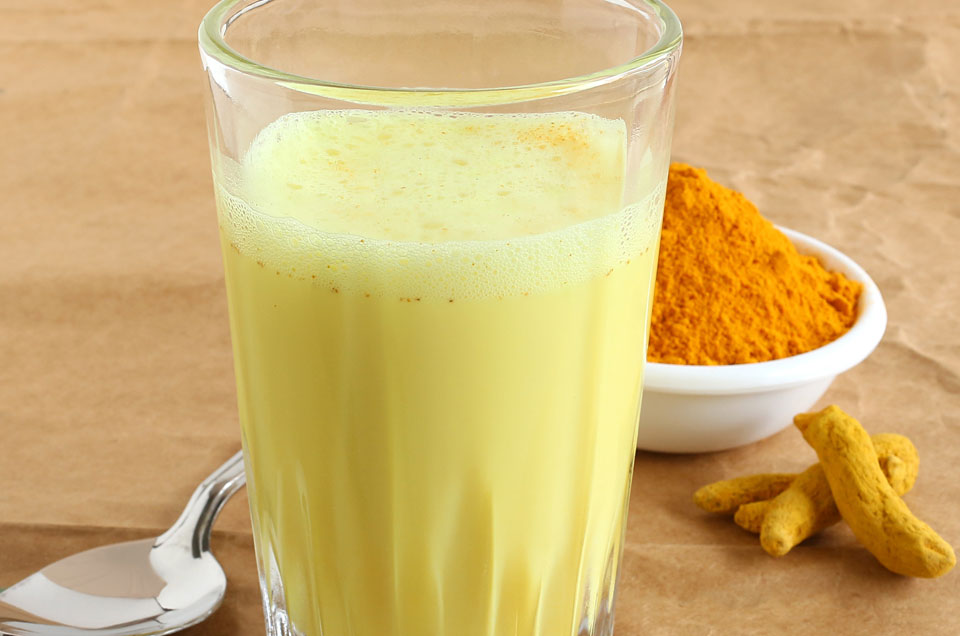
- Turmeric (Haridra): Turmeric is a powerful anti-inflammatory and antioxidant agent. This herb is known for its ability to reduce knee pain and discomfort.
- Nirgundi: This is a powerful anti-inflammatory agent. Nirgundi is known for its ability to reduce knee pain and discomfort.
Ayurvedic Therapies That Help Relieve Knee Pain Naturally
Ayurveda provides a range of tested therapies that not only alleviate knee pain but also increase the strength, flexibility, and lubrication of the joint. These therapies are designed to calm Vata dosha and eliminate Ama (toxins) in the body. Effective Ayurvedic Therapies to Relieve Knee Pain:-
- Abhyanga (Therapeutic Oil Massage): A warm oil massage that improves circulation, rejuvenates joints, and eases stiffness in the joints.
- Janu Basti/Kati Basti: A specialised treatment in which warm medicated oil is retained over the knee joint to reduce pain, increase joint lubrication, and increase joint strength.
- Swedana (Herbal Steam Therapy): A light steam treatment that eases joint pain and stiffness, and improves joint flexibility.
- Panchakarma Detox: A treatment that cleanses the body of accumulated toxins (Ama), which are often the underlying causes of joint pain.
- Basti Therapy (Medicated Enema): One of the most effective treatments to calm Vata dosha, which provides long-term relief in joint pain.
Best Diet for Healthy & Pain-Free Knees
Diet is one of the most important factors for controlling and curing knee pain. A Vata-balancing diet is recommended for proper joint lubrication and healing.
Recommended Foods for Healthy Knees:
- Warm, freshly cooked, and easily digestible foods
- Use of ghee in moderate quantities for joint lubrication
- Ginger, garlic, and turmeric for anti-inflammatory properties
- Leafy vegetables for overall nourishment
- Calcium and bone-strengthening foods such as sesame seeds
Foods to Avoid:-
- Refrigerated foods
- Fried and processed foods
- Excessive sugar and sweet foods
- Excessive tea and coffee consumption
- White bread and baked foods made from refined flour
How Patients Are Carefully Assessed at Jiva Ayurveda
At Jiva Ayurveda, every patient is carefully assessed by going through a very specific and personalised consultation process, where every effort is made to determine what is causing the problem, as opposed to what is merely visible.
What Does the Consultation Include?
- Prakriti Analysis (Body Type): The doctor will determine your body type, whether you are predominantly Vata, Pitta, or Kapha, and use this to determine what is causing your knee pain.
- Nadi Pariksha (Pulse Diagnosis): This is a very specific and unique form of pulse diagnosis, where the pulse is used to determine what is going on inside your body and your overall health.
- Detailed Health & Lifestyle Review: Every aspect of your daily life, including your diet, sleep, and overall health, is carefully assessed.
- Symptom & Physical Assessment: The condition of your knees, including pain, stiffness, swelling, and movement, is carefully assessed.
Our Step-by-Step Patient Care Process:
Expect a Call: Submit your contact details, or you can also call us on 0129 4264323.
Appointment Confirmation.
- You can schedule an appointment and visit us at our clinic for a consultation with our Ayurvedic experts.
- If you are unable to find our clinics near you, you can also schedule an online consultation on 0129 4264323 at a discounted price of Rs. 49 (regular price Rs299) and avail guidance from our doctors at home.
Detailed Diagnosis
Jiva doctor will perform a thorough and detailed diagnosis to identify the root cause of your health problem.
Root-cause Based Treatment
Jiva doctor will recommend a personalised treatment using highly-effective, natural, and Ayurvedic medicines to address symptoms and the root cause.
Healing Timeline: When Can You Expect Relief?
Healing is a gradual process. It is natural and long-lasting. It does not provide instant relief like medicines. However, the healing is long-lasting. It is to be noted that the healing time may vary depending on your age, the severity of the disease, your lifestyle, etc.
What Does the Healing Journey Look Like?
2-4 Weeks: Initial Relief Starts
You may start feeling the relief from the pain, stiffness, and discomfort. It is especially noticeable when you have been sitting for long hours.
4-8 Weeks: Enhanced Flexibility
Your flexibility improves. You may be able to walk or climb stairs without much difficulty.
2-3 Months: Stronger & Healthier Joints
Your joints become stronger. Your joints are no longer stiff. The probability of getting the same pain is reduced.
What Affects Your Healing Speed?
- Consistency in taking medicines
- Following the diet plan
- Lifestyle changes
- Therapies (if recommended)
What Results Can You Expect from Ayurvedic Treatment?
When you get proper Ayurvedic treatment and guidance, not only is your knee pain not suppressed, but it is treated at its core, and you start feeling better gradually. Positive Changes You May Notice:-
- Relief from Pain and Inflammation: Gradual reduction in knee pain, swelling, and discomfort.
- Better Flexibility & Movement: More ease in bending, walking, and performing daily activities.
- Stronger Muscles & Joints: Better support and strength around your knee, ensuring minimal strain and instability.
- Less Stiffness After Rest: Less pain and discomfort after sitting for long periods of time and in the morning.
- Improved Overall Quality of Life: More comfort and confidence in your movements and activities.
Patient Testimonial- Raj Kumari
My ankles and feet ached a lot. When I ate dried or oily food, the pain became even worse. When the blood test results came back, the uric acid value was very high. Doctors gave me painkillers, but the relief was temporary. Jiva's doctor prescribed herbal medicines that gave me long-term relief from the pain. I recommend Jiva treatment to everyone.
Estimated Cost of Treatment at Jiva Ayurveda
Understanding the financial investment required for your health is important. At Jiva Ayurveda, we make sure of transparency in our service costs, which allows you to choose the most suitable option for your medical needs.
Treatment Cost
For patients who seek standard, ongoing care, the Monthly Cost of Medicine and consultation typically ranges from Rs. 3,000 to Rs. 3,500. Please note that this is an estimated baseline. The final cost depends on the exact nature and severity of the patient's condition.
Protocol
For a more comprehensive, structured approach, we offer specialized Package protocols. These plans are designed to address both physical symptoms and the overall lifestyle correction. The package includes:
- Medicine
- Consultation
- Mental Well-Being Sessions
- Yoga and Meditation
- Diet
The cost for this protocol involves a one-time payment ranging from Rs. 15,000 to Rs. 40,000, which covers the full 3 to 4-month duration of the treatment.
Jivagram
For patients requiring intensive and immersive care, our Jivagram centres offer the ultimate healing experience. Jivagram is a holistic sanctuary set in a peaceful, eco-friendly environment, and it provides:
- Authentic Panchakarma therapies
- Sattvic meals
- Modern healing services
- Comfortable accommodation
- Many more quality-of-life facilities
An immersive wellness stay at Jivagram costs around 1 Lakh for a 7-day duration, ensuring continuous personalised care to help reset your body and mind.
Why Patients Trust Jiva Ayurveda
Over the years, Jiva Ayurveda has gained the trust of thousands of patients who are seeking natural and personalised healthcare solutions. Some of the key reasons for patients’ trust in Jiva Ayurveda:
- Root-Cause Based Treatment
Unlike conventional treatments that address only the symptoms of disease, Ayurvedic treatment focuses on treating the root causes and correcting the underlying imbalances in the body that lead to disease.
- Experienced Ayurvedic Doctors
Jiva Ayurveda boasts of having a huge team of experienced Ayurvedic doctors who thoroughly examine each patient’s condition before recommending treatment for diseases.
- Personalised “Ayunique” Treatment Approach
Ayurvedic treatment is highly personalised and customised according to each individual’s prakriti and lifestyle.
- Holistic Healing
Ayurvedic treatment is not limited to medicines; it also includes dietary and lifestyle modifications, breathing techniques, and stress management to support overall healing of the body and mind.
- Trusted by Patients Across India
A huge percentage of patients have shown improvement in their conditions after adopting Jiva’s treatment plans and recommendations for diseases. This shows how much people trust Jiva Ayurveda for Ayurvedic treatment.
- 95% of patients saw significant improvement within 3 months of treatment.
- 88% of patients stopped allopathic medicines completely.
- 8000+ patients consulation everyday
Modern Treatment vs Ayurvedic Treatment for Knee Pain
|
Aspect |
Modern Treatment |
Ayurvedic Treatment |
|
Approach |
Focuses on symptoms and pain relief |
Focuses on root cause and overall balance |
|
Treatment Method |
Painkillers, physiotherapy, and injections |
Herbs, therapies, diet, and lifestyle changes |
|
Relief Type |
Quick but often temporary |
Gradual but long-lasting |
|
Side Effects |
Possible with long-term medication use |
Minimal when taken under expert guidance |
|
Personalization |
Standardized treatment |
Highly personalised (Prakriti-based) |
|
Focus Area |
Affected joint |
Whole body healing |
|
Long-Term Benefits |
May not prevent recurrence |
Helps prevent recurrence and improves joint health |
When Should You Consult a Doctor?
While it is normal to experience some discomfort in the knees from time to time, there are certain signs that should not be ignored. If you experience:
- Knee pain lasting for more than a few weeks
- Swelling, redness, and warmth around the knee
- Trouble walking, standing, or climbing stairs
- Sudden locking of the knee
- Severe knee pain due to an injury or fall
- Knee pain is getting worse over time instead of improving
Conclusion
Though it is just a minor issue of knee pain after sitting for too long, it is also important to realise that this is a potential sign of imbalance and degeneration in the joints of the human body. If this is ignored, it will cause more pain and discomfort in the future.
With this knowledge of the cause of knee pain after sitting for too long and by adopting a holistic approach, such as Ayurveda, it is possible not only to alleviate pain but also to improve the condition of the joints of the human body in a natural way.