
Successful Treatments
Clinics
Doctors
Ayurvedic Treatment for AVN Avascular Necrosis: Pain, Symptoms, Causes & Care
 Published on 24 Oct, 2026
 Updated on 24 Oct, 2026

- Home / Diseases & Ayurveda / Joint & Muscle Pain / Ayurvedic Treatment for AVN Avascular Necrosis: Pain, Symptoms, Causes & Care
Avascular Necrosis is more than just an ache in the joints-it is a medical problem that occurs due to the reduction or blockage of the blood supply to the bones. Due to the lack of blood supply, the bones gradually weaken, resulting in pain. This problem usually occurs in the hip, but other parts, such as the shoulders, knees, etc., may also be affected.
What Is Avascular Necrosis (AVN)?
Avascular Necrosis (AVN), which is also known as osteonecrosis, occurs when blood flow to a bone decreases or completely stops. When bone tissue does not receive enough blood, it begins to weaken and gradually die, which can lead to pain and damage in the affected joint.
The untreated condition will progress until the weakened bone structure collapses, which results in both major joint problems and restricted mobility. AVN can affect any bone in the body, but it most commonly occurs in the hip joint, shoulder, knee, or upper arm.
The combination of early diagnosis and proper treatment leads to three important outcomes, which include slowing disease progression and reducing pain while protecting against further bone damage.
Common Causes of Avascular Necrosis
The condition of avascular necrosis happens when the bone experiences its blood supply being decreased or completely stopped which results in bone tissue destruction and subsequent tissue death. Multiple factors exist that can lead to this medical condition.
The main factors that cause this problem include:
- Long-Term Steroid Use: Corticosteroid medication requires a prolonged duration for which its blood circulation impairment occurs, thus making patients vulnerable to developing AVN.
- Excessive Alcohol Consumption: The consumption of large quantities of alcohol leads to the development of fatty deposits within blood vessels, which results in their ability to block blood circulation toward the bones.
- Joint Injuries or Trauma: Fractures or dislocations that occur close to joints result in blood vessel damage, which leads to disrupted blood circulation toward the bones.
- Certain Medical Conditions: The medical conditions of sickle cell anemia and lupus, together with blood-clotting disorders, cause decreased blood supply to the bone structure.
- Radiation Therapy or Chemotherapy: The cancer treatment procedures have the potential to damage bones while interfering with their blood circulation system.
- High Cholesterol or Fat Deposits: The presence of fat in blood vessels causes their narrowing, which results in restricted blood circulation toward the bone tissue.
- Autoimmune Disorders: The conditions that affect immune system function result in inflammation and vascular damage, which create the conditions necessary for AVN development.
Signs and Symptoms of Avascular Necrosis
The development of avascular necrosis symptoms begins slowly and progresses to more severe symptoms as the disease advances. The initial phase of the condition shows no symptoms until the bone deterioration starts, which then leads to pain and joint issues.
Patients show typical indications and complaints, which include the following:
- Joint Pain: The affected joint experiences continuous pain, which typically occurs in the hip, knee, shoulder, or groin region. The pain may start mild and gradually worsen.
- Pain During Movement or Weight Bearing: People experience discomfort that worsens when they stand, walk, or apply weight to their affected joint.
- Limited Range of Motion: The joint becomes stiff, which creates problems for people to move normally and complete their everyday responsibilities.
- Pain Even at Rest: The disease progresses to a stage where patients experience pain during rest and sleep.
- Joint Collapse in Advanced Stages: The advanced stage of the disease leads to bone weakness, which results in bone collapse, severe pain, and limited movement.
The early detection of these symptoms, combined with medical treatment, helps to slow down disease development while protecting joint health from further deterioration.
Risk & Complications of AVN (Avascular Necrosis)
Untreated avascular necrosis results in multiple severe complications that damage bones and joints.
- Bone Collapse: The affected bone will lose its strength and collapse when the blood supply stops, and tissue dies.
- Severe Joint Damage: Bone loss that continues will harm nearby joints and change their normal structure.
- Chronic Pain: The condition will cause persistent pain that develops progressively with physical movement and weight-bearing activities.
- Limited Mobility: Joint stiffness, together with damage, will restrict movement, which will make it hard to perform daily activities.
- Secondary Osteoarthritis: Arthritis will develop in the damaged joint after AVN causes prolonged joint destruction.
Diagnosis of Avascular Necrosis
The early diagnosis of avascular necrosis helps doctors to avoid allowing bone damage and joint collapse to progress further. The doctors use medical history information together with their physical examination findings and imaging test results to determine whether a patient has AVN.
Common diagnostic methods include:
- Physical Examination: The doctor checks for joint pain, tenderness, and limited range of motion in the affected area.
- X-Ray: X-ray examinations enable the detection of bone structural alterations that occur during the advanced stages of the disease.
- MRI (Magnetic Resonance Imaging): MRI operates as the most efficient testing method to discover AVN during its initial development stage because it detects the condition before X-ray signs become visible.
- CT Scan: The CT scan produces high-resolution bone images, which medical professionals use to determine the level of bone destruction.
- Bone Scan: The test identifies locations where blood flow has decreased or where bone tissue has been harmed.
Accurate and early diagnosis helps doctors plan appropriate treatment and prevent further joint deterioration.
AVN Avascular Necrosis Symptoms
Joint Pain
Pain localised to the weight-bearing joint affected is usually the most common symptom, often worsening with activities that increase load or pressure on the joints.
Limited Range of Motion
Restrictions in movement typically become more noticeable in the later stages of AVN as the disease progresses and joint damage increases.
Joint Stiffness
Nocturnal symptoms may include a range of complaints, from bone pain to muscle stiffness, joint pain, weakness, or dislocation at the affected site. If severe, these symptoms should prompt immediate medical attention.
Joint Weakness
Chronic pain in the joints may be a symptom indicating joint instability and weakness.
Pain During Rest
Some individuals may experience discomfort during rest. Despite minimal joint use, this occurs in the form of aching or throbbing sensations.
Ayurvedic Understanding of Avascular Necrosis
In Ayurveda, avascular necrosis is a disorder that occurs when Vata dosha experiences an imbalance because Vata dosha controls the body's movement, blood circulation, and nutritional delivery to tissues. When Vata dosha experiences an excessive increase, it disrupts nutrient and blood flow to bones, which results in bone tissue degeneration and weakening.
The condition results in the breakdown of Asthi Dhatu (bone tissue) and Majja Dhatu (bone marrow) components. The body system requires Agni function at its optimal level to maintain proper body functioning, yet when Agni functions poorly. The body develops Ama (toxins), which block the body's supply routes that deliver essential nutrients to bones, resulting in bone tissue destruction.
Ayurvedic management achieves its goals by restoring Vata dosha balance, enhancing blood flow, and developing bone tissue strength through specific dietary practices, lifestyle modifications, and herbal treatments, which create a foundation for joint health while delaying disease advancement.
Jiva Ayurveda’s Treatment Approach for AVN (Avascular Necrosis)
Jiva Ayurveda provides an Ayurvedic solution for Avascular Necrosis that addresses the root cause of the problem rather than the symptoms. According to Ayurveda, the root cause of AVN is the imbalance of the Vata dosha, which affects the bone tissues as well as the flow of blood to the joints. Jiva Ayurveda helps to improve the flow of blood to the affected area, improve the strength of the bones, and relieve the pain in the joints.
Core Principles of the Jiva Ayunique™ Treatment Philosophy
1. HACCP-Certified Ayurvedic Medicines
Jiva Ayurveda offers herbal medicine that is prepared under strict quality and safety standards, including HACCP certification. The herbal medicine is capable of nourishing the bones, boosting circulation, and also helping the joints.
- Bone Strengthening Herbs: The herbal medicine helps strengthen the bones, and this slows down the degeneration of the affected joint.
- Boosting Circulation: The herbal medicine helps boost circulation to the affected bones, and this is essential in the treatment of AVN disease.
- Relieving Joint Inflammation: The herbal medicine helps relieve inflammation in the affected joint.
2. Dietary Changes
Diet is essential in the treatment and recovery from AVN disease.
- Calcium-Rich Foods: The consumption of calcium and minerals helps strengthen the bones.
- Anti-Inflammatory Foods: The consumption of anti-inflammatory foods helps reduce the rate of inflammation in the affected joint.
- Limit Food Choices: The consumption of oily foods is harmful to the health of the bones and should therefore be limited.
3. Panchakarma & Therapeutic Practices
Various practices help in the treatment of AVN disease.
- Detoxification Therapies: Panchakarma helps eliminate Ama from the system, and this helps in the recovery from AVN disease.
- Abhyanga (Herbal Oil Massage): The massage helps boost circulation and relieve stiffness in the affected joint.
- Joint Support Therapies: The herbal medicine helps support the bones and joints.
4. Lifestyle Changes
Various lifestyle changes help in the treatment and recovery from AVN disease.
- Weight Management: Maintaining a healthy weight helps reduce the rate of degeneration of the affected joint.
- Avoid Excessive Strain: The excessive strain put on the affected joint should be avoided to reduce the degeneration rate.
- Healthy Routine: A healthy routine is essential in the treatment and recovery from AVN disease.
5. Yoga & Gentle Physical Activity
Various yoga practices help in the treatment and recovery from AVN disease.
- Yoga Practices: The herbal medicine helps support the health of the affected joint through yoga practices.
- Breathing Exercises: The herbal medicine helps boost circulation through breathing exercises.
- Relaxation Techniques: The herbal medicine helps relieve pain through meditation and relaxation techniques.
Ayurvedic Medicines for AVN
Ayurvedic herbs are incorporated into AVN management to relieve pain, improve blood circulation, and restore bone health. Some Ayurvedic medicines for AVN include:
- Guggulu (Commiphora mukul): Due to its anti-inflammatory properties, Guggulu is considered an adequate bone and circulation enhancement remedy.
- Ashwagandha (Withania somnifera): This herb can protect the body by acting as an antidote to the effects of stress, maintaining balance in the Vata dosha, and strengthening the muscles and bones.
- Shatavari (Asparagus racemosus): It is a well-known herbal plant that is good for nutrition, helps repair cells, and has anti-inflammatory activity, which can help reduce the inflammation associated with AVN.
- Nirgundi (Vitex negundo): This herb is used to relieve joint pain. Nirgundi is a very effective painkiller and anti-inflammatory herb.
- Shallaki (Boswellia serrata): Julguddu or Shallaki, Indian Frankincense, has also improved joint mobility and reduced pain.
- Guduchi (Tinospora cordifolia): Helps to boost immunity, Guduchi aids in the fight against inflammation and tissue restoration.
- Punarnava (Boerhavia diffusa): An anti-inflammatory herb that aids in reducing swelling and improving joint health.
These Ayurvedic herbs should only be taken under the guidance of a qualified Ayurvedic doctor, as the dosage and combination depend on an individual’s body constitution (Prakriti) and the severity of the condition.
How We Assess AVN Patients at Jiva Ayurveda
At Jiva Ayurveda, the assessment focuses on personalised Ayurvedic diagnosis, which includes:
- Detailed medical history and symptom analysis
- Understanding the dosha imbalance (especially Vata)
- Reviewing diagnostic reports such as MRI/X-rays
- Evaluating diet, lifestyle, and stress factors
- Assessing the severity and stage of the condition
This helps doctors create a customised treatment plan targeting the root cause rather than only symptoms.
Our Step-by-Step Patient Care Process:
Expect a Call: Submit your contact details, or you can also call us on 0129 4264323.
Appointment Confirmation.
- You can schedule an appointment and visit us at our clinic for a consultation with our Ayurvedic experts.
- If you are unable to find our clinics near you, you can also schedule an online consultation on 0129 4264323 at a discounted price of Rs. 49 (regular price Rs299) and avail guidance from our doctors at home.
Detailed Diagnosis
Jiva doctor will perform a thorough and detailed diagnosis to identify the root cause of your health problem.
Root-cause Based Treatment
Jiva doctor will recommend a personalised treatment using highly-effective, natural, and Ayurvedic medicines to address symptoms and the root cause.
Ayurvedic Treatment Timeline
The recovery time varies depending on stage and severity, but generally:
- Initial weeks: pain reduction and improved comfort
- 1–3 months: better mobility and reduced stiffness
- Long-term treatment: strengthening bones and preventing progression
Consistent treatment, diet changes, and lifestyle improvements are important for better outcomes
What Results Can You Expect from Jiva Ayurveda?
The treatment aims to:
- Improve blood circulation to the affected bone
- Reduce pain and inflammation
- Strengthen bones and surrounding joints
- Improve mobility and joint function
- Slow or prevent further bone degeneration
Ayurvedic therapies focus on holistic healing and long-term joint health, rather than only temporary pain relief.
Patient Story- Raj Kumari
My ankles and feet ached a lot. When I ate dried or oily food, the pain became even worse. When the blood test results came back, the uric acid value was very high. Doctors gave me painkillers, but the relief was temporary. Jiva's doctor prescribed herbal medicines that gave me long-term relief from the pain. I recommend Jiva treatment to everyone.
Estimated Cost of Treatment at Jiva Ayurveda
Understanding the financial investment required for your health is important. At Jiva Ayurveda, we make sure of transparency in our service costs, which allows you to choose the most suitable option for your medical needs.
Treatment Cost
For patients who seek standard, ongoing care, the Monthly Cost of Medicine and consultation typically ranges from Rs. 3,000 to Rs. 3,500. Please note that this is an estimated baseline. The final cost depends on the exact nature and severity of the patient's condition.
Protocol
For a more comprehensive, structured approach, we offer specialized Package protocols. These plans are designed to address both physical symptoms and the overall lifestyle correction. The package includes:
- Medicine
- Consultation
- Mental Well-Being Sessions
- Yoga and Meditation
- Diet
The cost for this protocol involves a one-time payment ranging from Rs. 15,000 to Rs. 40,000, which covers the full 3 to 4-month duration of the treatment.
Jivagram
For patients requiring intensive and immersive care, our Jivagram centres offer the ultimate healing experience. Jivagram is a holistic sanctuary set in a peaceful, eco-friendly environment, and it provides:
- Authentic Panchakarma therapies
- Sattvic meals
- Modern healing services
- Comfortable accommodation
- Many more quality-of-life facilities
An immersive wellness stay at Jivagram costs around 1 Lakh for a 7-day duration, ensuring continuous personalised care to help reset your body and mind.
Why Patients Trust Jiva Ayurveda
Over the years, Jiva Ayurveda has gained the trust of thousands of patients who are seeking natural and personalised healthcare solutions. Some of the key reasons for patients’ trust in Jiva Ayurveda:
- Root-Cause Based Treatment
Unlike conventional treatments that address only the symptoms of disease, Ayurvedic treatment focuses on treating the root causes and correcting the underlying imbalances in the body that lead to disease.
- Experienced Ayurvedic Doctors
Jiva Ayurveda boasts of having a huge team of experienced Ayurvedic doctors who thoroughly examine each patient’s condition before recommending treatment for diseases.
- Personalised “Ayunique” Treatment Approach
Ayurvedic treatment is highly personalised and customised according to each individual’s prakriti and lifestyle.
- Holistic Healing
Ayurvedic treatment is not limited to medicines; it also includes dietary and lifestyle modifications, breathing techniques, and stress management to support overall healing of the body and mind.
- Trusted by Patients Across India
A huge percentage of patients have shown improvement in their conditions after adopting Jiva’s treatment plans and recommendations for diseases. This shows how much people trust Jiva Ayurveda for Ayurvedic treatment.
- 95% of patients saw significant improvement within 3 months of treatment.
- 88% of patients stopped allopathic medicines completely.
- 8000+ patients consulation everyday
Comparison of Modern and Ayurvedic Treatment
|
Aspect |
Modern Medicine |
Ayurveda |
|
Treatment Approach |
Focuses mainly on relieving pain and preventing further bone damage. |
Focuses on treating the root cause by restoring blood circulation and balancing doshas. |
|
Medications |
Pain relievers (NSAIDs), anti-inflammatory drugs, and other supportive medicines. |
Herbal medicines like Guggulu, Ashwagandha, Shallaki, Guduchi, Nirgundi, etc. |
|
Therapies / Procedures |
Core decompression surgery, bone grafting, and hip joint replacement in severe cases. |
Panchakarma therapies such as Basti and Abhyanga to improve circulation and strengthen bones. |
|
Lifestyle & Diet |
Usually limited guidance on diet and lifestyle. |
Includes diet changes, yoga, meditation, and lifestyle correction. |
|
Goal of Treatment |
Manage symptoms and delay joint damage; surgery may be required in advanced stages. |
Improve blood supply, reduce inflammation, promote bone healing, and slow disease progression naturally. |
Prevention of Avascular Necrosis
While not all cases can be prevented, certain lifestyle habits may help reduce the risk of developing avascular necrosis and protect bone health.
- Limit Alcohol Consumption: Drinking large amounts of alcohol creates problems because it damages blood circulation, which leads to higher chances of developing bone injuries.
- Use Steroid Medications Carefully: The medical team should guide patients who need corticosteroids because they must use this medication only through medical guidance while avoiding prolonged treatment whenever possible.
- Protect Joints from Injury: People should stay away from situations that create danger for their joints because such situations can result in joint injuries and bone fractures.
- Maintain a Healthy Lifestyle: People should follow a healthy lifestyle through their dedication to regular physical activity and proper eating and their commitment to maintaining their optimal body weight, because these habits will enhance their bone health.
When to See a Doctor
You should consult a doctor if you experience persistent joint pain, stiffness, or difficulty in movement, especially in the hip, shoulder, or knee. Pain that worsens during activity or continues even at rest may indicate a serious joint problem. Early medical evaluation is important to diagnose avascular necrosis and prevent further bone damage or joint collapse.
Conclusion
Avascular necrosis is a progressive condition that occurs when the blood supply to bone tissue is reduced, leading to bone damage and joint problems. Early diagnosis and timely treatment are essential to slow disease progression and protect joint function.
If you are experiencing symptoms or have been diagnosed with AVN, consulting the certified Ayurvedic doctors at Jiva Ayurveda can help you receive a personalised treatment plan based on your body constitution and condition. Call today: 0129-4264323 to learn more about natural and holistic management options.
FAQs
Ayurvedic treatment focuses on addressing the root causes of AVN by balancing doshas, improving circulation, and strengthening bone tissue. With proper therapies, diet, and lifestyle changes, it may help slow the progression and improve joint health.
The timeline varies from person to person. In many cases, improvement may be noticed within a few weeks to a few months, depending on the severity of the condition and how consistently the treatment plan is followed.
Ayurveda recommends avoiding excessive weight-bearing activities, maintaining a balanced routine, eating nutrient-rich foods, and practicing gentle joint exercises to support bone health.
Yes, a healthy diet plays an important role. Foods rich in calcium, minerals, and essential nutrients help strengthen bones and support the balance of Vata dosha, which is often linked to bone disorders in Ayurveda.
Gentle yoga poses such as Vajrasana, Sukhasana, and Tadasana may help maintain joint flexibility, improve circulation, and reduce stiffness when practiced under proper guidance.
According to Ayurveda, excessive stress can aggravate Vata dosha, which may worsen bone degeneration and joint discomfort. Stress management techniques like meditation and breathing exercises are often recommended.
Yes, AVN can sometimes be associated with conditions such as osteoporosis, lupus, and certain metabolic disorders that affect bone strength and blood circulation.
Ayurvedic therapies and herbal formulations are generally considered safe for long-term use when taken under the supervision of qualified practitioners.
Yes, Ayurvedic treatment may help manage trauma-related AVN by supporting bone nourishment, improving blood flow, and strengthening joints.
Many people live for many years or even decades with AVN, especially when the condition is diagnosed early and managed properly. Without treatment, however, the disease may progress and lead to bone collapse and joint damage over time
Find Jiva Ayurveda Clinics for Avn-avascular-necrosis Treatment Near You
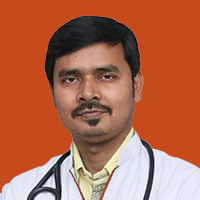
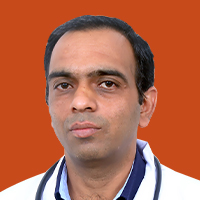
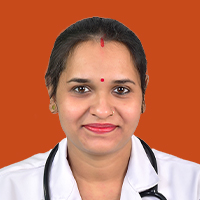
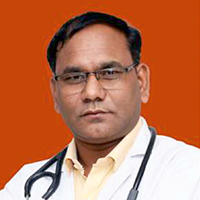
Consult Experienced Ayurveda Doctors for Avn-avascular-necrosis










Our Happy Patients
-
 Sunita Malik - Knee Pain
 -
 Abhishek Mal - Diabetes
 -
 Vidit Aggarwal - Psoriasis
 -
 Shanti - Sleeping Disorder
 -
 Ranjana - Arthritis
 -
 Jyoti - Migraine
 -
 Renu Lamba - Diabetes
 -
 Kamla Singh - Bulging Disc
 -
 Rajesh Kumar - Psoriasis
 -
 Dhruv Dutta - Diabetes
 -
 Atharva - Respiratory Disease
 -
 Amey - Skin Problem
 -
 Asha - Joint Problem
 -
 Sanjeeta - Joint Pain
 -
 A B Mukherjee - Acidity
 -
 Deepak Sharma - Lower Back Pain
 -
 Vyjayanti - Pcod
 -
 Sunil Singh - Thyroid
 -
 Sarla Gupta - Post Surgery Challenges
 -
 Syed Masood Ahmed - Osteoarthritis & Bp
Diagnostic Marker
Blogs
- एवीएन (Avascular Necrosis) का आयुर्वेदिक इलाज – दर्द और सूजन से प्राकृतिक राहत
- जोड़ों का हल्का दर्द नज़रअंदाज़ किया? 2 साल में यह बन सकता है AVN
- Avascular Necrosis (AVN) — Hip Replacement से पहले आयुर्वेद आज़माना चाहिए?
- Alcohol से AVN — कितनी पीने पर खतरा? सच्चाई जानिए
- Avascular Necrosis Hip में — Hip Replacement से पहले आयुर्वेद का असली रोल
- Femoral Head AVN — Cycling, Swimming Safe हैं?
- AVN Stage 1, 2, 3 - कौन से Stage तक आयुर्वेद से Reversible है?
- Steroids की दवा से Hip का Bone मरने लगा - Recovery संभव है?
Home Remedies
Related Disease
- Ayurvedic Treatment for Ankylosing Spondylitis: Pain, Symptoms, Causes & Care
- Ayurvedic Treatment for Cervical Spondylosis: Neck Pain, Stiffness & Management
- Ayurvedic Treatment for Arthritis: Joint Pain Relief & Long-Term Management
- Ayurvedic Treatment for Osteoarthritis: Knee Pain, Symptoms and Management
- Ayurvedic Treatment for Gout: Uric Acid, Joint Pain & Flare-Up Management
- Ayurvedic Treatment for Sciatica: Managing Nerve Pain & Leg Discomfort
- Ayurvedic Treatment for Rheumatoid Arthritis: Joint Swelling, Symptoms & Care
- Ayurvedic Treatment for Frozen Shoulder: Pain, Symptoms, Causes & Care
- Ayurvedic Treatment for Deep Vein Thrombosis (DVT): Leg Swelling, Risks and Treatment
- Ayurvedic Treatment for Achilles Tendon Disorders: Pain, Symptoms, Causes & Care
- Ayurvedic Treatment for Rickets: Symptoms, Causes & Management
- Ayurvedic Treatment for Ganglion Cyst: Symptoms, Causes & Management
- Ayurvedic Treatment for Osteoporosis: Pain, Symptoms, Causes & Care
- Ayurvedic Treatment for AVN Avascular Necrosis: Pain, Symptoms, Causes & Care
- Ayurvedic Treatment for Osteomyelitis: Symptoms, Causes & Care Options
- Ayurvedic Treatment for Cerebral Palsy: Symptoms, Causes & Supportive Care
Latest Blogs
- Late Dinner Plus Poor Sleep: Why Ayurveda Looks At The Pattern, Not One Habit
- परिवार के साथ बैठकर खाना खाने से Portion और Eating Speed पर क्या फर्क पड़ सकता है?
- कब्ज़ में इंडियन-स्टाइल टॉयलेट बेहतर है? टॉयलेट पोस्चर के बारे में क्या पता है
- दूध, दही और लस्सी से IBS के लक्षण कब बढ़ सकते हैं?
- कभी कब्ज़, कभी दस्त? बार-बार बदलती पेट की आदतों को कैसे समझें
- क्या आयरन, कैल्शियम या कुछ दवाओं से कब्ज़ हो सकती है? डॉक्टर से कब बात करें
- पीरियड्स के दौरान IBS के लक्षण कुछ लोगों में क्यों बढ़ सकते हैं?
- व्रत या उपवास में कब्ज़ बढ़ जाती है? नवरात्रि में किन बातों का ध्यान रखें
- सफ़र में कब्ज़ क्यों हो जाती है? यात्रा से पहले क्या तैयारी करें
- खूब पानी पीने के बाद भी कब्ज़ क्यों बनी रह सकती है?
- बुज़ुर्ग माता-पिता को कब्ज़ रहती है? परिवार किन बातों का ध्यान रखे
- क्या खूनी बवासीर में ऑपरेशन ही एकमात्र विकल्प है? इलाज के विकल्प समझें
- शौच में खून देखकर घबरा गए? जानिए पहले क्या समझें और क्या करें
- रोटी, चावल और दही: कब्ज़ होने पर खाने में क्या बदलाव मदद कर सकते हैं?
- रोज़ बाइक से ऑफिस जाते हैं और बवासीर की सूजन परेशान करती है? जानिए सफ़र का असर
- IBS में दवा से राहत मिलने के बाद भी लक्षण दोबारा क्यों हो सकते हैं?
- IBS में कौन-सा खाना परेशानी बढ़ाता है? फ़ूड डायरी कैसे मदद कर सकती है
- मानसून में पेट की परेशानी बढ़ती लगती है? IBS और मौसम के संबंध को समझें
- बवासीर में सिट्ज़ बाथ कैसे करें? फायदे, सावधानियाँ और कब बचें
- बवासीर के मस्से बाहर निकलते हैं? ग्रेड 1 से 4 का मतलब समझें
Ayurvedic Doctor In Top Cities
- Ayurvedic Doctors in Bangalore
- Ayurvedic Doctors in Pune
- Ayurvedic Doctors in Delhi
- Ayurvedic Doctors in Hyderabad
- Ayurvedic Doctors in Indore
- Ayurvedic Doctors in Mumbai
- Ayurvedic Doctors in Lucknow
- Ayurvedic Doctors in Kolkata
- Ayurvedic Doctors in Patna
- Ayurvedic Doctors in Vadodara
- Ayurvedic Doctors in Ahmedabad
- Ayurvedic Doctors in Chandigarh
- Ayurvedic Doctors in Gurugaon
- Ayurvedic Doctors in Jaipur
- Ayurvedic Doctors in Kanpur
- Ayurvedic Doctors in Noida
- Ayurvedic Doctors in Ranchi
- Ayurvedic Doctors in Bhopal
- Ayurvedic Doctors in Ludhiana
- Ayurvedic Doctors in Dehradun