 Published on
19 Mar, 2026
Published on
19 Mar, 2026 Updated on 25 May, 2026
 5212
5212Morning Joint Stiffness That Lasts 30 Minutes: What Is Your Body Telling You?
Waking up in the morning with stiff and tight joints in your knees, fingers, shoulders, and ankles is quite common. This is called morning joint stiffness. This problem generally lasts for around 20-30 minutes and gradually goes away as you start your day.
This occurs because your body remains stationary for around 6-7 hours at night while you are sleeping. As you get up and start your day, your joints become loose. However, this problem may occur more frequently if you are living a sedentary lifestyle, are sitting for long periods, are eating unhealthy foods, and are stressed. Although this is normal, frequent discomfort in your joints may be a sign that your joints are in need of more care and attention.
Symptoms of Morning Joint Stiffness
Morning joint stiffness is unique for everyone, and its signs and symptoms vary from one person to another. However, there are some common signs and symptoms associated with morning joint stiffness, and they usually go away as the body starts moving. Some of the possible signs and symptoms of morning joint stiffness are as follows:
- Stiffness in the knees, fingers, hips, shoulders, and ankles
- Difficulty in moving the joints, such as bending and straightening
- Pain and discomfort in the morning
- A feeling of tightness in the joints
- Some swelling and tenderness in the joints
- Less flexibility when waking up in the morning
- Fatigue and weight in the joints in the morning
Possible Causes of Morning Joint Stiffness
Morning joint stiffness can occur as a result of a variety of causes. It is important to consider the possible causes from a contemporary medical perspective as well as the possible causes from an Ayurvedic perspective in order to obtain a more thorough understanding of the problem.
Modern Causes
There are a variety of possible causes of morning joint stiffness from a contemporary medical perspective.
- Lack of Physical Activity
A lack of exercise and a lack of physical activity can cause a reduction in the flexibility of the joints in the body.
- Aging and Natural Wear
As people get older, the cartilage in the joints of the body can wear away.
If a person is sleeping in an awkward position, it can cause joint pain in the morning.
- Inflammation in the Joints
Inflammation in the joints can cause morning joint pain.
- Diet and Hydration
A diet consisting of too many processed foods and too many sugars and fats can cause inflammation in the body.
- Stress and Muscle Tension
Stress can cause muscle tension in the body, which can cause morning joint pain.
Pitta Aggravation
Pitta dosha aggravation can cause an increase in heat in the body, thereby causing discomfort, pain, and stiffness in the joints. Possible factors that may aggravate Pitta dosha:
- Too much intake of spicy or fried foods
- Too much stress in life
- Too much exposure to heat
- Poor digestion
- Inflammation in the body, caused by an imbalance in the Pitta dosha, may lead to stiffness in the joints.
Kapha Accumulation
Kapha dosha is linked to structure and stability in the body. Kapha accumulation may cause stiffness in the joints. Possible factors that may cause Kapha imbalance:
- No exercise
- Too much intake of heavy or oily foods
- Too much sleep
- Slow metabolism
Kapha imbalance may cause a feeling of stiffness in the joints in the morning.
Why Understanding the Cause is Important
Although stiffness in the morning is not a serious condition, stiffness in the joints that lasts for 30 minutes or more may be a message from the body that it needs better support. By understanding the causes, both modern and Ayurvedic, it is possible to take the required steps to ensure healthy and flexible joints in the body.
Ayurvedic Perspective on Morning Joint Stiffness
Ayurveda considers that when there is morning joint stiffness, it is an indication that the body’s natural balance has been disrupted. This disruption can be related to the doshas, digestive strength (Agni), and the accumulation of toxins (Ama). Therefore, it is essential to understand these terms and how they can be addressed using natural methods.
Dosha Involvement
Ayurveda states that the doshas, which include Vata, Pitta, and Kapha, have a significant bearing on the health of the joints.
Vata Dosha (Primary Role)
Vata is the dosha that is responsible for the movement and circulation of blood and nerves in the body. The disruption of the Vata dosha can cause dryness in the body’s joints and a lack of sufficient lubrication. This can cause joint pain and discomfort, especially after sleeping. The common reasons that can disrupt the Vata dosha include:
- Irregular consumption of food
- Poor sleep
- Too much traveling
- Consumption of dry and cold food items
Kapha Dosha
Kapha is said to be responsible for the structure and stability of the human body. When Kapha is accumulated in excess in the body, it may cause the following:
- Heavy sensations in the body
- Sluggishness in the blood
- Stiffness in the joints, especially during the early hours of the morning when Kapha is predominant.
Pitta Dosha
Although not directly related to joint stiffness, Pitta can cause pain and inflammation in the joints.
Agni Imbalance
Agni is the term used in Ayurveda to refer to the digestive fire that is responsible for the digestion of food and the transformation of the digested food into energy. Some of the factors that may cause poor digestion include:
- Heavy foods
- Overeating
- Irregular meals
- Stress or lack of physical activity
When the digestive system is not functioning as it should, the body may not be able to nourish the bones and the joints adequately. This may cause joint stiffness.
Ama Accumulation
Another term used in Ayurveda is Ama, which refers to the toxic wastes that result from poor digestion. Some of the factors that may cause Ama accumulation in the body include:
- Weak digestion
- Heavy foods
- Lack of physical activity
However, over time, Ama can spread throughout the body, settling in places where it might do the most harm, such as the joints, which could then manifest as:
- Stiffness of the joint
- Swelling of the joint
- Pain/heaviness in the joint
- Decreased ability to move the joint
As a result, Ayurveda works on the digestive system to rid the body of Ama, creating a much healthier joint.
Ayurvedic Treatment Approach
Ayurvedic medicine takes a holistic approach to healing the joints, not just treating the symptoms but also addressing the problem, which might manifest as a result of an imbalance in the body.
Herbs Commonly Used in Ayurveda
There are several herbs used in Ayurvedic medicine to heal the joints, creating a balance in the body.
Ashwagandha is used because of its ability to strengthen the body, creating a rejuvenating effect, which might improve energy levels, increase muscle power, and reduce stress, which might affect the joints.
Triphala is a combination of three different herbs used to heal the digestive system, which might help rid the body of Ama, creating a much healthier joint.
- Neem
Neem is recognized for its cleansing and purifying properties. It can help the body’s natural detox processes and maintain the body’s balance.
- Turmeric
Turmeric is recognized for its anti-inflammatory properties. It is used in Ayurveda to maintain joint comfort and overall well-being.
Panchakarma Therapies
Ayurveda has the following Panchakarma therapies:
- Virechana (Therapeutic Purgation): Virechana is a therapy aimed at purging the body of excess toxins. It is used when there is a Pitta imbalance.
- Basti (Medicated Enema Therapy): Basti is recognized as one of the best Ayurvedic therapies for maintaining the balance of the Vata dosha. It is used to nourish the tissues and the joints.
- Abhyanga (Ayurvedic Oil Massage): Abhyanga is a warm herbal oil massage applied to the body. It can help maintain the body’s lubrication in the joints.
Ayurvedic Medicines
Ayurvedic medicine is commonly used to promote flexibility in joints and maintain healthy mobility in joints. These medications are composed of a mixture of herbs that are capable of working in harmony to promote healthy digestion, reduce toxins in the body, and promote healthy joints. The possible advantages of using Ayurvedic medicines include:
- Promoting healthy lubrication in joints
- Assisting in maintaining healthy inflammation
- Improving digestive and metabolic health
- Strengthening muscles and connective tissues
Ayurvedic medicine should be taken under the guidance of a qualified practitioner to avoid any adverse effects.
Diet Recommendations for Joint Health
The role of diet in Ayurveda is significant as it directly affects the digestion, energy, and nourishment of the body. A balanced diet is recommended to maintain healthy joints and reduce morning stiffness.
Foods to Eat
Ayurveda recommends the consumption of food that is warm, nourishing, and easy to digest to maintain healthy joints. Some of the food items that can be consumed to maintain healthy joints include:
- Warm soups and broths that help in digestion and hydration
- Ghee is helpful in the lubrication of the tissues and balancing Vata
- Fresh fruits, especially seasonal fruits
- Rice, oats, and wheat that belong to the cereal family
- Cooked vegetables that are easy to digest
- Nuts and seeds in moderate amounts
- Herbs and spices like turmeric, ginger, and cumin
Foods to Avoid
In Ayurvedic medicine, some foods are known to cause or increase stiffness in the joints by affecting digestion, causing inflammation, or imbalancing Vata and Kapha doshas in the body. Avoiding or limiting intake of such foods can be helpful in alleviating the discomfort and increasing flexibility in the joints. Some foods to limit or avoid include:
- Processed foods such as snacks, fast food, and ready-to-eat meals, which are known to cause inflammation in the body
- Too much caffeine in the form of coffee, energy drinks, or tea, which may cause dehydration and imbalance of Vata in the body
- Cold foods and drinks, such as refrigerated drinks, ice cream, and salads, are known to cause weakness in digestion and stiffness in the body
- Fried foods, which are known to slow down digestion
- Too much sugar in the diet, which may cause inflammation in the body
Lifestyle & Yoga for Morning Joint Stiffness
Ayurveda states that our lifestyle has a significant influence on the health and wellness of our joints. Making some changes in our lifestyle, along with some yoga and breathing techniques, can be beneficial.
Some Yoga that can be Helpful
- Cat-Cow Stretch: This pose can be helpful in making the spine flexible and loosening the joints.
- Child’s Pose (Balasana): This pose can help relieve the problem of joint stiffness.
- Bhujangasana (Cobra Pose): This pose can be helpful in strengthening the back and improving the circulation of blood.
- Tadasana (Mountain Pose): This pose can be helpful in maintaining the posture.
- Seated Forward Bend: This pose can be helpful in stretching the muscles.
By performing these yoga poses regularly, the problem of joint flexibility can be reduced.
Pranayama (Breathing Techniques)
Breathing exercises are known to calm the nervous system and increase oxygen supply to the tissues. Some effective breathing exercises are:
- Anulom Vilom – It helps maintain harmony in the body and improves the blood circulation system.
- Deep Diaphragmatic Breathing – It helps in reducing stress and tension in the muscles.
- Bhramari (Humming Breath) – It calms the mind and improves overall well-being.
- Healthy Sleep Routine
- Sleep is an essential factor in the healing and recovery of joints and the overall well-being of the human body.
Some effective tips for a healthy sleep routine are:
- Establish a routine sleep schedule.
- Ensure the mattress and pillow are comfortable and supportive.
- Avoid the intake of heavy meals and caffeine before bedtime.
- Establish a relaxing sleep routine.
- Stress Management
- High stress levels are known to cause tension in the muscles and inflammation in the body.
Some effective tips for managing stress are:
- Practice meditation and mindfulness.
- Spend time in nature.
- Engage in physical activities.
- Maintain a healthy work-life balance.
Relieving stress has a significant impact on the comfort and well-being of the joints and the overall health of the human body.
Home Remedies for Morning Joint Stiffness
Several home remedies can be employed to support joint comfort and alleviate morning joint stiffness. These home remedies are commonly used in traditional wellness and may be beneficial in promoting circulation and digestion.
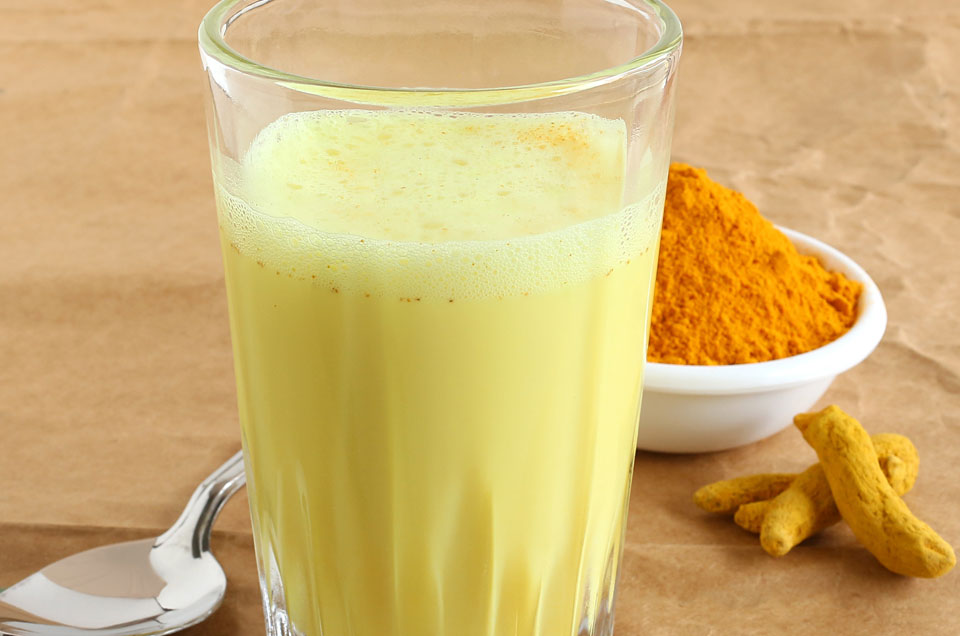
- Turmeric Milk
Turmeric milk, also known as golden milk, is a home remedy that can be beneficial in supporting joint health. Benefits may include:
- Supporting the body’s natural inflammatory response
- Promoting relaxation before sleep
- Supporting the body’s natural joint comfort
- Ginger Tea
Ginger has natural warming properties that can be beneficial in promoting digestion and circulation. Consuming ginger tea in the morning can be beneficial in:
- Alleviating body stiffness
- Boosting the body’s metabolic rate
- Promoting digestion
- Herbal Decoctions
Ayurvedic herbal decoctions prepared with ingredients such as ginger, cumin, coriander, and fenugreek seeds can be beneficial in promoting digestion and eliminating toxins from the body. Ayurvedic herbal drinks can be used to:
- Promote detoxification
- Promote circulation
- Promote joint flexibility
When to Consult a Doctor
Morning stiffness in one’s joints is usually not a cause for alarm and can occur as one ages. However, it is always advisable to seek medical attention if one identifies certain signs in their body. If you notice the following signs, it is advisable to seek medical attention:
- Severe pain in your joints
- Prolonged morning stiffness, lasting more than one hour
- Swelling and redness in your joints
- Difficulty in performing daily activities
- Loss of joint mobility
- Prolonged morning stiffness for more than two weeks
FAQ’s
- Can Ayurveda help in reducing morning joint stiffness?
Ayurveda aims at balancing the body’s doshas, improving digestion, and eliminating toxins from the body. Ayurveda may be of help in reducing joint stiffness.
- What is the duration of Ayurvedic treatment to show results?
The duration of treatment may vary depending on the severity of the condition, lifestyle, and overall health of the individual.
- Is Panchakarma treatment essential for joint stiffness?
Panchakarma treatment may not be essential in all cases of joint stiffness, but in some cases of toxin buildup in the body, it may be beneficial.
- Can diet really influence joint stiffness?
Yes, diet plays a vital role in maintaining healthy joints in Ayurveda.
- Does exercise really help in reducing morning joint stiffness?
Yes, regular exercise may help in reducing morning joint stiffness.
- Is morning stiffness normal with aging?
Mild stiffness may occur as part of natural aging because joints gradually lose flexibility. However, persistent stiffness or severe pain should be evaluated by a healthcare professional.
- Can dehydration cause joint stiffness?
Yes. Proper hydration helps maintain lubrication in the joints. Drinking enough water throughout the day supports joint flexibility and overall health.