Diabetes, arthritis, skin disorders & more! Get a free consultation with Top Ayurveda doctors - +91 9266714040 | No travel, No waiting – Consult Jiva’s doctors from home via video call! | Get up to 10% OFF! On Authentic Ayurveda Products! Best Prices only on the brand store. Visit : www.store.jiva.com
Migraine attacks can happen for different reasons, and sometimes it is difficult to understand what brings them on. Changes in sleep cycles, unhealthy eating habits, stress, hormonal fluctuations, or certain environmental factors may play an important role. Keeping a headache diary can help you notice these patterns over time. It gives a clear picture of your migraine condition and helps the doctor understand the pattern and plan suitable treatment.
Triggers Versus Causes
Migraine is a neurological condition. Genetic and biological factors are the causes that make someone prone to migraine, but triggers are different. They are the factors that may bring on an attack in someone who already experiences migraine. In simple terms, triggers are the external or internal reasons that increase the risk of migraine attack.
For example, skipping a meal, poor sleep, hormonal changes, or exposure to bright lights may trigger an episode. However, these factors do not necessarily cause migraine itself, and the same trigger may affect one person but not another. Understanding these differences can help you identify personal patterns without disturbing your daily activities.
Sleep Changes
Changes in sleep, including irregular sleep, sleep deprivation, interrupted sleep, and oversleeping, can trigger migraine attacks or make ongoing attacks even worse. Staying up late, getting too little sleep, or sleeping longer than usual may affect headache frequency.
Tips To Manage Sleep-Related Triggers:
Follow a consistent sleep and wake-up schedule, even on weekends.
Reduce screen time before bedtime.
Reduce caffeine intake, including caffeinated beverages and coffee, especially at night.
Avoid alcohol and fermented foods.
Notice repeated patterns and sleep changes linked with headaches.
Stress And Let-Down
Stress is a common migraine trigger, but it does not always happen when stress levels are at their highest. Some people experience an attack after a stressful period, such as during a weekend holiday or break after a busy week. This is known as a let-down headache and may be linked to changes in the body's stress response.
Sleep deprivation, anxiety, excess caffeine, high protein, unhealthy eating habits, menstruation, dehydration, and sensory factors such as bright lights and strong smells can add to the stress and let-down phase and can worsen the migraine attacks.
Tips To Manage Stress And The Let-Down Phase:
Take short breaks during busy or stressful days
Maintain regular meal and sleep timings even during holidays
Try gentle exercises, breathing exercises, or other relaxing activity
Record stressful events and have them in your diary to identify possible patterns
Avoid blaming yourself for migraine attacks, as stress is not the only one of several possible triggers.
Skipped Meals And Dehydration
Going a long time without eating or drinking enough water can trigger migraine attacks, and some people skipping breakfast, skipping lunch, or having an irregular meal routine can affect blood sugar levels and contribute to headaches. Dehydration can also cause symptoms, especially during hot weather or after sweating
What May Help:
Eat meals at regular times and avoid long gaps between meals.
Carry a little snack when you know you will be out for several hours.
Include nuts, walnuts, cashews, peanuts, almonds, sunflower seeds, and salads during long gaps between meals.
Drink water regularly throughout the day, especially in hot weather.
Increase fluid intake, especially when you sweat more than usual.
Record missed meals and fluid intake patterns in your diary to identify possible links.
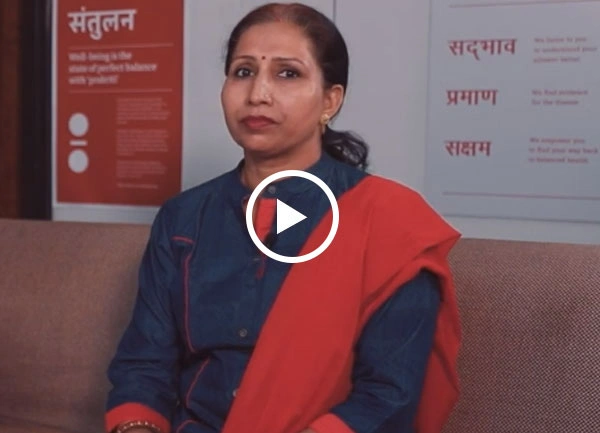
I was suffering from migraine for a long time. My headache wouldn't go away. I consulted many doctors and took a lot of allopathic medicine but got no benefit. Then one of my relatives was getting treatment at Jiva Lajpat Nagar and recommended I try Jiva once.
Then I went there and met Dr. Sarika Rawat. She listened to my problem very carefully and gave me medicine. After about 1 month I started feeling better.
I got a lot of relief. Now I am mostly fine. And I want to say thanks to Jiva Lajpat.
Again, thank you Jiva Lajpat Nagar
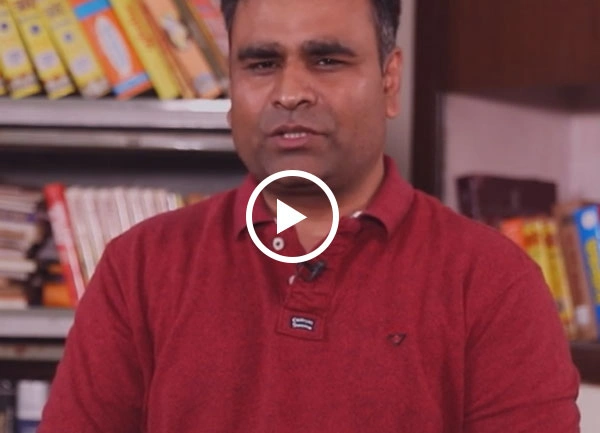
visited the clinic for my migraine treatment and had a very good experience with Dr. Sikandar. He listened to my problem carefully and explained the treatment very well.
Special thanks to Manoj at the reception for his excellent support. He was very polite, helpful, and managed everything smoothly. Because of his guidance, the whole process became very easy and comfortable.
Highly recommended!
My experience with Jiva Ayurveda is very good.
I have sever headache all the time .
I take panchkarma treatment from there.
After taking this.I got a lot of relief.
Dr. Neetu Sharma is too good . She listen your problems very carefully and suggest you a good advice and medicines And the panchkarma treatment given by Therapist Rajji Mam is very satisfying and effective.She is well trained and humble.
Food And Alcohol Patterns
Certain foods and drinks can trigger migraine attacks in some people, but there is no single food that affects everyone. Processed foods, cheese, drinks containing MSG, and caffeine are reported to trigger migraines. However, the evidence varies from person to person. Excess alcohol consumption, especially low-quality wines, may also trigger migraine attacks. Changes in eating patterns and routine can also trigger migraine attacks.
What May Help:
Eat meals regularly and avoid long gaps between them.
Notice patterns if a particular food triggers migraine attacks.
Track coffee, tea, and carbonated drinks intake.
Avoid alcohol if you notice any attacks.
Alternate alcohol with other healthy drinks.
Aim to eat a balanced diet, meaning half a plate of veggies and fruits and the remaining half includes whole grains, healthy proteins, and fats in equal portions.
Hormonal Changes
Some people notice that their migraine attacks follow a pattern around their periods. This may happen because oestrogen levels change during the menstrual cycle. It may occur a few days before bleeding starts or during the first few days of the period. Pregnancy, the time after childbirth, and menopause may change the migraine patterns.
Tips To Manage Hormonal Changes:
Note your period dates and headache days in a diary.
Check whether headaches tend to occur around the same time each month.
Record the severity of the pain and whether the medicines help.
Consult with a doctor if these changes affect your daily activities.
Do not take any supplements, contraceptives, or other medication without consulting your doctor.
Weather, Light, Smell, And Noise
Bright light, loud noises, strong smells, and changes in weather may trigger migraine attacks. These triggers can vary from person to person. Tracking these factors can be helpful in identifying individual patterns.
What May Help:
Wear sunglasses in bright light.
Reduce screen brightness and avoid flickering lights.
Limit exposure to strong perfumes and loud noises.
Use earplugs if needed.
Stay hydrated and note changes in your headache diary.
Screens, Posture And Eye Strain
Spending hours in front of screens, poor posture, and eye strain may trigger headaches or worsen migraine symptoms, and for some people, bright screens and neck tension can add to the discomfort, especially after prolonged computer or phone use.
What May Help:
Take regular breaks from the screen.
Adjust screen brightness and reduce glare.
Keep the screen at a comfortable eye level.
Sit with proper back and back support.
Get your eyes checked if you frequently experience eye strain or blurred vision.
How To Keep A Useful Diary
Keeping a headache diary doesn't have to be complicated; a few notes each day can help you understand when your migraine occurs and what might be linked to it. Over time, these details can help your doctor understand whether your treatment is working.
Note The Headache: Record when it starts, how long it lasts, and how severe it feels.
Describe Your Symptoms: Mention nausea, dizziness, sensitivity to bright light, smell, or sound, or other symptoms you may feel.
Track Your Routine: Note your sleep, eating patterns, water intake, and stress levels.
Record Possible Triggers: Include weather changes, screen time, or hormonal changes.
Note Your Medications: Write what you take, whether it helped, or any changes in medications.
Change One Factor At A Time
If you notice a particular habit is contributing to migraine attacks. Try to change one thing at a time rather than focusing on many things at a single time. For example, if you are thinking that irregular sleep is contributing to frequent migraine attacks, follow a consistent sleep schedule while keeping your other routine as stable as possible. This makes it easier to notice whether the change helps. Migraine patterns can vary from person to person, so give yourself proper time to evaluate how your body responds. Changing one factor at a time is safe and more effective.
Other Factors You Should Remember:
Caffeine Excess Or Withdrawal
Drinking a lot of caffeine or suddenly cutting back on tea, coffee, or carbonated drinks may trigger migraine attacks. Consuming more than 200 to 400 mg of caffeine daily can narrow brain blood vessels and increase central nervous system excitability. Excess caffeine intake can trigger or worsen migraine attacks, while abrupt withdrawal can cause severe, troubling head pain. Record how much caffeine you consume in a single day and gradually reduce intake rather than stopping suddenly.
Exercise
Regular exercise can help with migraine management, but sudden intense workouts can trigger migraine attacks in some people. Dehydration, overheating, or exercising without eating enough may also contribute to migraine attacks. Noting the type, duration, and intensity of exercise, along with any symptoms that follow it, may help reduce the risk of migraine attacks.
Travel
Travel can bring several changes at once, including disturbed sleep, delayed meals, dehydration, motion sickness, pressure, altitude, and weather changes. Always carry prescribed medicine with you, wear comfortable gear, bring a reusable water bottle, and plan ahead to help you travel comfortably. If you experience an attack during or after a trip, record these details and consult a specialised doctor for better management.
Over-Restrictive Diets
Skipping meals, fasting for long periods, or cutting out several food groups may leave you short of energy and nutrients and can contribute to headaches. It is best to avoid eliminating food at once or just before migraine triggers. Maintain balanced meals, stay hydrated, and discuss major dietary changes with a healthcare professional.
Trigger Stacking
Sometimes a migraine attack may happen when several contributing factors come together. For example, sleeping poorly, missing breakfast, drinking less water, and dealing with stress on the same day may increase the likelihood of an attack. This is often called trigger stacking. Recording the combination of factors rather than a single one of them as solely responsible can help you find out better treatment.
Try keeping a headache diary for a few weeks. Include headache days with headache-free days.
No, avoiding every commonly reported trigger is unnecessary. Track your food habits and look for consistent patterns before making dietary changes.
Only intense workouts may trigger migraine attacks, particularly when combined with dehydration, overheating, or missed meals. Gradual exercise and adequate hydration may help overall health.
Yes, excess caffeine can trigger headaches in some people, while suddenly reducing or stopping it can help in the short term only and can cause withdrawal headaches. Therefore, gradually reducing intake may help.
Find Jiva Ayurveda Clinics for Migraine Treatment Near You

 Published on 26 Oct, 2026
 Updated on 26 Oct, 2026