 Published on
20 Mar, 2026
Published on
20 Mar, 2026 Updated on 25 May, 2026
 5195
5195Migraines extend beyond single episodes of head pain because they represent complete body neurological episodes that typically affect the entire digestive system. The sudden onset of nausea and vomiting is often just as debilitating as the throbbing itself because it indicates a deep internal imbalance. The first step toward achieving permanent relief and physical equilibrium involves understanding the biological connection between these digestive disturbances and their impact on the brain.
What is a Migraine?
Migraine is a neurological disorder that is much more complex than an ordinary headache, with the pain being severe, throbbing, or pulsating, and almost always on one side of the head, accompanied by nausea and sensitivity to sound or light. As the migraines manifest in the body, the systemic nature of the migraines makes it necessary that they be addressed in a much more focused way than tension-type headaches.
Understanding the Migraine–Gut Connection
The connection between your brain and your digestive system exists because their physical and chemical connections create an advanced system for sending messages.
The brain and gut maintain continuous communication through the brain-gut axis, which operates as a two-way street. The system establishes a balance between mental conditions and digestive processes. Migraines interfere with the brain-gut pathway, which leads to signal disturbances that make the brain mistake digestive conditions and produce nausea symptoms.
Why Nausea and Vomiting Occur During Migraines
During an attack, specific brain regions responsible for nausea become hyperactive, while gastric emptying (the speed at which food leaves the stomach) significantly slows down.
- Gastric Stasis: The stomach becomes "unsettled" as food sits idle, leading to intense queasiness.
- The Purge Response: The body uses vomiting as a defense mechanism, which happens when people experience internal discomfort and their digestive system becomes inactive.
Signs and Symptoms of Migraine with Nausea
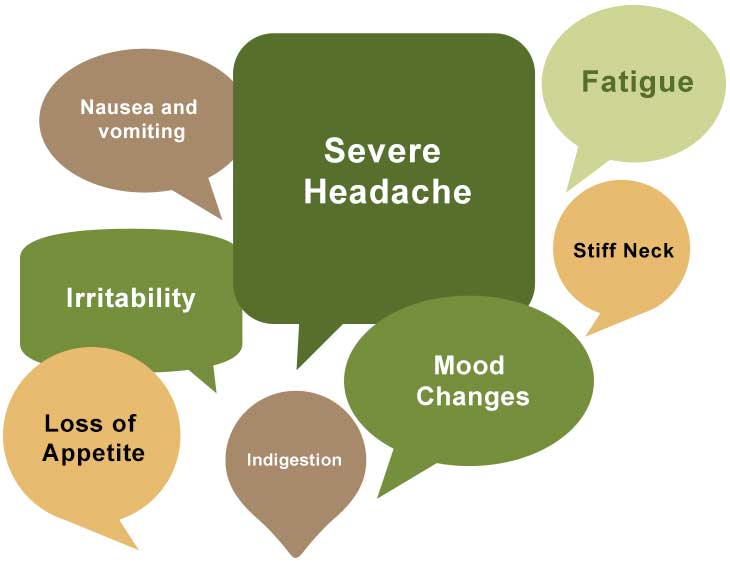
When a migraine involves the digestive system, the symptoms often extend beyond typical head pain. This combination, sometimes called a "gastric migraine," follows a specific pattern of sensory and physical distress.
- Prodrome Queasiness: Many experience a "premonition" of nausea or a sudden loss of appetite hours before the actual throbbing begins.
- Intense Photophobia & Phonophobia: The human brain links two separate functions that make nausea occur through light and sound disturbances that reach their highest effect during vomiting episodes.
- Gastric Stasis (Bloating): A person experiences upper abdominal discomfort through a sensation of stomach fullness, which makes the stomach cease its food movement.
- Pulsating Hemicrania: A person experiences sharp, rhythmic pain that usually affects one side of the head. The pain becomes worse with each succeeding moment of nausea.
- Autonomic Symptoms: The body prepares to vomit through three physical signs, which include pale skin, cold sweats, and increased salivation.
- Postdrome Exhaustion: The body enters a state of "migraine hangover," which combines extreme fatigue with stomach sensitivity after the vomiting and pain have ended.
Causes of Nausea and Vomiting in Migraine
The migraine state activates brain distress signals, which create temporary digestive shutdowns in your system. Here is why your stomach feels rebellious:
- Digestion Stops (Gastric Stasis): The rhythmic movement of your stomach muscles slows down or stops. The stomach retains food, which results in a feeling of heaviness and nausea.
- The "Vomiting Center" Wakes Up: A specific part of your brain (the area postrema) acts as a sensor for neurological distress. The brain area becomes exceptionally sensitive to migraine pain, which leads to vomiting.
- The Vagus Nerve "Highway": The Vagus nerve functions as the primary nerve that connects your brain with your gut, which experiences excessive stimulation. The nerve pathway transmits head pain signals from the brain directly to the abdominal region.
- Chemical Messengers (Serotonin): The same chemicals that cause blood vessels in your head to throb also exist in your gut. The stomach will experience cramps or nausea when these levels drop or rise.
- Sensory Overload: The brain operates in emergency mode, which causes it to view all body movements and food smells as dangerous.
Risk Factors for Migraine with Nausea
People experience particular types of headaches together with stomach problems because of their biological traits and environmental conditions.
- Genetic Predisposition: The tendency of migraines to occur within families indicates that people inherit part of their brain sensitivity, which controls vomiting and pain response mechanisms.
- Stress and Mental Strain: The nervous system remains in a constant state of "high alert" because of ongoing stress, which makes it easier for neurological and gastric systems to create false signals.
- Hormonal Changes: Estrogen and progesterone levels change during the menstrual cycle and pregnancy, which causes direct alterations to serotonin production that controls both headaches and digestion.
Complications of Untreated Migraine
Health problems develop when people avoid treating their frequent migraines because they only address pain while leaving nausea untreated.
- Chronic Migraine Development: The brain undergoes "rewiring" when people experience repetitive migraine episodes, which results in heightened sensitivity that produces more severe migraine symptoms.
- Dehydration and Nutritional Issues: People who experience constant vomiting cannot absorb nutrients because their body loses vital electrolytes through the vomiting process.
- Impact on Daily Life: People who experience persistent nausea develop "anticipatory anxiety" because they fear upcoming attacks, which leads them to avoid social interactions and work less productively and suffer from worsening mental health.
Diagnosis: Modern Vs Ayurvedic Approaches
Even though the end result of the diagnosis is pain relief, the way each system goes about diagnosing the cause of the pain is very different.
Modern Diagnosis: The system uses pain patterns along with neurological tests to accomplish its goals. The system uses MRIs and CT scans as diagnostic tools to identify other potential medical conditions.
Ayurvedic Diagnosis: The ancient system of medicine adopts a root-cause approach for treatment by trying to discover the main reason for patients' pain. The system uses the Pulse (Nadi) test to evaluate body energy levels, the Digestion (Agni) test to assess toxic substance buildup in the body, and the Dosha test to determine the origin of the pain.
Ayurvedic Understanding Of Why Migraine Causes Nausea & Vomiting
In Ayurveda, nausea and vomiting during a migraine are seen as a direct result of internal imbalance rather than isolated symptoms. Vata and Pitta disturbances, together with Ama toxin buildup from poor digestion, serve as the main factors that cause this condition.
- Pitta Aggravation: Excess Pitta in the stomach increases heat and acidity, which results in irritation of the digestive system and the development of nausea.
- Vata Disturbance: Vata governs body movement, and it can disrupt the regular digestion process by reversing the downward flow of digestion (Apana Vata), which leads to stomach contents being pushed upward and triggering vomiting.
- Ama Formation: The weak Agni (digestive fire) leads to the production of undigested metabolic waste, which is referred to as Ama. The toxic material accumulation produces stomach and head irritation, which worsens migraine symptoms.
The body uses vomiting as a natural defense mechanism to eliminate excess Pitta and Ama, which provides short-term relief from pain. Ayurveda considers nausea and vomiting during migraine attacks as symptoms that stem from underlying digestive and doshic disturbances that link the nervous and digestive systems.
Jiva Ayurveda Approach to Treat Migraine with Nausea and Vomiting
Wholesome treatments for migraine (Ardhavabhedaka) at Jiva Ayurveda focus on treating symptoms and curing the fundamental problems, which include dosha disturbance, digestive weakness, and toxin buildup. The treatment combines personalized herbal medicines with dietary guidance, lifestyle adjustments, and detoxification therapies.
1. Balancing Doshas:
- The treatment helps calm Vata, which reduces both nerve sensitivity and throbbing pain.
- The treatment uses Pitta pacification to stop all symptoms, which create nausea and vomiting through excessive body heat, stomach acids, and inflammation.
2. Strengthening Agni (Digestive Fire):
- Herbal formulations improve digestion, and they stop the formation of Ama (toxins).
- The medication reduces all headache symptoms, and it decreases digestive problems.
3. Detoxification (Shodhana):
- Mild Panchakarma therapies such as Nasya (nasal medication) and Virechana (therapeutic purgation) to remove extra Pitta and Ama from the body.
- The detoxification process removes all obstructions inside channels (Srotas), which results in permanent relief.
4. Dietary Guidance:
- Patients need to consume meals that have light, warm, and easy-to-digest properties.
- The diet excludes foods that increase Pitta and Vata because those foods include spicy, oily, and processed items.
5. Lifestyle Modifications:
- The program requires people to maintain regular sleep and use stress management methods, and they must follow their daily schedule (Dinacharya).
- The body uses gentle yoga together with meditation and breathing exercises to achieve relaxation, which stops all triggering events.
6. Herbal Medications:
- Ayurvedic herbs that treat headaches, digestion problems, and nausea.
- The common herbs Brahmi, Shankhpushpi, Ashwagandha, and Guduchi are used to create treatments that match the dosha imbalance of each patient.
Overall, the Jiva Ayurveda approach is personalized, integrative, and preventive, aiming not just to suppress migraine symptoms but to restore digestive balance, detoxify the body, and stabilize nervous system function to prevent recurrence.
Ayurvedic Medicines for Migraine with Nausea
In Ayurveda, medicines act as Medhya Rasayanas, which are nervine tonics that not only mask the pain but also enhance the nervous system's functioning by eliminating "mental toxins" that cause the pain.
- Brahmi: This herb functions as a cooling nervine tonic that brings down mental activity to relieve throbbing migraines through its capacity to reduce mental heat.
- Ashwagandha: The adaptogenic herb functions as a cortisol blocker, which prevents physical fatigue from leading to migraine headaches.
- Jatamansi: The herb acts as a natural sedative on the nervous system to treat migraines, which occur due to emotional stress or insomnia.
- Shankhpushpi: The herb produces mind relaxation effects, which lead to reduced brain blood vessel excitement.
Ayurvedic Therapies for Migraine with Nausea
The treatments in Ayurveda are focused on strengthening the senses as well as soothing the nervous system, with the help of oil therapy, both inside and outside the body.
- Nasya Therapy: In this therapy, oils are inserted into the nasal passages, which helps purify the nasal passages, thus strengthening the sense of smell. This helps the nose not react as much to pungent smells, as well as the proper functioning of all the senses.
- Shirodhara: In this therapy, oil is poured along the third eye, i.e., the forehead, with the help of a constant flow of warm oil, which helps calm the nervous system, as well as the brain, especially when the headaches are chronic, or when they are the result of stress.
- Abhyanga (Oil Massage): In this form of massage, oils are applied over the entire body, which helps center the body, as well as balance Vata, i.e., the air element, which is responsible for the physical tension that may cause the senses to become overly sensitive.
Diet Chart for Smell-Triggered Headaches
| Include | Avoid |
| Fresh, home-cooked food | Processed & packaged food |
| Whole grains (wheat, oats, dalia) | Refined flour (maida), white bread |
| Light dals (moong, masoor) | Heavy dals (rajma, chole) |
| Mild vegetables (lauki, tori, carrot) | Spicy, oily, strong-smelling foods |
| Fruits (apple, papaya, pear) | Overly sour or unripe fruits |
| Herbal drinks, coconut water | Coffee, alcohol, soft drinks |
How We Assess Patients for Migraine with Nausea at Jiva Ayurveda
At Jiva Ayurveda, the approach is simple, personalised, and focused on getting to the root of the problem:
- We begin by understanding your headache pattern-when it happens, how intense it feels, and what smells tend to trigger it.
- We look closely at your sensitivity to different odors, whether it’s perfumes, pollution, or certain foods.
- We review your medical history along with any treatments you’ve already tried.
- We assess your digestion (Agni) and daily diet, since gut health often plays a hidden role.
- We also discuss your stress levels, sleep routine, and lifestyle habits, as these can quietly worsen headaches.
Based on these insights, a customised Ayurvedic treatment plan is created to support long-term relief.
Our Step-by-Step Care Process
At Jiva Ayurveda, every process of the treatment is carried out in an organised and structured manner to give you the best personalised experience of Ayurvedic treatment for thyroid and digestive issues.
1. Share Contact Details: After submitting your details, you can also reach out to us directly at 0129 4264323 to start the consultation process and get your metabolic issues treated.
2. Appointment Confirmation: An appointment with our experienced and well-trained Ayurvedic doctors specialising in thyroid and digestive issues is arranged for you. You can choose to consult with our doctors in the mode that best suits you:
- Clinic: We have over 80 Jiva clinics in different cities, and you can come to the nearest clinic to consult with our doctor face-to-face.
- Video Consultation (Rs. 49): In case you are not able to locate our clinics in your city, you can also consult with our doctor online, which will be available to you at a discounted price of Rs. 49 (regular price: Rs. 299). Simply give us a call at 0129 4264323 to connect with our experts from home itself.
3. Detailed Diagnosis: Our experienced doctor will consult with you to understand your thyroid issues, digestive problems, and “Agni” (metabolic fire) to diagnose the root cause of the problem in your body.
4. Root Cause-Based Treatment Plan: A personalised plan of treatment will be prepared for you with the use of herbal medicines that will stimulate the thyroid and enhance the motility of the gut.
Healing Timeline for Migraine with Nausea and Vomiting
First Few Weeks: In the initial phase, you may notice mild relief from nausea and a slight reduction in vomiting episodes. Headache intensity may also begin to ease, and digestion may start to stabilize.
1–3 Months: With continued Ayurvedic care, nausea and vomiting become much less frequent. Headaches reduce in severity, and your tolerance to dietary and environmental triggers improves. Digestion strengthens, and overall comfort increases.
3–6 Months: Significant relief is experienced. Nausea and vomiting are rare, headaches occur less often, and your body’s internal balance is restored. Energy levels rise, and both the digestive and nervous system resilience improve.
What Results Can You Expect?
Ayurvedic treatment aims at correcting the root cause-dosha imbalance, weak digestion, and Ama (toxins) accumulation, rather than just alleviating symptoms. With consistent care, you can expect:
- Reduced Frequency and Severity of nausea, vomiting, and headaches
- Improved Digestive Health and stronger Agni
- Better Tolerance to Triggers like stress, foods, and environmental factors
- Enhanced Overall Well-being, with a stabilized nervous system and balanced doshas
Patient Experience: Praveen, 69 Years
I am Praveen, 69, and I was suffering from persistent headaches and poor sleep. A friend told me about Jiva Ayurveda, and I decided to explore the Ayurvedic approach.
After joining Jivagram, I experienced personalised care, Panchakarma therapies, and a serene, holistic environment that helped me relax and heal. The combination of therapies, diet guidance, and lifestyle routines not only improved my headaches and sleep but also brought a sense of happiness and overall well-being.
I am grateful to the dedicated team at Jiva, as the entire experience exceeded my expectations and gave me long-term relief and peace of mind.
Estimated Cost of Treatment at Jiva Ayurveda – Migraine with Nausea and Vomiting
Understanding the financial investment required for your health is important. At Jiva Ayurveda, transparency in pricing helps you choose the most suitable treatment plan for your needs.
Treatment Cost
For patients seeking standard, ongoing care for migraine with nausea and vomiting, the monthly cost of medicine and consultation typically ranges from Rs. 3,000 to Rs. 3,500. This is an estimated baseline, and the final cost may vary depending on the severity and individual condition.
Protocol
For a more structured and holistic approach, specialised package protocols are available. These plans focus on both symptom relief and overall lifestyle correction. The package includes:
- Medicine
- Consultation
- Mental well-being sessions
- Yoga and meditation
- Diet guidance
- Therapies
The cost for this protocol involves a one-time payment ranging from Rs. 15,000 to Rs. 40,000, covering a 3 to 4-month treatment duration.
Jivagram
For those who require intensive care, Jivagram centres offer an immersive healing experience in a calm, eco-friendly environment. It includes:
- Authentic Panchakarma therapies
- Sattvic meals
- Modern healing services
- Comfortable accommodation
- Additional wellness facilities
An immersive stay at Jivagram costs approximately Rs. 1 Lakh for 7 days, offering continuous personalised care.
Root Cause-Based Treatment Plan: A personalised plan of treatment will be prepared for you with the use of herbal medicines that will stimulate the thyroid and enhance the motility of the gut.
Why Patients Trust Jiva Ayurveda
Our method is centred around personalised, root cause-based treatment that works to heal the body from the inside out.
- Root Cause-Based Treatment: Our treatment strategy is to treat the root cause of the imbalance, not just the symptoms.
- Customised Care Plans: Our patients receive personalised care plans that are tailored to their individual Prakriti (constitution), diet, and lifestyle.
- Protocol-Based Analysis and Treatment: Our treatment protocols are evidence-based, Ayurvedic approaches to treating hormonal and digestive imbalances.
- Authentic Medicines: Our Ayurvedic medicines are genuine and made in licensed facilities to ensure safety and efficacy.
- Proven Scale & Expertise: Our physicians have seen over 8,000 patients daily and have extensive experience in treating complex chronic diseases.
- High Success Rate: Our patients have seen significant improvements in their health, with over 90% reporting positive changes in their health.
- Reduced Dependency: 88% of our patients can stop or greatly reduce their dependency on conventional medications.
Modern vs Ayurvedic Approach
| Aspect | Modern Approach | Ayurvedic Approach |
| Focus | Symptom relief (headache, nausea, vomiting) | Root-cause correction (dosha imbalance, weak digestion, Ama) |
| Treatment | Painkillers, anti-nausea meds, triptans | Herbal medicines, detox therapies, diet, lifestyle changes, yoga, meditation |
| Onset of Relief | Quick, immediate relief | Gradual, long-term improvement |
| Diagnosis | Neurological exams, imaging, and patient history | Dosha assessment, digestion review, lifestyle analysis |
| Lifestyle Guidance | Limited, mostly trigger avoidance | Comprehensive: daily routine, stress management, sleep, diet |
| Outcome | Reduces pain temporarily, may cause side effects | Reduces recurrence, strengthens digestion, and balances mind and body |
| Scope | Short-term symptom control | Holistic wellness and preventive care |
When to Consult a Doctor
While nausea and vomiting during migraines can often be managed with lifestyle changes and Ayurvedic care, certain signs indicate a need for professional medical evaluation.
- Severe or sudden headaches with intense nausea or repeated vomiting
- Headaches are becoming more frequent or worsening in intensity
- Neurological or visual disturbances such as blurred vision, dizziness, or numbness
- Persistent dehydration, weakness, or inability to keep food and fluids down
- New or unusual triggers causing nausea or vomiting
Conclusion
Migraine with nausea and vomiting can disrupt daily life, but Ayurvedic care, including dietary guidance, lifestyle adjustments, and herbal therapies, targets the root causes, reduces symptoms, and restores balance.
If you are struggling with migraine-related nausea and vomiting, consult certified doctors at Jiva Ayurveda for personalised care and guidance. Call: 0129-4264323.