 Published on
13 Jul, 2026
Published on
13 Jul, 2026 Updated on 13 Jul, 2026
 5078
5078You are wheeled into an operating room. The lights are blindingly bright. The air is filtered, scrubbed, and meticulously temperature-controlled. Everything around you, the stainless steel trays, the surgical drapes, the instruments, is aggressively sterile. We view modern surgery as a marvel of mechanical precision. We trust the surgeon’s steady hands. We trust the advanced robotic assist devices. We assume the physical act of repairing a heart valve or replacing a shattered hip is the most dangerous part of the entire ordeal. It isn't. The real danger is entirely invisible.
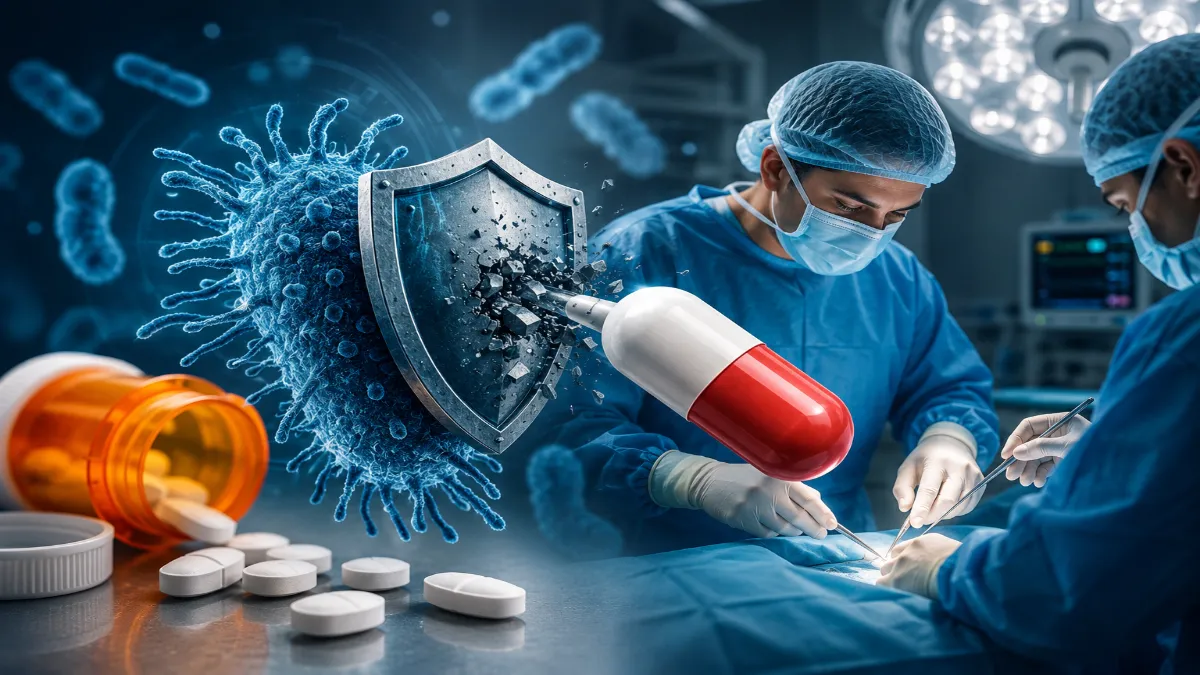
Before the mid-20th century, a surgeon could perform a flawless operation, only to watch the patient die a week later from a simple bacterial infection. Every time the skin is broken, the body’s primary defensive wall is breached. Modern surgery is only possible because we have a chemical safety net: antibiotics. They are the invisible shield that allows invasive medicine to exist. But that shield is cracking. The rise of antibiotic resistance is quietly threatening to turn routine surgical procedures back into high-stakes gambles.
The Invisible Shield of Prophylaxis
To understand the threat, you have to understand standard operating procedure. When you go in for a major surgery, you aren't just given anesthesia and a breathing tube. You are almost always given a powerful, intravenous dose of antibiotics about sixty minutes before the surgeon makes the very first incision.
This is called surgical prophylaxis. The goal is not to treat an existing infection. The goal is to pre-load your bloodstream with aggressive, bacteria-killing agents.
Hospital operating rooms can be scrupulously cleaned, but they can never be 100 percent sterile. Bacteria are present in the layers of the skin. These are the bacteria that reside in your gut. They are borne on microscopic dust particles. As soon as there is an opening, these opportunistic microbes invade. Normally, the antibiotics Normally, these preventive antibiotics destroy them before they can establish an infection in the surgical wound.
If you are getting a knee replacement, a C-section, or an organ transplant, this chemical defense is absolutely non-negotiable. Without it, the risk of a surgical site infection (SSI) skyrockets. A joint replacement, for example, relies on implanting metal and plastic into the body. Immune cells cannot patrol the surface of artificial materials effectively. If a single bacterium attaches to that new titanium knee and survives, it can form a biofilm, a sticky, impenetrable fortress. Suddenly, a routine surgery turns into a medical nightmare requiring months of targeted therapy or the complete removal of the implant.
Evolution in Real-Time: How Superbugs Adapt
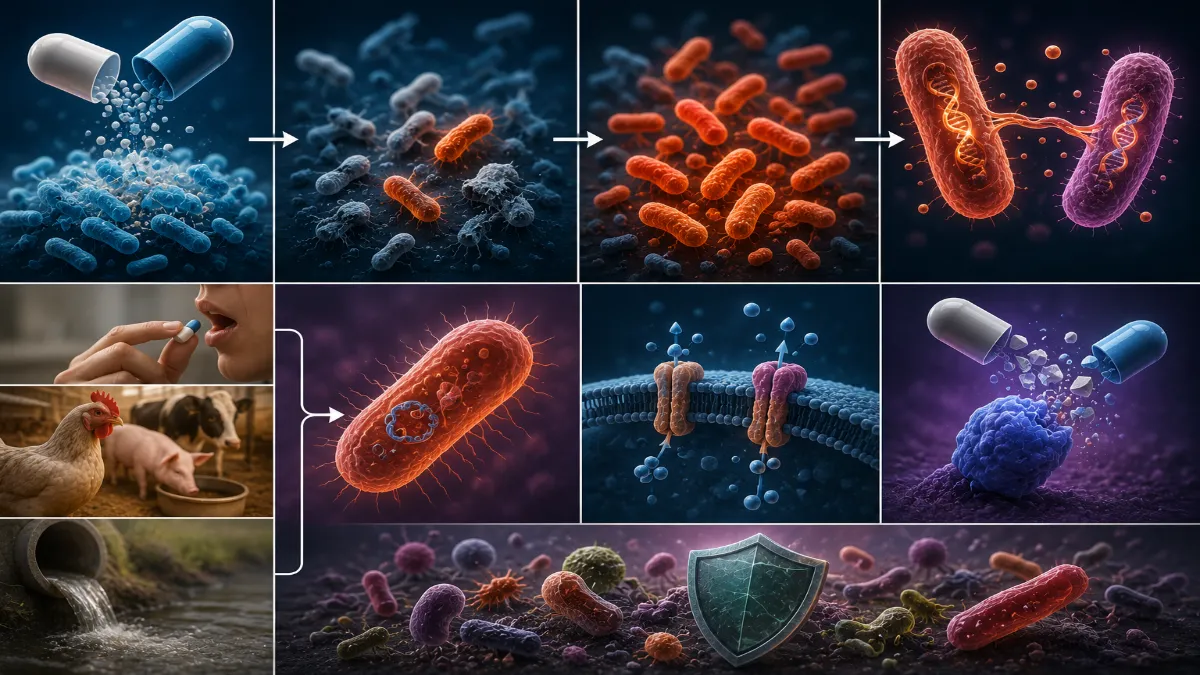
The core problem is that bacteria are incredibly resilient. They are the ultimate biological survivors. We have spent the last eighty years flooding the human ecosystem, our livestock, and our water supplies with antibiotics. We assumed we were wiping the slate clean. Instead, we were running a massive, global experiment in accelerated evolution.
When you take an antibiotic, it kills the vast majority of the targeted bacteria. But it rarely kills all of them. A tiny fraction will possess a random genetic mutation that allows them to survive the chemical assault.
These survivors do not just scrape by. They thrive. Because all their natural competition has just been wiped out, they have unlimited resources to multiply. They pass their resistant genes onto their offspring. Even worse, bacteria have the terrifying ability to pass genetic information laterally. They can literally hand a blueprint for antibiotic resistance to a completely different species of bacteria residing nearby.
For many years, overuse has led to the creation of "superbugs," as we have unintentionally bred them by giving antibiotic therapy for colds that cannot be cured, putting these on the food of animals for them to grow faster. These are types of bacteria that defy our best medicines, such as Methicillin-resistant Staphylococcus aureus (MRSA) and Carbapenem-resistant Enterobacteriaceae (CRE). They have evolved enzymes that break down penicillin. They have constructed tiny pumps in the walls of their cells that immediately eject the antibiotic, so it can't hurt them.
The Threat to the Operating Room
When these superbugs make their way into the surgical ward, the math changes drastically. If a patient carrying a resistant strain undergoes surgery, the standard prophylactic dose of antibiotics does absolutely nothing. The invisible shield is completely gone. The bacteria enter the surgical wound and begin to multiply unchecked by the drugs.
The consequences are severe. A surgical site infection caused by a resistant bug is significantly harder to treat. Doctors are forced to abandon standard, well-tolerated drugs and reach for "last-line" antibiotics. These older, heavier drugs are often highly toxic. They can cause severe kidney damage or permanent hearing loss.
The risk is not limited to just simple wound infections. The only way to survive an organ transplant is to deliberately impair a patient's immune system to prevent his body from attacking the new organ. Transplants could not be done without the protection of antibiotics for the immunocompromised patient. Likewise, patients undergoing intensive chemotherapy have a very low count of white blood cells. When they have a tumour that needs to be cut out, they must rely on the antibiotic drip to stay alive. Once resistant bugs get into these very susceptible situations, the death toll is enormous.
Furthermore, the recovery timeline shatters. A patient who was supposed to go home in three days might end up spending three weeks in the intensive care unit battling sepsis, a life-threatening chain reaction triggered by a runaway infection. The surgical repair is compromised. In the worst-case scenarios, the very surgery meant to save or improve a life becomes the mechanism that ends it.
Ancient Defense: The Ayurvedic Perspective
While modern medicine races to discover new synthetic antibiotics to outsmart these superbugs, we cannot ignore the host. The human body. For decades, we have outsourced our immune defense entirely to pharmacology. We forgot how to build a resilient internal ecosystem. This is where ancient medical frameworks offer a deeply pragmatic, complementary approach to surgical preparation and recovery.
In the Ayurvedic tradition, a successful recovery from physical trauma, like surgery, relies heavily on the concept of Ojas. Ojas translates roughly to your foundational vitality, your ultimate immune reserve. When your Ojas is depleted through chronic stress, poor digestion, or a highly processed diet, your body becomes a hospitable environment for opportunistic infections. You have no natural resistance.
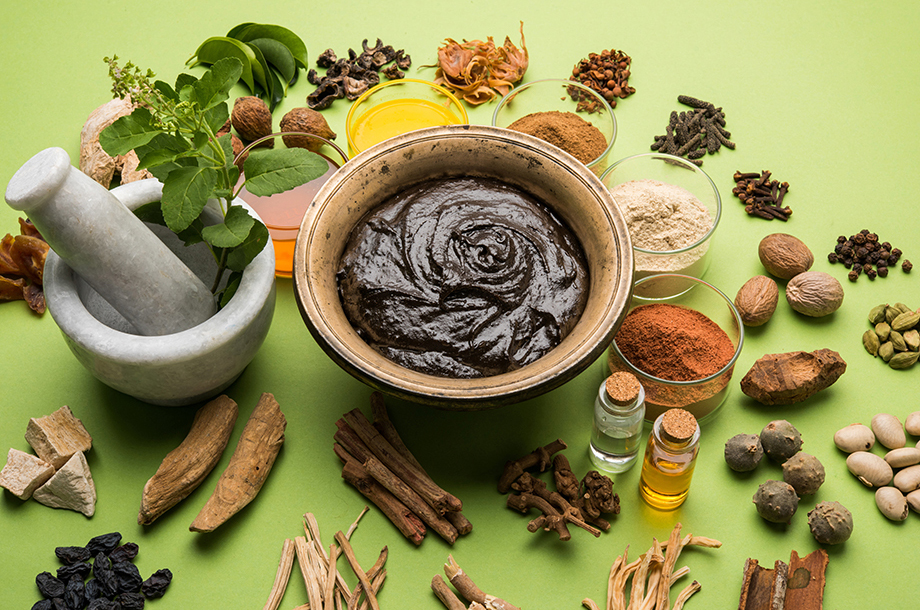
In the treatment of surgical diseases, Ayurveda takes a different approach; it does not attack the bug, but rather strengthens the terrain. All the weeks before a procedure are dedicated to giving the tissues deep nourishment and to moving the digestive juice. Practices focus on incorporating the most effective naturally occurring antioxidants, antimicrobials, and anti-inflammatory herbs into the program. The deep anti-inflammatory and wound healing properties are the reason why turmeric is used extensively, especially with high levels of curcumin. Neem is respected as a potent systemic purifier that helps clear the blood of metabolic waste. By focusing on easily digestible, warming foods and prioritising nervous system regulation, an Ayurvedic lifestyle actively builds a robust internal defense. It ensures that when you arrive on the operating table, your body isn't solely reliant on the IV drip for protection. Your immune system is awake, resourced, and ready to fight alongside modern medicine.

Doctor's Note
Antibiotic resistance turns routine surgeries into high-stakes gambles by weakening our preventive chemical shields. If you or a loved one are recovering from surgery and develop critical red-flag symptoms like a sudden high fever, rapidly spreading redness or warmth around the wound, severe throbbing pain, or foul-smelling discharge, do not wait. Never self-medicate with leftover antibiotics, as this accelerates resistance. Contact your surgeon or head to the nearest emergency room immediately for proper evaluation.
Protecting the Shield
So, where does this leave us? The medical community is actively changing its protocols. Hospital stewardship programs now tightly control who gets which antibiotics and for how long. Surgeons are constantly refining their techniques to minimise tissue damage and reduce the exact amount of time an internal wound is exposed to the air. But the responsibility does not solely rest on the doctors. It requires a massive cultural shift in how we view these drugs as a society.
Antibiotics should no longer be used as a "one size fits all" solution. If you do catch a bad cold (sinus infection or a severe cold during the winter), the chances are very high that a virus is guilty. Viruses cannot be treated with antibiotics. Taking a Z-Pak just in case directly helps contribute to the world's resistance to drugs. You are placing the bacteria in your gut under undue pressure from the drug, which can develop resistance to it and evolve.
Patients preparing for surgery must also take active steps. Optimising your nutrition, managing your blood sugar (since high glucose actively feeds bacterial growth), and quitting smoking (which chokes off oxygen to the healing tissues) all drastically lower the risk of surgical infections independently of the drugs used.
Every time we use an antibiotic unnecessarily, we dull the blade. We weaken the shield. The next time you or a loved one needs surgery, you will want those drugs to work flawlessly. You will want the chemical safety net intact. Preserving the power of antibiotics is not just a scientific challenge. It is a collective responsibility. The future of safe, modern surgery depends entirely on how we manage the drugs we have left today.
References:
Antimicrobial Resistance: A Growing Serious Threat for Global Public Health - PMC
About Antimicrobial Resistance