
Successful Treatments
Clinics
Doctors
Ayurvedic Treatment for Rheumatoid Arthritis (Amavata): Pain, Swelling and Stiffness
 Published on 01 Jan, 1970
 Updated on 28 Nov, 2026

- Home / Diseases & Ayurveda / Joint & Muscle Pain / Ayurvedic Treatment for Rheumatoid Arthritis (Amavata): Pain, Swelling and Stiffness
Jiva Ayurveda treats rheumatoid arthritis (Amavata) with classical Ayurvedic medicines, therapies such as Valuka Sweda and Basti, and an anti-Ama diet, to ease joint pain, swelling and morning stiffness, improve digestion and energy, and support your rheumatologist treatment in protecting your joints.
What Is Rheumatoid Arthritis?
Rheumatoid arthritis (RA) is a long-term autoimmune disease. The immune system attacks the lining of the joints, causing pain, swelling and stiffness, usually in the small joints of the hands and feet on both sides of the body. Without control, the inflammation can damage cartilage and bone and change the shape of the joints. RA can also affect the eyes, lungs, heart and blood. In Ayurveda it closely matches Amavata: weak Agni produces Ama, which Vata carries into the joints, where it settles and causes pain, swelling and stiffness. Common signs are:
How Jiva Ayurveda Treats Rheumatoid Arthritis
Your doctor asks which joints hurt, how long morning stiffness lasts, about digestion, appetite, sleep and energy, and every medicine you take, examines your joints, and reviews your RA factor, anti-CCP, ESR and CRP reports. In Amavata, treatment follows a clear order, so your plan is built in four parts:
Ayurvedic Medicines for Rheumatoid Arthritis
Ayurvedic medicine for RA is chosen by stage. When Ama is high (heaviness, poor appetite, coated tongue, swollen joints), warming, drying herbs come first. Once Ama clears, herbs for Vata and joint strength follow. Oily massage is avoided in the Ama stage, as it can make swelling worse.
RA Medicines: Methotrexate, Steroids and Biologics
DMARDs such as methotrexate, hydroxychloroquine and sulfasalazine, and biologics, slow the disease and protect the joints. Steroids calm flares quickly but cause side effects with long use.
- Do not stop methotrexate, steroids or any RA medicine on your own; stopping steroids suddenly can be dangerous.
- Your Jiva doctor works alongside your rheumatologist; any reduction is decided by them, step by step, as your reports improve.
- Track pain, swelling, morning stiffness and ESR or CRP every few months.
Reducing steroid dependence in RA (Hindi) | Stiffness despite methotrexate (Hindi)
Who Can Consider Ayurvedic Treatment for RA?
A hot, very swollen joint with fever, or sudden breathlessness, needs urgent care. See the warning signs further down this page.
Real Results in Rheumatoid Arthritis from Jiva Clinics
Outcomes differ from person to person. These patients are from our clinic case records, shared with consent.
Rheumatoid arthritis | within 1 year of treatment
- Edema in the whole body
- Edema and stiffness in both legs and both hand joints
- Pain in both ankle joints
- Pain in multiple joints, including the fingers
- Significant improvement in RA within 1 year
- Joint pain has reduced completely
- Edema cured completely
Aamvat (Amavata) | knee pain for 7 years
- Both knee joint pain
- Leg pain and swelling
- VAS pain score 6
- Good improvement in Aamvat
- Knee joint pain reduced considerably
- Leg pain reduced and swelling gone
- VAS pain score reduced to 1
Rheumatoid Arthritis Symptoms
How to Start RA Treatment at Jiva
Stages of Rheumatoid Arthritis and How Care Differs
Panchakarma and Therapies for RA
Therapies are chosen by stage after a doctor examines you, at Jiva clinics with Panchakarma facilities. Deep cleansing is not done during a severe flare or when you are weak.
Diet for Rheumatoid Arthritis: What to Eat and Limit
In Amavata the main aim of diet is to keep Agni strong and avoid foods that create Ama.
- Warm, freshly cooked, light food
- Dry ginger, garlic, cumin, turmeric and black pepper in cooking
- Moong dal, barley, old rice and millets
- Cooked vegetables such as lauki, tori and drumstick
- Warm water, or water boiled with dry ginger, through the day
- Curd, especially at night, and cold drinks
- Heavy, fried and very oily food
- Red meat, fish and urad dal in excess
- Maida, sweets and packaged food
- Eating before the last meal is digested
- Smoking and alcohol
Exercise and Daily Habits for RA
- Move every joint gently every day, even on bad days; range-of-motion exercise prevents stiffness.
- Warm water or a warm compress in the morning eases stiffness.
- Low-impact exercise: walking, cycling or water exercise, with rest during flares.
- Stop smoking; it worsens RA and reduces the effect of medicines.
- Protect your hands: use both hands, larger grips and avoid long gripping.
- Sleep 7 to 8 hours and avoid sleeping in the day.
- Brush and floss well; gum disease is linked with RA.
RA, Pregnancy and Women
RA is more common in women and often starts between 30 and 50. If you plan a pregnancy, talk to your rheumatologist months ahead: methotrexate and some other RA medicines must be stopped well before conceiving. Many women find RA quieter during pregnancy and flaring after delivery. Use any Ayurvedic medicine in pregnancy or breastfeeding only with your doctor.
Tests You May Need
What You Can Work Towards
- Less pain and swelling, and shorter morning stiffness
- Better grip and easier daily tasks
- Lower ESR and CRP over time
- Better appetite, digestion and energy
- Fewer flares
- Lower steroid doses, if and when your rheumatologist agrees
Why Choose Jiva Ayurveda for Rheumatoid Arthritis?
Get Urgent Medical Care If You Have
- A single hot, very swollen joint with fever, which may be infected
- Fever, cough or infection while on methotrexate, steroids or biologics
- Sudden breathlessness or chest pain
- Painful red eye or vision changes
- Neck pain with numbness or weakness in arms or legs
- Mouth ulcers, unusual bruising or bleeding on methotrexate
Explore Related Guides
References
FAQs
Rheumatoid Arthritis cannot be completely reversed, but its symptoms can be managed naturally. Ayurveda focuses on reducing inflammation, improving joint flexibility, and balancing doshas to slow disease progression.
Ayurvedic therapies like herbal formulations, massage, and panchakarma can reduce joint pain in a few weeks to months, depending on severity. Consistency with treatment and lifestyle changes plays a key role in faster relief.
Most Ayurvedic herbs are safe when used in prescribed doses, but overuse or poor-quality products may cause mild digestive issues. Always consult a qualified Ayurvedic practitioner before starting any herbal treatment.
Yes, Ayurveda can complement modern RA medications to improve mobility and reduce inflammation. Coordination with your rheumatologist is essential to avoid herb-drug interactions.
Gentle stretching, warm water baths, and light yoga in the morning can relieve stiffness. Ayurveda also recommends oil massage and heat therapy to ease joints.
Anti-inflammatory foods like turmeric, ginger, garlic, green leafy vegetables, and flaxseeds are beneficial. Avoid processed foods, fried items, and excessive red meat to reduce joint inflammation.
Regular low-impact exercises, Ayurvedic massages, and herbal supplements can enhance joint mobility. Maintaining ideal body weight also reduces stress on joints.
Home remedies like warm compresses and herbal teas offer temporary relief, while professional Ayurvedic care provides personalized treatment, detox therapies, and long-term management.
Find Jiva Ayurveda Clinics for Rheumatoid-arthritis Treatment Near You
Consult Experienced Ayurveda Doctors for Rheumatoid-arthritis



















Our Happy Patients
-
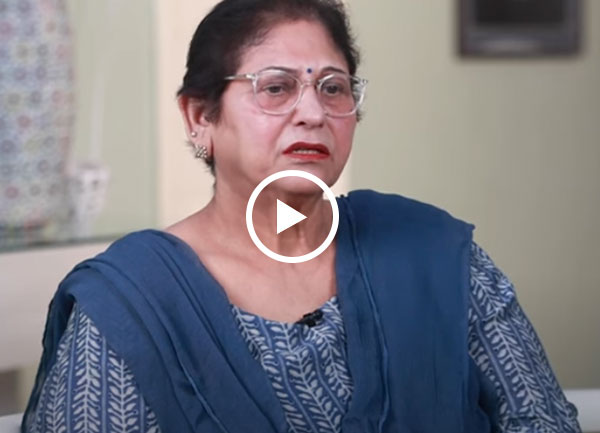 Sunita Malik - Knee Pain
-
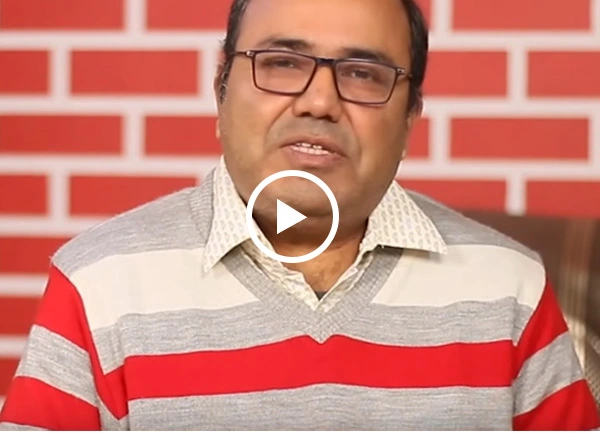 Abhishek Mal - Diabetes
-
 Vidit Aggarwal - Psoriasis
-
 Shanti - Sleeping Disorder
-
 Ranjana - Arthritis
-
 Jyoti - Migraine
-
 Renu Lamba - Diabetes
-
 Kamla Singh - Bulging Disc
-
 Rajesh Kumar - Psoriasis
-
 Dhruv Dutta - Diabetes
-
 Atharva - Respiratory Disease
-
 Amey - Skin Problem
-
 Asha - Joint Problem
-
 Sanjeeta - Joint Pain
-
 A B Mukherjee - Acidity
-
 Deepak Sharma - Lower Back Pain
-
 Vyjayanti - Pcod
-
 Sunil Singh - Thyroid
-
 Sarla Gupta - Post Surgery Challenges
-
 Syed Masood Ahmed - Osteoarthritis & Bp
Diagnostic Marker
Blogs
- रूमेंटॉइड आर्थराइटिस के लिए सरल घरेलू उपचार
- The Complete Guide to Ayurvedic Detox: Tips, Techniques, and Benefits
- Top Ayurvedic Oils for Joint Pain Relief And How to Use Them Daily
- क्या आर्थराइटिस में बार-बार पेनकिलर लेना नुकसानदायक है? सुरक्षित आयुर्वेदिक विकल्प जानिए
- Rheumatoid Arthritis में Steroids की दवा छुड़ाना संभव है? आयुर्वेद का रास्ता
- सुबह उठते ही उँगलियाँ अकड़ जाती हैं - क्या यह Rheumatoid Arthritis की शुरुआत है?
- Morning Body Stiffness: What It May Indicate
- Joint pain में कौन सा movement सही है और कौन सा नहीं?
- रूमेटॉइड आर्थराइटिस में हर हफ्ते Methotrexate लेते हैं, फिर भी सुबह उंगलियाँ नहीं खुलतीं
Home Remedies
Related Disease
- Ayurvedic Treatment for Cervical Spondylosis: Neck Pain, Stiffness and Relief
- Ayurvedic Treatment for Arthritis: Joint Pain Relief & Long-Term Management
- Ayurvedic Treatment for Osteoarthritis: Knee Pain, Symptoms and Management
- Ayurvedic Treatment for Gout and High Uric Acid: Medicines, Diet and Flare Care
- Ayurvedic Treatment for Sciatica: Nerve Pain, Medicines and Therapies
- Ayurvedic Treatment for Rheumatoid Arthritis (Amavata): Pain, Swelling and Stiffness
- Ayurvedic Treatment for Frozen Shoulder: Pain, Symptoms, Causes & Care
- Ayurvedic Treatment for Deep Vein Thrombosis (DVT): Leg Swelling, Risks and Treatment
- Ayurvedic Treatment for Achilles Tendon Disorders: Pain, Symptoms, Causes & Care
- Ayurvedic Treatment for Rickets: Symptoms, Causes & Management
- Ayurvedic Treatment for Ganglion Cyst: Symptoms, Causes & Management
- Ayurvedic Treatment for Osteoporosis: Bone Density, Fracture Prevention, Diet and Care
- Ayurvedic Treatment for Avascular Necrosis (AVN) of the Hip: Stages, Medicines and Care
- Ayurvedic Treatment for Osteomyelitis: Symptoms, Causes & Care Options
- Ayurvedic Treatment for Cerebral Palsy: Symptoms, Causes & Supportive Care
- Ayurvedic Treatment for Slip Disc (Herniated Disc): Back Pain, Sciatica and Recovery
Latest Blogs
- सर्दियों में Dry Fruits Sugar और Uric Acid वाले कितने खाएं
- Gas और Bloating में क्या फर्क है?
- Fatty Liver और Liver की सूजन में क्या फर्क है?
- Arthritis में क्या खाएं और क्या नहीं - पूरी Diet List
- घर पर Glucometer से Sugar सही कैसे चेक करें? 7 आम गलतियाँ
- इसबगोल कब और कैसे लें? सही तरीका
- दिन में कितनी बार Potty जाना Normal है?
- उम्र के हिसाब से BP कितना होना चाहिए? Normal BP Chart
- NCV Test क्या है? नसों की कमज़ोरी में क्यों कराते हैं?
- Vitamin D Report कैसे पढ़ें? कितना होना चाहिए?
- Sugar Level Chart: खाली पेट और खाने के बाद कितनी Sugar Normal है?
- भगंदर का दो बार ऑपरेशन हुआ, तीसरी बार फिर से पस निकलने लगा
- 3 सालों से रोज़ पेनकिलर खाकर घुटनों का दर्द दबा रहे हैं, अब किडनी की रिपोर्ट भी बिगड़ने लगी है।
- HbA1c क्या है? कितना होना चाहिए और कैसे कम करें?
- C-Peptide Test क्या है? Diabetes में क्यों कराते हैं?
- 2 साल से नींद की गोली के बिना नींद नहीं आई, अब आधी गोली से भी काम नहीं चलता।
- BP की 2 गोलियों के बाद भी सुबह 150 से ऊपर, तीसरी दवा जोड़ने से पहले ये जांच करवा लें
- साइटिका का दर्द पैर के पंजे तक उतर आया और डॉक्टर अब सर्जरी की बात कर रहे हैं
- यूरिक एसिड की दवा 4 साल से चल रही है, छोड़ते ही gout का दौरा, क्या ये ज़िंदगी भर लेनी पड़ेगी
- SGPT 120 पहुँच गया और डॉक्टर ने बस वजन घटाने को कहा, फैटी लिवर में अब आगे क्या करें
Ayurvedic Doctor In Top Cities
- Ayurvedic Doctors in Bangalore
- Ayurvedic Doctors in Pune
- Ayurvedic Doctors in Delhi
- Ayurvedic Doctors in Hyderabad
- Ayurvedic Doctors in Indore
- Ayurvedic Doctors in Mumbai
- Ayurvedic Doctors in Lucknow
- Ayurvedic Doctors in Kolkata
- Ayurvedic Doctors in Patna
- Ayurvedic Doctors in Vadodara
- Ayurvedic Doctors in Ahmedabad
- Ayurvedic Doctors in Chandigarh
- Ayurvedic Doctors in Gurugaon
- Ayurvedic Doctors in Jaipur
- Ayurvedic Doctors in Kanpur
- Ayurvedic Doctors in Noida
- Ayurvedic Doctors in Ranchi
- Ayurvedic Doctors in Bhopal
- Ayurvedic Doctors in Ludhiana
- Ayurvedic Doctors in Dehradun