 Published on
27 Jun, 2026
Published on
27 Jun, 2026 Updated on 27 Jun, 2026
 5100
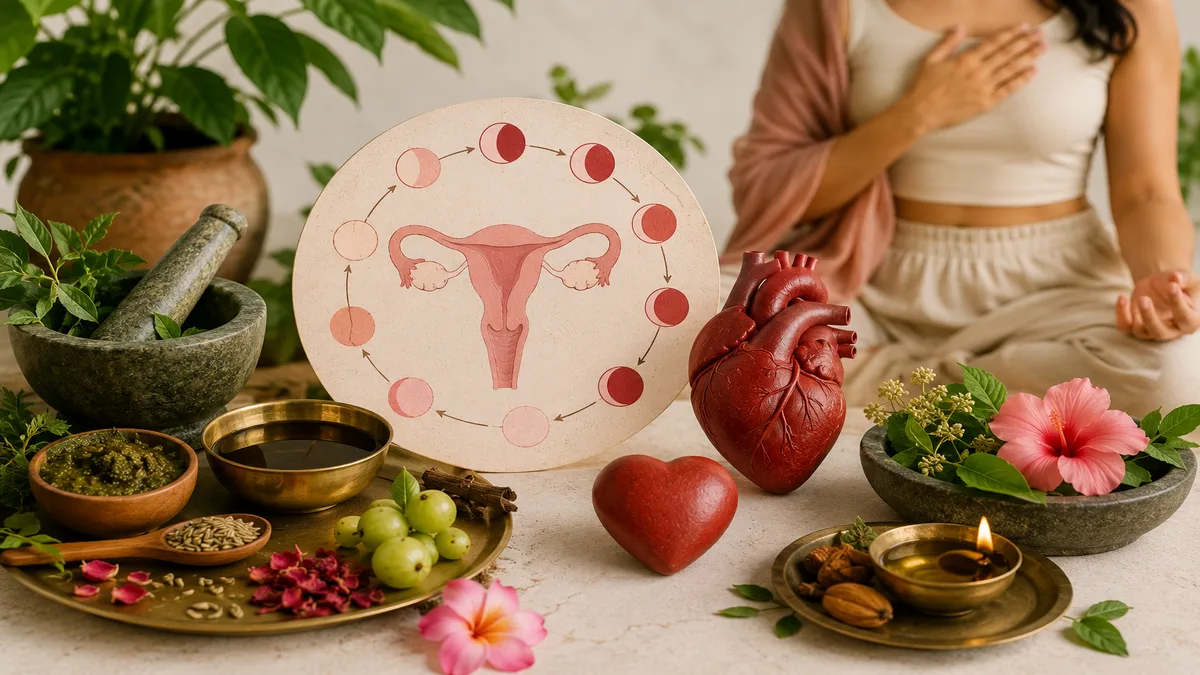
5100Living with a monthly cycle means your body is constantly shifting one week you're unstoppable, and the next, your energy completely vanishes. While we usually blame these swings on hormones like estrogen and progesterone, your cycle is also quietly pulling the strings on your heart.
A recent study found that different phases of your cycle directly change your heart's natural stress response (often measured as Heart Rate Variability). But here's the reassuring part: even though these internal heart stats fluctuated throughout the month, women's physical strength and mood stayed remarkably steady. Your body remains deeply resilient, even when your hormones are busy moving in the background.
This close connection between your nervous system, heart, and hormones is exactly what Ayurveda has taught for thousands of years. Instead of seeing these monthly changes as a glitch or an annoyance, ancient wisdom views them as a natural, predictable rhythm. Once you understand this balance, you can stop fighting your biology and start working with your body.
Understanding Heart Rate Variability (HRV)
Heart rate variability (HRV) is simply the tiny, millisecond difference in time between your heartbeats. This works as an index for your nervous system by giving information about the ability of your body to balance its "stress" (fight or flight response) and "recovery" ("rest and digest" response). If you have a high score in HRV, it signifies that your body is relaxed and adaptable. On the other hand, if you have a low HRV, you will know that there is some sort of hidden stress, fatigue, or even illness within your body.
How Your Hormones Shift Your Energy Throughout the Month
Throughout the month, your hormones are on a literal rollercoaster ride, and your body reacts to every single loop and turn. Here is how your two main hormones change how you feel across the month:
- First half (the estrogen window): After your period ends, another hormone known as estrogen becomes dominant. Estrogen is like an injection of natural energy into the body. It improves your mood and concentration while making you more sociable and self-confident as well as resilient to any stress.
- Second half (the progesterone shift): During the second half of the cycle, when the process of ovulation is completed, a different hormone called progesterone increases. Progesterone signals your body to decrease your energy levels. Your focus becomes internalized, hence making you feel sleepy and even more sensitive than usual.
When these hormones shift right before your period, you don't need to feel frustrated by your sudden low energy. Your body is just doing exactly what it was biologically designed to do.
How the Menstrual Cycle Influences Heart Function
Your hormones are on a literal rollercoaster every month, and your heart reacts to every single twist and turn. As your cycle flows through its four main stages, your nervous system and your heart change their pacing right along with your mood:
- Menstrual Phase: When hormone levels decline, and your body begins a process of rebooting itself, there will be an increased need for a period of deliberate rest that allows your body to fully recover. For your heart, this is the best period when it can remain in a state of rest.
- Follicular Phase: With increasing estrogen, there appears to be a boost in your energy and strength. Moreover, the hormone serves as a protective barrier for your cardiovascular system, allowing the blood vessels to remain relaxed and your heartbeat stable.
- Ovulation: The increase in hormones provides you with a significant boost of strength, confidence, and power right in the middle of the month. At this time, your heart becomes highly resilient and easily tolerates the effects of training and stress.
- Luteal Phase: Progesterone takes over, signaling the body to rest and relax. Due to its impact on your body's "fight or flight" response, there may be an increase in your resting heart rate.
Your heart isn't meant to beat the same way every day; its rhythm is constantly listening and adapting to your shifting hormonal tide.
Your Body Is Stronger Than You Think
While your heart's nervous system is busy responding to these changing hormone levels, there is some incredible news about your actual physical power. Your internal heart stats might bounce around throughout the month, but your actual strength, drive, and mental resilience stay remarkably steady.
Across every single week of your cycle:
- Your muscle strength remains solid and dependable.
- Your motivation levels don't just vanish into thin air.
- Your daily mood stays much more grounded than you might think.
This means that even though your inner systems are adapting to your hormones behind the scenes, your physical power is not fragile. Your body is perfectly capable of performing beautifully and staying strong, even on the weeks your hormones are shifting in the background.
The Ayurvedic View: The Three Energies of Your Cycle
Long before modern science mapped out hormones in a lab, ancient wellness traditions like Ayurveda figured out that a woman's body goes through its own distinct seasons every month. Instead of counting hormone numbers, Ayurveda looks at how three natural energies Kapha, Pitta, and Vata, take turns running the show.
- The Kapha Phase (Strong & Steady): This happens right after your period ends. Kapha is all about building, nourishing, and growing. Your body is actively resetting itself, and you will usually feel physically strong, clear-headed, and full of steady energy.
- The Pitta Phase (Fiery & Focused): This centers right around the middle of your cycle (ovulation). Pitta is the energy of heat, metabolism, and drive. You might notice you feel warmer, your digestion is firing on all cylinders, and you feel extra sharp, motivated, and ready to get things done.
- The Vata Phase (Sensitive & Windy): This is the week leading up to your period. Vata rules your nervous system and movement. Because Vata energy is light and easily changeable, it can quickly get thrown off balance, leading to that familiar pre-period anxiety, bloating, mood swings, and trouble sleeping.
Easy Ways to Support Your Body and Hormones
The best way to stay feeling good is to flow with these natural phases instead of trying to force your way through them. Here are a few simple, daily habits to keep your nervous system happy and your hormones balanced:
- Stick to a simple routine: Try to eat your meals and go to bed at roughly the same time every day. Your body loves predictability, and a steady schedule instantly lowers your internal stress levels.
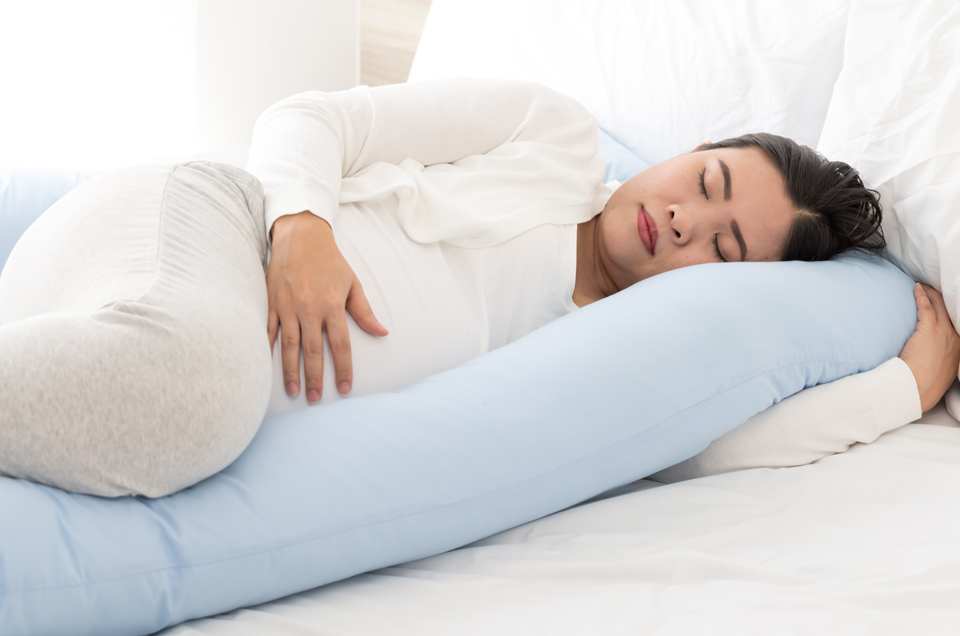
- Give yourself permission to rest: Sleep fixes everything. If you are in that pre-period Vata week and feel completely wiped out, skip the late-night chores and go to bed early.
- Calm your busy mind: When your thoughts are racing, your body goes into overdrive, which makes PMS symptoms way worse. Taking just five minutes a day for deep breathing, listening to something relaxing, or taking a quiet walk outside can completely reset an overwhelmed system.
- Choose warm, cozy foods: Skip the cold salads, raw veggies, and iced drinks right before your period. Instead, reach for warm, freshly cooked meals with a little healthy fat (like olive oil or a bit of butter) to keep your digestion happy and your energy grounded.
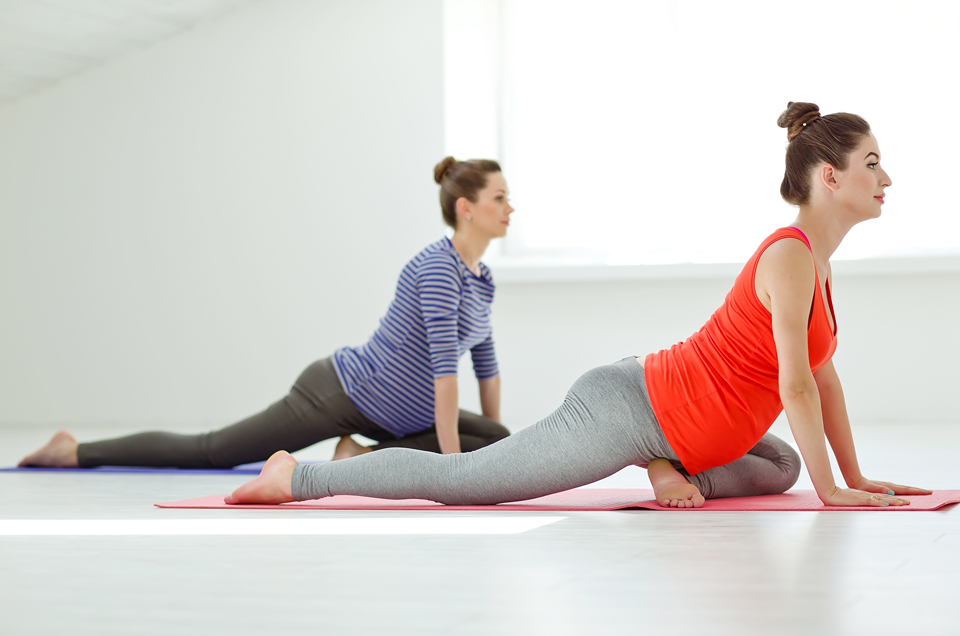
- Move with kindness: Staying active is great, but you don't need to kill yourself at the gym every single day. If your energy is low, swap the intense cardio or heavy lifting for a gentle walk, some light stretching, or a slow yoga flow.
A quick reminder: Your body is not a machine meant to run at 100% capacity every single day of the year. It is an ecosystem that changes with its own internal seasons.
Final Thoughts: Trust Your Body
Instead of expecting yourself to feel and perform the same every single day, start tuning into your natural rhythm. When you learn to give your body what it actually asks for whether that is a high-energy workout or an extra hour under the blanket, your hormones will balance out naturally, and you’ll feel a whole lot better all month long.
References
WHO statement on menstrual health and rights
Menstrual cycle irregularity and risk for future cardiovascular disease - PubMed