 Published on
22 Jun, 2026
Published on
22 Jun, 2026 Updated on 22 Jun, 2026
 5116
5116Pregnancy is beautiful. It really is. But let's be honest, it comes with a whole list of things nobody really warns you about. Morning sickness, back pain, swollen feet and somewhere in the middle of all that, something as simple as not drinking enough water can turn into a serious problem.
Dehydration during pregnancy is more common than most people think. And the tricky part? It can sneak up on you quietly. One minute you're feeling a little tired and dizzy, and the next, you're at the hospital being told your body needed more water than you were giving it.
So let's talk about this. Not in a scary way, but in a "here's what you actually need to know" kind of way.
Why Pregnant Women Get Dehydrated Faster
Here's something worth understanding first. When you're pregnant, your body is doing double the work. You're growing a baby. That takes energy, nutrients and yes, a LOT of water.
Your blood volume increases during pregnancy, sometimes by up to 50%. Your kidneys are working harder. Your body is producing amniotic fluid. All of this needs water to keep running smoothly.
On top of that, many pregnant women go through morning sickness, especially in the first trimester. If you're throwing up regularly or feeling too nauseous to eat or drink, fluids go out the window fast. The heat in India doesn't help either. Summers here can be brutal, and sweating more than usual only speeds up water loss.
So yes, pregnant women need more water than the average person. And they also lose it faster. That combination is why dehydration becomes a real concern during pregnancy.
Warning Signs You Should Never Ignore
This is the part that really matters. Knowing the signs can make all the difference.
Dark Yellow or Orange Urine
This is honestly one of the easiest signs to catch. If your urine looks dark yellow or almost orange, your body is telling you it needs water. Healthy hydration usually means pale yellow urine. If you haven't been to the bathroom in a while or the colour looks off, it's time to drink up.
Feeling Dizzy or Lightheaded
A lot of pregnant women brush off dizziness as "just part of pregnancy." And sometimes it is. But dizziness can also be a sign that your blood pressure has dropped because of dehydration. If you're feeling unsteady when you stand up or like the room is spinning a little, don't ignore it.
Dry Mouth and Cracked Lips
Your body sends some pretty obvious signals when it's thirsty. Dry mouth, sticky feeling in your throat, cracked or chapped lips. These might seem minor, but they're early signs that you need to hydrate before things get worse.
Headaches That Won't Go Away
Pregnancy headaches are common, sure. But if you're getting frequent headaches and you haven't been drinking enough water, dehydration is likely the reason. The brain is very sensitive to fluid levels, and even mild dehydration can trigger a headache.
Feeling Extremely Tired
Everyone's tired during pregnancy. But there's regular tired and then there's "I can barely get off the couch" tired. If your fatigue feels unusually heavy and you haven't been drinking enough fluids, dehydration might be draining your energy levels more than expected.
Reduced Urination
If you're going to the bathroom less than four times a day, that's worth paying attention to. During pregnancy, frequent urination is actually normal. So if you notice you're urinating much less than usual, your body may not have enough fluids to flush out waste properly.
When Does It Become an Emergency?
Most cases of mild dehydration can be handled by drinking fluids and resting. But there are times when dehydration during pregnancy becomes a medical emergency.
You should call your doctor or go to the hospital if you experience:
- Severe vomiting where you cannot keep any fluids down
- No urination for 8 hours or more
- Signs of fainting or actually fainting
- Rapid heartbeat with chest pain or breathlessness
- Contractions that come early or suddenly
These are not things to wait out. If any of these happen, please seek help right away.
How Ayurveda Sees Hydration During Pregnancy
In Ayurveda, the concept of "Garbhini Paricharya" refers to the special care a pregnant woman should follow throughout her pregnancy. Staying hydrated is central to this.
Ayurveda emphasises that during pregnancy, the body's Vata dosha naturally increases. Vata governs movement and dryness in the body. When Vata goes up and fluids go down, the body can quickly feel depleted, dry and fatigued. This is why Ayurvedic texts have always stressed fluid intake through warm water, herbal drinks and nourishing foods like dal, soups and coconut water.
Jiva Ayurveda recommends that pregnant women incorporate warm, easily digestible fluids throughout the day rather than relying only on plain cold water. Things like:
- Warm water with a pinch of ginger to help with nausea and improve digestion
- Coconut water which is naturally hydrating and rich in electrolytes
- Thin dal or khichdi water which nourishes while hydrating
- Herbal teas recommended by your Ayurvedic doctor, safe for pregnancy
The idea is simple. Give your body fluids in forms it can absorb well. Not just quantity, but quality.
Simple Tips to Stay Hydrated Every Day
Here's the practical stuff. Knowing the signs is one thing, but building the habit is another.
- Keep a water bottle with you always. It sounds basic but it genuinely works. Out of sight, out of mind is very real. Keep water visible and you'll drink it.
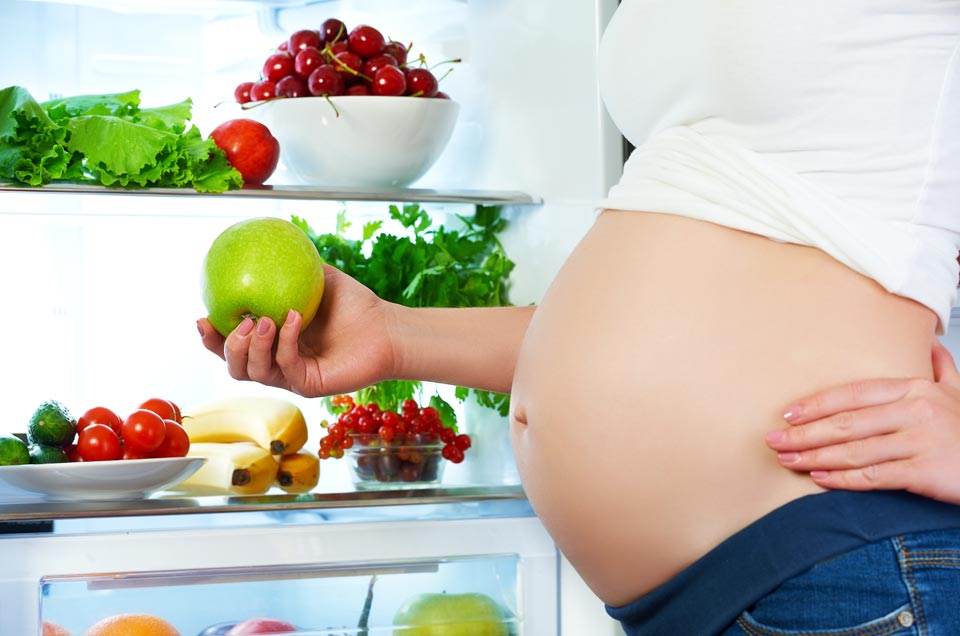
- Eat your water. Foods like cucumber, watermelon, oranges and tomatoes have high water content. Include them in your meals and snacks. It's hydration without even trying.
- Set gentle reminders. If you're busy or distracted, a phone reminder to drink water every hour can be a lifesaver.
- Drink before you feel thirsty. Thirst is already a sign that you're slightly dehydrated. Don't wait for that feeling. Sip throughout the day consistently.
- Avoid too many caffeinated drinks. Chai and coffee can actually make you urinate more, which means you lose fluids. Cut back during pregnancy or balance with extra water.
Final Thoughts
Dehydration during pregnancy is not something to take lightly, but it's also very preventable. The body gives clear signals. The key is to listen to them early, not after things have gotten worse.
If you notice any of the signs mentioned above, start by drinking fluids. If symptoms continue or worsen, please consult a doctor.
Your body is doing something incredible. Give it the water it deserves.