 Published on
03 Jul, 2026
Published on
03 Jul, 2026 Updated on 03 Jul, 2026
 5109
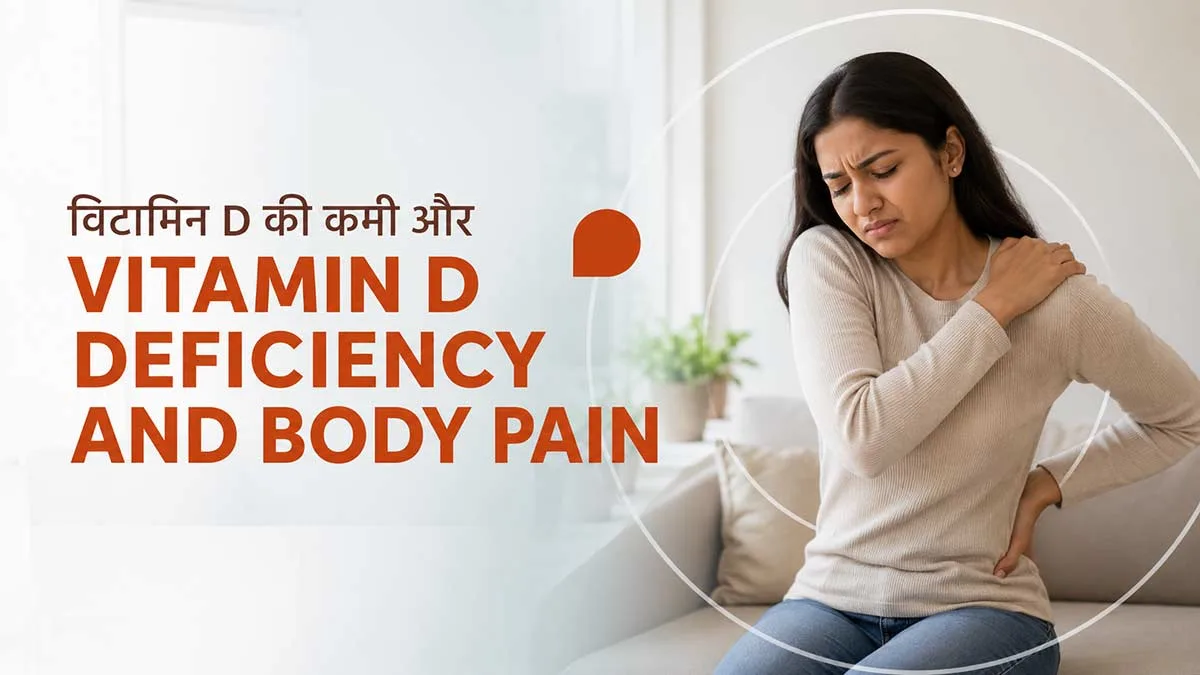
5109Here is a scenario that plays out in thousands of Indian households every single day. Someone complains of body aches, muscle pain, general tiredness and that persistent feeling of being slightly unwell without anything specific being wrong. The doctor runs some tests. The culprit? Vitamin D deficiency. Again.
And the reaction is almost always the same. "But I live in India. We have sunshine literally everywhere. How am I deficient in the sunshine vitamin?"
Fair question and the answer is both surprising and extremely common.
Vitamin D deficiency is one of the most widespread and most underdiagnosed nutritional deficiencies in India today. Studies suggest that anywhere between 70 to 90 percent of Indians are deficient or insufficient. That is not a small number. That is most of the country walking around with lower than optimal Vitamin D levels and a significant chunk of them experiencing body pain that they are attributing to everything except the actual cause.
What Vitamin D Actually Does in the Body
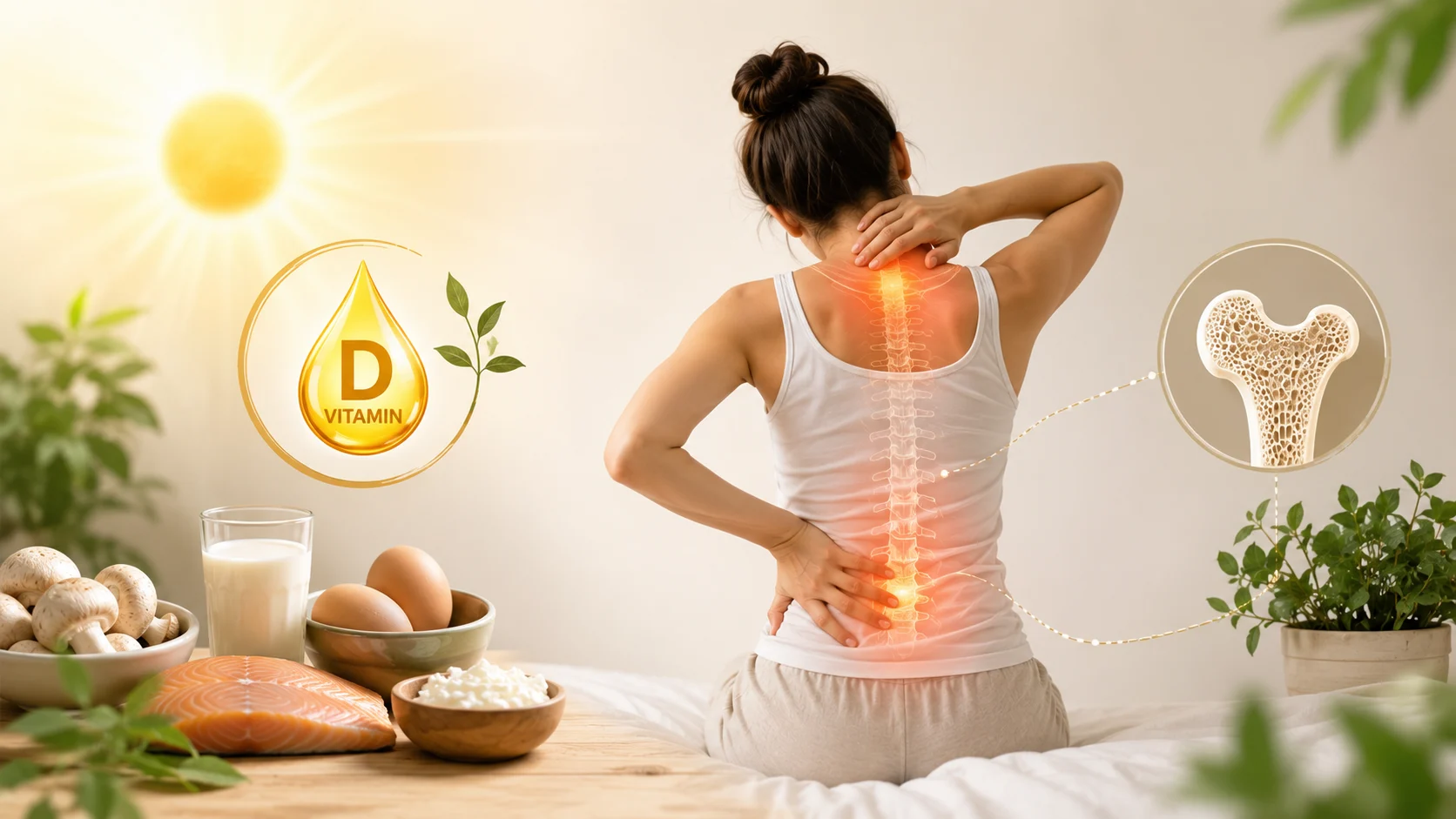
Most people know Vitamin D as the bone vitamin. And yes, it is absolutely critical for calcium absorption and bone health. But that is genuinely just the beginning of what it does.
Vitamin D is technically a hormone more than a vitamin. It affects hundreds of processes across the body including muscle function, immune regulation, nerve health, mood regulation and inflammation control. Receptors for Vitamin D exist in almost every tissue in the human body which tells you something important about how widely it is needed.
When Vitamin D levels drop, the effects are not limited to bones. They ripple across multiple systems simultaneously which is exactly why deficiency produces such a wide and confusing range of symptoms.
The Direct Connection Between Vitamin D and Body Pain
Here is where it gets specific and genuinely useful.
- Muscle pain and weakness: Vitamin D plays a direct role in muscle function. It is involved in the uptake of calcium and phosphate into muscle cells, both of which are essential for normal muscle contraction and relaxation. When Vitamin D is low, muscles become painful, weak and fatigue more easily than they should.
- Chronic fatigue making everything worse: Vitamin D deficiency causes fatigue that compounds pain significantly. When you are deeply tired, pain tolerance drops and even mild aches feel more intense.
- Increased inflammation: Vitamin D has significant anti-inflammatory effects in the body. When levels are low, the body's inflammatory response becomes less regulated. This contributes to heightened pain sensitivity and can worsen pre-existing conditions like arthritis, back pain and autoimmune disorders.
Why Are So Many Indians Deficient Despite All the Sunshine
This is the part that baffles most people and rightly so. India sits between eight and thirty seven degrees north latitude. Sunshine is abundant for most of the year. So why is deficiency so rampant?
- The timing and angle of sunlight matters enormously: Vitamin D synthesis requires UVB radiation from the sun. UVB only penetrates the atmosphere effectively when the sun is at a certain angle, broadly between 10am and 3pm. Many people who do spend time outdoors do so outside these hours, getting warmth and light but not the UVB rays needed for Vitamin D production.
- Dietary sources are genuinely limited: Very few foods contain meaningful amounts of Vitamin D naturally. Fatty fish, egg yolks and fortified foods are the main dietary sources. For vegetarians and those who do not regularly consume these foods, dietary intake alone is nowhere near sufficient.
- Pollution blocking UVB rays: In India's major cities, air pollution creates a physical barrier that reduces the UVB radiation reaching the skin even when people are outdoors. Urban residents often have significantly lower Vitamin D levels than rural populations spending comparable time outdoors.
Signs Your Body Pain Might Be Vitamin D Deficiency
Your body leaves clues. Most people just don't connect them.
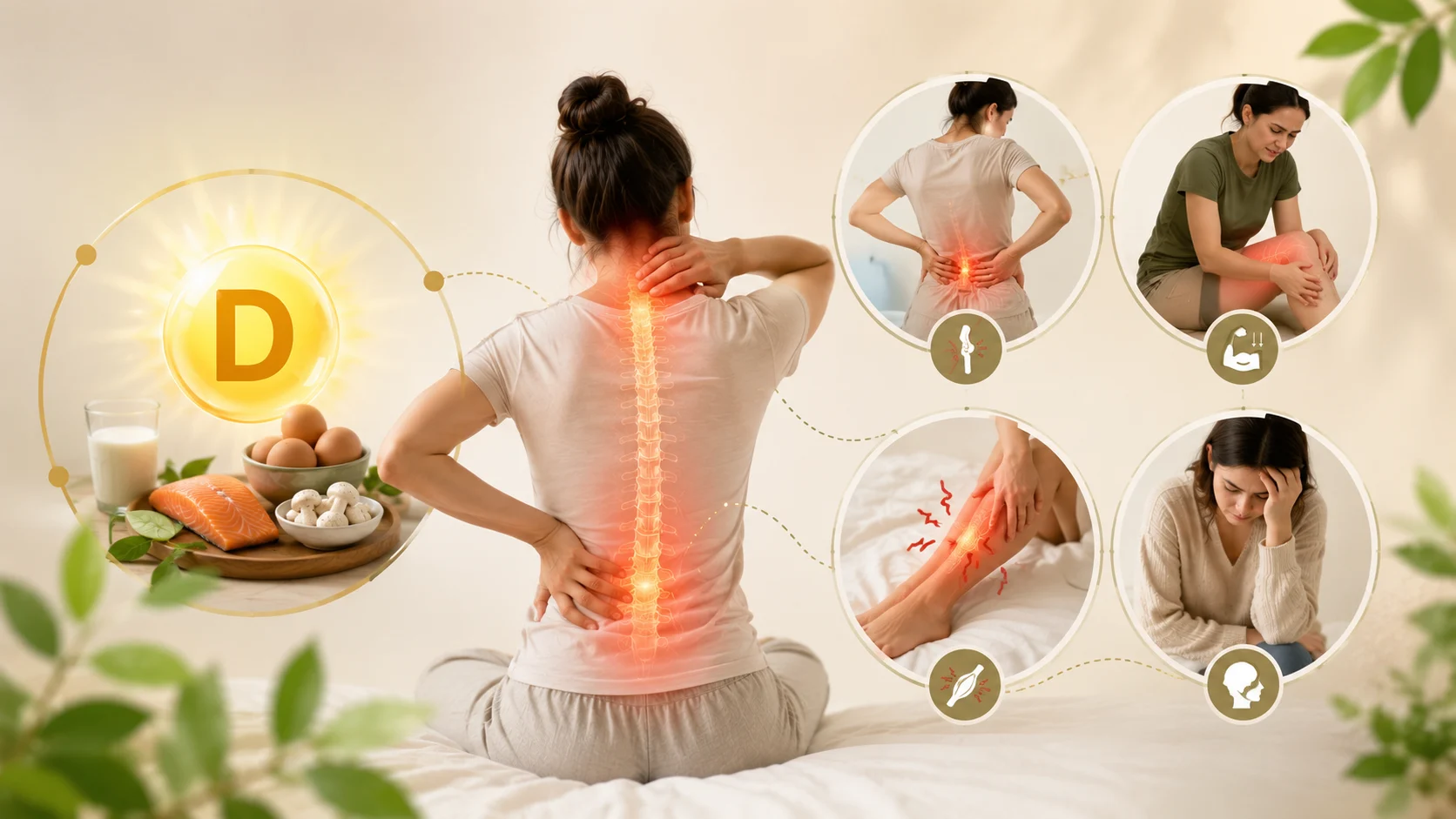
- Deep aching pain in the lower back, hips and legs: These are the areas where bone pain from Vitamin D deficiency tends to concentrate, often described as a heaviness or dull persistent ache rather than a sharp pain.
- Muscle weakness, especially in the thighs and upper arms: Difficulty climbing stairs, getting up from a chair or lifting arms overhead can reflect Vitamin D related muscle weakness rather than simply being unfit or out of shape.
- Frequent muscle cramps: Low Vitamin D impairs calcium regulation in muscles leading to cramping, particularly at night or after mild exertion.
- Low mood and depression: Vitamin D receptors are abundant in the brain and low levels are strongly associated with low mood, seasonal depression and general emotional flatness.
What Ayurveda Says About Bone and Muscle Health
Ayurveda does not specifically describe Vitamin D as a nutrient but the Ayurvedic understanding of Asthi dhatu, bone tissue, and Mamsa dhatu, muscle tissue, is remarkably relevant here.
In Ayurveda, the health of bone and muscle tissue depends on strong Agni or metabolic fire for proper nutrient absorption, adequate nourishment through diet and lifestyle and balanced Vata dosha which governs the health of bones, joints and the nervous system.
Vitamin D deficiency in Ayurvedic terms maps closely onto a combination of weakened Agni preventing proper mineral absorption, aggravated Vata creating dryness and pain in bones and muscles and depleted Asthi dhatu showing up as bone pain, weakness and easy fractures.
- Sesame seeds and sesame oil: Considered deeply nourishing for bones and muscles in Ayurveda. Rich in calcium and minerals that support bone health. Regular self massage with warm sesame oil is classically recommended for bone and muscle nourishment and maps interestingly onto supporting the same tissues affected by Vitamin D deficiency.
- Ashwagandha: Supports muscle strength, reduces inflammation and helps with the fatigue and weakness that accompany Vitamin D deficiency. One of Ayurveda's premier herbs for musculoskeletal health.
- Shatavari: Nourishes the deeper tissues including bone and muscle. Particularly recommended for women dealing with bone health concerns.
- Bala: Literally meaning strength in Sanskrit, this herb is classically used to build muscle strength, improve stamina and support overall musculoskeletal health.
What to Actually Do About Vitamin D Deficiency
Some of the tips are:
- Get tested first: Before supplementing, get your Vitamin D levels checked through a 25-OH Vitamin D blood test. This tells you exactly where you are and helps determine what dose of supplementation you might need. Supplementing without testing is guesswork.
- Sensible sun exposure daily: Fifteen to thirty minutes of direct midday sunlight on exposed arms and legs is the most natural way to address deficiency. Not through glass, not in the shade, direct sunlight on a reasonable area of skin during peak UVB hours.
- Supplement appropriately under guidance: Vitamin D3 supplementation is often necessary for people with significant deficiency, particularly in urban settings. Dosage depends on deficiency severity and should be guided by a doctor. Vitamin D is fat soluble and can accumulate in excess so supplementing appropriately rather than aggressively matters.
- Pair with Vitamin K2 and Magnesium: Vitamin D works best in partnership with K2 which directs calcium to bones rather than arteries and magnesium which is required for Vitamin D metabolism. Many people supplement D alone and wonder why results are limited.
- Include dietary sources consistently: Fatty fish, egg yolks, mushrooms exposed to sunlight and fortified dairy products all contribute. Not sufficient alone but a meaningful addition to sun exposure and supplementation.
Final Thoughts
Body pain without an obvious cause deserves a proper look. And a proper look means checking Vitamin D levels because deficiency is so widespread, so easily missed and so straightforwardly treated that it is genuinely one of the most rewarding things to catch.
The irony of living in one of the sunniest countries in the world while being among the most Vitamin D deficient populations globally is not lost on anyone. But now that you know why it happens, the fix is not complicated.
Reference Links
- National Health Portal of India on Nutritional Deficiencies https://www.nhp.gov.in/disease/nutrition/vitamin-d-deficiency
- Ministry of Health and Family Welfare, Government of India https://mohfw.gov.in/
- World Health Organization on Micronutrient Deficiencies https://www.who.int/health-topics/micronutrient