
 Published on
15 Jul, 2026
Published on
15 Jul, 2026 Updated on 15 Jul, 2026
 5088
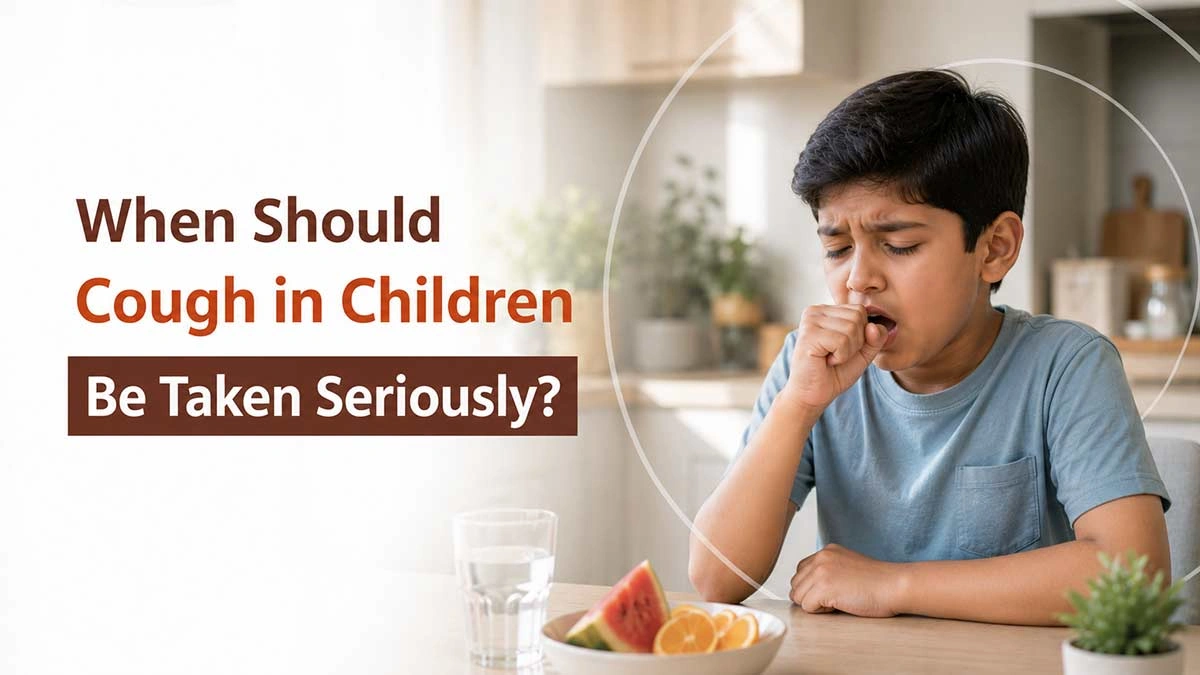
5088We have all been there. It is two in the morning, you are deep in sleep, and suddenly you are jolted awake by the sound of your child coughing uncontrollably from the next room. You get up, offer them a sip of water, and rub their back, but that dry, rough hacking just refuses to stop. It is a moment of pure anxiety and helplessness that every parent knows all too well.
This particular kind of distress is extremely widespread and is the “midnight cough”. Also, it is one of the most stressful health complaints to deal with. As your child's chest begins to rattle, it's not some random annoyance; it's a physiological protest. Their respiratory system is trying to tell you that it's clear. Each day, the airway has been blocked, either by an infection or some type of environmental irritant, and the body is working to expel it.
To finally understand what to do about that heavy, tiring cough, we have to look past the surface. We need to decode exactly why your child's body is reacting this way and when it is actually a cause for alarm.
Decoding the Hack: What Kind of Cough Does Your Child Have?
When a child starts coughing, it is easy to blame the very last thing they did. You might think, "It must have been that ice cream," or "I knew they shouldn't have played in the cold wind." But respiratory health is rarely that simple. A cough is usually a mix of moving parts, from the tiny bacteria settling in their throat to the actual strength of their immune system.
To finally help them heal, you need to figure out their specific "flavor" of coughing, because different sounds point to completely different root causes.
The Dry, Hacking Cough
- How it feels: Your child complains of a constant tickle or scratchiness in the back of their throat. When they cough, nothing comes up, and the spells seem to get much worse when they lie down flat in bed.
- What is actually happening: This is typically due to viruses, allergies, or dust. The tissue of the upper airway and throat swells and gets inflamed. Nerves are so sensitive that any normal breath of dry room air brings on a violent cough spasm.
The Heavy, Wet Cough
- How it feels: Along with a tight chest, you hear a distinct rattling, bubbling, or rumbling sound when they cough. It sounds like there is a heavy pool of liquid trapped right under their ribs.
- What is actually happening: The body is trying to defend itself and producing so much mucus that it is too thick to get microbes out. This excessive mucus in the lower airways makes the lungs have to squeeze and push out the dense fluid up and out of the body.
The Barking Croup Cough
- How it feels: Your child's cough sounds bizarrely like a seal or a small dog barking. Along with the cough, you might hear a sharp, high-pitched whistling sound when they try to breathe inward.
- What is actually happening: This is a typical symptom of a condition known as Croup. The vocal cords and windpipe are extremely swollen. That's when the airway narrows down to the extent that air has to squeeze through a very small opening, which results in that loud whistling sound with every breath.

The Ayurvedic View: When the Kapha Overflows
According to Ayurveda, a cough is not only a lung condition but rather a symptom of a systemic imbalance. Constant, heavy coughing often indicates an aggravation of the Kapha dosha, which is the energy of water and earth, mixed with a sluggish digestive fire, known as Mandagni.
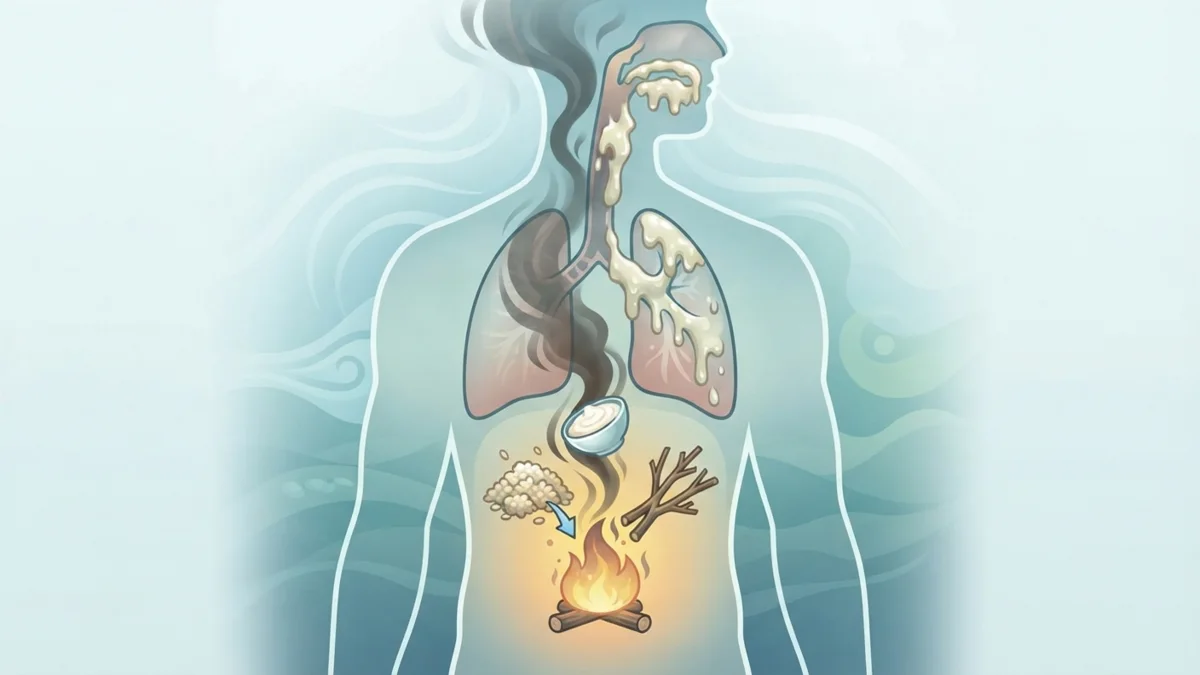
Think of your child's respiratory tract as a clean and open chimney. The air rises and exits the opening properly when the fire is vigorous and intense at the bottom. However, when that digestive fire slows down and smolders, things begin to get tough. Foods that are cold, heavy, and difficult to digest are like dropping wet wood on a flame. It does not burn clean, but produces heavy smoke.
In the body, this weak digestion creates a sticky, toxic byproduct called Ama. When this toxic waste mixes with their natural Kapha, it creates a thick, stubborn mucus that travels up and settles heavily in the chest and throat. This sticky buildup is the real root cause behind that rattling, all-day cough.
Expert Doctor's Special Advice
A midnight coughing fit can panic any parent, but knowing when to transition from home comfort to emergency care is crucial. If your child exhibits urgent red-flag symptoms like labored or rapid breathing, chest retractions (skin pulling in tightly between or under the ribs), a blue or pale tint around the lips or nails, extreme lethargy, or a persistent high-pitched whistling sound when inhaling (stridor), seek immediate medical attention. Never suppress a child's cough with over-the-counter adult syrups or unprescribed medications, as these can mask severe underlying infections and cause harmful side effects in young airways. Trust your instincts; if their breathing looks heavy or uneven, head to a pediatrician or the nearest emergency room right away.
Everyday Habits That Secretly Make the Cough Worse
A good start is cough syrup, but what and when they eat is equally important. You may think you are keeping your child safe, but here are four ways unknowingly that you could be unknowingly causing mucus to build up in his body:
- Late Night Heavy Foods: Feeding your child heavy dairy like cheese or big glasses of milk right before bed. The body's metabolism naturally slows down at night. Heavy foods create an immediate spike in thick Kapha, causing them to wake up choking on mucus.
- The Post-Play Cold Shock: Coming inside dripping with sweat from playing and sitting directly in front of a blasting air conditioner. This sudden temperature drop completely shocks the respiratory system, instantly freezing the chest and inviting viral infections to take hold.
- Chugging Ice Water: The throat has a natural, warm immune barrier that fights off bacteria. Constantly drinking water straight from the fridge puts out that protective heat, numbing the local nerves and leaving the throat wide open to infections.
- Sleeping in Stagnant Air: Keeping the bedroom windows tightly shut all day and night. Dust mites and indoor allergens build up in the stagnant air, constantly irritating your child's highly sensitive lungs while they sleep.
Simple Daily Habits to Calm Your Child's Chest
Heavy antibiotics are not needed for each and every sneeze or tickle. Just a few adjustments to their schedule, and there will be a difference in the way their little bodies get rid of the trash.
Below is a list of four practices that will help keep your child's respiratory system clear and comfortable:
- Switch to warm sips: Completely remove cold water from their day. Have them sip on warm water from a thermos throughout the afternoon. Warm water acts as a gentle solvent, slowly melting the thick, sticky mucus trapped in their chest so they can finally cough it out.
- The ginger and honey trick: Mix a spoonful of raw honey with a few drops of fresh ginger juice. Give this to them twice a day. This is a very old practice that acts like a natural, warming syrup, soothing the raw inflammation in the throat without the chemical drowsiness of pharmacy brands.
- Clear the pipes with steam: Right before bed, run a hot shower or use a facial steamer. You can add a drop of eucalyptus oil to the water. Letting them breathe in this warm, moist air for ten minutes instantly hydrates their dry airways and loosens the heavy chest congestion.
- Use a warm chest rub: Gently heat a little bit of mustard oil with a crushed garlic clove until it is warm. Massage this oil onto their chest, upper back, and the soles of their feet before they sleep. The external heat penetrates deeply, breaking up the heavy Kapha in their lungs.
Final Thoughts
Most childhood coughs improve with time, rest, plenty of fluids, and supportive care. For parents, the question is, when is it OK for their child to have a cough and a cold, and when is it a problem? You can make a good decision by observing the child's breathing, the duration of the cough, and whether other symptoms are present. Home remedies are useful to offer comfort, but should never be used in place of correct medical attention for warning signs. Follow your hunches as a parent. Seek medical advice immediately if your child appears abnormally ill or the cough gets worse.
References:
Coughs and colds in children - treatment, prevention, causes | healthdirect
Chronic Cough and Causes in Children - PMC