
 Published on
25 Mar, 2026
Published on
25 Mar, 2026 Updated on 25 May, 2026
 5222
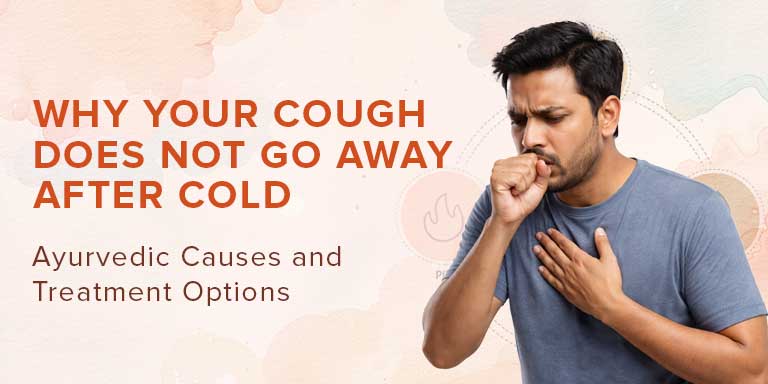
5222You expect a cold to follow a predictable cycle: a few days of sniffles, perhaps a sore throat, and then total relief. The cough does not always stop after the expected period. The persistent condition exists because the patient continues to experience chest symptoms, which originated from their initial fever and congestion. The post-viral cough causes ongoing frustration for people, yet Ayurveda considers it to be something beyond a mere leftover symptom because it shows their internal body system remains unbalanced.
Understanding a Post-Cold Cough
A lingering cough persists after all cold symptoms, including fever and runny nose, have ended. The Ayurvedic system considers this condition to be an incomplete recovery state because the body has fought off the infection, but still contains residual matter that obstructs respiratory tract clearance.
Difference Between Acute and Chronic Cough
An acute cough lasts between three weeks and three weeks because it occurs during viral infections, which show temporary symptoms. A chronic cough, however, extends beyond eight weeks. From an Ayurvedic perspective, a chronic cough indicates a deeper tissue imbalance (Dhatu Gatatva), where the irritation has moved from the surface level into the deeper structures of the lungs.
Why Your Cough Does Not Go Away After a Cold
The initial infection may have cleared, but the person will experience a rough phase which affects their respiratory system. The body maintains continuous coughing through three main elements, which drive the cough reflex to stay active.
- Residual Inflammation in Airways: The virus leaves your body, yet your airways remain inflamed because of their continuous swelling. The infection created this condition, which keeps your lungs in a tight state until the fever completely disappears.
- Persistent Mucus Accumulation: The condition of excessive mucus continues to affect the respiratory tract after the runny nose has ceased. The body tries to clear out the remaining debris, which causes the stagnant fluid to function as a physical irritant that triggers constant coughing.
- Heightened Airway Sensitivity: The nerves in your throat and lungs become temporarily hypersensitive. The body reacts to minor triggers, which include cold air, talking and deep breathing, by activating the "cough switch" as though it were a real threat.
Signs & Symptoms Associated with Post-Cold Cough
The post-cold cough functions as a standalone condition. The condition results in symptoms that create major challenges for both daytime activities and nighttime sleep.
- Recurrent Throat Clearing: A constant, instinctive need to clear the throat-the "clucking" sound-is a primary indicator that sticky mucus is still clinging to the airway lining.
- Chest Heaviness: You may experience a lingering feeling of weight or tightness in the chest, suggesting that the deeper bronchial tubes are still slightly inflamed or congested.
- Irritating Tickle in Throat: A persistent, subtle tickle that refuses to go away often acts as a "trigger point," sparking sudden and repetitive coughing fits.
- Dry or Productive Cough: The cough may fluctuate; it can be "barky" and dry or "wet" and productive depending on how much leftover fluid is trapped in the lungs.
- Mucus Formation: You might notice thick or sticky phlegm that is difficult to expel, acting as a constant physical irritant to the throat.
- Fatigue and Weakness: Continuous coughing is physically exhausting. The process from your body to our body causes us to lose energy while waking up again in the morning and waiting for the day.
Risk Factors That Prolong Cough
The following habits will prevent you from recovering from a cold through their negative effects on your post-cold cough. The consumption of cold foods and drinks causes mucus to thicken, which results in increased congestion, while heavy or oily foods prevent the body from naturally clearing mucus. The body requires adequate rest because it impairs immune response and causes your airways to remain in an active state of inflammation for extended periods.
Complications If Ignored
The avoidance of a persistent cough will result in permanent health problems, which include chronic bronchitis and permanent airway inflammation. The throat area suffers from constant irritation, which develops into a state of hypersensitivity that responds to common triggers, which include cold air. Your constant coughing will create sleep problems, which will result in a state of exhaustion that takes a long time to recover from.
Diagnosis of Persistent Cough
The process for fixing a persistent cough begins with researching the reason why the person maintains an activated "cough switch" state. The correct diagnosis process requires investigators to examine both the cough and the source which generates irritation.
- Symptom Pattern Evaluation: Doctors begin their assessment by evaluating the disease duration, which lasts multiple weeks and the disease type, which includes "barky" dry and "wet" productive categories and the specific time of day when the symptoms reach their peak.
- Trigger Identification: The identification of triggers which lead to a fit helps to determine whether the patient experiences persistent inflammation or an allergic reaction to triggers, which include cold air exposure, dust, strong perfumes and certain foods.
- Physical Examination: The examination procedure involves two main parts, which include checking the throat for redness and performing chest auscultation to detect wheezing and observing the patient's breathing patterns to assess their respiratory tract health.
- Diagnostic Tests (if needed): The medical team will recommend additional diagnostic tests when patients experience a severe cough, which requires chest X-ray and lung function tests (spirometry) to identify potential bronchitis or asthma complications.
Ayurvedic Understanding of Persistent Cough After a Cold
Ayurveda views persistent coughs after a cold as a dosha imbalance, which indicates incomplete body healing. The condition exists because of Kapha and Vata dosha imbalances, which occur with poor Agni function and Ama toxin buildup.
1. Kapha Dosha (Mucus Imbalance) Functions: The respiratory system experiences ongoing Kapha aggravation after a cold. The situation results in:
- Excess mucus production
- Heaviness in the chest
- Blockage in respiratory channels (Pranavaha Srotas)
Improper Kapha removal leads to its accumulation in the lungs and throat, which causes constant coughing as the body tries to clear the trapped mucus.
2. Vata Dosha (Dryness and Sensitivity) Functions: Vata dosha experiences increased activity when the body attempts to expel mucus. The process creates
- Dry, irritating cough
- Throat sensitivity and tickling sensation
- Irregular coughing episodes
Vata heightens airway sensitivity, which causes people to cough from mild triggers like cold air or talking.
3. Weak Digestive Fire (Agni): A weakened Agni functions as the main cause which results in continuous coughing. The body experiences poor digestion when
- Food is not properly metabolised
- Toxins (Ama) begin to form
- Immunity becomes compromised
The body develops an internal state which prevents full recovery from a cold.
4. Ama (Toxin) Accumulation: Weak digestion produces Ama, which serves as a sticky toxic byproduct. The cough mechanism becomes affected by
- Ama combines with Kapha to form thick mucus
- It blocks respiratory channels
- It prolongs inflammation and irritation
The continuous cough occurs because the infection has cleared from the body.
5. Obstruction of Pranavaha Srotas (Respiratory Channels): According to Ayurveda, Pranavaha Srotas serve as subtle channels which enable the respiratory system to operate. Mucus and Ama block these channels, which leads to:
- Airflow becomes restricted
- Breathing feels heavy or uncomfortable
- Cough reflex becomes persistent
6. Involvement of Prana Vayu: Prana Vayu, responsible for breathing and respiratory rhythm, gets disturbed due to obstruction and irritation. The situation causes:
- Irregular breathing patterns
- Frequent coughing
- Reduced respiratory efficiency
Jiva Ayurveda Approach for Persistent Cough After a Cold
The Jiva method focuses on restoring the balance of your doshas to eliminate lingering cough and support complete respiratory recovery. The approach helps your body achieve complete healing by strengthening your Agni digestive fire and removing Toxic Ama build-up while clearing excess Kapha from the respiratory system.
Jiva’s Personalised Treatment Pillars Include:
- Root-Cause Diagnosis (Nidana): The practitioner evaluates whether the persistent cough is due to Kapha imbalance, which causes mucus accumulation and chest heaviness or Vata imbalance, which creates dryness and produces a tickling cough. The team assesses every aspect of the cough, which includes its length, starting points, and its particular characteristics.
- The Chikitsa Service: The herbal formulations provide tailored solutions which lead to better results, which include decreased inflammation, improved lung mucus clearance and throat relief. The medicines provide two benefits, which include respiratory tissue strengthening and protection against future respiratory problems.
- Panchakarma (Detoxification): Detox therapies become necessary for people suffering from chronic cough or persistent cough symptoms because they help remove deep-seated Ama from their bodies. The therapies work to cleanse the Pranavaha Srotas respiratory channels, which results in lower Kapha accumulation and restores natural breathing functions.
- Diet & Lifestyle (Aahara-Vihara): The plan provides personalised meal options which include warm and light foods that are easy to digest and help Agni while decreasing mucus production. The program recommends proper sleep and breathing practices as daily routines, which will improve lung function and immunity.
The holistic approach goes beyond cough relief. It restores internal balance, which leads to better respiratory function and enhanced overall health.
Ayurvedic Medicines for Persistent Cough After a Cold
The natural remedies exist to treat the health problems which cause the persistent cough to stay after the infection has ended. The medicines function through three mechanisms, which include eliminating excessive Kapha (mucus), soothing aggravated Vata (dryness and irritation) and boosting the body's defence against respiratory diseases.
Commonly Used Ayurvedic Medicines Include:
- Sitopaladi Churna: A classical formulation widely used for post-cold cough. The medicine helps to eliminate remaining mucus from the body while it provides throat relief and prevents irritation, which results from ongoing inflammation.
- Talisadi Churna: The medicine effectively maintains Kapha levels within the respiratory system. The treatment decreases coughs while it helps patients breathe better and removes concealed mucus from their lungs.
- Vasavaleha (Vasa Avaleha): The herbal jam, which contains Vasa (Adhatoda), functions as an effective remedy for clearing phlegm and maintaining healthy lung function. The product proves especially effective for patients who experience a cough accompanied by chest congestion.
- Pippali (Long Pepper): Pippali serves as an effective lung rejuvenator by improving respiratory power and boosting metabolism, while it helps to decrease chronic coughing problems.
- Yashtimadhu (Liquorice): The herb provides throat protection through its soothing properties, which form a protective barrier on the throat lining. The herb decreases dry throat symptoms, which cause coughs, through its ability to relieve irritation and stop constant throat tickling.
Ayurvedic Therapies for Persistent Cough After a Cold
The specialised therapies concentrate on eliminating remaining mucus while they help restore body equilibrium and provide relief from breathing difficulties. The treatments enable patients to breathe freely by removing airway blockages, which leads to their complete recovery from a persistent cough.
The Most Common Ayurvedic Treatments Include:
- Nasya (Nasal Therapy): Medicated oils are administered through the nostrils to clear excess mucus from the nasal passages and upper respiratory tract. The treatment decreases post-nasal drip, together with throat irritation and the cough reflex.
- Swedana (Herbal Steam Therapy): Herbal steam inhalation helps loosen thick phlegm and makes it easier to expel. The treatment creates better respiratory system circulation, which helps patients breathe easier and reduces their congested state.
- Dhoomapana (Herbal Smoke Therapy): The therapy uses mild medicated herbal smoke, which patients inhale to eliminate excess Kapha from their breathing passages. The solution assists users in drying up their excessive mucus while diminishing their ongoing coughing episodes.
- Kavala/Gandusha (Oil Gargling): Gargling with medicated oils or herbal decoctions helps soothe throat irritation, reduce inflammation, and clear mucus deposits from the throat region.
- Abhyanga (Oil Massage): The gentle massage with warm herbal oils on the chest, neck and back area helps to balance Vata while improving blood circulation and inducing relaxation in the respiratory system, which decreases the chances of coughing.
Diet for Persistent Cough After a Cold (Ayurvedic Guide)
| Category | What to Include | What to Avoid |
| Beverages | Warm water, ginger tea, tulsi tea, turmeric milk | Cold drinks, iced water, packaged juices |
| Breakfast | Warm, light foods like poha, upma, and moong chilla | Cold milk with cereals, refrigerated foods |
| Fruits | Seasonal fruits (apple, papaya, pear) | Banana (especially at night), citrus in excess |
| Dairy | Warm milk with turmeric, light buttermilk (daytime) | Cold milk, curd at night, ice cream |
| Grains & Meals | Khichdi, chapati, rice with dal, cooked vegetables | Fried foods, heavy oily meals, and fast food |
| Snacks | Roasted chana, makhana, and herbal tea | Chips, cold desserts, bakery items |
| Spices | Ginger, black pepper, turmeric, cumin | Excess sugar, artificial flavours, processed foods |
| Night Routine | Warm turmeric milk, ginger water | Late-night cold drinks, chilled desserts |
How Patients Are Assessed for Persistent Cough After a Cold at Jiva Ayurveda
At Jiva Ayurveda, assessment focuses on identifying the root cause and restoring balance.
- Cough pattern and duration after the cold are analysed
- The nature of the cough (dry or productive) and throat irritation is evaluated
- Dosha imbalance (especially Kapha and Vata) is assessed
- Digestion (Agni) and toxin accumulation (Ama) are examined
- Medical history and frequency of cough episodes are reviewed
- Lifestyle habits, including diet, sleep, and exposure to triggers, are analysed
Our Step-by-Step Care Process
At Jiva Ayurveda, every process of the treatment is carried out in an organised and structured manner to give you the best personalised experience of Ayurvedic treatment for thyroid and digestive issues.
1. Share Contact Details: After submitting your details, you can also reach out to us directly at 0129 4264323 to start the consultation process and get your metabolic issues treated.
2. Appointment Confirmation: An appointment with our experienced and well-trained Ayurvedic doctors specialising in thyroid and digestive issues is arranged for you. You can choose to consult with our doctors in the mode that best suits you:
- Clinic: We have over 80 Jiva clinics in different cities, and you can come to the nearest clinic to consult with our doctor face-to-face.
- Video Consultation (Rs. 49): In case you are not able to locate our clinics in your city, you can also consult with our doctor online, which will be available to you at a discounted price of Rs. 49 (regular price: Rs. 299). Simply give us a call at 0129 4264323 to connect with our experts from home itself.
3. Detailed Diagnosis: Our experienced doctor will consult with you to understand your thyroid issues, digestive problems, and “Agni” (metabolic fire) to diagnose the root cause of the problem in your body.
4. Root Cause-Based Treatment Plan: A personalised treatment plan is designed using herbal medicines and therapies to balance Kapha, regulate Vata, strengthen Agni, and reduce Ama. This approach targets the root cause of morning nasal congestion and helps prevent recurrence over time.
Healing Timeline for Persistent Cough After a Cold
Initial Weeks: Mild relief in cough frequency may be noticed. Throat irritation begins to reduce, and mucus formation decreases as dietary and lifestyle changes start supporting recovery.
1–3 Months: With consistent Ayurvedic care, coughing reduces significantly. Airway sensitivity decreases, mucus clears more effectively, and breathing becomes more comfortable. Improved digestion supports stronger immunity.
3–6 Months: Marked improvement is seen with minimal or no persistent cough. Respiratory function stabilises, throat irritation resolves, and recurrence becomes rare.
What Results Can You Expect?
Ayurvedic treatment focuses on balancing doshas, improving Agni (digestive fire), and reducing Ama (toxins). With consistency, you can expect:
- Reduced persistent cough and throat irritation
- Less mucus accumulation in the respiratory tract
- Improved breathing and lung comfort
- Stronger immunity against infections
- Better digestion and metabolic balance
- Enhanced overall well-being
Patient Testimonial
“I am Vikas from Mumbai, and I am 19 years old. For the past two years, I had been struggling with frequent cough, cold, and a constant runny nose. It was affecting my daily routine, and I was tired of dealing with it all the time.
One day, I came across an advertisement for Jiva Ayurveda. I decided to call them, and they guided me with the address. I visited the centre, consulted the doctor, and explained my condition in detail.
After starting the treatment, I gradually noticed improvements. My cough and cold episodes reduced, the runny nose became less frequent, and I started feeling more comfortable and active.
With continued treatment and proper guidance on diet and lifestyle, I now feel much healthier and more energetic. I am really satisfied with the results and thankful for the support I received.”
Estimated Cost of Treatment at Jiva Ayurveda – Persistent Cough After a Cold
Understanding the financial aspect of your treatment is important. At Jiva Ayurveda, transparent pricing helps you choose a plan suited to your condition and needs.
Treatment Cost:
For patients seeking standard, ongoing care for a persistent cough after a cold, the monthly cost of medicine and consultation typically ranges from Rs. 3,000 to Rs. 3,500. This is an estimated baseline and may vary based on individual condition and severity.
Protocol:
For a structured and holistic approach, specialised package protocols are available. These focus on clearing residual mucus, reducing cough sensitivity, and restoring long-term respiratory balance. The package includes:
- Medicine
- Consultation
- Mental well-being sessions
- Yoga and meditation
- Diet guidance
- Therapies
The cost for this protocol ranges from Rs. 15,000 to Rs. 40,000 for a 3 to 4-month treatment duration.
Jivagram:
For individuals requiring intensive care, Jivagram offers an immersive healing environment that supports deep detoxification and respiratory strengthening. It includes:
- Authentic Panchakarma therapies
- Sattvic meals
- Modern healing services
- Comfortable accommodation
- Additional wellness facilities
An immersive stay at Jivagram costs approximately Rs. 1 Lakh for 7 days, providing continuous personalised care.
Why Patients Trust Jiva Ayurveda
Our method is centred around personalised, root cause-based treatment that works to heal the body from the inside out.
- Root Cause-Based Treatment: Our treatment strategy is to treat the root cause of the imbalance, not just the symptoms.
- Customised Care Plans: Our patients receive personalised care plans that are tailored to their individual Prakriti (constitution), diet, and lifestyle.
- Protocol-Based Analysis and Treatment: Our treatment protocols are evidence-based, Ayurvedic approaches to treating hormonal and digestive imbalances.
- Authentic Medicines: Our Ayurvedic medicines are genuine and made in licensed facilities to ensure safety and efficacy.
- Proven Scale & Expertise: Our physicians have seen over 8,000 patients daily and have extensive experience in treating complex chronic diseases.
- High Success Rate: Our patients have seen significant improvements in their health, with over 90% reporting positive changes in their health.
- Reduced Dependency: 88% of our patients can significantly reduce or eliminate their dependency on conventional medications.
Patient Testimonial
“I am Ravi Kant Pandey from Bihar, currently working in Faridabad. I was suffering from frequent colds and congestion for a long time. I consulted many doctors and tried different treatments, but I did not get lasting relief.
Then I decided to consult Jiva Ayurveda. After starting the treatment, I began to notice gradual improvement. My symptoms reduced, my breathing became clearer, and I felt more comfortable in my daily routine.
With continued treatment and following the advised diet and lifestyle, I now feel much better, healthier, and more energetic. This experience has been very positive for me, and I am thankful for the care and guidance I received.”
Modern vs Ayurvedic Approach for Persistent Cough After a Cold
| Aspect | Modern Approach | Ayurvedic Approach |
| Focus | Symptom relief by suppressing cough and inflammation | Root cause correction and dosha balance |
| Cause Understanding | Residual infection, airway inflammation, or post-viral sensitivity | Kapha imbalance (mucus), Vata irritation (dryness), weak Agni, and Ama |
| Treatment | Cough syrups, antihistamines, and bronchodilators | Herbal medicines, detox (Panchakarma), and natural therapies |
| Relief | Quick but often temporary | Gradual but long-lasting and sustainable |
| Approach to Cough | Suppresses cough reflex and reduces irritation | Clears mucus, soothes throat, and restores respiratory balance |
| Digestive Role | Rarely addressed | Strong focus on improving digestion (Agni) |
| Immunity | Limited focus on long-term immunity | Enhances immunity and prevents recurrence |
| Lifestyle Changes | Basic advice like hydration and rest | Detailed routine (Dinacharya), diet, and breathing practices |
When to Consult a Doctor
You must seek medical advice if:
- Cough persists for weeks despite home remedies and lifestyle changes
- Symptoms worsen over time or become more frequent
- Breathing becomes difficult or uncomfortable
- Chest pain, tightness, or wheezing develops
- Sleep is disturbed due to continuous coughing
Conclusion
A persistent cough after a cold may seem minor, but it often indicates deeper imbalances-especially related to Kapha, Ama, and weakened Agni. Understanding the root cause through both modern science and Ayurveda is essential for long-term relief and prevention.
If you experience an ongoing cough, throat irritation, or breathing discomfort, consult Jiva Ayurveda doctors for personalised care. Call: 0129-4264323.