 Published on
25 Mar, 2026
Published on
25 Mar, 2026 Updated on 25 May, 2026
 5202
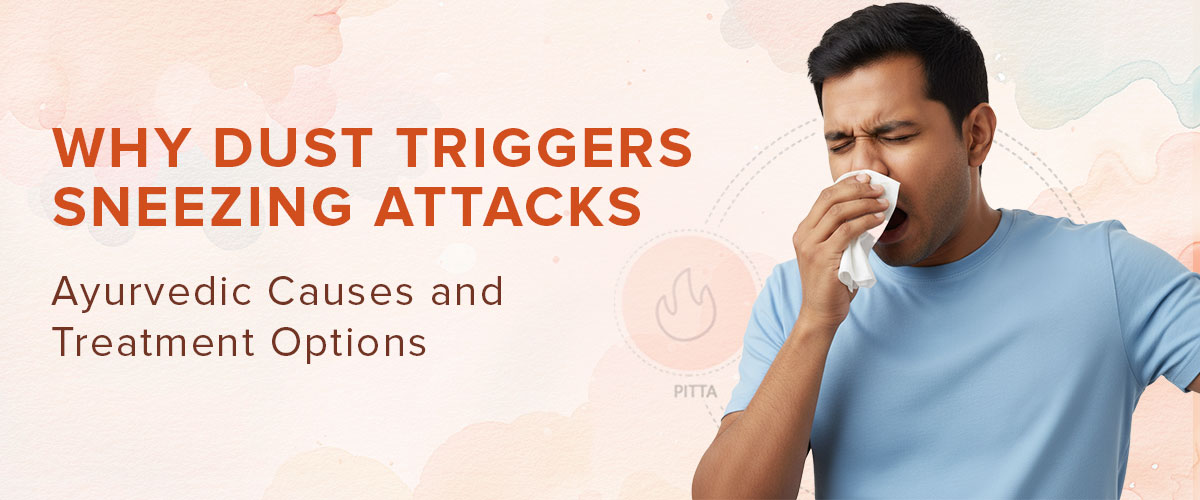
5202A speck of dust floats in the air, you inhale, and suddenly a relentless cascade of sneezes follows. The reaction keeps happening to you, but it feels more intense than it should. A person who suffers from a sneezing attack actually experiences an advanced protective response that resembles a basic reflex. Your body reacts to foreign threats by creating an urgent response that quickly removes nasal blockages, which indicates your airways are fully open.
What Happens When You Inhale Dust?
The process begins when you inhale dust, as your body activates its defense system to block particulate matter from accessing your lungs. The nose creates rapid communication through which it sends information directly to the brain.
Your nasal passages act as vigilant sentinels. The moment dust enters, specialized sensors detect the foreign particles. The body activates a strong reflex which causes your vocal cords to shut, your lungs to contract, and your nose to release air forcefully in an attempt to remove the intruder.
Why Sneezing Becomes Repetitive
A single sneeze often fails to eliminate all the tiny particles that irritate. The sensory nerves keep sending signals when dust particles stay stuck inside the nasal mucus. Your body continues to attempt internal environmental restoration, which leads to uncontrollable sneezing that happens repeatedly.
Why Dust Triggers Sneezing Attacks
A person will experience a normal sneeze reflex when they have to sneeze, but their body will enter an enhanced protective state during an entire sneeze "attack" situation. The body reacts through physical discomfort and strong immune system activities against the invader.
Key Triggers for Sneezing Fits
- Irritation of Nasal Lining: Dust particles function as tiny physical irritants that damage the sensitive mucosal lining of the nose. The continuous force creates a specific "trigger point," which causes the nerves to continue activating until the harmful substance is fully removed from the body.
- Immune System Overreaction: The immune system of sensitive individuals considers dust to be a more hazardous substance than typical dust. The body responds to this situation by releasing histamines along with other chemical substances, which cause nasal passage inflammation and bring about strong sneezing reactions.
- Hypersensitive Airways: Dust and pollution exposure causes nasal passages to become hyperactive because of repeated contact with these substances. The "high-alert" state causes the body to react with extremely small dust particles, which cause damaging and extended sneezing episodes.
Signs & Symptoms Associated with Sneezing Attacks
A sneeze attack marks the beginning of a bigger swelling process in the body. The additional symptoms transform a basic reflex into an entire day of persistent pain.
- Runny Nose: A nasal discharge that appears thin and clear emerges as a common result of sneezing because the body generates more fluid to eliminate the irritating substances.
- Itchy Throat and Nose: People experience a permanent throat itch that begins in the back of the throat and extends into the interior of the nostrils, which leads to their first sneeze.
- Post-Nasal Drip: When the nose produces excess mucus, it can trickle down the back of the throat, causing a constant need to swallow or clear your throat.
- Fatigue: A series of powerful sneezes drains your body of strength. Your body experiences both muscle contractions and an immune response that leads to fatigue and weakness.
- Frequent Sneezing Fits: The most recognizable sign is "paroxysmal sneezing," which consists of multiple sneezes that occur in rapid succession and create breathing difficulties.
- Nasal Congestion: Dust particles cause the nasal tissues to swell, which results in a blocked nose that prevents you from breathing through your nose.
- Watery Eyes: The irritation begins in the nose, but it spreads to the eyes, which become red, itchy, and watery as the body attempts to eliminate the allergens.
Risk Factors That Worsen Sneezing Attacks
Any minor annoyance can develop into a long-lasting condition through multiple lifestyle factors. Dust that builds up in carpets and vents creates poor indoor air quality, which increases your exposure to harmful elements throughout the day. Heavy cold foods create more mucus, which makes your nasal passages more vulnerable to becoming irritated. Your immune system becomes weaker when you live an irregular schedule that includes unpredictable sleep and meal times, which decreases your body's capacity to deal with environmental stressors.
Complications If Left Untreated
People who ignore their repeated sneezing episodes will develop long-lasting breathing difficulties. The ongoing inflammation will progress into chronic sinusitis, which keeps the sinus cavities in a state of painful swelling. Nasal blockage occurs because of this condition, which creates breathing difficulties during quiet moments when sneezing does not happen. These symptoms lead to sleep disturbances because nighttime congestion and sneezing fits disrupt restorative rest, which causes chronic fatigue.
Diagnosis of Dust-Induced Sneezing
The identification of a simple reflex versus a chronic allergy condition forms the main basis for successful sneezing problem management. A precise diagnosis enables the creation of an effective strategy that decreases environmental sensitivity.
- Symptom Pattern Analysis: Doctors evaluate how often the attacks occur, their severity, and whether they are tied to specific times of the day or environments.
- Allergen Identification: The determination of the exact allergenic source requires identification of household dust or pet dander, or outdoor pollen as the responsible trigger.
- Physical Examination: The examination of the nasal passages by a medical expert allows for the detection of chronic inflammation and swelling signs, which point to permanent nasal hypersensitivity.
- Allergy Testing: The testing of skin through prick tests and blood testing determines whether your body develops immune reactions to dust mites and other environmental allergens.
Who Is More Prone to Dust Allergies?
The human body has different ways of responding to dust particles. The combination of biological factors and environmental conditions increases the risk of people experiencing continuous sneezing episodes.
- Individuals with Allergic History: The genetic makeup of a person determines their likelihood of developing respiratory allergies in cases where their parents have hay fever or asthma.
- People Living in Polluted Environments: The nasal lining becomes damaged when people continuously experience urban pollution and indoor spaces with inadequate ventilation, which leads to increased dust-related nasal irritation.
- Those with Weakened Health Systems: The body experiences internal balance problems because of digestive issues and ongoing stress, which causes the immune system to react excessively and results in increased toxin accumulation and heightened sensitivity to outside substances.
Ayurvedic Understanding of Dust-Induced Sneezing Attacks
The Ayurvedic explanation states that dust-related sneezing occurs when Kapha and Vata doshas experience imbalance and when digestive power (Agni) and toxin accumulation (Ama) are present.
- Kapha Imbalance: The nasal passages produce too much mucus because of this condition, which results in nasal blockage and a feeling of heaviness. The body uses sneezing to remove excess mucus that has developed in response to dust entering the system.
- Vata Aggravation: Sneezing results as Vata controls all involuntary body movements. The condition creates nasal pathways that become extremely sensitive, leading to uncontrollable sneezing that occurs in fast and unexpected bursts.
- Weak Agni: The body experiences weakened defense mechanisms because of poor digestion. The body develops stronger reactions against dust, which leads to more severe allergic symptoms.
- Ama Accumulation: Toxins known as Ama develop when digestion functions improperly, which combines with Kapha to produce thick sticky mucus. The substance blocks the nasal passages, which leads to increased nasal irritation and sneezing.
- Pranavaha Srotas Blockage: The respiratory channels become obstructed by mucus and toxins, disturbing normal airflow. The body responds by producing multiple sneezes, which work to remove the existing obstructions.
The combination of Kapha (which causes mucus buildup) and Vata (which creates sensitivity and reflex actions) leads to sneezing attacks that become worse with the presence of Ama. The treatment of these conditions helps to decrease sensitivity to dust while stopping the recurrence of sneezing attacks.
Jiva Ayurveda Approach for Dust-Induced Sneezing Attacks
The Jiva method focuses on restoring your dosha balance to treat dust hypersensitivity and control your sneezing episodes. The approach improves Agni (digestive fire) by removing toxins (Ama) and reducing excess Kapha, which helps to clear nasal passages and stabilize respiratory responses.
Jiva’s Personalized Treatment Pillars Include:
- Root-Cause Diagnosis (Nidana): The practitioner assesses whether the sneezing episodes result from Kapha imbalance, which leads to excessive mucus production and nasal congestion, or Vata imbalance, which causes dryness and increased sensitivity to environmental elements like dust.
- The Chikitsa Service: The service offers custom herbal treatments that help treat allergic symptoms while improving nasal breathing and protecting the body from illness.
- Panchakarma (Detoxification): The detox therapies serve as a treatment solution for chronic cases to remove the harmful Ama toxins that have built up in their bodies. The therapies assist in mucus reduction while they purify the respiratory system and decrease the body's allergic response to dust particles.
- Diet & Lifestyle (Aahara-Vihara): The customized plan provides users with warm, light, and easily digestible foods that help them achieve Kapha balance while improving their digestive capacity, and it includes daily routines that help them avoid dust and enhance their respiratory system.
The holistic approach goes beyond symptom relief. The treatment reduces sneezing frequency while boosting immune function and keeping respiratory health stable over time.
Ayurvedic Medicines for Dust-Induced Sneezing Attacks
The natural remedies aim to reduce allergic reactions while they eliminate excess mucus and boost the immune system strength. The medicines operate at three different levels, which include Kapha balance, Vata calming, and respiratory defense system improvement to avoid recurring sneezing.
Commonly Used Ayurvedic Medicines Include:
- Haridra Khanda: A classical formulation widely used for allergies. The product reduces sneezing and itching while it protects the body against dust and allergens.
- Tribhuvan Kirti Rasa: The medicine treats both allergic reactions and common cold symptoms. The product reduces nasal congestion while it clears nasal pathways and enables the body to deal with outdoor allergens.
- Guduchi (Giloy): The herb boosts immunity while it helps people tolerate dust allergens, which decreases their occurrence and intensity of sneezing episodes.
- Anu Taila (Nasal Oil): The product provides nasal application through Nasya, which helps preserve nasal passages by lubricating them and reducing their dryness and irritation while keeping dust particles from entering the nose.
- Yashtimadhu (Licorice): The herbal remedy relieves throat discomfort and swelling, which occurs from persistent sneezing and post-nasal drip.
The remedies provide effective sneezing control, which leads to better respiratory health and reduced dust sensitivity when people use them according to expert instructions.
Ayurvedic Therapies for Dust-Induced Sneezing Attacks
Therapies work to clear nasal passages while minimizing mucus buildup, and they provide relief for people with respiratory hypersensitivity. The treatments restore body balance, which helps stop people from sneezing because of dust exposure.
The most common Ayurvedic treatments consist of the following methods:
- Nasya (Nasal Therapy): The treatment uses medicated oils, which are applied through the nostrils to wash away extra mucus while it hydrates the nasal passages and lowers dust allergy sensitivity. The treatment opens obstructed pathways, which result in better respiration.
- Swedana (Steam Inhalation): The herbal steam treatment helps to break up heavy mucus, which enables easier nasal breathing. The treatment provides relief for nasal lining inflammation while it lessens the severity of sneezing episodes.
- Vamana (Therapeutic Emesis): The detox treatment is recommended for patients who experience chronic symptoms along with high Kapha levels because it helps their body eliminate extra mucus, which leads to permanent allergies.
- Dhoomapana (Herbal Smoke Therapy): The treatment involves patients who need to breathe medicated herbal smoke, which helps their body dry out Kapha while it opens their nasal passages and stops them from sneezing because of dust exposure.
- Jala Neti (Nasal Cleansing): The basic cleaning method uses saline water to wash away dust and allergens from the nasal passages, which prevents irritation while it decreases the occurrence of sneezing.
The therapies give immediate relief from symptoms while they help build up respiratory function and decrease long-term allergic reactions to environmental factors that include dust.
Diet for Dust-Induced Sneezing Attacks (Ayurvedic Guide)
| Category | What to Include | What to Avoid |
| Beverages | Warm water, ginger tea, tulsi tea, turmeric milk | Cold drinks, iced water, packaged juices |
| Breakfast | Warm, light foods like poha, upma, and moong chilla | Cold milk with cereals, refrigerated foods |
| Fruits | Seasonal fruits (apple, papaya, pear) | Banana (especially at night), excess citrus |
| Dairy | Buttermilk (daytime, spiced), warm milk with turmeric | Curd (especially at night), cold milk, ice cream |
| Grains & Meals | Khichdi, chapati, rice with dal, cooked vegetables | Fried foods, heavy oily meals, and fast food |
| Snacks | Roasted chana, makhana, and herbal tea | Chips, cold desserts, bakery items |
| Spices | Ginger, black pepper, turmeric, cumin | Excess sugar, processed foods, and artificial flavors |
| Night Routine | Warm turmeric milk, ginger water | Late-night cold drinks, chilled desserts |
How Patients Are Assessed for Dust-Induced Sneezing Attacks at Jiva Ayurveda
At Jiva Ayurveda, assessment focuses on identifying the root cause and restoring balance.
- Sneezing pattern and its frequency on dust exposure are analysed
- Nasal sensitivity and mucus accumulation are evaluated
- Dosha imbalance (especially Kapha and Vata) is assessed
- Digestion (Agni) and toxin accumulation (Ama) are examined
- Medical history and recurrence of sneezing episodes are reviewed
- Lifestyle habits, including environment and dust exposure, are analysed
Our Step-by-Step Care Process
At Jiva Ayurveda, every process of the treatment is carried out in an organised and structured manner to give you the best personalised experience of Ayurvedic treatment for thyroid and digestive issues.
1. Share Contact Details: After submitting your details, you can also reach out to us directly at 0129 4264323 to start the consultation process and get your metabolic issues treated.
2. Appointment Confirmation: An appointment with our experienced and well-trained Ayurvedic doctors specialising in thyroid and digestive issues is arranged for you. You can choose to consult with our doctors in the mode that best suits you:
- Clinic: We have over 80 Jiva clinics in different cities, and you can come to the nearest clinic to consult with our doctor face-to-face.
- Video Consultation (Rs. 49): In case you are not able to locate our clinics in your city, you can also consult with our doctor online, which will be available to you at a discounted price of Rs. 49 (regular price: Rs. 299). Simply give us a call at 0129 4264323 to connect with our experts from home itself.
3. Detailed Diagnosis: Our experienced doctor will consult with you to understand your thyroid issues, digestive problems, and “Agni” (metabolic fire) to diagnose the root cause of the problem in your body.
4. Root Cause-Based Treatment Plan: A personalised treatment plan is designed using herbal medicines and therapies to balance Kapha, regulate Vata, strengthen Agni, and reduce Ama.
Healing Timeline for Dust-Induced Sneezing Attacks
Initial Weeks: Mild relief in sneezing frequency may be noticed. Nasal irritation reduces slightly, and mucus production begins to decrease as diet and lifestyle changes take effect.
1–3 Months: With consistent Ayurvedic care, sneezing attacks reduce significantly. Nasal sensitivity decreases, breathing becomes clearer, and the body reacts less intensely to dust exposure. Improved digestion supports stronger immunity.
3–6 Months: Marked improvement is seen with minimal or no sneezing attacks. Nasal passages remain clear, mucus formation stabilizes, and sensitivity to dust reduces significantly, with rare recurrence.
What Results Can You Expect?
Ayurvedic treatment focuses on balancing doshas, improving Agni (digestion), and reducing Ama (toxins). With consistency, you can expect:
- Reduced frequency and intensity of sneezing attacks
- Less nasal congestion and mucus buildup
- Improved breathing and nasal comfort
- Reduced sensitivity to dust and allergens
- Stronger immunity and respiratory health
- Better digestion and overall well-being
Estimated Cost of Treatment at Jiva Ayurveda – Dust-Induced Sneezing Attacks
Understanding the financial aspect of your treatment is important. At Jiva Ayurveda, transparent pricing helps you choose a plan suited to your condition and needs.
Treatment Cost:
For patients seeking standard, ongoing care for dust-induced sneezing, the monthly cost of medicine and consultation typically ranges from Rs. 3,000 to Rs. 3,500. This is an estimated baseline and may vary based on individual condition and severity.
Protocol:
For a more structured and holistic approach, specialised package protocols are available. These focus on reducing allergic sensitivity, clearing nasal passages, and restoring long-term balance. The package includes:
- Medicine
- Consultation
- Mental well-being sessions
- Yoga and meditation
- Diet guidance
- Therapies
The cost for this protocol ranges from Rs. 15,000 to Rs. 40,000 for a 3 to 4-month treatment duration.
Jivagram:
For individuals requiring intensive care, Jivagram offers an immersive healing environment that supports deep detoxification and respiratory strengthening. It includes:
- Authentic Panchakarma therapies
- Sattvic meals
- Modern healing services
- Comfortable accommodation
- Additional wellness facilities
An immersive stay at Jivagram costs approximately Rs. 1 Lakh for 7 days, providing continuous personalised care.
Why Patients Trust Jiva Ayurveda
Our method is centred around personalised, root cause-based treatment that works to heal the body from the inside out.
- Root Cause-Based Treatment: Our treatment strategy is to treat the root cause of the imbalance, not just the symptoms.
- Customised Care Plans: Our patients receive personalised care plans that are tailored to their individual Prakriti (constitution), diet, and lifestyle.
- Protocol-Based Analysis and Treatment: Our treatment protocols are evidence-based, Ayurvedic approaches to treating hormonal and digestive imbalances.
- Authentic Medicines: Our Ayurvedic medicines are genuine and made in licensed facilities to ensure safety and efficacy.
- Proven Scale & Expertise: Our physicians have seen over 8,000 patients daily and have extensive experience in treating complex chronic diseases.
- High Success Rate: Our patients have seen significant improvements in their health, with over 90% reporting positive changes in their health.
- Reduced Dependency: 88% of our patients can significantly reduce or eliminate their dependency on conventional medications.
Modern vs Ayurvedic Approach for Dust-Induced Sneezing Attacks
| Aspect | Modern Approach | Ayurvedic Approach |
| Focus | Symptom relief by controlling allergic reactions | Root cause correction and dosha balance |
| Cause Understanding | Dust, allergens, and immune system overreaction | Kapha imbalance (mucus), Vata sensitivity, Ama, and weak Agni |
| Treatment | Antihistamines, nasal sprays, decongestants | Herbal medicines, Nasya therapy, detox (Panchakarma) |
| Relief | Quick but often temporary | Gradual but long-lasting and sustainable |
| Approach to Sneezing | Blocks histamine and reduces symptoms | Clears mucus, calms sensitivity, and strengthens the respiratory system |
| Digestive Role | Rarely addressed | Strong focus on improving digestion (Agni) |
| Immunity | Limited long-term immune support | Enhances immunity and reduces recurrence |
| Lifestyle Changes | Basic advice like avoiding dust exposure | Detailed routine (Dinacharya), diet, and breathing practices |
When to Consult a Doctor
You must seek medical advice if:
- Sneezing attacks persist for weeks or keep recurring frequently
- Symptoms worsen over time or become more severe
- Breathing becomes difficult, or wheezing develops
- Severe nasal blockage or sinus pain occurs
- Sleep is disturbed due to continuous sneezing or congestion
Conclusion
Dust-induced sneezing may seem like a minor irritation, but it often reflects deeper imbalances, especially related to Kapha, Ama, and weakened Agni. While dust acts as the trigger, the intensity of your reaction depends on your internal health.
If you experience persistent sneezing, nasal congestion, or allergy symptoms, consult Jiva Ayurveda doctors for personalized care. Call: 0129-4264323.