
Successful Treatments
Clinics
Doctors
Ayurvedic Treatment for systemic-lupus-erythematosus
 Published on 10 Oct, 2026
 Updated on 10 Oct, 2026

- Home / Diseases & Ayurveda / Autoimmune Disease / Ayurvedic Treatment for systemic-lupus-erythematosus
Systemic Lupus Erythematosus is a chronic health condition that can influence different parts of the body and significantly affect a person’s overall health and quality of life. The symptoms may appear gradually and can differ from one individual to another, which often makes early detection challenging. Proper awareness and timely medical care play an important role in managing the condition effectively.
What is Systemic Lupus Erythematosus (SLE)?
Systemic Lupus Erythematosus (SLE), commonly called lupus, is a chronic disease of the immune system. In this disease, the immune system overreacts to the body's normal tissues, leading to damage. This overreaction of the immune system results in inflammation of various body parts, including the skin, joints, kidneys, heart, lungs, and even the brain.
The disease progresses at different rates in different people. It can be mild or severe. It comes in waves. At times, the symptoms of the disease are more pronounced, while at other times they are less severe. The exact cause of the disease is not yet understood. It is believed that a combination of genetic, hormonal, and environmental factors contributes to the occurrence of the disease.
Lupus affects more women than men. It affects those who are between 15 and 45 years of age. The disease, however, can affect people of any age. Early diagnosis of the disease and proper management of the condition are essential to control the symptoms of the disease.
Types of Lupus
There are various kinds of lupus, depending on the part of the body that is attacked by the disease and how serious that attack is. These include:
- Systemic Lupus Erythematosus (SLE): This is the most common kind of lupus. It can affect various parts of the body, including the skin, joints, kidneys, heart, lungs, and brain. Its symptoms may vary from mild to severe, including flare-ups.
- Cutaneous Lupus Erythematosus: As the name suggests, this kind of lupus attacks the skin. Its symptoms include skin rash, lesions, and sun sensitivity. A typical symptom of this kind of lupus is a rash that appears as a butterfly on the face, covering the cheeks and the bridge of the nose.
- Drug-Induced Lupus: As the name implies, this kind of lupus manifests itself as a side effect of medication. Its symptoms are similar to SLE, but they are temporary and resolve once the medication is stopped.
- Neonatal Lupus: A very rare kind of lupus, this appears in newborn babies. It occurs as a result of maternal antibody transmission from mother to child. Its symptoms include skin rash, liver problems, and heart problems, but they resolve with proper care.
Symptoms of Systemic Lupus Erythematosus
Common symptoms of SLE include:
- Severe fatigue and weakness
- Joint pain and swelling
- Butterfly-shaped rash on cheeks and nose
- Fever without a clear reason
- Hair loss
- Ulcers in the mouth
- Chest pain or difficulty breathing
- Kidney problems
- Sensitivity to sunlight
- Headache or memory problems
Causes of Systemic Lupus Erythematosus
The exact cause of SLE is not well understood, but it has been attributed to the following factors that may trigger the disease:
- Genetic factors – family history of autoimmune diseases
- Hormonal factors – women are more likely to be affected, especially during pregnancy
- Environmental factors – infections, exposure to the sun, and toxins
- Medications – certain drugs can cause drug-induced lupus
- Stress or trauma
These factors can cause the immune system to turn against the body.
Stages of Systemic Lupus Erythematosus
Unlike other kinds of disease, lupus does not really have stages. However, its progression can be explained as follows:
- Mild Stage: At this stage, fatigue, joint pain, and mild skin rash may appear. These do not affect any of the major organs of the body.
- Moderate Stage: At this stage, inflammation of body parts becomes more apparent. Joint pain, skin rash, and mild organ involvement, including lungs and heart, may also appear.
- Severe Stage: At this stage, major organs of the body, including the kidneys, brain, and heart, may be attacked.
Diagnosis of Systemic Lupus Erythematosus (SLE)
Systemic Lupus Erythematosus can be difficult to diagnose as its manifestations are similar to those of many other conditions. A doctor usually relies on a combination of a patient’s history, a physical examination, and a series of tests to come up with a diagnosis.
- Medical history and physical examination: A doctor may check for manifestations like joint pain, rashes, fatigue, and organ-related problems.
- Blood tests: Tests like the antinuclear antibody screen, as well as other specific blood tests, can aid in identifying immune system problems that are characteristic of lupus.
- Urine tests: These tests are often conducted to evaluate organ problems, like those that affect the kidneys, in lupus patients.
- Imaging tests: These tests, like X-rays and ultrasound, can aid in identifying organ and joint problems.
- Biopsy: In some cases, a doctor may perform a biopsy, such as a skin or kidney biopsy, to identify organ problems that are characteristic of lupus.
Risks and Complications of Systemic Lupus Erythematosus
Systemic Lupus Erythematosus is a disease that can affect many parts of the body. It is therefore important that it is managed well in order to avoid complications.
- Kidneys (Lupus Nephritis): In lupus, the immune system can cause inflammation in the kidneys, affecting their ability to filter waste and excess fluids from the blood. If not treated properly, this may lead to kidney damage and other serious health problems
- Joint Problems: Inflammation caused by lupus can affect the joints, leading to pain, swelling, stiffness, and difficulty in movement. This discomfort may interfere with daily activities and reduce joint flexibility over time.
- Skin Complications: Many people with lupus experience skin-related symptoms such as rashes, increased sensitivity to sunlight, and skin lesions. These symptoms may worsen after exposure to sunlight and can sometimes leave marks or scars.
- Heart and Lung Issues: Lupus-related inflammation can affect the tissues surrounding the heart and lungs. This may lead to chest pain, shortness of breath, or difficulty breathing, especially during physical activity.
- Nervous System Problems: In some cases, lupus can affect the nervous system, causing symptoms such as headaches, memory difficulties, confusion, mood changes, and, in rare situations, seizures.
- Increased Risk of Infections: Since lupus affects the immune system, and certain medications used for treatment can weaken immunity, individuals with lupus may be more vulnerable to infections and illnesses.
Auto-immune Symptoms
Fatigue
Fatigue: Feeling very tired or exhausted
Pain in the joints with swelling
Joint pain with swelling: Achy joints that also appear puffy or swollen
Skin rashes that resemble a butterfly-shaped rash on the face
Butterfly-shaped rashes on the skin of the face, generally reddish in colour
Fever
Having fever with a body temperature that is higher than normal
Hair loss
Unusual sudden loss of hair
Ulcers in the mouth
Sudden emergence of Sores or ulcers inside mouth
Kidney related issues
Facing pain in lower abdomen, trouble with urination or noticing signs of swelling
Chest pain
Sudden chest pain
Shallow breathing
Shallow breathing making you feel breathless
Ayurvedic Understanding of Systemic Lupus Erythematosus (SLE)
In Ayurveda, conditions similar to Systemic Lupus Erythematosus are understood as disorders caused by imbalanced doshas (Vata, Pitta, and Kapha) along with the accumulation of Ama (toxins) in the body. When digestion (Agni) becomes weak, toxins build up and circulate through the bloodstream, disturbing the body’s tissues and immune response.
Ayurveda also relates autoimmune conditions like SLE to disturbances in Rakta Dhatu (blood tissue) and Ojas, the vital energy responsible for immunity and overall vitality. When these become depleted or imbalanced, the body may start reacting against its own tissues, leading to symptoms such as inflammation, skin rashes, joint pain, and fatigue.
From an Ayurvedic perspective, the treatment approach focuses on:
- Balancing the doshas through personalized diet and lifestyle changes
- Improving digestion (Agni) to prevent toxin formation
- Detoxifying the body using therapies such as Panchakarma when appropriate
- Strengthening immunity and Ojas with herbal support and rejuvenative therapies
The goal of Ayurvedic care is not only to reduce symptoms but also to restore internal balance, support the immune system, and improve overall quality of life.
Jiva Ayurveda’s Treatment Approach for Systemic Lupus Erythematosus (SLE)
Jiva Ayurveda offers a holistic approach to Ayurvedic treatment for Systemic Lupus Erythematosus (SLE) by focusing on taming inflammation, boosting immunity, and restoring overall harmony in the body. SLE is an autoimmune disease in which the body’s immune system attacks healthy body tissues, resulting in skin, joint, and kidney disorders, among other manifestations. Ayurvedic treatment for SLE aims at restoring balance to the imbalanced doshas, eliminating toxins, and increasing the body’s inherent healing power.
Core Principles of the Jiva Ayunique™ Treatment Philosophy
1. HACCP-Certified Ayurvedic Medicines
Jiva Ayurveda provides herbal medicines that have been made under stringent quality and safety standards, which include HACCP certification. These medicines have been designed to reduce inflammation, regulate the immune system, and support the healing processes of the body.
- Balance of Immune System: Certain herbal medicines have been formulated to tone down an overactive immune system, which is responsible for autoimmune diseases. These medicines regulate the immune system, protecting healthy tissues from damage.
- Support for Anti-Inflammatory Processes: Certain herbal medicines have anti-inflammatory properties, which help reduce pain, irritation, and inflammation, thereby improving the quality of life.
- Nourishment of Body Tissues and Detoxification: Certain herbs have been formulated to purify blood and remove toxins from the body, thereby protecting healthy tissues from damage and potentially reducing flare-ups.
2. Dietary Changes
The diet is an important aspect that can be controlled to improve immune functions and reduce inflammation.
- Inflammation-Reducing Foods: Fresh fruits, vegetables, whole grains, and healthy fat consumption can reduce inflammation, thereby improving health conditions.
- Avoidance of Inflammatory Triggers: Avoidance of foods that trigger inflammation, such as processed foods, sugar, and saturated fat, can potentially reduce flare-ups.
- Balanced Nutrition: Balanced vitamins, minerals, and antioxidants provide nourishment to the body, thereby improving immune functions.
3. Panchakarma & Therapeutic Practices
Ayurvedic medicines and therapies have been designed to detoxify the body, thereby improving healing processes.
- Detoxification Therapies: Panchakarma is designed to remove toxins from the body, which can potentially disrupt immune functions and inflammation.
- Abhyanga Oil Massage: Oil massage has been designed to improve circulation, thereby nourishing body tissues, which reduces pain, discomfort, and inflammation in joints and muscles.
4. Lifestyle Changes
Good lifestyle practices are important in managing cases of autoimmune disease.
- Rest and Sleep: Adequate rest promotes the repair of body tissues and maintains the balance of the immune system.
- Stress Management: Too much stress can disrupt the immune system. Stress management techniques are useful in maintaining the stability of mind and body.
- Routine: Maintaining a routine promotes the balance of the body's metabolism of the body.
5. Meditation & Yoga
Mind-body practices are beneficial for the maintenance of physical and mental well-being.
- Meditation: This helps in calming the mind and reducing stress, which otherwise leads to lupus flare-ups.
- Yoga: Yoga practices are beneficial in improving flexibility, blood circulation, and the strength of the body.
- Pranayama (Breathing Techniques): Deep breathing techniques are beneficial in calming the nerves and improving overall health.
How We Assess Patients at Jiva Ayurveda
Doctors at Jiva follow a detailed and personalised diagnostic approach before starting treatment.
1. Detailed Medical History
- Symptoms and duration of illness
- Previous medical treatments
- Family history of autoimmune diseases
2. Ayurvedic Diagnosis
Doctors evaluate the patient using Ayurvedic methods such as:
- Prakriti analysis (body constitution – Vata, Pitta, Kapha)
- Nadi Pariksha (pulse diagnosis)
- Examination of tongue, eyes, and skin
- Lifestyle and dietary habits
3. Root Cause Analysis
The doctor determines underlying factors such as:
- Dosha imbalance
- Toxin accumulation (Ama)
- Weak digestion and immunity
This helps create a personalised treatment plan for each patient.
Our Step-by-Step Patient Care Process:
Expect a Call: Submit your contact details, or you can also call us on 0129 4264323.
Appointment Confirmation.
- You can schedule an appointment and visit us at our clinic for a consultation with our Ayurvedic experts.
- If you are unable to find our clinics near you, you can also schedule an online consultation on 0129 4264323 at a discounted price of Rs. 49 (regular price Rs299) and avail guidance from our doctors at home.
Detailed Diagnosis
Jiva doctor will perform a thorough and detailed diagnosis to identify the root cause of your health problem.
Root-cause Based Treatment
Jiva doctor will recommend a personalised treatment using highly-effective, natural, and Ayurvedic medicines to address symptoms and the root cause.
Ayurvedic Treatment Timeline
The exact timeline varies depending on disease severity and patient response.
Initial Phase (First Few Weeks)
- Detoxification therapies
- Herbal medicines
- Dietary and lifestyle adjustments
Improvement Phase (1–3 Months)
- Reduction in inflammation and symptoms
- Strengthening immunity and digestion
Long-Term Management
- Prevent flare-ups
- Maintain dosha balance
- Continued lifestyle guidance and herbal support
Some patients start noticing improvement within a few weeks, while chronic autoimmune conditions may require longer treatment and follow-ups.
What Results Can You Expect from Jiva Ayurveda?
Ayurvedic treatment aims to manage symptoms, reduce inflammation, and improve immunity. Patients may experience:
- Reduction in joint pain and swelling
- Improvement in skin rashes and inflammation
- Better energy levels and reduced fatigue
- Improved digestion and immunity
- Fewer disease flare-ups
- Better overall quality of life
The goal is long-term disease management by balancing the immune system and detoxifying the body.
Patient Story - Gunadhya Thakur
I spent a lot of money to get relief from my skin problem. I thought it would never heal, and then one day I saw a Jiva show on skin disorders on YouTube, and I decided to consult an Ayurveda doctor. I liked the convenience of consulting Jiva doctors either on a video call or face-to-face in a clinic. Ayurvedic medicines have treated my skin condition completely.
Estimated Cost of Treatment at Jiva Ayurveda
Understanding the financial investment required for your health is important. At Jiva Ayurveda, we make sure of transparency in our service costs, which allows you to choose the most suitable option for your medical needs.
Treatment Cost
For patients who seek standard, ongoing care, the Monthly Cost of Medicine and consultation typically ranges from Rs. 3,000 to Rs. 3,500. Please note that this is an estimated baseline. The final cost depends on the exact nature and severity of the patient's condition.
Protocol
For a more comprehensive, structured approach, we offer specialized Package protocols. These plans are designed to address both physical symptoms and the overall lifestyle correction. The package includes:
- Medicine
- Consultation
- Mental Well-Being Sessions
- Yoga and Meditation
- Diet
The cost for this protocol involves a one-time payment ranging from Rs. 15,000 to Rs. 40,000, which covers the full 3 to 4-month duration of the treatment.
Jivagram
For patients requiring intensive and immersive care, our Jivagram centres offer the ultimate healing experience. Jivagram is a holistic sanctuary set in a peaceful, eco-friendly environment, and it provides:
- Authentic Panchakarma therapies
- Sattvic meals
- Modern healing services
- Comfortable accommodation
- Many more quality-of-life facilities
An immersive wellness stay at Jivagram costs around 1 Lakh for a 7-day duration, ensuring continuous personalised care to help reset your body and mind.
Why Patients Trust Jiva Ayurveda
Over the years, Jiva Ayurveda has gained the trust of thousands of patients who are seeking natural and personalised healthcare solutions. Some of the key reasons for patients’ trust in Jiva Ayurveda:
- Root-Cause Based Treatment
Unlike conventional treatments that address only the symptoms of disease, Ayurvedic treatment focuses on treating the root causes and correcting the underlying imbalances in the body that lead to disease.
- Experienced Ayurvedic Doctors
Jiva Ayurveda boasts of having a huge team of experienced Ayurvedic doctors who thoroughly examine each patient’s condition before recommending treatment for diseases.
- Personalised “Ayunique” Treatment Approach
Ayurvedic treatment is highly personalised and customised according to each individual’s prakriti and lifestyle.
- Holistic Healing
Ayurvedic treatment is not limited to medicines; it also includes dietary and lifestyle modifications, breathing techniques, and stress management to support overall healing of the body and mind.
- Trusted by Patients Across India
A huge percentage of patients have shown improvement in their conditions after adopting Jiva’s treatment plans and recommendations for diseases. This shows how much people trust Jiva Ayurveda for Ayurvedic treatment.
- 95% of patients saw significant improvement within 3 months of treatment.
- 88% of patients stopped allopathic medicines completely.
- 8000+ patients consulation everyday
Modern vs Ayurvedic Treatment
| Aspect | Modern Medicine | Ayurvedic Approach |
| View of disease | An autoimmune disorder where the immune system attacks body tissues | Disease caused by dosha imbalance, weak digestion (Agni), and toxin buildup (Ama) |
| Main goal | Control inflammation and suppress abnormal immune response | Remove toxins, balance Vata–Pitta–Kapha, and strengthen immunity |
| Treatment methods | NSAIDs, corticosteroids, immunosuppressants, biologic drugs | Herbal medicines, Panchakarma detox, diet & lifestyle changes |
| Examples | Drugs like steroids, methotrexate, or biologics to reduce immune activity | Herbs like Ashwagandha, Triphala, Brahmi, Manjistha and detox therapies |
| Focus | Symptom control and prevention of organ damage | Treat the root cause and restore body balance |
Prevention of Systemic Lupus Erythematosus
Although SLE cannot always be prevented, some steps can be taken to reduce the risk of flare-ups and stay as healthy as possible.
- Sun protection for your skin: Too much sun can bring on SLE. Use sunscreen and wear protective clothing.
- Live healthily: A healthy diet, exercise, and plenty of sleep are good for your immune system.
- Deal with stress: Stress can make SLE worse. Yoga, meditation, or deep breathing can improve your well-being.
- Don’t smoke: Smoking can bring on SLE. Smoking can also make SLE worse.
- Get regular checkups: Regular checkups can help detect problems before they start and manage SLE well.
When To Seek Medical Care
It is important to consult a doctor if symptoms suggestive of lupus appear or worsen. Early medical attention can help in proper diagnosis and timely treatment.
- Persistent joint pain, swelling, or stiffness
- Unusual skin rashes, especially after sun exposure
- Constant fatigue or unexplained fever
- Chest pain or difficulty breathing
- Swelling in the legs or changes in urination
- Headaches, confusion, or memory problems
Conclusion
Systemic Lupus Erythematosus is a complex autoimmune condition that can affect multiple organs and significantly impact overall health if not managed properly. Early recognition of symptoms, timely diagnosis, and appropriate treatment are essential to control inflammation and prevent complications. With proper medical care, lifestyle modifications, and regular monitoring, many people with lupus can manage their symptoms and maintain a better quality of life.
If you are experiencing symptoms related to lupus or other autoimmune conditions, consult certified Jiva Ayurveda doctors for personalised guidance and holistic treatment support. Call today: 0129-4264323.
FAQs
Ayurvedic treatment for SLE focus on holistic healing. Effective ayurvedic treatments address the root causes and then works towards recovery pragmatically.
The management of SLE is an ongoing process. The amount of time that is taken to achieve the most appropriate treatment plan for every individual varies.
It's crucial to consult a certified ayurveda expert doctor before taking Ayurvedic medicines along with any prescribed ones.
Most Ayurvedic remedies for SLE used by children are considered safe when given by a professional certified ayurveda expert doctor.
Any Ayurvedic remedy for SLE should first be discussed with a certified doctor before use.
Dosages and numbers of intakes of Ayurvedic medicines for SLE will depend on your condition and the preparation.
Well, Ayurvedic treatments can be used conjointly with other treatments, such as medications or physical therapies.
You can support the individual by tolerating that person, showing empathy to the condition and emotional well being.
Stress management, avoidance of triggers, and having a healthy diet are lifestyle changes.
If you are exhibiting symptoms of SLE, seek the right professional intervention from your healthcare provider.
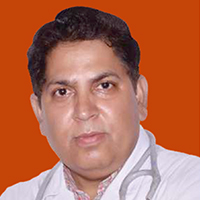
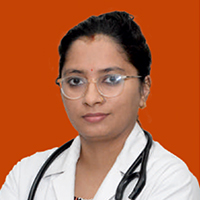
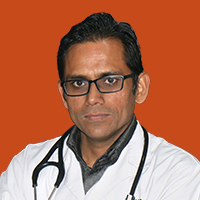
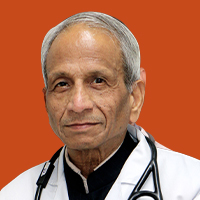
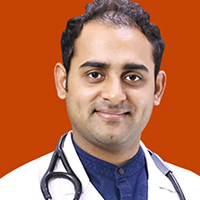
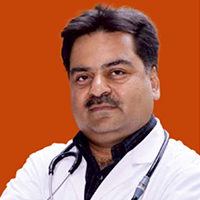
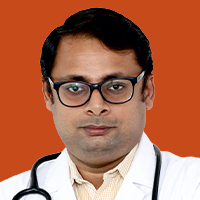
Consult Experienced Ayurveda Doctors for Systemic Lupus Erythematosus


Our Happy Patients
-
 Sunita Malik - Knee Pain
 -
 Abhishek Mal - Diabetes
 -
 Vidit Aggarwal - Psoriasis
 -
 Shanti - Sleeping Disorder
 -
 Ranjana - Arthritis
 -
 Jyoti - Migraine
 -
 Renu Lamba - Diabetes
 -
 Kamla Singh - Bulging Disc
 -
 Rajesh Kumar - Psoriasis
 -
 Dhruv Dutta - Diabetes
 -
 Atharva - Respiratory Disease
 -
 Amey - Skin Problem
 -
 Asha - Joint Problem
 -
 Sanjeeta - Joint Pain
 -
 A B Mukherjee - Acidity
 -
 Deepak Sharma - Lower Back Pain
 -
 Vyjayanti - Pcod
 -
 Sunil Singh - Thyroid
 -
 Sarla Gupta - Post Surgery Challenges
 -
 Syed Masood Ahmed - Osteoarthritis & Bp
Diagnostic Marker
Home Remedies
Related Disease
- Ayurvedic Treatment for HIV AIDS
- Ayurvedic Treatment for Coeliac Disease
- Ayurvedic Treatment for Vitiligo
- Ayurvedic Treatment for Fibromyalgia
- Ayurvedic Treatment for Urticaria Hives
- Ayurvedic Treatment for systemic-lupus-erythematosus
- Ayurvedic Treatment for Colloid Goitre
- Ayurvedic Treatment for Multiple Sclerosis
- Ayurvedic Treatment for Parkinson's Disease
- Ayurvedic Treatment for sarcoidosis
- Ayurvedic Treatment for Sickle Cell Anaemia
- Thyroid Treatment In Ayurveda
- Ayurvedic Treatment for Eczema
- Ayurvedic Treatment for Ankylosing Spondylitis
- Ayurvedic Treatment for Rheumatoid Arthritis
- Ayurvedic Treatment for Scleroderma
- Ayurvedic Treatment For Dermatomyositis
- Ayurvedic Treatment for Graves Disease
- Ayurvedic Treatment for Eosinophilia
- Ayurvedic Treatment for Mouth Ulcers
- Ayurvedic Treatment for Ulcerative Colitis
Latest Blogs
- बच्चों में weekend sleep timing बदलना Monday mood को कैसे प्रभावित कर सकता है
- Is Fasted Intense Exercise a Good Idea for Every Woman
- Health Tracking Every Hour: Helpful Awareness Or Another Source Of Stress?
- फोन देखते हुए चलना सिर्फ accident risk नहीं—posture और breathing पर क्या असर पड़ता है
- Bloating Before a Period: Why Lifestyle Can Change How It Feels
- बहुत जल्दी खाना खाने से पेट भरने का signal देर से क्यों मिलता है
- ‘No Added Sugar’ Doesn’t Automatically Mean Low Sugar—Here’s Why
- Online meetings के बीच zero movement दिन के अंत में stiffness क्यों बढ़ाता है?
- Screen brightness और late-night work sleep readiness को कैसे बदलते हैं
- Warm Vs Cold Foods: How To Discuss The Ayurvedic Idea Without Turning It Into A Myth
- Noise-cancelling headphones घंटों पहनना mental fatigue को कम करता है या बढ़ा सकता है?
- Sugar-Free Biscuits: Better Choice Or A Health Halo?
- Why a Long Afternoon Nap Can Make Bedtime Surprisingly Difficult
- Scrolling While Eating: The Habit That Makes Meals Harder to Remember
- The Forward-Head Posture You Don’t Notice Until Evening
- Are Seed Mixes Useful—Or Just Easy To Overeat?
- Laptop on the Sofa: Why Neck and Hip Stiffness Show Up Later
- Why Your Eyes Feel Tired Even When Screen Brightness Seems Fine
- Is A Standing Desk A Complete Fix For Too Much Sitting?
- Why a Damp Bathroom Can Affect More Than Just the Walls
Ayurvedic Doctor In Top Cities
- Ayurvedic Doctors in Bangalore
- Ayurvedic Doctors in Pune
- Ayurvedic Doctors in Delhi
- Ayurvedic Doctors in Hyderabad
- Ayurvedic Doctors in Indore
- Ayurvedic Doctors in Mumbai
- Ayurvedic Doctors in Lucknow
- Ayurvedic Doctors in Kolkata
- Ayurvedic Doctors in Patna
- Ayurvedic Doctors in Vadodara
- Ayurvedic Doctors in Ahmedabad
- Ayurvedic Doctors in Chandigarh
- Ayurvedic Doctors in Gurugaon
- Ayurvedic Doctors in Jaipur
- Ayurvedic Doctors in Kanpur
- Ayurvedic Doctors in Noida
- Ayurvedic Doctors in Ranchi
- Ayurvedic Doctors in Bhopal
- Ayurvedic Doctors in Ludhiana
- Ayurvedic Doctors in Dehradun