
Successful Treatments
Clinics
Doctors
Thyroid Treatment In Ayurveda
 Published on 09 Oct, 2026
 Updated on 09 Oct, 2026

Thyroid problems are becoming more common and can affect energy levels, weight, mood, and overall health. The thyroid is a gland that controls many vital functions in the body. Even slight imbalances can cause noticeable symptoms. Jiva Ayurveda has natural ways to help thyroid problems by restoring balance in the body and its hormones. With proper knowledge and implementation, thyroid problems can be effectively managed, and overall health can be improved.
What Is Thyroid?
The thyroid is a butterfly-shaped gland in the neck that regulates metabolism by producing T3 and T4 hormones. Imbalances can lead to hypothyroidism or hyperthyroidism, affecting energy, weight, and overall health. Ayurveda treats thyroid issues naturally by restoring dosha balance and supporting gland function
What Are The Main Types of Thyroid?
Thyroid conditions are health problems that affect the metabolism and energy of the body. The thyroid plays a crucial role in controlling many functions in the body, and when it fails to do so, it may lead to an impact on weight, energy, and temperature. It is important to identify the type of thyroid condition for proper treatment.
There are two main types of Thyroid disorders:
- Hyperthyroidism: This occurs when the thyroid gland produces too many hormones and speeds up the body’s metabolism. Common symptoms include weight loss, a rapid heartbeat, and feeling unusually hot.
- Hypothyroidism: This occurs when the thyroid doesn’t produce enough hormones, and the body’s metabolism slows down. The symptoms include weight gain, fatigue, and feeling cold.
What Are The Common Causes of Thyroid
The hormones that the thyroid gland produces help regulate several body functions. If it does not work correctly, it could result in various health issues. Thyroid issues may occur for many different reasons, from autoimmune disorders to environmental factors.
Here are the most common thyroid causes:
- Autoimmune disorders: The immune system of the body may mistakenly target the thyroid gland, resulting in conditions such as Hashimoto’s thyroiditis, which slows down the production of thyroid hormones, and Graves’ disease, which causes the thyroid gland to become hyperactive.
- Iodine imbalance: The thyroid gland needs iodine to produce thyroid hormones. If the body lacks iodine, the thyroid gland may become sluggish, but too much iodine can cause the thyroid gland to become hyperactive.
- Thyroid surgery: When the thyroid gland is partially or completely removed, it can lead to reduced production of thyroid hormones, which can cause hypothyroidism or require the person to take thyroid hormones for the rest of their lives.
- Radiation therapy: Radiation therapy, used to treat cancer or other medical conditions, can damage the thyroid gland and impair its ability to produce thyroid hormones.
- Medications: Certain medications, including lithium, used to treat people with bipolar disorder, can affect the production of thyroid hormones. Taking these medications for a long time can increase the risk of hypothyroidism.
- Thyroiditis: Inflammation of the thyroid gland can cause the gland to produce too many hormones initially, followed by a period of reduced hormone production, which can cause temporary or permanent thyroid problems.
- Pregnancy: Hormonal changes during pregnancy can affect the thyroid gland. In some women, thyroid problems can occur temporarily and resolve after pregnancy.
- Genetic Predisposition: A family history of thyroid problems can increase the risk of developing similar conditions. Genetic conditions can make the thyroid gland more vulnerable to other factors, such as diet and stress.
Diagnosis of Thyroid Disorders
Thyroid disorders can be diagnosed by a combination of physical examination, medical history, and laboratory tests. Blood tests that measure the levels of TSH, T3, and T4 can help determine if the thyroid is functioning on the higher or lower side. In some instances, imaging studies or antibody tests may be advised to determine the underlying cause of the thyroid disorder.
Signs and Symptoms of Thyroid
Thyroid disorders can affect many body functions, and the symptoms reflect the gland's important role in metabolism regulation. Recognising these symptoms is essential for timely diagnosis and treatment because they could impact your quality of life.
The following are the most noticeable thyroid symptoms :
- Weight changes
- Mood swings
- Fatigue and tiredness
- Heart rate changes
- Temperature sensitivity
- Hair and skin changes
- Menstrual irregularities
- Swelling in the neck
- Muscle weakness or tremors
Risks and Complications of Thyroid Disorders
If Thyroid Disorder is not properly managed, it can affect multiple body systems and lead to several health complications.
- Heart Problems: Thyroid imbalance may increase the risk of irregular heartbeat, high blood pressure, or other heart-related issues.
- Weight Changes: Uncontrolled thyroid levels can lead to sudden weight gain or weight loss.
- Fatigue and Weakness: Persistent tiredness and low energy levels may affect daily activities.
- Fertility Issues: Thyroid disorders can interfere with menstrual cycles and fertility in some individuals.
- Mental Health Concerns: Anxiety, mood swings, or depression may occur due to a hormonal imbalance.
- Goitre: Enlargement of the thyroid gland may cause swelling in the neck.
Patient Success Stories
Thyroid Symptoms
Weight changes
Unexpected weight gain is typical in hypothyroidism, and unexpected weight loss could suggest hyperthyroidism.
Mood swings
People with thyroid disorders generally have mood changes. An underactive thyroid is related to depression, and an overactive thyroid with anxiety.
Fatigue and tiredness
Unusual fatigue despite adequate sleep is typical of an underactive thyroid.
Heart rate changes
An overactive thyroid may result in a much faster heart rate compared to normal heart rate, while a slow heart rate could suggest an underactive thyroid.
Temperature sensitivity
Hypothyroid individuals generally feel cold, while hyperthyroid people feel too warm or sweat more.
Hair and skin changes
Dry, thinning hair and dry skin are typical in hypothyroidism; thin, fragile skin can occur in hyperthyroidism.
Menstrual irregularities
Women with thyroid problems might experience lighter or heavier periods during their menstruation cycles.
Swelling in the neck
A visible swelling or goiter around the neck may be symptomatic of thyroid disease.
Muscle weakness or tremors
Hyperthyroidism may lead to trembling hands and weakness in the upper arms and thighs.
Ayurvedic Understanding of Thyroid
In Ayurvedic medicine, thyroid conditions are linked to galaganda and gandamala, which are terms for nodular growths or thyroid enlargement that can manifest as goitres. These conditions are caused by imbalances in the doshas of the body, as follows:
- Vata imbalance: Can impact nerve impulses and glandular activity.
- Pitta imbalance: Can cause inflammation and thyroid hyperactivity.
- Kapha imbalance: Can cause a slower metabolism and hormonal stagnation.
Ayurveda also links thyroid conditions with sthoulya (obesity) and karshya (emaciation), which emphasise the relationship between metabolic imbalances and the overall health of the body.
Jiva Ayurveda’s Approach To Treat Thyroid Naturally
Jiva Ayurveda offers holistic thyroid treatment in Ayurveda using evidence-based approaches. The treatment plans are customised to target the very root causes of the disease, and instead of just treating symptoms, they focus on holistic healing, balance, and stability in totality.
Our approach combines HACCP-certified Ayurvedic medicines, curative Panchakarma, rejuvenating massages, and practices like yoga, meditation, and mindfulness to rebalance, boost metabolism, raise energy levels, and reduce stress. When combined with customised diet and lifestyle recommendations, our holistic treatment system works towards overall physical and mental health, helping to achieve optimal health naturally.
Ayurvedic Medicines for Thyroid
Ayurveda provides a natural approach to thyroid disorders, using HACCP-certified natural herbs that are known to restore equilibrium in the body and improve thyroid gland function. These traditional remedies target imbalances in the body's doshas (Vata, Pitta, Kapha) associated with thyroid problems.
The following are Ayurvedic herbs for thyroid disorders:
- Ashwagandha: It helps in managing stress and cortisol levels, which can affect the thyroid. It also helps in managing hormonal imbalances and increasing energy levels, making it effective for both hypothyroidism and hyperthyroidism. It can be used regularly with professional advice to increase metabolism and energy.
- Guggulu: It is known to help in managing thyroid hormone imbalances, especially in hypothyroid patients. It increases metabolism and helps in the body’s natural detoxification process. Using it can help in managing energy levels and fatigue caused by thyroid problems.
- Brahmi: It helps stimulate the thyroid gland by increasing the secretion of T4 hormones. It also helps in improving brain and memory functions. Its soothing properties help in relieving stress, which can have a positive effect on the thyroid gland.
- Aaragvadha: The root bark of Aaragvadha is used in nasal or external preparations to treat swellings in the thyroid gland. It helps in maintaining a healthy thyroid gland and can be used to treat symptoms of thyroid gland enlargement. It can also be used to improve metabolic functions.
- Ginger & Black Cumin: Ginger supports the thyroid, as it can decrease inflammation and improve digestion and blood circulation. Black Cumin has active ingredients that can help regulate hormone levels and support the endocrine system.
These herbs should always be taken under proper professional guidance, as the right choice and dosage depend on your individual body type and condition.
Therapies for Thyroid Disorders
Some Ayurvedic therapies may be recommended to support balance and overall well-being in Thyroid Disorder management.
- Abhyanga (Therapeutic Oil Massage): A warm herbal oil massage that helps improve circulation and supports relaxation.
- Shirodhara: A therapy where a continuous stream of medicated oil is poured over the forehead to promote mental calmness and balance.
- Nasya Therapy: Medicated oils or herbal preparations are administered through the nasal passages to help support head and neck health.
- Swedana (Herbal Steam Therapy): A steam therapy that helps open body channels and support detoxification.
- Panchakarma Detox Therapies: A group of cleansing procedures aimed at removing toxins and restoring balance in the body.
Lifestyle and dietary changes for thyroid care
Managing thyroid health naturally requires a balanced lifestyle and mindful eating habits. Small daily changes in diet, exercise, and routine can help regulate metabolism, support hormone balance, and improve overall energy.
Lifestyle Tips for Thyroid Health:
- Eat fresh fruits, vegetables, whole grains, nuts, and seeds to support hormone balance.
- Limit processed foods, sugar, and unhealthy fats.
- Avoid smoking and excessive alcohol.
- Exercise regularly and practise yoga or meditation to reduce stress.
- Ensure proper sleep to maintain metabolism and thyroid function.
How To Prevent Thyroid Disorders
Thyroid health is essential for overall energy, metabolism, and well-being. While lifestyle and diet play a major role, other preventive measures like regular check-ups, managing stress, and monitoring environmental exposure can also help protect the thyroid. Taking proactive steps early can reduce the risk of thyroid imbalances and support long-term health.
How We Assess Thyroid Disorder Patients at Jiva Ayurveda
At Jiva Ayurveda, our doctors begin with a detailed evaluation to understand the possible causes of thyroid imbalance. This includes:
- Current symptoms of thyroid imbalances, such as fatigue, weight gain or loss, hair loss, mood swings, or irregular menstrual cycles
- Medical history and any previous treatments or medications related to thyroid problems
- Eating and lifestyle habits that may impact hormonal balances
- Stress levels, sleep patterns, and digestive health, as they impact metabolic rates and health
- Presence of any other health problems or any other medication currently being taken
After this assessment, our team of Ayurvedic physicians creates a personalised plan of care to support thyroid health and well-being.
Our Step-by-Step Care Process
At Jiva Ayurveda, every treatment process is conducted in a structured and organised manner to provide you with a completely personalised and efficient experience of Ayurvedic treatment.
1. Share Contact Details: After submitting your details, you can also connect with us directly at 0129 4264323 to begin the consultation process.
2. Appointment Confirmation: At Jiva Ayurveda, an appointment is fixed with our experienced and trained Ayurvedic doctors. You can also choose the medium of consultation that suits you best.
- Clinic: Jiva Ayurveda has over 80 clinics located in multiple cities, allowing you to visit our nearest clinic and get a face-to-face consultation and treatment.
- Video Consultation (Rs. 49): If you are not able to find a Jiva Ayurveda clinic in your city, you can still take an online consultation with a doctor, available at a discounted price of Rs. 49 (regular price Rs. 299). Simply call us on 0129 4264323 and get in touch with our experienced and skilled Ayurvedic doctors from the comfort of your home.
3. Detailed Diagnosis: Our experienced and skilled doctors consult with you and try to understand your problem and symptoms to identify the main cause of the problem.
4. Root Cause-Based Treatment Plan: According to the diagnosis, a treatment plan is prepared, and a completely personalised treatment is provided to you using natural and herbal medicines.
5. Follow-ups and Progress Monitoring: Regular follow-ups help track improvement and adjust treatment if needed.
Thyroid Disorder Improvement Timeline with Ayurvedic Care
First Few Weeks: Patients may begin to notice improvements in energy levels, digestion, and overall well-being.
1–3 Months: Symptoms such as fatigue, mood fluctuations, or metabolism-related concerns may start improving with consistent treatment.
3–6 Months: With continued care and regular follow-ups at Jiva Ayurveda, many patients experience noticeable improvement in symptoms and better hormonal balance.
What Results Can You Expect?
Our goals in thyroid care at Jiva Ayurveda focus on supporting hormonal balance and improving daily health:
- Increased energy levels and reduced fatigue
- Support for the balance of the metabolism and effective weight control
- Support for the health and appearance of the hair and skin
- Increased levels of well-being and comfort
Patients may start to notice a gradual improvement in their energy and well-being over the course of several weeks, and the balance of endurance will vary depending on the specific disorder, lifestyle, and treatments.
Patient Testimonial – Sunil Singh, Faridabad
“My name is Sunil Singh from Faridabad. My weight used to be around 80 kg, but suddenly it started increasing and reached about 115 kg. When I got my tests done, I was diagnosed with thyroid, and the doctor prescribed 75 mcg thyroxine, but I did not see much improvement. After some time, I also started experiencing chest pain.
Further tests revealed that I had grade 3 fatty liver and even a kidney stone. All these health issues made me very stressed and worried. That’s when I came to know about Jiva Ayurveda. I consulted Dr Pratap Chauhan, who carefully listened to my entire history and explained the root cause of my problems.
He suggested a root-cause-based Ayurvedic treatment plan and guided me about medicines, diet, and lifestyle changes. After following the treatment, I gradually started noticing positive changes in my health, and I feel much more hopeful and better now.”
Estimated Cost of Treatment for Thyroid Disorder at Jiva Ayurveda
Understanding the financial investment required for managing thyroid disorders is important. At Jiva Ayurveda, we ensure transparency so patients can choose the most suitable treatment option for their needs.
Treatment Cost
For patients seeking standard care, the monthly cost of medicine and consultation typically ranges from Rs. 3,000 to Rs. 3,500.
This is an estimated baseline; actual costs may vary depending on the type of thyroid disorder (hypothyroidism, hyperthyroidism, or other imbalances) and severity of symptoms.
Protocol
For a more structured and comprehensive approach, specialised package protocols are available. These focus on balancing thyroid function, improving metabolism, and supporting overall health.
The package includes:
- Medicine
- Consultation
- Mental Well-Being Sessions
- Yoga and Meditation
- Diet
- Therapy
The one-time payment ranges from Rs. 15,000 to Rs. 40,000, covering the 3 to 4-month duration of treatment.
Jivagram
For patients requiring immersive care, Jivagram offers a holistic, peaceful environment with:
- Authentic Panchakarma therapies
- Sattvic meals
- Modern healing services
- Comfortable accommodation
- Other wellness facilities
An immersive 7-day stay at Jivagram costs around Rs. 1 Lakh, ensuring continuous personalised care for restoring thyroid balance and overall well-being.
Why Patients Trust Jiva Ayurveda
Our methodology at Jiva Ayurveda is centred around personalised and root cause-based Ayurvedic treatment that is specifically focused on catering to the health and wellness needs of individual patients.
- Root Cause-Based Treatment: Instead of treating the symptoms, our treatment methods are focused on treating and curing the disease or health condition itself.
- Customised Treatment Plans: Our doctors provide a customised treatment plan to each patient based on their individual prakriti (body constitution) and various factors like lifestyle, diet, and environment.
- Protocol-Based Analysis: We provide treatment that is based on a well-defined and tested protocol of Ayurvedic medicine that is a result of extensive research and clinical expertise.
- Authentic Ayurvedic Medicines: We provide authentic and genuine Ayurvedic medicines that are prepared in a facility that is certified and follows strict quality parameters to ensure the safety and effectiveness of our medicines.
- 8000+ Patient Consultations Every Single Day: We provide treatment to over 8,000 patients daily, and our doctors are experienced in treating a wide range of health and wellness concerns of our patients.
- 90%+ Patients Show Significant Improvement: Out of every 10 patients, 9 patients show significant improvements in their health and wellness after following our treatment and advice of Ayurvedic medicine and lifestyle.
- 88% Reduction in Dependence on Other Medicines: Out of every 10 patients, 9 patients show significant reductions in their dependency on allopathic medicines while continuing to seek treatment and advice from our doctors and practitioners of Ayurvedic medicine.
Modern Medical vs Ayurvedic Approach for Thyroid Disorders
| Aspect | Modern Medical Approach | Ayurvedic Approach |
| Treatment Focus | Primarily manages hormone levels using synthetic medications like thyroxine for hypothyroidism or anti-thyroid drugs for hyperthyroidism. | Focuses on addressing the root cause, balancing metabolism, improving digestion, and correcting dosha imbalances to support natural thyroid function. |
| Methods Used | Hormone replacement therapy, anti-thyroid drugs, and occasional surgery for nodules or goitre. | Herbal medicines, detox therapies, Panchakarma, medicated oils, and natural remedies targeting thyroid balance. |
| View of the Condition | Seen as a hormonal imbalance that requires lifelong monitoring and supplementation. | Considered a systemic imbalance influenced by Vata, Pitta, and Kapha doshas, lifestyle, and digestion. |
| Lifestyle Role | Limited guidance on diet or stress management; mainly focuses on medication adherence. | Strong emphasis on diet, daily routine, stress management, and yoga to improve metabolism and prevent recurrence. |
| Long-Term Goal | Maintain hormone levels within normal range and prevent complications. | Restore natural thyroid function, improve metabolism, and achieve holistic health and long-term balance. |
Conclusion
If left untreated, thyroid problems can affect one’s overall health, energy levels, metabolism, and quality of living. It is therefore crucial to identify the symptoms of thyroid problems early and treat the root causes to maintain balance and health.
Ayurvedic practices focus on the holistic treatment of thyroid problems by balancing one’s dosha, supporting the thyroid with natural herbs, and living a healthy lifestyle. By combining these elements, one can achieve long-term benefits in thyroid health, increased energy, and overall wellness.
If you are suffering from Thyroaid or any other disease, you can consult with certified Jiva doctors for personalised treatment and proper guidance. Call today: 0129-4264323.
FAQs
Thyroid problems can cause fatigue, weight changes, mood swings, feeling too hot or cold, or hair and skin changes. A blood test measuring thyroid hormone levels can confirm if there’s an imbalance.
Healthy habits like a balanced diet, regular exercise, stress management, and proper sleep can support thyroid health. However, some cases may need Ayurvedic medicines or therapies for better results.
Recovery varies depending on the type and severity of the thyroid issue. Many people notice improvement in energy, digestion, and weight within a few months with consistent Ayurvedic treatment and lifestyle changes.
Early signs include fatigue, weight gain or loss, hair fall, dry skin, irregular heartbeat, mood swings, and feeling unusually hot or cold.
Ayurveda focuses on improving digestion, removing toxins, balancing the doshas (Vata, Pitta, Kapha), and using herbs like Ashwagandha and Guggul to support thyroid function naturally.
Ayurveda aims to balance hormones and reduce symptoms naturally. While it can help manage hyperthyroidism effectively, ongoing care and lifestyle adjustments are usually needed to maintain long-term balance.
Foods rich in iodine, selenium, zinc, and vitamins, like leafy greens, nuts, seeds, fish, and dairy, support thyroid health. Avoid processed foods, excess sugar, and refined flour.
Thyroid hormones are vital for growth and development. In pregnancy, imbalances can affect the mother and baby, causing issues like low birth weight or developmental delays. In children, thyroid problems can affect growth, learning, and overall health. Regular monitoring and timely treatment are essential.
Untreated thyroid disorders can lead to serious health issues. Low thyroid (hypothyroidism) may cause fatigue, weight gain, depression, and heart problems, while overactive thyroid (hyperthyroidism) can lead to rapid heartbeat, high blood pressure, and bone loss. Early diagnosis and treatment help prevent these complications.
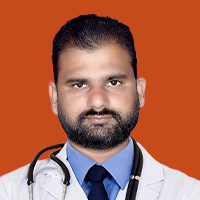
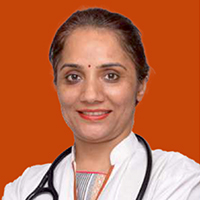
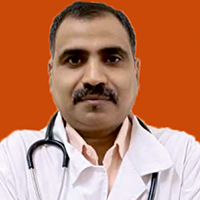
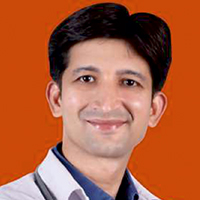
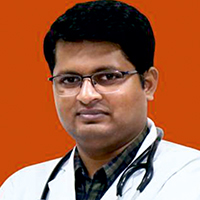
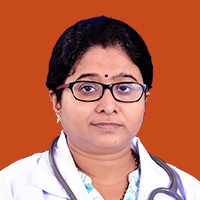
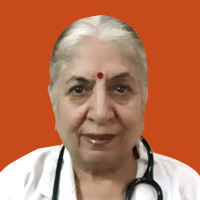
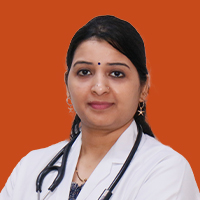
Consult Experienced Ayurveda Doctors for thyroid










Our Happy Patients
-
 Sunita Malik - Knee Pain
 -
 Abhishek Mal - Diabetes
 -
 Vidit Aggarwal - Psoriasis
 -
 Shanti - Sleeping Disorder
 -
 Ranjana - Arthritis
 -
 Jyoti - Migraine
 -
 Renu Lamba - Diabetes
 -
 Kamla Singh - Bulging Disc
 -
 Rajesh Kumar - Psoriasis
 -
 Dhruv Dutta - Diabetes
 -
 Atharva - Respiratory Disease
 -
 Amey - Skin Problem
 -
 Asha - Joint Problem
 -
 Sanjeeta - Joint Pain
 -
 A B Mukherjee - Acidity
 -
 Deepak Sharma - Lower Back Pain
 -
 Vyjayanti - Pcod
 -
 Sunil Singh - Thyroid
 -
 Sarla Gupta - Post Surgery Challenges
 -
 Syed Masood Ahmed - Osteoarthritis & Bp
Diagnostic Marker
- CRP and Heart Disease Risk: How Ayurveda Supports Heart Health
- High CRP Levels: Ayurvedic Causes, Meaning, and Natural Treatment Approach
- ESR Levels High: What It Indicates and How Ayurveda Helps Manage Inflammation
- HS-CRP High? Ayurvedic Ways to Reduce Chronic Inflammation Naturally
- Fasting Blood Sugar vs PP Sugar
- HbA1c Levels Explained: Ayurvedic Management for Long-Term Blood Sugar Control
- High Insulin Levels and Insulin Resistance: Ayurvedic Perspective and Care
- Homocysteine Levels High: Ayurvedic Ways to Reduce Heart Disease Risk
- TSH Levels High or Low: Ayurvedic Treatment for Thyroid Imbalance
- T3, T4, and TSH Report Explained Through Ayurveda
Blogs
- Understand these Thyroid Symptoms for Diagnosis and Treatment
- Natural Remedies To Cure Thyroid At Home
- How Thyroid Problems Will Hurt Your Sex Life?
- थायरॉइड में वज़न बढ़ रहा है? ये आयुर्वेदिक नुस्खे तेज़ी से असर दिखाएँगे!
- थकान, मोटापा और मूड स्विंग: क्या ये थायरॉइड के लक्षण हैं? जानिए आयुर्वेदिक इलाज
- Why Thyroid Patients Struggle With Mood Swings
- Why Thyroid Causes Muscle Pain and Weakness
- Why Your Cholesterol Levels Rise With Thyroid
- क्या थायरॉइड और PCOD का जड़ से सुधार आयुर्वेद में संभव है
- बार बार मिसकैरेज क्या गर्भाशय शक्ति कमज़ोर है?
Home Remedies
Related Disease
- Ayurvedic Treatment for Obesity
- Thyroid Treatment In Ayurveda
- Ayurvedic Treatment for Diabetes
- Ayurvedic Treatment For Type 1 Diabetes
- Ayurvedic Treatment for Hypoglycemia
- Ayurvedic Treatment for Hyperglycemia
- Get Ayurvedic Treatment For Prediabetes
- Ayurvedic Treatment for Diabetic Neuropathy
- Ayurvedic Treatment for Gynecomastia
- Ayurvedic Treatment for Hernia
- Ayurvedic Treatment for Gangrene
- Ayurvedic Treatment for Weight Loss
Latest Blogs
- Is Fasted Intense Exercise a Good Idea for Every Woman
- Health Tracking Every Hour: Helpful Awareness Or Another Source Of Stress?
- फोन देखते हुए चलना सिर्फ accident risk नहीं—posture और breathing पर क्या असर पड़ता है
- Bloating Before a Period: Why Lifestyle Can Change How It Feels
- बहुत जल्दी खाना खाने से पेट भरने का signal देर से क्यों मिलता है
- ‘No Added Sugar’ Doesn’t Automatically Mean Low Sugar—Here’s Why
- Online meetings के बीच zero movement दिन के अंत में stiffness क्यों बढ़ाता है?
- Screen brightness और late-night work sleep readiness को कैसे बदलते हैं
- Warm Vs Cold Foods: How To Discuss The Ayurvedic Idea Without Turning It Into A Myth
- Noise-cancelling headphones घंटों पहनना mental fatigue को कम करता है या बढ़ा सकता है?
- Sugar-Free Biscuits: Better Choice Or A Health Halo?
- Why a Long Afternoon Nap Can Make Bedtime Surprisingly Difficult
- Scrolling While Eating: The Habit That Makes Meals Harder to Remember
- The Forward-Head Posture You Don’t Notice Until Evening
- Are Seed Mixes Useful—Or Just Easy To Overeat?
- Laptop on the Sofa: Why Neck and Hip Stiffness Show Up Later
- Why Your Eyes Feel Tired Even When Screen Brightness Seems Fine
- Is A Standing Desk A Complete Fix For Too Much Sitting?
- Why a Damp Bathroom Can Affect More Than Just the Walls
- When ‘Resting’ Means Scrolling: Is Your Brain Actually Recovering?
Ayurvedic Doctor In Top Cities
- Ayurvedic Doctors in Bangalore
- Ayurvedic Doctors in Pune
- Ayurvedic Doctors in Delhi
- Ayurvedic Doctors in Hyderabad
- Ayurvedic Doctors in Indore
- Ayurvedic Doctors in Mumbai
- Ayurvedic Doctors in Lucknow
- Ayurvedic Doctors in Kolkata
- Ayurvedic Doctors in Patna
- Ayurvedic Doctors in Vadodara
- Ayurvedic Doctors in Ahmedabad
- Ayurvedic Doctors in Chandigarh
- Ayurvedic Doctors in Gurugaon
- Ayurvedic Doctors in Jaipur
- Ayurvedic Doctors in Kanpur
- Ayurvedic Doctors in Noida
- Ayurvedic Doctors in Ranchi
- Ayurvedic Doctors in Bhopal
- Ayurvedic Doctors in Ludhiana
- Ayurvedic Doctors in Dehradun