 Published on
20 Mar, 2026
Published on
20 Mar, 2026 Updated on 25 May, 2026
 5239
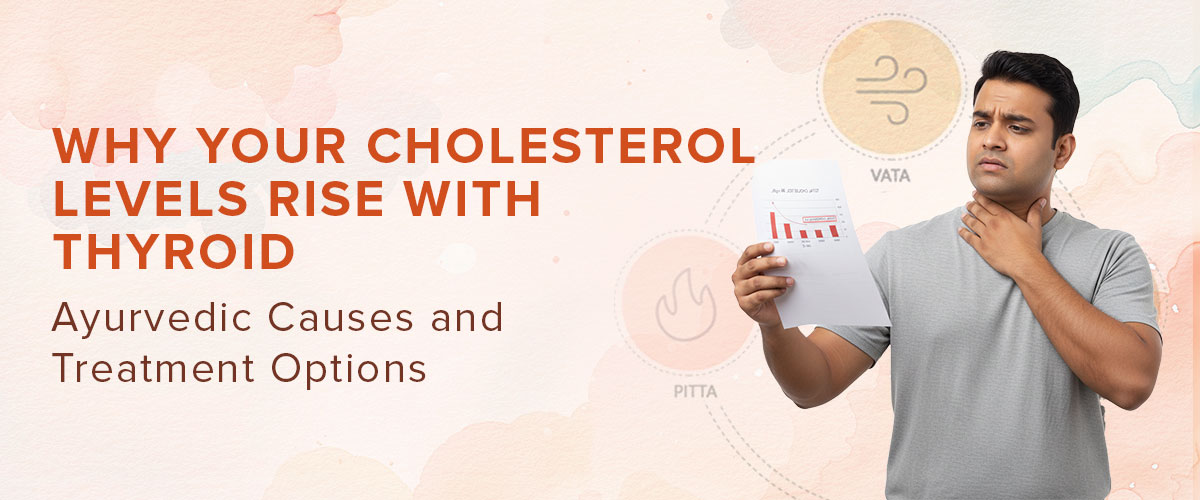
5239The thyroid gland serves as the regulator of the human metabolic process, and its regulation is not just confined to the metabolic process but also involves the regulation of fats. When the thyroid hormone is imbalanced, the process of cholesterol metabolism is slowed down, and hence, the cholesterol levels are increased. Since increased cholesterol is one of the major risk factors for cardiovascular diseases, thyroid health is not just for the enhancement of overall health, but is critical for cardiovascular health.
What Is the Thyroid Gland?
Located at the base of the neck, this tiny butterfly-shaped gland has a major task to undertake. It produces two major hormones, triiodothyronine (T3) and thyroxine (T4), which act as the chemical instructions that regulate metabolism, temperature, and fat use. When the thyroid gland is overactive or underactive, the chemical instructions become distorted, leading to problems in metabolism, such as high cholesterol levels.
Types of Thyroid Disorders
Thyroid disorders can be broadly categorized into overactive, underactive, or autoimmune-related imbalances. These play a key role in determining the rate of metabolism in the body and how efficiently the digestive system can process food and excrete waste.
The major thyroid-related health issues that have a direct impact on the digestive system include:
- Hypothyroidism: This health condition represents the most prevalent cause of reduced digestion. In hypothyroidism, the gland fails to produce adequate hormone levels. This causes the motor functions of the digestive system to reduce, leading to chronic constipation and bloating.
- Hashimoto’s Thyroiditis: This health condition causes an autoimmune response in the thyroid gland. In this condition, the immune system mistakenly attacks the thyroid gland. This can result in chronic hypothyroidism and can also trigger “leaky gut syndrome” or food sensitivities.
- Hyperthyroidism: This health condition represents the opposite of hypothyroidism. In hyperthyroidism, the thyroid gland overproduces hormones. This causes the metabolic rate to increase, leading to diarrhea or bowel movements.
- Goiter and Nodules: These health issues result in physical enlargement of the thyroid gland. In some instances, the enlargement may not have a direct effect on the hormone levels. In some other instances, it may trigger inflammation in the gland, leading to an imbalance in metabolism.
How Thyroid Hormones Affect Cholesterol
Thyroid hormones are the primary regulators of liver efficiency and fat metabolism. They serve as a cleansing agent for the circulatory system. If their hormone levels are within normal limits, they will send a signal to the liver to process and eliminate any extra fat.
However, if there is any form of hormone imbalance, a series of effects will occur:
- Impaired LDL Clearance: If there is a lack of thyroid hormone, this will impair the liver from clearing low-density lipoproteins (LDL) efficiently. This will cause LDL to accumulate in the bloodstream.
- Elevation of Triglyceride Levels: A slowdown in metabolism due to thyroid hormone problems will often lead to elevated triglyceride levels. This is a type of fat that is known to cause stiff arteries.
- HDL Levels: In some instances, if there is any form of thyroid hormone malfunction, this will lead to a decrease in high-density lipoproteins (HDL).
High Cholesterol in Hypothyroidism
If the thyroid gland is hypothyroid, this means that the body's metabolic engine has slowed down. This has a direct impact on the liver's ability to remove fats from the bloodstream. A lack of thyroid hormone means that fats start to build up in the body.
The key areas that are affected by this slowdown are:
- Elevated Levels of LDL ("Bad") Cholesterol: The liver becomes less efficient at removing this form of cholesterol.
- Rise of Total Cholesterol: A general buildup of fats in the bloodstream.
- Increase of Triglycerides: A buildup of triglycerides, which can be caused by the slowed metabolism of fats.
If not treated, this buildup can cause a high risk of atherosclerosis, which can cause serious heart problems.
Cholesterol Changes in Hyperthyroidism
If the thyroid gland has hyperthyroidism, this means that the body's metabolic engine has sped up. It would seem that this would cause an increase in high cholesterol, as the body would be burning up fats at an incredible rate.
However, this "speed" has its own problems:
- Elevated Free Fatty Acids: The body has problems coping with the buildup of fatty acids, which are caused by the fast metabolism of fats.
- Metabolic Instability: Hyperthyroidism for an extended period leads to abnormal lipid metabolism, which puts pressure on the heart muscle due to the high demand.
Although the cholesterol levels might be favorable, the underlying problem persists, interfering with the body's natural balance in lipid metabolism.
Other Factors Contributing to High Cholesterol among Thyroid Patients
Although thyroid hormones play a crucial role, it is not the only factor. Other external factors can cause lipid metabolism imbalance among thyroid patients. They include:
- Nutritional Habits: The high intake of processed sugars and saturated fats supplies the body with the required energy for high cholesterol production, which is difficult for an overactive thyroid to handle.
- Lack of Exercise: The lack of exercise among thyroid patients, especially those suffering from hypothyroidism, makes an already sluggish metabolism worse.
- Weight Changes: The increase in weight among patients suffering from an underactive thyroid leads to a vicious cycle, as it increases cholesterol production.
- Genetics: Every person has a unique genetic makeup, which affects their metabolism. If a patient has a family history of hyperlipidemia, it is crucial to take good care of their thyroid.
Ayurvedic Understanding of Thyroid-Related Cholesterol Imbalance
According to Ayurveda, the thyroid gland and the way it affects cholesterol levels have everything to do with the balance of the Kapha Dosha. Kapha is the elemental energy that makes up the structure of the body, lubricates the joints, and stores fat.
When the levels of Kapha are elevated or aggravated, it is usually due to an underlying problem with Agni, or the metabolic fires. This, in turn, manifests as “Meda Dhatuagni Mandya,” or sluggish fat metabolism.
This, in turn, creates Ama, or metabolic toxins, which cause the Srotas, or micro-channels, to become blocked. This blocks the metabolism of the Meda Dhatu, or fatty tissues, which in turn prevents the fat in the blood from being converted into energy, and instead allows it to stagnate.
Jiva Ayurveda’s Approach to Managing Cholesterol in Thyroid Patients
Jiva Ayurveda uses a holistic model to recalibrate the internal chemistry of the human body, not only to manage but to cure the ailment.
- Dosha Balancing: Jiva Ayurveda uses customized protocols to balance Kapha and Vata dosha, maintaining harmony between the nervous and metabolic systems.
- Igniting Agni (Digestive Fire): Jiva Ayurveda uses specialized protocols to boost the central and cellular digestive fires, which are necessary to metabolize fats.
- Ama Detoxification: Jiva Ayurveda removes Ama (metabolic toxins) that behave like a glue and impede the functioning of the liver and arteries.
- Potent Herbal Formulations: Jiva Ayurveda uses bhashmays and herbs such as Guggul, which possesses Lekhana (scraping) properties on fats, and Triphala to ensure complete detoxification of the human body.
- Personalized Diet & Lifestyle: Jiva Ayurveda uses customized diet plans to ensure the ingestion of bitter and astringent-tasting foods to dry up Kapha and stimulate the liver.
- Mind-Body Integration: Jiva Ayurveda uses Pranayama (breathing techniques) and Yoga asanas such as Sarvangasana to stimulate the thyroid gland to lower levels of cortisol, which causes increased levels of cholesterol.
Ayurvedic Herbs for Managing Cholesterol in Thyroid Patients
Ayurveda has access to an incredibly powerful array of herbs that can be used to recalibrate the thyroid, ignite metabolic activity, and safely reduce levels of circulating lipids.
Below are some of the herbs that can help in managing cholesterol in thyroid patients:
- Guggul (Commiphora mukul): This herb is well-known for its Lekhana (scraping) property. This herb can stimulate the thyroid to boost metabolism, as well as directly assist the liver in reducing levels of LDL cholesterol and triglycerides.
- Triphala: This is a well-known combination of three fruits. This herb is used as a whole-body cleanser. By improving digestion and normalizing bowel movements, it can safely remove Ama (toxins) and fats from the body before they have the opportunity to cause harm.
- Arjuna (Terminalia arjuna): This herb is considered to be one of the best heart-protecting herbs. By strengthening the myocardium, it can safely reduce the risk of long-term damage from high cholesterol.
- Punarnava (Boerhavia diffusa): This herb, which translates to “the renewer,” is essential in safely reducing levels of Kapha. This herb can safely reduce levels of fluid retention in the body, as well as assist the liver in processing fats.
- Ashwagandha (Withania somnifera): This herb is essential in safely supporting the thyroid gland, as well as reducing levels of cortisol that can be produced as a result of stress, which in turn can cause the storage of fat.
Using these herbs together enables the body to balance its metabolism, reducing inflammation by a great deal and increasing its overall vitality.
Ayurvedic Therapies for Managing Cholesterol in Thyroid Patients
Ayurvedic treatments are designed to liquefy the toxins and stimulate the endocrine system to help in natural fat mobilization.
- Abhyanga: This is an herbal oil massage used to improve circulation and treat fat stagnation.
- Swedana: This is an herbal steam treatment used to open channels for the elimination of mobilized toxins (Ama).
- Panchakarma: This is a comprehensive detoxification treatment used to cleanse the liver and correct lipid metabolism.
- Shirodhara: This involves pouring medicated oil over the forehead to harmonize the master glands, which control and regulate thyroid functions.
- Nasya: This is nasal oil administration used to balance hormones and vitality.
When used in conjunction with herbal remedies and a healthy diet, Ayurvedic treatments address the underlying cause of thyroid-related cholesterol problems by restoring metabolism.
Diet Chart for Thyroid Patients with High Cholesterol
| Foods to Include | Foods to Avoid or Limit |
| Fiber-rich foods: oats, whole grains, barley, lentils | Fried and oily foods |
| Fruits: apples, berries, pears, pomegranate | Excess sugar and sweets |
| Vegetables: leafy greens, broccoli, carrots, zucchini | Refined carbohydrates: white bread, pastries |
| Healthy fats: nuts, seeds, olive oil, flaxseed | Saturated fats: ghee, butter, fatty meats in excess |
| Lean proteins: beans, tofu, paneer, eggs | Processed snacks and fast food |
| Herbs & spices: turmeric, ginger, garlic, cinnamon | Excess caffeine and alcohol |
How We Assess Thyroid Patients at Jiva Ayurveda
At Jiva Ayurveda, the assessment combines modern and Ayurvedic practices:
- Symptoms: Muscle pain, weakness, fatigue, metabolic changes
- Medical History: Thyroid records, medications, past treatments
- Lifestyle: Diet, activity, sleep, stress
- Ayurvedic Analysis: Pulse (Nadi Pariksha) and body constitution (Prakriti)
- Underlying Conditions: Other health issues affecting the thyroid
This helps create a personalized plan to restore hormone balance, boost metabolism, and strengthen muscles.
Our Step-by-Step Care Process
At Jiva Ayurveda, every process of the treatment is carried out in an organized and structured manner to give you the best personalized experience of Ayurvedic treatment for thyroid and digestive issues.
1. Share Contact Details: After submitting your details, you can also reach out to us directly at 0129 4264323 to start the consultation process and get your metabolic issues treated.
2. Appointment Confirmation: An appointment with our experienced and well-trained Ayurvedic doctors specializing in thyroid and digestive issues is arranged for you. You can choose to consult with our doctors in the mode that best suits you:
- Clinic: We have over 80 Jiva clinics in different cities, and you can come to the nearest clinic to consult with our doctor face-to-face.
- Video Consultation (Rs. 49): In case you are not able to locate our clinics in your city, you can also consult with our doctor online, which will be available to you at a discounted price of Rs. 49 (regular price: Rs. 299). Simply give us a call at 0129 4264323 to connect with our experts from home itself.
3. Detailed Diagnosis: Our experienced doctor will consult with you to understand your thyroid issues, digestive problems, and “Agni” (metabolic fire) to diagnose the root cause of the problem in your body.
4. Root Cause-Based Treatment Plan: A personalized plan of treatment will be prepared for you with the use of herbal medicines that will stimulate the thyroid and enhance the motility of the gut.
Healing Timeline for Thyroid-Related High Cholesterol
First Few Weeks: Patients may begin to notice improved digestion, reduced bloating, and slight stabilization in energy and metabolic activity as detoxification begins.
1–3 Months: Cholesterol levels may start to normalize as fat metabolism improves, diet and lifestyle adjustments take effect, and thyroid hormone balance begins to restore.
3–6 Months: With consistent Ayurvedic care, patients often experience stable cholesterol levels, improved thyroid function, better energy, and overall metabolic balance.
What Results Can You Expect?
Choosing the Ayurvedic approach for thyroid-related high cholesterol and metabolic imbalance focuses on long-term healing rather than temporary relief. With a personalized treatment plan, patients may experience:
- Reduced cholesterol levels and improved lipid profile
- Better thyroid hormone balance and metabolic function
- Increased energy levels and reduced fatigue
- Improved digestion and fat metabolism
- Enhanced overall well-being and cardiovascular health
Patient's Testimonial- Sunil Singh
I noticed a quick and drastic change in my weight, which increased from 80 kg to 115 kg. After a few tests, I was diagnosed with a thyroid problem. My doctor prescribed me a 75 mg Thyroxine tablet; however, it did not give me the desired results. Later on, my health deteriorated as I felt a burning sensation in my chest and was told that I had a fatty liver and kidney problems. This series of incidents left me stressed, and I was left confused about what to do next.
Later on, I heard about Jiva Ayurveda and consulted Dr. Pratap Chauhan. He asked me a lot of questions about my lifestyle and eating habits to understand the problem from its roots. I feel much better now. Looking back, I realize that I should have contacted Jiva Ayurveda much earlier, as it might have saved me from all this trouble.
Estimated Cost of Treatment at Jiva Ayurveda
Understanding the financial investment required for your health is important. At Jiva Ayurveda, transparency in service costs helps patients choose the most suitable treatment option for their medical needs.
Treatment Cost
For patients seeking standard, ongoing care, the monthly cost of medicines and consultation typically ranges between Rs. 3,000 and Rs. 3,500. Please note that this is an estimated baseline, and the final cost may vary depending on the nature and severity of the patient’s condition.
Protocol
For a more comprehensive and structured treatment approach, specialized package protocols are available. These plans focus on managing symptoms while improving lifestyle habits.
The package includes:
- Medicine
- Consultation
- Mental well-being sessions
- Yoga and meditation guidance
- Diet plan
- Therapy
The cost for this protocol usually involves a one-time payment ranging from Rs. 15,000 to Rs. 40,000, covering the 3–4 month treatment duration.
Jivagram
For patients who require intensive and immersive care, Jivagram offers a holistic healing environment.
The program typically includes:
- Authentic Panchakarma therapies
- Sattvic meals
- Modern healing services
- Comfortable accommodation
- Various wellness and quality-of-life facilities
An immersive wellness stay at Jivagram usually costs around Rs. 1 lakh for a 7-day program, providing continuous personalized care to help reset the body and mind.
Why Patients Trust Jiva Ayurveda
Our method is centered around personalized, root cause-based treatment that works to heal the body from the inside out.
- Root Cause-Based Treatment: Our treatment strategy is to treat the root cause of the imbalance, not just the symptoms, whether they are constipation, fatigue, or other issues.
- Customized Care Plans: Our patients receive personalized care plans that are tailored to their individual Prakriti (constitution), diet, and lifestyle.
- Protocol-Based Analysis and Treatment: Our treatment protocols are evidence-based, Ayurvedic approaches to treating hormonal and digestive imbalances.
- Authentic Medicines: Our Ayurvedic medicines are genuine and made in licensed facilities to ensure safety and efficacy.
- Proven Scale & Expertise: Our physicians have seen over 8,000 patients daily and have extensive experience in treating complex chronic diseases.
- High Success Rate: Our patients have seen significant improvements in their health, with over 90% reporting positive changes in their health.
- Reduced Dependency: 88% of our patients can stop or greatly reduce their dependency on conventional medications.
Modern vs Ayurvedic Approach for Thyroid-Related High Cholesterol
| Aspect | Modern Medical Approach | Ayurvedic Approach |
| Focus of Treatment | Lower cholesterol levels and manage thyroid hormones | Restore metabolic balance, regulate cholesterol naturally, and support thyroid health |
| Diagnosis | Blood tests for TSH, T3, T4, LDL, HDL, triglycerides | Prakriti assessment, Nadi Pariksha, and symptom evaluation |
| Treatment Methods | Statins, cholesterol-lowering drugs, and hormone replacement therapy | Herbal medicines, dosha balancing, detoxification, and natural therapies |
| Lifestyle Role | General dietary and exercise advice | Personalized diet, daily routines, yoga, and stress management |
| Long-Term Goal | Control cholesterol and thyroid hormone levels | Improve metabolism, balance doshas, and enhance overall health and vitality |
When to Consult a Doctor
You should seek medical advice if you experience:
- Persistent high cholesterol readings despite lifestyle changes
- Symptoms of hypothyroidism: fatigue, weight gain, cold intolerance
Symptoms of hyperthyroidism: rapid heartbeat, anxiety, unexplained weight loss - Family history of heart disease or thyroid disorders
- Any signs of chest pain, shortness of breath, or irregular heartbeat
Early consultation helps prevent complications and ensures both thyroid function and cholesterol levels are managed effectively.
Conclusion
Thyroid disorders can significantly impact cholesterol metabolism, increasing the risk of cardiovascular issues. A holistic approach that combines proper diagnosis, diet, lifestyle changes, and Ayurvedic therapies can help restore hormonal balance, regulate cholesterol, and improve overall metabolic health.
If you are suffering from thyroid-related symptoms, it is important to seek proper medical guidance. You can consult certified doctors at Jiva Ayurveda for personalized Ayurvedic treatment and lifestyle recommendations. Call today: 0129-4264323