
Successful Treatments
Clinics
Doctors
Ayurvedic Treatment for Rheumatoid Arthritis
 Published on 18 Oct, 2026
 Updated on 18 Oct, 2026

Rheumatoid arthritis is an ongoing autoimmune disease that causes joint discomfort, swelling, and stiffness, which makes daily tasks and overall life experience more difficult. The modern medical system uses anti-inflammatory treatments to handle inflammation, but Ayurveda creates an all-encompassing solution that maintains immune balance while removing body toxins and enhancing joint function. Jiva Ayurveda offers personalized care through herbal medicines, Panchakarma therapies, and dietary guidance and lifestyle support, which help patients decrease pain and increase their ability to move while achieving better health results.
What Is Rheumatoid Arthritis?
Rheumatoid arthritis is a chronic autoimmune disorder in which the body’s immune system mistakenly attacks healthy joint tissues. The condition results in bodily inflammation, which causes pain, stiffness, and swelling that affects the hands, wrists, and knees. The condition leads to joint damage, which decreases mobility when treatment does not occur.
What Are The Common Causes of Rheumatoid Arthritis?
The immune system mistakenly attacks healthy joint tissues when rheumatoid arthritis develops. Below are the common factors that cause this condition:
- Autoimmune Reaction: The immune system mistakenly sees the joint synovial lining as a danger and starts to destroy it in rheumatoid arthritis. The condition produces ongoing inflammation together with swelling and pain, which leads to gradual cartilage and bone damage when it remains untreated.
- Genetic Factors: People who have relatives with autoimmune diseases face an increased risk of developing rheumatoid arthritis. Certain inherited genes make the immune system prone to launch inappropriate inflammatory reactions.
- Hormonal Changes: The immune system operates differently in women who experience hormonal changes during their lifetime, which explains their higher incidence of rheumatoid arthritis. Hormonal changes during pregnancy and menopause, together with other hormonal shifts, can trigger or intensify symptoms.
- Environmental Triggers: The immune system begins to malfunction when people experience external events, which include viral and bacterial infections, smoking, air pollution, and extended exposure to harmful substances.
- Chronic Stress: The body experiences immune system dysfunction together with heightened inflammation when a person endures ongoing physical and emotional stress. The imbalance between these two components leads to the start of autoimmune diseases and their subsequent progression, including rheumatoid arthritis.
- Age and Gender: Most cases of rheumatoid arthritis appear in people aged 30 to 60. Hormonal and immune system differences between women and men result in women developing the condition more often than men.
Signs & Symptoms of Rheumatoid Arthritis
The primary effect of rheumatoid arthritis exists in its impact on joints because the condition also extends to affect general bodily health. The symptoms start to appear slowly and proceed to become more severe with time. The symptoms show themselves through the following signs:
- Joint Pain and Tenderness: The hands and wrists experience continuous joint pain, which affects the small joints. The pain becomes more severe when a person moves their body or when they finish resting.
- Swelling in Joints: The process of inflammation results in visible swelling, which creates puffiness around the affected joints. This condition creates a sensation of soft and warm joints when someone touches them.
- Morning Stiffness: The main symptom of the condition emerges as stiffness that exists for more than 30 minutes after someone wakes up. The condition becomes less severe through physical activity.
- Reduced Joint Mobility: The ongoing state of inflammation results in restricted movement and flexibility problems for the patient. The person experiences increasing difficulty in accomplishing their daily tasks.
- Fatigue and Weakness: The body experiences constant fatigue together with decreased endurance, because of prolonged inflammation.
- Low-Grade Fever: Active inflammation periods may cause some people to develop a slight fever, together with overall bodily discomfort.
How Is Rheumatoid Arthritis Diagnosed?
The diagnosis of rheumatoid arthritis requires doctors to perform clinical tests, blood analysis, and imaging procedures. Early diagnosis is essential because it prevents future joint damage. The following diagnostic methods are listed below:
- Physical Examination: Physicians evaluate joint swelling, tenderness, and warmth through testing joint movement capacity. Physicians assess joint symmetry through evaluation of the joint involvement pattern between the left and right sides.
- Blood Tests: Rheumatoid Factor (RF) and Anti-CCP antibody tests work to confirm autoimmune disease activity through their results.
- Inflammatory Markers: The body experiences inflammation, which ESR and CRP tests use to determine its severity.
- X-rays or MRI: Imaging techniques help identify early-stage joint damage, bone erosion, and inflamed areas.
- Medical History Review: The detailed analysis of symptoms together with their duration and family medical background, enables doctors to establish a precise diagnosis.
Risks & Complications Associated With Rheumatoid Arthritis
Rheumatoid arthritis is an autoimmune disorder that progresses to cause permanent joint damage if it is not managed properly. The body will experience joint deformities and movement restrictions, which lead to permanent disability because of continuing inflammation. Rheumatoid arthritis (RA) affects organs throughout the body, which heightens the likelihood of developing heart disease, lung problems, anemia, and osteoporosis. The immune system remains unbalanced, which makes patients more vulnerable to infections during their extended treatment period.
Rheumatoid Arthritis Symptoms
Joint Pain & Tenderness
Affected joints may be painful or sore to the touch. This is often one of the primary symptoms of RA.
Swelling
Inflammation may lead to swelling in the joints. This swelling is generally more severe compared to what you would see from a typical injury.
Stiffness
Stiffness in joints can be characteristic of RA and may be especially noticeable in the morning or after periods of inactivity, lasting for several hours.
Redness & Warmth
The skin over affected joints may be red and warm due to inflammation beneath.
Symmetrical Symptoms
Unlike other kinds of Arthritis, RA generally affects the same bones on each side of the body at the same time, like both knees or both wrists.
Fatigue
People with RA may complain of feeling tired and lacking energy, often before other symptoms appear.
Fever
A fever, usually mild, may accompany RA onset or a flare-up.
Loss of Joint Function
Destruction of joint tissues may lead to decreased range of motion and function as RA progresses.
Other Systemic Symptoms
RA could also affect other body parts (eyes, heart, lungs, and skin) and cause multiple other symptoms.
How Ayurveda Understands Rheumatoid Arthritis?
Rheumatoid arthritis closely resembles the Ayurvedic condition Amavata, which results from the accumulation of Ama (toxins) combined with aggravated Vata dosha. The body produces toxins through weak digestion, which then travels throughout the body before it accumulates in the joints, resulting in pain, swelling, and stiffness. Vata imbalance increases joint pain while it decreases mobility.
The presence of chronic inflammation demonstrates the existence of deeper immune system abnormalities. The Ayurvedic approach treats patients by using herbal treatments and Panchakarma procedures and specific dietary and lifestyle methods to eliminate Ama and enhance digestion, Vata balance, and inflammation control.
Jiva Ayurveda’s Treatment Approach for Rheumatoid Arthritis
Jiva Ayurveda manages rheumatoid arthritis (Amavata) through a comprehensive and personalised approach. The treatment aims to remove built-up toxins (Ama) from the body while restoring Vata dosha balance and controlling immune system activity. Ayurveda practices work to reduce body inflammation while maintaining the health of joints instead of just treating symptoms. The natural treatment methods aim to enhance movement abilities, which will decrease pain and protect joints from permanent damage.
1. HACCP-Approved Ayurvedic Medicines
The herbal medicines are prepared under strict HACCP standards to ensure quality and safety. These formulations are created to decrease inflammation while they remove toxins from the body and enhancing joint tissue strength.
- Ama Elimination: In rheumatoid arthritis, the body accumulates toxins, which cause joint inflammation. Herbal medicines help the body digest and remove these toxins from the body. The process leads to a gradual decrease in swelling and pain.
- Vata Balancing: Vata imbalance produces symptoms that include joint discomfort, together with stiffness and dryness. The application of herbs helps to calm Vata, which results in better joint lubrication and increased flexibility.
- Immune Regulation: The essential task in RA, which is an autoimmune disease, requires the immune response to be maintained at a balanced level. The medicinal properties of Ayurvedic medicines enable immune system balance without causing excessive immune system suppression.
2. Yoga, Meditation & Mindfulness
The management of stress, together with gentle movements, acts as a crucial factor for individuals dealing with chronic inflammatory conditions. The practices develop two abilities, which include physical flexibility and emotional resilience.
- Joint Flexibility: The practice of controlled yoga postures enables practitioners to enhance their range of movement while keeping their joints free from stress. The practice of yoga creates a routine that helps people avoid muscle tightness while they maintain their ability to move.
- Pain Reduction: Stretching and relaxation reduce muscle tension around inflamed joints. The treatment provides relief from pain while helping people handle their daily activities.
- Mental Strength: Emotional health suffers from the effects of ongoing pain. The practice of meditation helps people build their resilience while decreasing their stress-related flare-ups.
3. Ayurveda Therapies
The primary goal of the therapies is to detoxify the body while they provide vital nutrients to joint tissues. The treatment process uses personal customisation based on the patient's current health condition and their specific body constitution.
- Panchakarma: The process of deep panchakarma helps to eliminate all toxins, which lead to chronic inflammatory conditions. The process helps to restore internal body equilibrium, which boosts the effectiveness of all medical treatments.
- Abhyanga & Swedana: The process begins with a warm herbal oil massage and follows with steam therapy, which enhances blood flow while decreasing muscle tightness. The two treatments provide relief to joints that suffer from inflammation.
- Specialised Therapies: The specialised treatments provide essential nutrients to body tissues while they work to decrease inflammation in specific areas. The treatments support the long-term preservation of joint health.
4. Diet & Lifestyle Counselling
The practice of healthy eating serves as the primary measure that helps to stop the creation of harmful substances that lead to inflammation. The right daily routine helps to maintain control over symptoms for an extended period.
- Anti-Inflammatory Diet: The consumption of warm light foods, which are easy to digest, leads to a decrease in Ama production. The process prevents joint inflammation from becoming more severe.
- Avoiding Toxin-Forming Foods: The restriction of heavily processed and cold foods serves as a measure to protect against additional toxin accumulation.
- Structured Routine: The implementation of a structured routine provides people with a defined daily schedule, which establishes dosha stability while decreasing the occurrence of symptoms. The process of maintaining regularity leads to better results in managing the entire disease.
Ayurvedic Medicine for Rheumatoid Arthritis
In rheumatoid arthritis (Amavata), herbs focus on removing toxins, reducing inflammation, and balancing immune function. These herbs help relieve pain and stiffness while preserving joint integrity. Long-term management aims to prevent flare-ups and slow disease progression. Treatment is individualised based on disease stage and constitution.
- Guggulu: The herb helps remove accumulated toxins from joints. The substance decreases joint swelling while it enhances the ability to move joints.
- Shallaki: This herb is known for its anti-inflammatory effects. The substance decreases joint swelling and stiffness through its natural effects.
- Ashwagandha: The herb strengthens muscles while it decreases persistent body inflammation. The substance promotes immune system stability, together with energy maintenance.
- Nirgundi: The herb is beneficial for relieving joint pain and stiffness. The substance increases blood flow while it decreases swelling in specific body areas.
- Guduchi: The herb helps the body fight infections while it eliminates harmful substances. The substance helps prevent recurring episodes of inflammation.
- Rasna: The herb is a traditional remedy that treats joint problems. The substance helps to reduce pain while it increases flexibility through persistent usage.
These herbs should always be taken under the guidance of a qualified professional, as the right choice and dosage depend on your individual body type and medical condition.
How We Assess Rheumatoid Arthritis Patients at Jiva Ayurveda
At Jiva Ayurveda, our doctors begin with a detailed evaluation to understand the factors contributing to rheumatoid arthritis. This includes:
- Current symptoms such as joint pain, stiffness, swelling, or reduced mobility
- Medical history and any previous treatments or medications used for rheumatoid arthritis
- Diet and lifestyle habits that may influence inflammation and joint health
- Stress levels, sleep quality, and digestion, which in Ayurveda can affect overall balance
- Any other health conditions or medicines currently being taken
Based on this assessment, our doctors develop a personalised Ayurvedic care plan aimed at supporting joint health and overall well-being.
Our Step-by-Step Care Process
At Jiva Ayurveda, every treatment process is conducted in a structured and organised manner to provide you with a completely personalised and efficient experience of Ayurvedic treatment.
1. Share Contact Details: After submitting your details, you can also connect with us directly at 0129 4264323 to begin the consultation process.
2. Appointment Confirmation: At Jiva Ayurveda, an appointment is fixed with our experienced and trained Ayurvedic doctors. You can also choose the medium of consultation that suits you best.
- Clinic: Jiva Ayurveda has over 80 clinics located in multiple cities, allowing you to visit our nearest clinic and get a face-to-face consultation and treatment.
- Video Consultation (Rs. 49): If you are not able to find a Jiva Ayurveda clinic in your city, you can still take an online consultation with a doctor, available at a discounted price of Rs. 49 (regular price Rs. 299). Simply call us on 0129 4264323 and get in touch with our experienced and skilled Ayurvedic doctors from the comfort of your home.
3. Detailed Diagnosis: Our experienced and skilled doctors consult with you and try to understand your problem and symptoms to identify the main cause of the problem.
4. Root Cause-Based Treatment Plan: According to the diagnosis, a treatment plan is prepared, and a completely personalised treatment is provided to you using natural and herbal medicines.
5. Follow-ups and Progress Monitoring: Regular follow-ups help track improvement and adjust treatment if needed.
Rheumatoid Arthritis Improvement Timeline with Ayurvedic Care
First Few Weeks: Patients may begin to notice relief from joint stiffness and a mild reduction in pain.
1–3 Months: Joint inflammation may gradually decrease, and mobility may improve with regular treatment.
3–6 Months: With continued care and regular follow-ups at Jiva Ayurveda, many patients experience significant improvement in joint comfort, flexibility, and overall quality of life.
What Results Can You Expect?
Our goals in rheumatoid arthritis care at Jiva Ayurveda focus on improving joint comfort and daily mobility:
- Reduced joint pain and swelling
Improved flexibility and movement - Better energy levels and daily activity
- Support for long-term joint health and comfort
Many patients may begin to notice gradual relief in pain and stiffness within a few weeks, while long-term improvement depends on the severity of the condition and consistent treatment.
Estimated Cost of Treatment for Rheumatoid Arthritis at Jiva Ayurveda
Understanding the financial aspect of treatment is important when managing a chronic condition like Rheumatoid Arthritis. At Jiva Ayurveda, treatment plans are designed with transparent pricing so patients can choose an option that best fits their health needs.
Treatment Cost
For patients seeking regular care for Rheumatoid Arthritis, the monthly cost of consultation and medicines generally ranges between Rs. 3,000 and Rs. 3,500.
This is an estimated starting range, and the final cost may vary depending on the severity of joint inflammation, duration of the condition, and individual treatment requirements.
Protocol
For patients who need a more structured and comprehensive treatment plan, specialised package protocols are available. These programs focus on managing joint pain, improving mobility, and supporting overall health.
The package may include:
- Medicine
- Consultation
- Mental Well-Being Sessions
- Yoga and Meditation
- Diet Guidance
- Therap
The cost for this protocol involves a one-time payment ranging from Rs. 15,000 to Rs. 40,000, covering the complete 3 to 4-month treatment duration.
Jivagram
For patients who require intensive and immersive care, Jivagram offers a holistic healing environment focused on natural recovery and rejuvenation.
The program includes:
- Authentic Panchakarma therapies
- Sattvic meals
- Modern healing services
- Comfortable accommodation
- Additional wellness facilities
An immersive wellness stay at Jivagram costs around Rs. 1 Lakh for a 7-day duration, providing continuous personalised care aimed at restoring balance and improving overall well-being.
Why Patients Trust Jiva Ayurveda
Our methodology at Jiva Ayurveda is centred around personalised and root cause-based Ayurvedic treatment that is specifically focused on catering to the health and wellness needs of individual patients.
- Root Cause-Based Treatment: Instead of treating the symptoms, our treatment methods are focused on treating and curing the disease or health condition itself.
- Customised Treatment Plans: Our doctors provide a customised treatment plan to each patient based on their individual prakriti (body constitution) and various factors like lifestyle, diet, and environment.
- Protocol-Based Analysis: We provide treatment that is based on a well-defined and tested protocol of Ayurvedic medicine that is a result of extensive research and clinical expertise.
- Authentic Ayurvedic Medicines: We provide authentic and genuine Ayurvedic medicines that are prepared in a facility that is certified and follows strict quality parameters to ensure the safety and effectiveness of our medicines.
- 8000+ Patient Consultations Every Single Day: We provide treatment to over 8,000 patients daily, and our doctors are experienced in treating a wide range of health and wellness concerns of our patients.
- 90%+ Patients Show Significant Improvement: Out of every 10 patients, 9 patients show significant improvements in their health and wellness after following our treatment and advice of Ayurvedic medicine and lifestyle.
- 88% Reduction in Dependence on Other Medicines: Out of every 10 patients, 9 patients show significant reductions in their dependency on allopathic medicines while continuing to seek treatment and advice from our doctors and practitioners of Ayurvedic medicine.
Modern Medical vs Ayurvedic Approach for Rheumatoid Arthritis
| Aspect | Modern Medical Approach | Ayurvedic Approach |
| Treatment Focus | Focuses on controlling inflammation, reducing pain, and slowing joint damage. | Focuses on addressing the root imbalance in the body and improving overall joint health. |
| Methods Used | Common treatments include anti-inflammatory drugs, pain relievers, immunosuppressants, and physical therapy. | Uses herbal medicines, detox therapies, and personalised treatments based on body constitution (prakriti). |
| View of the Condition | Considered an autoimmune disorder where the immune system attacks the joints. | Seen as an imbalance of doshas and toxin accumulation affecting joints and tissues. |
| Lifestyle Role | Exercise, physiotherapy, and weight management are recommended to support joint health. | Lifestyle correction, diet balance, and daily routine are important parts of treatment. |
| Long-Term Goal | Manage symptoms, prevent joint damage, and maintain mobility. | Restore body balance, reduce inflammation naturally, and support long-term joint function. |
When Should You Consult a Doctor for Rheumatoid Arthritis?
Early medical attention is important in managing Rheumatoid Arthritis, as timely treatment can help prevent joint damage and long-term complications.
- Persistent joint pain, swelling, or stiffness, especially in the hands, wrists, or knees
- Morning stiffness that lasts longer than 30 minutes
- Difficulty in moving joints or performing daily activities
- Warmth or redness around joints
- Fatigue, weakness, or unexplained weight loss along with joint symptoms
If you notice these symptoms, consulting a qualified doctor can help with early diagnosis and proper treatment planning
Conclusion
Rheumatoid arthritis is a chronic autoimmune condition that requires long-term, consistent management. Ayurvedic medicine treats this condition by restoring immune balance, eliminating bodily toxins, and providing complete joint health treatment. Early intervention can reduce flare-ups, slow progression, and improve quality of life. Sustainable progress depends on three essential practices, which include lifestyle discipline and dietary regulation, together with personalised herbal treatment. People who receive proper guidance together with commitment from their side can successfully control their symptoms while maintaining their ability to function independently.
If you are suffering from Rheumatoid arthritis or any other disease, you can consult with certified Jiva doctors for personalised treatment and proper guidance. Call today: 0129-4264323.
FAQs
Rheumatoid Arthritis cannot be completely reversed, but its symptoms can be managed naturally. Ayurveda focuses on reducing inflammation, improving joint flexibility, and balancing doshas to slow disease progression.
Ayurvedic therapies like herbal formulations, massage, and panchakarma can reduce joint pain in a few weeks to months, depending on severity. Consistency with treatment and lifestyle changes plays a key role in faster relief.
Most Ayurvedic herbs are safe when used in prescribed doses, but overuse or poor-quality products may cause mild digestive issues. Always consult a qualified Ayurvedic practitioner before starting any herbal treatment.
Yes, Ayurveda can complement modern RA medications to improve mobility and reduce inflammation. Coordination with your rheumatologist is essential to avoid herb-drug interactions.
Gentle stretching, warm water baths, and light yoga in the morning can relieve stiffness. Ayurveda also recommends oil massage and heat therapy to ease joints.
Anti-inflammatory foods like turmeric, ginger, garlic, green leafy vegetables, and flaxseeds are beneficial. Avoid processed foods, fried items, and excessive red meat to reduce joint inflammation.
Regular low-impact exercises, Ayurvedic massages, and herbal supplements can enhance joint mobility. Maintaining ideal body weight also reduces stress on joints.
Home remedies like warm compresses and herbal teas offer temporary relief, while professional Ayurvedic care provides personalized treatment, detox therapies, and long-term management.
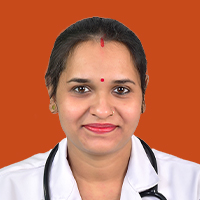
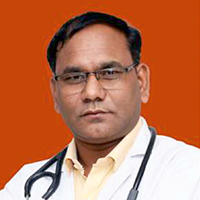
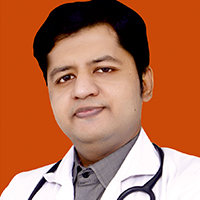
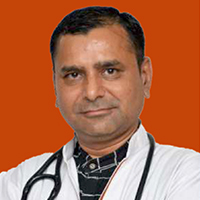
Consult Experienced Ayurveda Doctors for Rheumatoid Arthritis

















Our Happy Patients
-
 Sunita Malik - Knee Pain
 -
 Abhishek Mal - Diabetes
 -
 Vidit Aggarwal - Psoriasis
 -
 Shanti - Sleeping Disorder
 -
 Ranjana - Arthritis
 -
 Jyoti - Migraine
 -
 Renu Lamba - Diabetes
 -
 Kamla Singh - Bulging Disc
 -
 Rajesh Kumar - Psoriasis
 -
 Dhruv Dutta - Diabetes
 -
 Atharva - Respiratory Disease
 -
 Amey - Skin Problem
 -
 Asha - Joint Problem
 -
 Sanjeeta - Joint Pain
 -
 A B Mukherjee - Acidity
 -
 Deepak Sharma - Lower Back Pain
 -
 Vyjayanti - Pcod
 -
 Sunil Singh - Thyroid
 -
 Sarla Gupta - Post Surgery Challenges
 -
 Syed Masood Ahmed - Osteoarthritis & Bp
Diagnostic Marker
Blogs
- रूमेंटॉइड आर्थराइटिस के लिए सरल घरेलू उपचार
- The Complete Guide to Ayurvedic Detox: Tips, Techniques, and Benefits
- Top Ayurvedic Oils for Joint Pain Relief And How to Use Them Daily
- क्या आर्थराइटिस में बार-बार पेनकिलर लेना नुकसानदायक है? सुरक्षित आयुर्वेदिक विकल्प जानिए
- Rheumatoid Arthritis में Steroids की दवा छुड़ाना संभव है? आयुर्वेद का रास्ता
- सुबह उठते ही उँगलियाँ अकड़ जाती हैं - क्या यह Rheumatoid Arthritis की शुरुआत है?
- Morning Body Stiffness: What It May Indicate
- Joint pain में कौन सा movement सही है और कौन सा नहीं?
Home Remedies
Related Disease
- Ayurvedic Treatment for Ankylosing Spondylitis
- Ayurvedic Treatment For Cervical Spondylosis
- Ayurvedic Treatment For Arthritis
- Ayurvedic Treatment for Osteoarthritis
- Ayurvedic treatment for Gout
- Ayurvedic Treatment for Sciatica
- Ayurvedic Treatment for Rheumatoid Arthritis
- Ayurvedic Treatment for Frozen Shoulder
- Ayurvedic Treatment for Deep Vein Thrombosis (DVT)
- Ayurvedic Treatment for Achilles Tendon Disorders
- Ayurvedic Treatment for Rickets
- Ayurvedic Treatment for Ganglion Cyst
- Ayurvedic Treatment for Osteoporosis
- Get Ayurvedic Treatment for AVN Avascular Necrosis
- Get Ayurvedic Treatment For Osteomyelitis
- Cerebral Palsy Treatment in Ayurveda
Latest Blogs
- Mindful Eating Is Trending—But Ayurveda Has Long Focused on How You Eat
- घर में बार-बार Snacks सामने दिखना बच्चों और Adults दोनों की Eating को कैसे बदलता है?
- गीले बाल बांधकर सोना कितना Harmless है?
- Why Dust Builds Up Faster Around Electronics and Workstations
- The ‘Clean Home’ Myth: When Fragrance Is Mistaken for Fresh Air
- बुजुर्गों का dinner बहुत जल्दी और breakfast बहुत देर से हो तो energy पर क्या असर पड़ सकता है?
- पीरियड्स से पहले Salty Food की Craving क्यों बढ़ सकती है?
- Can Ancient Dinacharya Be Practical For A Desk-Job Lifestyle?
- Why One ‘Perfect Breakfast’ Cannot Work For Every Body
- Mindful Eating नया Wellness Trend है या Ayurveda में यह Idea पहले से मौजूद था?
- Can Too Little Sleep Make Sugar Cravings Feel Stronger
- Seasonal Eating: Where Modern Nutrition And Ayurveda Meet
- हर चीज़ का health data track करना कब useful से obsessive बन सकता है
- Can Sleeping In An Overcooled Room Leave You Feeling Stiff In The Morning?
- Why Hair, Skin and Energy Often React to Aggressive Dieting
- बच्चों में weekend sleep timing बदलना Monday mood को कैसे प्रभावित कर सकता है
- Is Fasted Intense Exercise a Good Idea for Every Woman
- Health Tracking Every Hour: Helpful Awareness Or Another Source Of Stress?
- फोन देखते हुए चलना सिर्फ accident risk नहीं—posture और breathing पर क्या असर पड़ता है
- Bloating Before a Period: Why Lifestyle Can Change How It Feels
Ayurvedic Doctor In Top Cities
- Ayurvedic Doctors in Bangalore
- Ayurvedic Doctors in Pune
- Ayurvedic Doctors in Delhi
- Ayurvedic Doctors in Hyderabad
- Ayurvedic Doctors in Indore
- Ayurvedic Doctors in Mumbai
- Ayurvedic Doctors in Lucknow
- Ayurvedic Doctors in Kolkata
- Ayurvedic Doctors in Patna
- Ayurvedic Doctors in Vadodara
- Ayurvedic Doctors in Ahmedabad
- Ayurvedic Doctors in Chandigarh
- Ayurvedic Doctors in Gurugaon
- Ayurvedic Doctors in Jaipur
- Ayurvedic Doctors in Kanpur
- Ayurvedic Doctors in Noida
- Ayurvedic Doctors in Ranchi
- Ayurvedic Doctors in Bhopal
- Ayurvedic Doctors in Ludhiana
- Ayurvedic Doctors in Dehradun