 Published on
25 Sep, 2026
Published on
25 Sep, 2026 Updated on 25 Sep, 2026
 5031
5031Everyone has seen dampness in the bathroom, peeling paint, and yellow stains. So, is it damaging only the bathroom, or something else? Have you ever paid attention to it? You can certainly ignore this, but the result will shock you.
The bathroom becomes damp due to poor ventilation, evaporation stored on the walls, and hidden leakage. When the bathroom becomes damp, excess moisture causes bacterial growth, which impacts the health of the people who use it, along with structural damage.
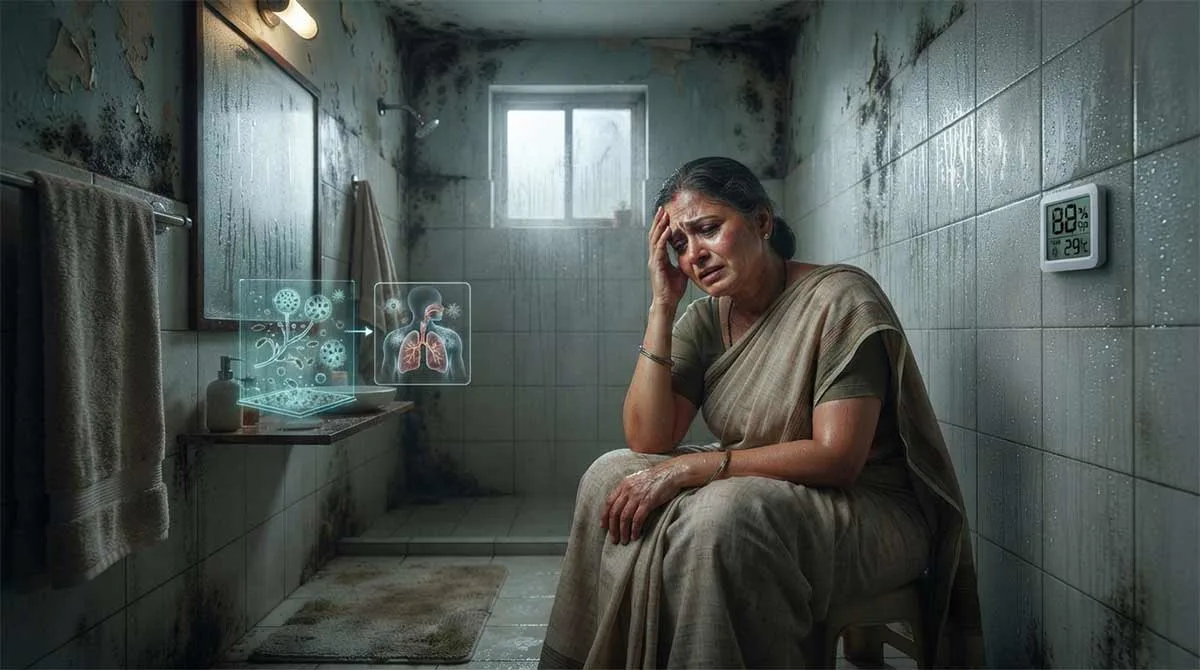
A damp bathroom not only impacts the appearance of the bathroom; it also has a severe impact on health because bathrooms naturally contain moisture left after our shower, and due to poor ventilation, that moisture is left in the bathroom, which gives space for microorganisms to grow, and those microorganisms create severe health consequences such as respiratory problems, etc.
How Does A Bathroom Become Damp?
A bathroom becomes damp when excessive moisture enters the surfaces of the bathroom, like tiles, mirrors, and walls, etc., faster than the moisture dries.
The reasons behind the dampness of a bathroom are:
Hot water shower: Due to a hot water shower, the moisture or evaporation stays on the surface of the bathroom, so if proper ventilation or time for escaping is not enough to dry out, it stays in the bathroom for a long time; this is the way the bathroom becomes damp.
Poor ventilation: Due to poor ventilation, moisture stays in the bathroom for a long time, which makes the bathroom become damp. It happens in the absence of an exhaust fan or an open window.
Due to structural imbalance: For example, leakage in piping or lack of a proper drainage system. This may also cause dampness in the bathroom.
For these reasons, the bathroom becomes damp, and it's not only harming the appearance of the bathroom or the structure of the bathroom, but it's also harming the health of those who are using it.
What Are The Effects Of A Damp Bathroom?
A damp bathroom not only spoils the bathroom's appearance but also affects its structure and the health of the people using it. The bathroom becomes damp due to moisture that is trapped inside the bathroom because of improper ventilation or less time to dry it or escape from the bathroom. When the bathroom is damp, or the moisture stays inside the bathroom for a long time, that excessive moisture causes bacterial growth, which harms the structure and affects the health of the people.
Health Effect
Respiratory problems: Due to dampness, bacteria get the space to grow in the bathroom, and using a bathroom affected by bacteria can trigger respiratory diseases. It can also trigger asthma and other respiratory diseases.
Skin irritation and allergies: Due to dampness, dust and bacteria get trapped in the bathroom, which can cause many skin problems and allergies like sneezing, eye irritation, and rashes, etc.
Mental wellbeing: Using a damp bathroom daily can also affect one’s mental wellbeing and increase stress and anxiety.
Structural Damage
Bacterial Growth: Bacteria grow in places where moisture is present, so due to the dampness, bacteria have the space to grow, and it causes severe health problems as well as damage to the structure as well.
Unpleasant Odor: Trapped moisture over a long period causes an unpleasant odor in the bathroom, which affects mental well-being.
Surface Peeling: Due to dampness, the paint or wallpaper appears to peel from the surface.
Ayurvedic Perspective
As per Ayurveda, Dampness increases the body’s ‘Kapha dosha ’(the water and earth elements), which reduces the digestive power (agni), which leads to lethargy and toxin production in the body; you also feel bloated and heaviness in your body.
Inhaling in a damp environment causes several respiratory problems as well because when we breathe in a damp environment, the bacteria or mold present in that environment go into our body, and then they provoke kapha in our lungs, which causes breathing discomfort, sneezing, and a runny nose.
Dampness is a home for bacteria and fungus; it invites them to grow, and it triggers the Pitta and Kapha doshas, which trigger skin irritation, like rashes and itching, etc.
Ayurvedic Prevention Tips
Dampness causes several health issues along with structural damage. It causes respiratory problems, digestion problems, and skin problems as well because it triggers the Kapha and Pitta doshas, and due to that it causes these problems. But Ayurveda provides a cure for these problems as well, and they are as follows:
- Improving Ventilation: Providing proper ventilation, for example, an open window or an active exhaust fan, which dries down the moisture or water vapour quickly so that it does not get the time to settle down.
- Preventing bacteria with herbs: By burning herbs like neem and loban, which are also known as natural purifying herbs, by burning them the odor they release helps to get rid of bacteria that grow due to the damp environment.
- Eating Warm Foods: Eating fresh and warm foods, which are made with ginger, black pepper, and other healthy spices, helps the internal fire to stay strong against the damp environment.
By following these simple tips, one can make their system strong and can fight the damp environment. From an Ayurvedic perspective, a clean and dry environment helps to reduce dampness and improves the quality of indoor air; a damp environment can trigger the Kapha and Pitta Dosha, which can cause respiratory problems and other health-related issues as well. So, by following these simple tips, one can prevent themselves from the effects of a damp environment.
Conclusion
A damp bathroom is not just a wall problem; it causes respiratory problems along with other health problems as well. It happens because of poor ventilation or any leakage problem, and due to improper ventilation, excessive moisture is trapped in the bathroom so the germs and bacteria get the space to grow, and these bacteria are the reason for the respiratory and other health problems; along with this, it also causes structural damage, like unpleasant odor and paint peeling off. As per Ayurveda, a damp environment increases Kapha and Pitta Dosha, which slows down the digestive power (agni) and causes skin irritation as well. By keeping the environment clean, dry, and properly ventilated, one can prevent dampness and make their bathroom and home clean and safe to breathe.
References
Human Health Effects Associated with Damp Indoor Environments
Damp Buildings - Damp Indoor Spaces and Health - NCBI Bookshelf