 Published on
28 Jul, 2026
Published on
28 Jul, 2026 Updated on 28 Jul, 2026
 5079
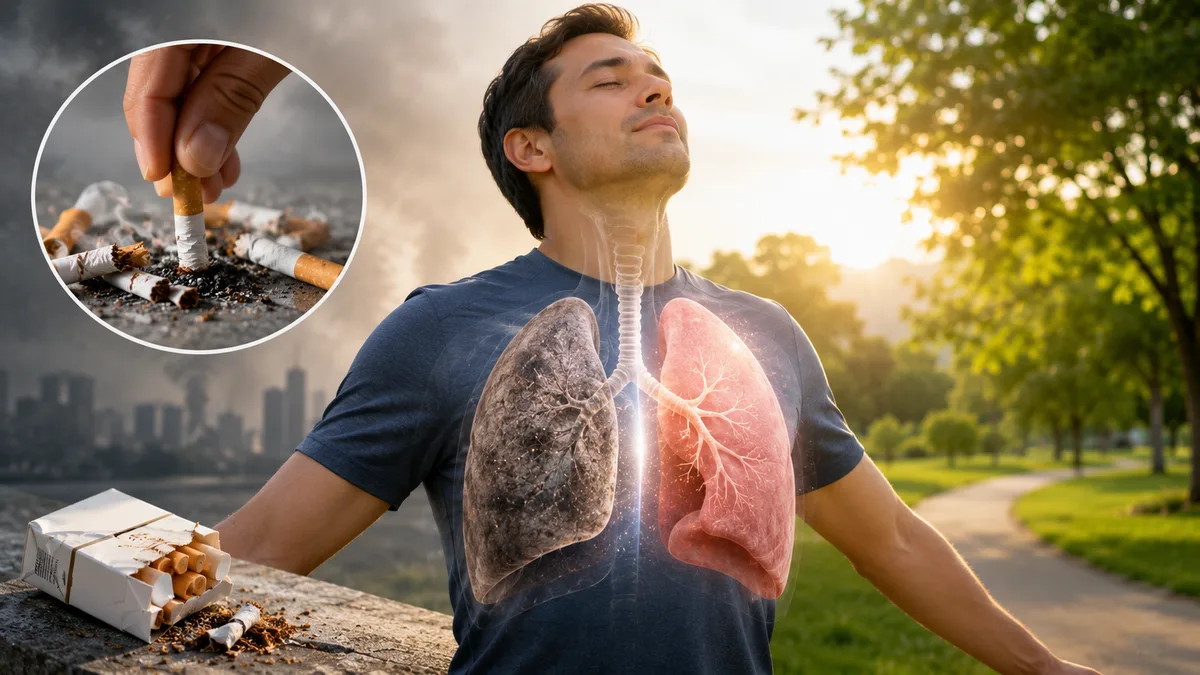
5079Many people wonder if putting out that last cigarette means their lungs will magically turn completely pink and fresh again. The honest answer is both yes and no. The human body is a wonderful, healing machine. The moment you stop smoking, your body immediately starts fixing the damage.
However, quitting does not instantly wipe away decades of heavy smoking. Some parts of your lungs will heal beautifully, while other parts might carry permanent scars. Even with those scars, choosing to quit is the absolute best thing you can ever do for your breathing, your heart, and your future.
What Smoking Does to Your Lungs Over Time
To understand how the body heals, we first need to look at what cigarette smoke actually does inside your chest day after day.
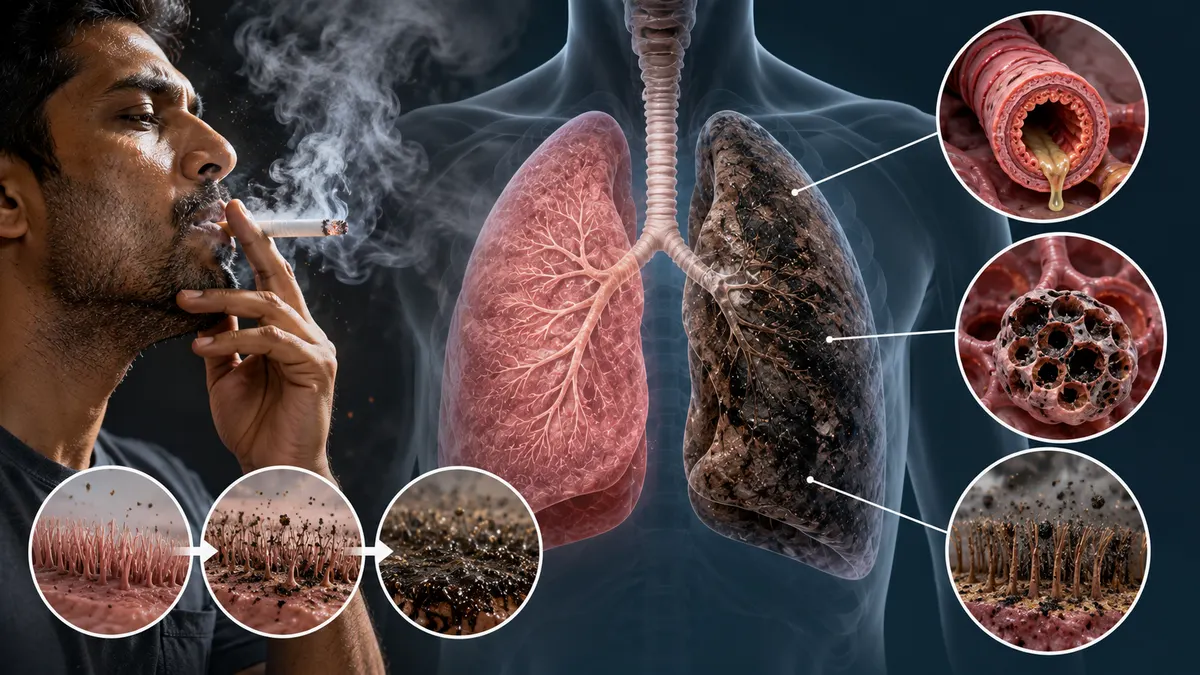
Irritates and Swells the Airways: Breathing harmful chemicals every day is similar to pouring acid into the pipe. To defend themselves from irritants, lungs produce mucus, and this is the reason why smokers have an early morning cough.
Destroys Healthy Lung Tissue: Lungs use millions of tiny stretchable air sacs that transfer oxygen to the bloodstream. The effect of smoke is the destruction of the lungs and bursting of these sacks resulting in breathlessness.
Paralyzes Your Natural Defenses: There are small hair brooms that clean your lungs from the dirt and bacteria. The effect of smoke paralyses this self-cleaning system and allows dangerous tar to stay there.
What Happens Inside Your Body After You Quit Smoking?
The most amazing thing about quitting is that you do not have to wait years to see results. The healing timeline starts on day one.
- First 24 Hours: The poison carbon monoxide exits your body, making way for oxygen to enter your bloodstream again. Heart rate and blood pressure return to their normal state very quickly.
- First Few Months: Your lungs become alert and begin cleaning up the mucus accumulated over several years. Coughing may seem frequent in the beginning as your lungs cleanse themselves, but climbing stairs becomes much easier.
- Over the Years: Your chances of having heart attacks or breathing problems become greatly reduced. Each year without smoking puts you one step closer to the health of a non-smoker.
Can the Lungs Actually Regenerate?
The Amazing Ability of Healthy Cells to Recover: Yes, certain portions of your lungs can be rejuvenated. Once you have stopped feeding them with harmful substances through your mouth, your body replenishes the walls of your air passages with fresh cells. This is similar to stripping off the peeling layers of wallpaper and covering the walls with a new coat of paint. These cells are healthy and strong and serve their purpose effectively.
Why Some Damage Cannot Be Reversed: Even though the new layer of paint may look beautiful, the body cannot rebuild the broken wall. The tiny airbags damaged by decades of smoking cannot be restored. In case a person suffering from smoking gets scarring in the lungs, the scarring will remain there forever. That is why it is important to quit smoking early and not later.
Why Former Smokers May Still Face Health Risks?
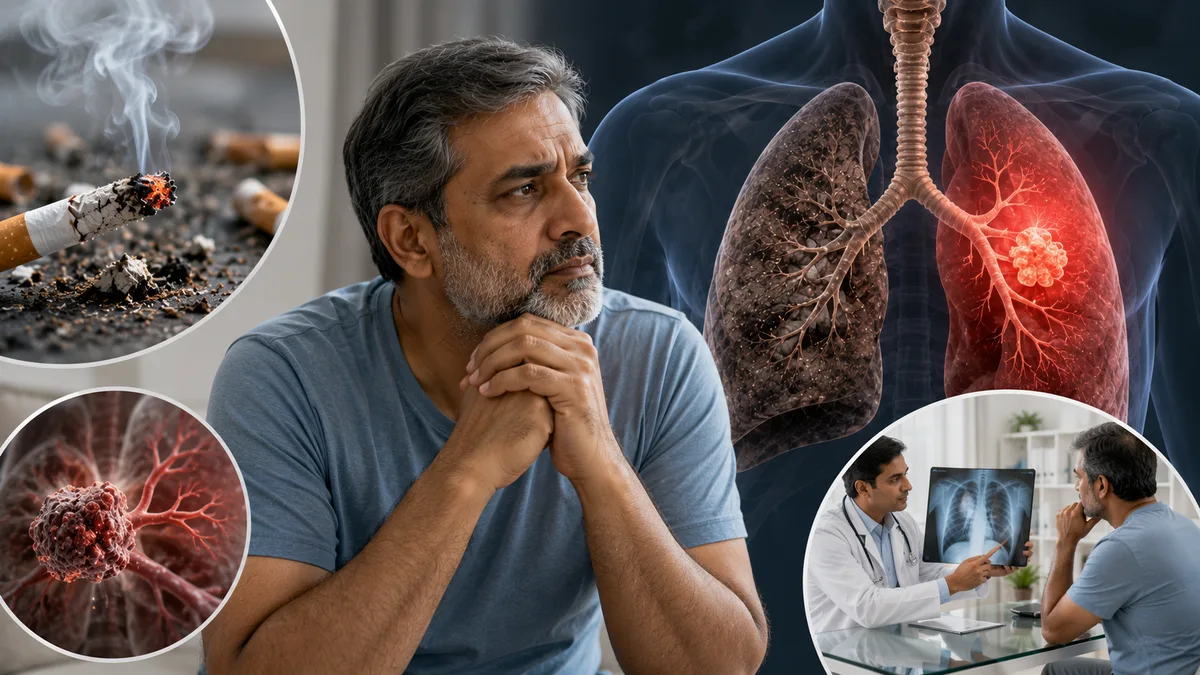
Long-term Consequences Brought by Many Years of Smoking: Although the air clears out, the body doesn't forget about the process. All years of inhaling the harmful substances into your lungs may cause minor alterations in your cellular system. The inflammation subsides; however, the memory of the smoke remains in your tissues.
Higher Susceptibility to Lung Cancer and Respiratory Diseases: This is why the former smoker will be more likely to develop lung cancer or experience problems with respiration than a nonsmoker. No need to get scared, but one has to stay wise. This implies that no matter how long ago you decided to stop smoking, it's important to consult a doctor and have medical checkups.
Doctor’s Note
Quitting smoking cannot fully reverse permanent structural damage like emphysema or deep tissue scarring, but it enables rapid functional recovery. Within months, airway inflammation subsides, protective cilia regrow to clear out toxins, and your 10-year risk of lung cancer drops by 50%. Quitting immediately halts ongoing tissue destruction and preserves your remaining healthy lung capacity.
Factors That Influence How Much Your Lungs Can Heal
Not everyone heals at the same speed. A few things decide how fast your body bounces back.
- Age: Younger people have more rapid healing than older people, yet older lungs can also heal well, but take a bit longer.
- Number of Years Smoking: If you have been smoking for shorter periods, then the damage to your body would be less permanent.
- Number of Cigarettes per Day: If you have been smoking fewer cigarettes a day, then your lungs have fewer tar deposits, and it is easier to clean up.
- Lifestyle Factors: Consuming healthy food, water, and regular exercises provide your lungs with everything they require to recover faster.
Signs That Your Lungs Are Recovering
You will feel the healing happening in your daily life. Look out for these wonderful changes:
- You will not start your day with a tight and wheezing chest.
- Your sense of smell returns, and you will be able to taste your food better.
- You will be able to laugh out loud without ending up coughing.
- You will have consistent levels of energy during the afternoon.
- You will not fall sick from every single cold that goes around at work.
- A deep breath will feel great!
Practical Ways to Support Lung Health After Quitting
You cannot buy a magic potion to clean your lungs, but you can help them along with simple, everyday habits.
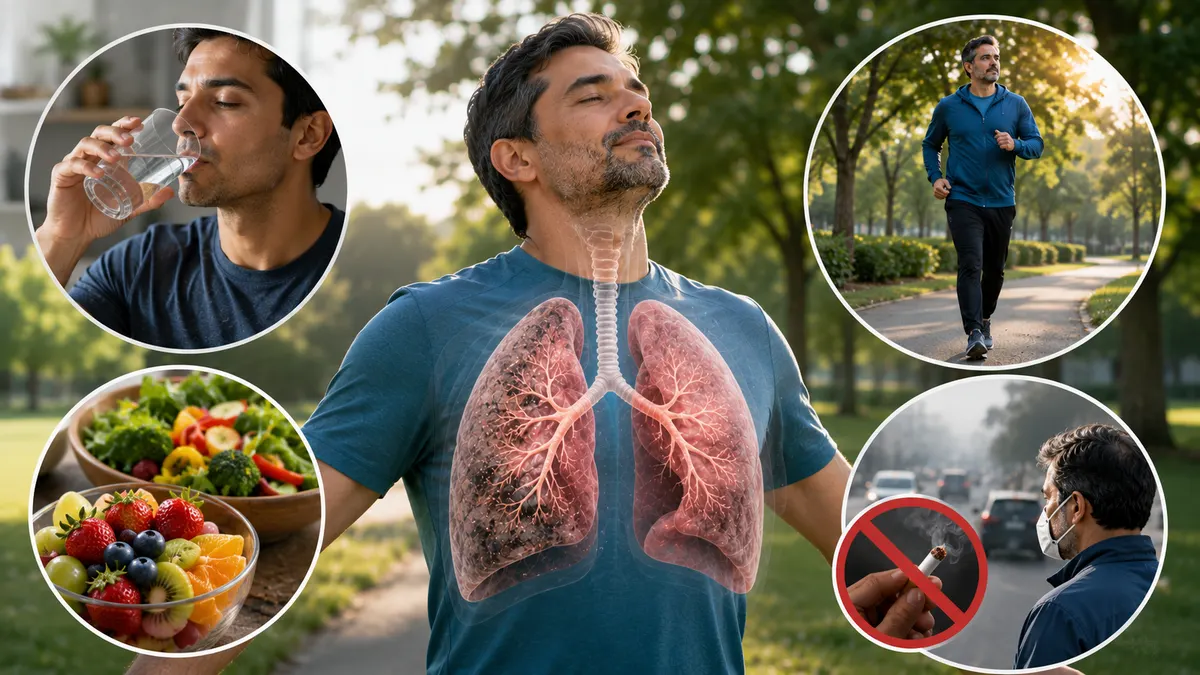
- Drink lots of water: Water is like the ultimate cleaner. It thins out the sticky, thick mucus in your chest so you can easily cough it out.
- Get moving: You do not need to run a marathon. Just taking a brisk 30-minute walk every day forces your lungs to open up and work hard, bringing fresh blood to the healing areas.
- Eat colorful food: Fruits and vegetables are full of natural vitamins that help lower the swelling inside your chest.
- Breathe clean air: Try to stay away from dusty rooms, heavy traffic pollution, and people who are smoking. Give your lungs a break from dirty air.
When Former Smokers Should See a Doctor?
Because old habits leave a shadow behind, you should always listen to your body. Make an appointment with your doctor right away if you notice:
- Coughing that is persistent for more than a few weeks.
- You have blood in your mucus.
- There is a severe and consistent pain in your chest or shoulders.
- Unexplained weight loss.
- Shortness of breath when you do simple tasks, like tying your shoes.
Final Thoughts
Your lungs are incredible. They put up with years of harsh smoke, yet the second you stop, they forgive you and get right to work trying to fix things.
Will they ever be the same as a baby’s lungs? No. Some of the damage is going to stay with you. But the healing that does happen is nothing short of a miracle. By putting the cigarettes down, you are letting fresh cells grow, you are calming down the angry swelling in your chest, and you are stepping away from a very high risk of serious disease.
Quitting is hard, but it is the bravest, most rewarding choice you can make. Every single day you wake up and choose not to smoke, you are breathing fresh life back into your body. Keep going, your lungs are thanking you with every breath you take.
References
WHO highlights huge scale of tobacco-related lung disease deaths