 Published on
22 Sep, 2026
Published on
22 Sep, 2026 Updated on 22 Sep, 2026
 5031
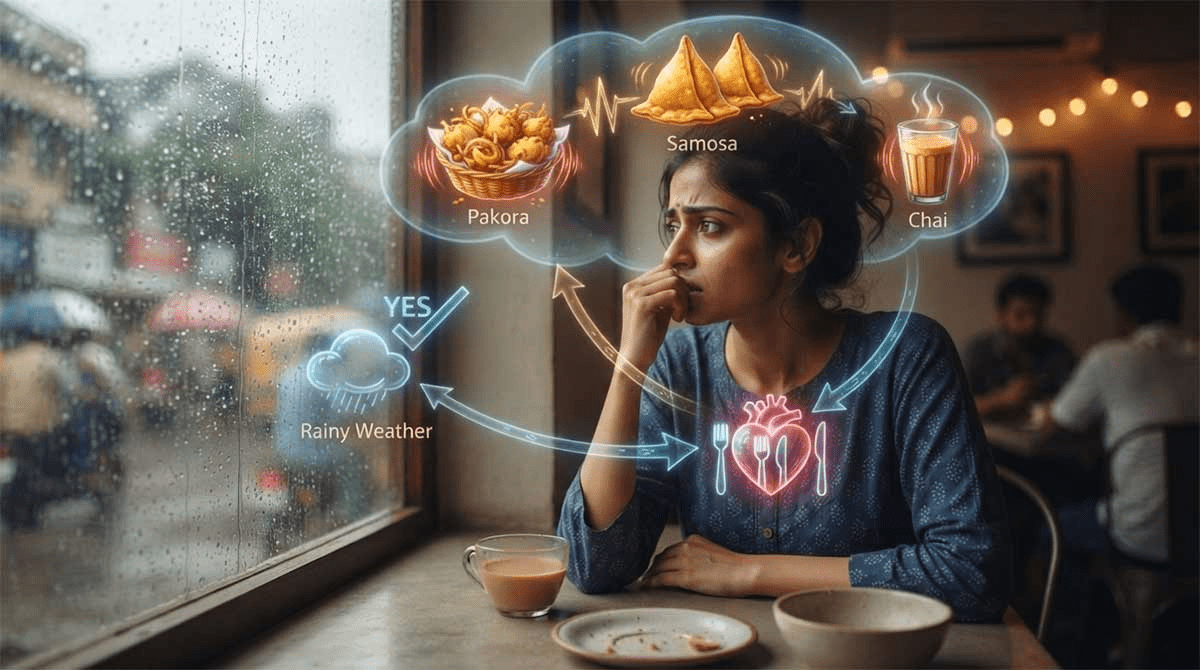
5031Imagine it is raining outside, and all you are craving is a hot plate of crispy pakoras, samosas, or snacks that, when served hot, can be so hard to resist. The moment it starts to drizzle outside, many of us want something fried, crunchy, or warm.
But does it just happen because of the cultural habit, or is it actually true that rainy weather makes you crave fried food even more?
The answer can be both, in part.
Why Do Rainy Days Make Fried Food Feel More Tempting?
One of the biggest reasons is comfort. Rainy weather often changes our surroundings and mood. We spend more time indoors, move around less and naturally look for foods that feel warm and satisfying.
Fried foods are particularly good at creating that sensory experience. They are crispy, aromatic, salty and usually served hot, which makes them especially appealing when the weather feels cool and damp.
There is also a psychological connection. In India, monsoon and snacks are almost a cultural pairing. From chai and pakoras to samosas and bhajiyas, many people have grown up associating rainy evenings with these foods. So when it rains, the craving may be partly driven by memories and familiarity rather than hunger alone.
Does Cold Or Rainy Weather Increase Hunger?
Weather can influence appetite, but it doesn’t automatically mean your body needs more fried food.
When temperatures drop, the body does use energy to maintain its temperature. However, modern life makes this effect less straightforward. Most people spend rainy days indoors, often in relatively comfortable temperatures, so the body may not need a significant increase in energy intake.
Why Do We Specifically Crave Crispy And Oily Foods?
Cravings aren’t always about a nutritional deficiency. Sometimes they are about texture, temperature, smell or emotion.
Crispy foods provide a strong sensory experience. The crunch, aroma and combination of salt and fat can make them particularly rewarding to eat.
During rainy weather, hot food can also feel more satisfying simply because of its temperature. A warm snack with a cup of tea can feel comforting when the environment outside is cool and gloomy.
This doesn’t mean your body is specifically asking for oil. It may simply be responding to a combination of comfort, habit, sensory appeal and context.
Does Eating Fried Food During The Monsoon Cause A Problem?
Having fried food occasionally isn’t automatically unhealthy. The bigger issue is when rainy-day cravings turn into a daily routine.
Frequent intake of heavily fried foods can make the overall diet higher in calories, saturated fat and sodium, particularly when portions are large and the rest of the meal is not very balanced.
Monsoon also comes with another consideration: food hygiene. Moisture and humidity can create conditions where food spoils more easily, especially if cooked foods are left sitting around for long periods. Street food and reused cooking oil can also be concerns depending on how the food is prepared and stored.
So the goal doesn’t have to be avoiding pakoras completely. It’s more about paying attention to frequency, portion size and preparation.
How Can You Enjoy Rainy-Day Cravings Without Overdoing Fried Food?
You don’t necessarily have to fight the craving. Instead, try making the experience more balanced.
You could have a smaller portion of your favourite snack alongside something more nourishing, such as fruit, curd or a proper meal. At home, snacks can also be prepared using methods such as air-frying, baking or shallow frying when appropriate.
Most importantly, check whether you’re actually hungry.
If you’ve already eaten and suddenly want something crunchy because it’s raining, it may be a comfort or sensory craving rather than physical hunger. Recognising the difference can help you decide what you actually want without turning the craving into guilt.
What Does Ayurveda Say?
From an Ayurvedic perspective, monsoon is considered a season when digestion can become more sensitive and appetite may fluctuate. Traditional Ayurvedic guidance generally emphasises freshly prepared, warm and easily digestible foods during this period.
That doesn’t necessarily mean every fried food is off-limits. However, very heavy, oily or difficult-to-digest foods may not feel comfortable when digestion is already sensitive.