 Published on
10 Apr, 2026
Published on
10 Apr, 2026 Updated on 16 Jun, 2026
 5189
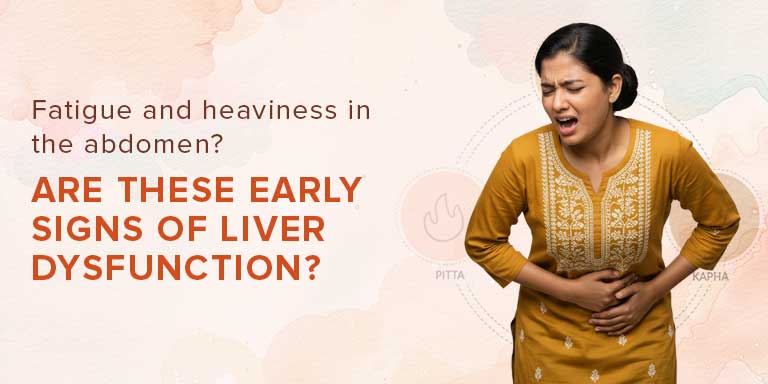
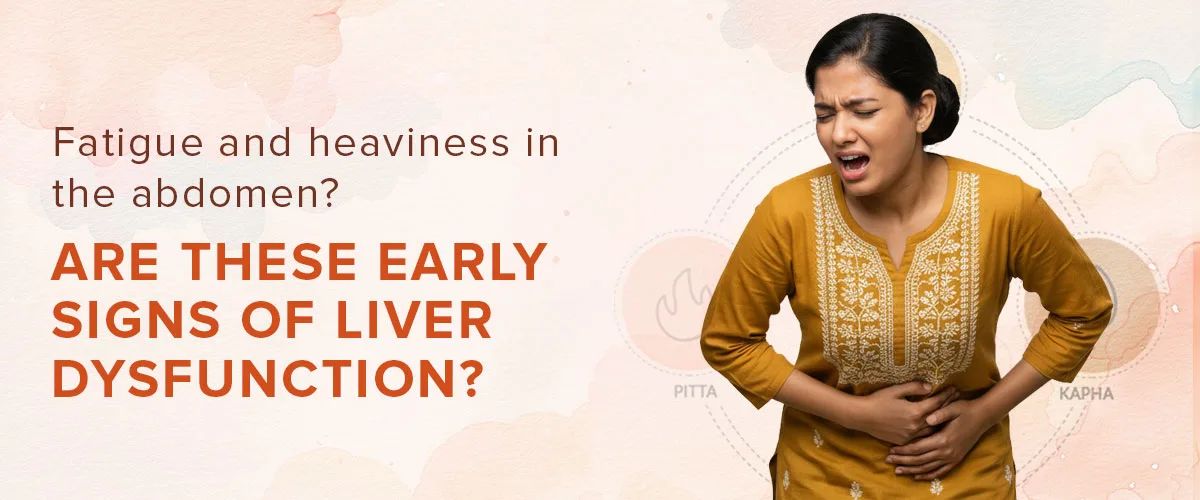
5189Tiredness and heaviness in the abdomen, while they might seem insignificant, can easily interfere with daily activities. Such symptoms are often ignored, considered to stem from stress, poor diet, or insufficient rest. Yet, in certain cases, these mild signs indicate serious disorders that affect such an essential organ as the liver. The liver is the center for food digestion, cleansing, and the transformation of substances into energy, and once it fails, it sends out some signals. Learning how to identify and interpret these warnings correctly could significantly influence future health.
Liver Dysfunction
Liver dysfunction involves the impaired functioning of this essential organ. The liver stops being efficient in cleansing the body of toxins, promoting digestive processes, and performing metabolic functions. This means, basically, that:
- The body's detoxification process becomes ineffective.
- The body’s ability to digest becomes poor.
- Toxins can accumulate in the body.
Diseases such as Fatty Liver or Liver Cirrhosis might be involved in such liver dysfunctions. The imbalance in the body is connected to the Pitta dosha and disturbed Agni (digestive fire) in Ayurveda.
Forms of Liver Dysfunction
Liver dysfunction may manifest itself in several ways, depending on the nature and severity of the problem:
- Non-Alcoholic Fatty Liver Disease (NAFLD)
- Resulting from excess fat deposits in the liver
- Frequent in inactive persons and those with unhealthy eating habits
- Alcoholic Liver Disease
- Resulting from overconsumption of alcohol
- Develops from fatty liver to cirrhosis
- Liver Inflammation (Viral or Autoimmune)
- Inflammation in the liver
- Acute or chronic form
- Early Liver Cirrhosis
- Formation of scar tissue in the liver
- Progressive occurs without symptoms
- Liver Function Disarray (Ayurvedic Medicine View)
- Does not have any significant organ damage at all
- Fatigue, heavy feeling, indigestion
Symptoms of Liver Imbalance
Fatigue and heaviness in the stomach area may indeed serve as early symptoms. Other possible symptoms may include:
- Continuing fatigue/low energy
- Heaviness and fullness in the upper stomach area
- Loss of appetite
- Bloating and indigestion
- Nausea
- Jaundice (in more advanced stages)
- Dark urine or pale feces
- Weight gain or loss
Additional symptoms of Liver dysfunction may also include:
- Bitter taste in the mouth
- Increased body heat
- Mood disturbances
Liver Function Causes
Some causes of liver dysfunction may be:
Causes linked to your lifestyle
- Overconsumption of oils and frying products
- Lack of physical activity
- Irregular eating times
Causes related to health conditions
- Virus-induced hepatitis
- Metabolic syndrome, like Type 2 Diabetes
- Cholesterol issues
Causes related to substance abuse
- Excessive alcohol intake
- Medication use over long periods of time
Causes associated with Ayurveda
- Pitta excess
- Reduced digestive capacity (Mandagni)
- Toxicity (Ama)
Risk Factors & Complications
|
Risk Factors |
Possible Complications |
|
Poor diet |
Fatty liver, liver damage |
|
Obesity |
Liver inflammation |
|
Alcohol consumption |
|
|
Stress |
Digestive issues |
|
Diabetes |
Impaired liver function |
How Is Liver Dysfunction Diagnosed?
Current Medical Diagnosis
Several procedures are used to assess liver function:
- Liver Function Tests (LFTs) – Measures enzyme levels
- Ultrasound or CT Scans – Reveals fat build-up or structural abnormalities
- Fibroscan – Determines liver firmness (fibrosis)
- Blood Tests – Detect infections such as hepatitis
Regular screening using these methods can help avoid the development of severe diseases.
Ayurvedic Diagnosis
In Ayurveda, the emphasis lies on discovering the underlying cause of the problem:
- Prakriti Determination – Knowing one’s body type
- Nadi Pariksha (Pulse Examination) – Determines dosha imbalance
- Agni Evaluation – Determines digestive efficiency
- Ama Discovery – Detecting toxic buildup
According to Ayurveda
According to Ayurvedic theory, most liver issues arise because of an imbalance in Pitta Dosha. Digestive issues and the buildup of toxins lead to such imbalances and negatively impact the liver. Signs That Your Liver and Digestion Aren’t Working Properly:
- Feel heaviness after eating
- Fatigue
- Slow digestion process
Ayurvedic Solutions:
- Consume light and easy-to-digest foods
- Stay away from fatty foods
- Drink warm water
- Sleep at the same time every day
- Relieve Stress
Useful Ayurvedic Herbs
Commonly used herbs are:
- Bhringraj – Detoxifying effects on the liver
- Bhumi Amla – Enhances liver function
- Giloy – Improves the immune system; helps with detoxification
- Kutki – Strengthens liver function and digestion
- Ashwagandha – Reduces fatigue and increases energy
Ayurvedic Treatment Techniques
There is a need for the application of treatments where:
- Panchakarma - detoxification treatment
- Virechana - purging method good for the liver
- Vamana - assists in balancing doshas
Diet Plan
|
What to Eat |
What to Avoid |
|
Light meals |
Fried food |
|
Fresh fruits & vegetables |
Spicy food |
|
Lentils (especially moong) |
Junk food |
|
Warm water |
Cold and packaged drinks |
Allopathy vs Ayurveda
|
Basis |
Allopathy |
Ayurveda |
|
Approach |
Symptom control |
Root cause treatment |
|
Effect |
Quick relief |
Long-term healing |
|
Focus |
Specific disease |
Whole body balance |
|
Medicines |
Chemical-based |
|
|
Side effects |
Possible |
Generally minimal |
|
Results |
Temporary relief |
Sustainable improvement |
When Should You Consult a Doctor?
Seek medical attention if you experience:
- Constant abdominal heaviness
- Continuous tiredness
- Reduced appetite
- Vomiting
- Skin discoloration
- Pain in the right abdomen
Persisting symptoms should not be overlooked.
Conclusion
Fatigue and heaviness may appear insignificant, but they could indicate underlying liver problems. Diagnosis at an early stage and the correct treatment strategy can avoid any complications. Ayurveda emphasises inner healing and yields sustainable results.