 Published on
10 Apr, 2026
Published on
10 Apr, 2026 Updated on 25 May, 2026
 5209
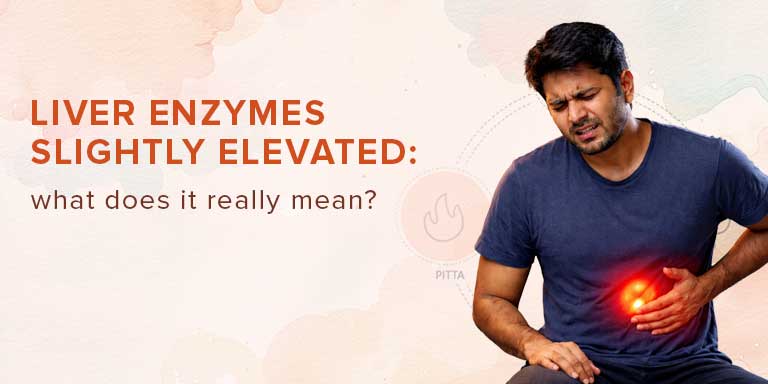
5209But there can be one day when a routine blood test will reveal some abnormal findings – elevated levels of liver enzymes. It seems scary, but usually, it is just an indication from your body that your liver needs care. Your liver performs a wide range of functions, including toxin filtration, helping with the digestion process, and maintaining proper metabolism. If this work is performed under some stress conditions, it can also reflect in increased levels of liver enzymes.
It is important to catch this condition at an early stage because it allows you to find out the reason for it and fix it before it brings you any health issues.
About Elevated Liver Enzymes
The enzymes in the liver assist in accelerating chemical reactions. The most frequently used liver enzymes for testing are ALT, AST, ALP, and GGT.
Elevated liver enzymes mean that their level in your blood is a bit higher than it should normally be. This occurs because irritation, inflammation, or damage to liver cells makes enzymes enter the bloodstream.
Types of Elevations:
Elevations can vary in types depending on what enzymes are affected:
- Low elevation (very common)
- Mild elevation; usually temporary and reversible
- Hepatocellular elevation pattern
- Raised ALT and AST values -> indicate irritation of liver cells
- Cholestatic elevation pattern
- Raised ALP and GGT values -> indicate problems with bile production
- Mixed elevation
- Combinations of both
The type of elevation helps determine the next steps in the process of managing your condition.
Mild Symptoms That Could Tip You Off
Most people who have a slight elevation of liver enzymes do not show any symptoms. However, you could experience some mild ones that include:
- Fatigue or lack of energy
- Minor discomfort in the right part of the abdomen
- Loss of appetite
- Feeling bloated after eating
- Occasional nausea
- Mild yellowing of the whites of the eyes and skin (seldom seen with low elevation)
Liver Enzyme Levels Elevate - Why?
However, there is more than one answer to why your enzyme levels are high, because there are many factors that could affect your liver function:
- Fatty liver due to poor dietary habits or physical inactivity
- Alcohol abuse
- Specific medicines, such as analgesics and antibiotics
- Viruses, including hepatitis
- Being overweight or having insulin resistance
- Elevated cholesterol levels
- Eating too much junk food and fatty foods
- Being stressed out and lacking sleep
Risk Factors & Possible Complications
|
Risk Factors |
Possible Complications (If ignored) |
|
Obesity or belly fat |
Fatty liver disease |
|
Regular alcohol intake |
Liver inflammation (hepatitis) |
|
Poor diet (processed, oily foods) |
Liver damage over time |
|
Diabetes or insulin resistance |
Non-alcoholic fatty liver disease (NAFLD) |
|
Long-term medication use |
Drug-induced liver injury |
|
Lack of physical activity |
Sluggish liver function |
|
High cholesterol |
Doctors’ Understanding of the Issue
Modern Approach: Doctors diagnose using several types of tests:
- Blood tests (LFT – Liver Function Test)
- Checking enzyme levels (ALT, AST, and more)
- Imaging scan or ultrasound
- Presence of fatty liver or other structural abnormalities
- Testing for viral infection
- Exclusion of any infections, including hepatitis
- Patient medical history examination
- Diet, lifestyle, and medications used
Early discovery due to all these tests prevents complications from developing.
Ayurveda Point of View
For Ayurveda, the liver's well-being is tightly associated with Pitta dosha and agni (digestive power). The rise in enzyme levels means there is an imbalance and toxins build up in the body.
The evaluation process includes:
- Analysis of Prakriti
- Pulse examination (Nadi Pariksha)
- Diet and the patient’s lifestyle review
- Digestive power check
The focus is always on detecting the root of the issue and balancing the body using proper nutrition, herbs, and diet.
Elevated Liver Enzymes – The Ayurvedic Perspective
According to Ayurveda, the liver is one of the major organs connected to Pitta Dosha. Pitta is responsible for metabolism and other physiological functions in the body. An increase in the activities of Pitta Dosha – triggered by factors like eating spicy foods, alcohol abuse, stress, and poor lifestyle choices – starts to impair the normal functioning of the liver.
Secondly, impaired digestive function causes Ama build-up in the body. Ama refers to the accumulation of harmful substances that obstruct the normal physiological processes within the liver. Therefore, according to Ayurveda, elevated liver enzymes are:
- Increased Pitta (internal body heat)
- Build-up of Ama
- Impaired metabolic functioning of the liver
Jiva Ayurveda Treatment Approach
Jiva Ayurveda tailors its treatment process according to the unique body constitution and state of an individual. Treatment usually involves:
- Extensive Consultation: Evaluation of Prakriti (body constitution), signs and symptoms, lifestyle, and medical history
- Cause Determination: Evaluation of whether the cause of the disease is dietary habits, stress, toxic buildup, or metabolism
- Individualised Herbal Formulations: Preparation of medicines as per doshic imbalances of an individual
- Diet and Lifestyle Advice: Suggestions that help in the liver healing process
- Follow-up Sessions: Periodical monitoring of the response and modifications in the treatment process
The purpose is not merely to stabilise enzyme production but also to optimise liver performance and avoid future complications.
Ayurvedic Herbs for Liver Function
Several herbs have been utilised in Ayurveda for their hepatoprotective and detoxification benefits:
- Kutki (Picrorhiza kurroa): Herb responsible for facilitating liver detoxification and enhancing performance
- Kalmegh (Andrographis paniculata): Herb useful for managing inflammatory conditions and promoting liver tissue regeneration
- Bhumyamalaki (Phyllanthus niruri): Herb known for preserving normal levels of liver enzymes
- Giloy (Tinospora cordifolia): Herb used for toxin removal and immune system stimulation
- Amla (Indian gooseberry): Herb rich in antioxidants and promoting digestive processes
- Punarnava (Boerhavia diffusa): Herb helpful in optimising liver functioning and minimising fluid buildup
Therapies for Ayurveda that Aid Recovery
Specific treatments can be suggested for promoting faster recovery from liver problems:
- Virechana (Purgation Therapy): It helps eliminate excess Pitta and cleanse the liver.
- Abhyanga (Oil Massage Treatment): It aids better blood flow and promotes detoxification.
- Swedana (Steam Bath Treatment): It assists in detoxification through sweating.
- Basti (Enema Treatment): It aids in balancing the doshas and helps cleanse the body.
All of these therapies are suggested to be done under professional guidance only.
Therapies for Ayurveda that Aid Recovery
Specific treatments can be suggested for promoting faster recovery from liver problems:
- Virechana (Purgation Therapy): It helps eliminate excess Pitta and cleanse the liver.
- Abhyanga (Oil Massage Treatment): It aids better blood flow and promotes detoxification.
- Swedana (Steam Bath Treatment): It assists in detoxification through sweating.
- Basti (Enema Treatment): It aids in balancing the doshas and helps cleanse the body.
All of these therapies are suggested to be done under professional guidance only.
Diet for Elevated Liver Enzymes
|
Recommended Foods |
Foods to Avoid |
|
Fresh fruits (apple, papaya) |
Fried and oily foods |
|
Green leafy vegetables |
Excessively spicy and sour foods |
|
Whole grains (brown rice, oats) |
Processed and packaged foods |
|
Light dals (moong dal) |
Alcohol and smoking |
|
Coconut water and herbal teas |
Sugary drinks and soft drinks |
|
Amla and aloe vera juice |
Red meat and heavy meals |
|
Freshly cooked, warm food |
Stale and leftover food |
How We Diagnose Patients At Jiva Ayurveda
In the case of Jiva Ayurveda, no two patients can be identical. Rather than sticking to reports, the diagnostic procedure digs deeper to discover any imbalances. The diagnostic process involves:
- Patient Interview: During this process, a doctor analyses all the patient’s symptoms, dietary habits, sleep patterns, personal routines, and health history.
- Prakriti (Body Type) Examination: Determining if one's body is dominated by vata, pitta, or kapha allows the doctor to make an accurate diagnosis.
- Nadi Pariksha (Pulse Check): An ancient diagnostic technique involving the evaluation of internal imbalances based on pulse reading.
- Agni (Digestive System) Evaluation: Analyzing the digestive abilities of the body.
- Evaluation of the Amount of Ama in the Body: This process determines whether there is an excess accumulation of ama/toxins within the body.
Our Step-by-Step Patient Care Process:
Expect a Call: Submit your contact details, or you can also call us on 0129 4264323.
Appointment Confirmation.
- You can schedule an appointment and visit us at our clinic for a consultation with our Ayurvedic experts.
- If you are unable to find our clinics near you, you can also schedule an online consultation on 0129 4264323 at a discounted price of Rs. 49 (regular price Rs299) and avail guidance from our doctors at home.
Detailed Diagnosis
Jiva doctor will perform a thorough and detailed diagnosis to identify the root cause of your health problem.
Root-cause Based Treatment
Jiva doctor will recommend a personalised treatment using highly-effective, natural, and Ayurvedic medicines to address symptoms and the root cause.
Patient testimonial - Vinit
“I do not drink alcohol, so when there was a pain in my abdomen and the doctor told me that I had fatty liver, I was shocked. Later Jiva doctor explained that fatty liver can happen even to people who don't drink or eat non-veg. After 7 months of taking Jiva medicines and following the diet plan, I am healthy again. Thank you Jiva.”
Estimated Cost of Treatment at Jiva Ayurveda
Understanding the financial investment required for your health is important. At Jiva Ayurveda, we make sure of transparency in our service costs, which allows you to choose the most suitable option for your medical needs.
Treatment Cost
For patients who seek standard, ongoing care, the Monthly Cost of Medicine and consultation typically ranges from Rs. 3,000 to Rs. 3,500. Please note that this is an estimated baseline. The final cost depends on the exact nature and severity of the patient's condition.
Protocol
For a more comprehensive, structured approach, we offer specialized Package protocols. These plans are designed to address both physical symptoms and the overall lifestyle correction. The package includes:
- Medicine
- Consultation
- Mental Well-Being Sessions
- Yoga and Meditation
- Diet
The cost for this protocol involves a one-time payment ranging from Rs. 15,000 to Rs. 40,000, which covers the full 3 to 4-month duration of the treatment.
Jivagram
For patients requiring intensive and immersive care, our Jivagram centres offer the ultimate healing experience. Jivagram is a holistic sanctuary set in a peaceful, eco-friendly environment, and it provides:
- Authentic Panchakarma therapies
- Sattvic meals
- Modern healing services
- Comfortable accommodation
- Many more quality-of-life facilities
An immersive wellness stay at Jivagram costs around 1 Lakh for a 7-day duration, ensuring continuous personalised care to help reset your body and mind.
Why Patients Trust Jiva Ayurveda
Over the years, Jiva Ayurveda has gained the trust of thousands of patients who are seeking natural and personalised healthcare solutions. Some of the key reasons for patients’ trust in Jiva Ayurveda:
- Root-Cause Based Treatment
Unlike conventional treatments that address only the symptoms of disease, Ayurvedic treatment focuses on treating the root causes and correcting the underlying imbalances in the body that lead to disease.
- Experienced Ayurvedic Doctors
Jiva Ayurveda boasts of having a huge team of experienced Ayurvedic doctors who thoroughly examine each patient’s condition before recommending treatment for diseases.
- Personalised “Ayunique” Treatment Approach
Ayurvedic treatment is highly personalised and customised according to each individual’s prakriti and lifestyle.
- Holistic Healing
Ayurvedic treatment is not limited to medicines; it also includes dietary and lifestyle modifications, breathing techniques, and stress management to support overall healing of the body and mind.
- Trusted by Patients Across India
A huge percentage of patients have shown improvement in their conditions after adopting Jiva’s treatment plans and recommendations for diseases. This shows how much people trust Jiva Ayurveda for Ayurvedic treatment.
- 95% of patients saw significant improvement within 3 months of treatment.
- 88% of patients stopped allopathic medicines completely.
- 8000+ patients are consulted every day
- 1.5 million+ satisfied patients worldwide
- 30+ years of Ayurvedic expertise
- 80+ clinics across India
Modern Treatment vs Ayurvedic Treatment for Elevated Liver Enzymes
|
Basis |
Modern Treatment |
Ayurvedic Treatment |
|
Approach |
Focuses on managing symptoms and the underlying disease |
Focuses on root cause and overall body balance |
|
View of Condition |
Seen as liver inflammation or damage |
Seen as Pitta imbalance and toxin (Ama) accumulation |
|
Diagnosis |
Blood tests, imaging (LFT, ultrasound) |
Prakriti analysis, Nadi Pariksha, digestion assessment |
|
Treatment Method |
Medications, lifestyle advice |
Herbal medicines, diet correction, and detox therapies |
|
Speed of Relief |
Faster symptom control |
Gradual but long-lasting healing |
|
Side Effects |
Possible with long-term medication use |
Minimal when taken under expert supervision |
|
Long-term Benefit |
May require ongoing medication |
Aims to prevent recurrence and strengthen liver naturally |
When it's Time to Visit a Doctor
Although high levels of liver enzymes may not be problematic, there are certain red flags one shouldn’t ignore:
- Feeling tired or weak
- Yellowing of eyes or skin
- Severe stomach pain (particularly on the right side)
- Reduced appetite or unexpected weight loss
- Vomiting or nausea that persists
- Dark-colored urine and pale stools
The above are symptoms that mustn’t be ignored.
Step ahead towards healthy liver function
You can consult our experts at Jiva Ayurveda for a better diagnosis.
Contact Jiva Ayurveda:
Call:0129-4264323
Website: https://www.jiva.com/
Online Consultation: Available across India
Timely consultations can have a significant impact on improving your health.
A Slight Reminder That Closes Gently
Mildly raised levels of liver enzymes are not a disease, but an indication that your liver requires your attention. The good thing about this is that at this point, your liver enzymes might just be reversible with some actions taken.
Using proper combinations of diet, exercise, and Ayurvedic treatments will help you enhance your liver's healing process. Paying heed to your body early on might save you from having greater problems ahead.