 Published on
06 Apr, 2026
Published on
06 Apr, 2026 Updated on 25 May, 2026
 5262
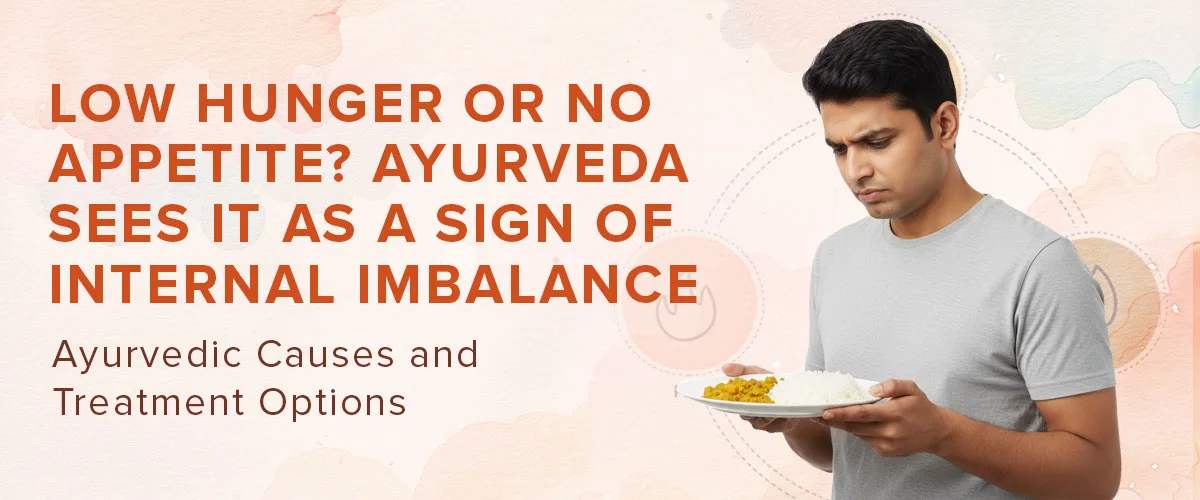
5262Appetite loss is never a temporary state; in Ayurveda, it is an important sign that one's digestive fire (or Agni) is struggling or weakened. When the inner heat is decreased, the body struggles to convert the foods you eat into vital energy, creating an inner whisper that tells you something is not right.
Instead of simply being a lack of hunger, this change can actually be a sign that something is going on within either the physiological or emotional aspect of you. Be it a build-up of Ama, or Dosha imbalances, or just an overwhelming amount of stress that needs to be dealt with, appetite loss is the body's way of telling you that things need to be reset.
Understanding Appetite in Ayurveda (Role of Agni)
The core of health is called Agni (the digestive fire). This fire acts like the body’s sun. When Agni is balanced, you feel hungry at the right time. Your body is then ready to take in food and turn it into energy.
The Role of Agni in Appetite
Agni does more than just help you digest a meal. It helps turn food into Tejas, which is mental clarity, and Ojas, which is immunity.
Here are some points about Agni:
- Agni (Samagni) makes you feel hungry at the right times. It also helps you digest food properly.
- When Agni is weak (Mandagni), you may not feel like eating. You might feel heavy. Your body may start to form Ama, which are toxins.
- Irregular Agni (Vishamagni) makes your h
The Mind-Digestion Connection
In Ayurvedic tradition, the gut and the brain are deeply intertwined. Digestion does not begin in the stomach, but with the senses and the nervous system.
- Prana Vayu: The downward flow of energy that initiates the process of digestion is highly susceptible to stress in the mind.
- Mental Indigestion: Stress, over-analysis, and unprocessed emotions act as “Ama” in the mind. This blocks the signals from the stomach and slows down the digestive fire.
- Sadhaka Pitta: A subcategory of Pitta dosha, Sadhaka Pitta is responsible for the “digestion” of thoughts. When it becomes overwhelmed by emotions, it can suppress the physical appetite.
What Happens When Hunger Signals Are Suppressed
Neglecting the absence of hunger, or overeating despite this deficiency, can disrupt the body’s internal metabolic cycle.
- Malnutrition: Even if the diet is nutritious, an inactive Agni reduces the body’s ability to absorb nutrients.
- Fatigue: When the Dhatus do not receive adequate nourishment, you may experience tiredness and symptoms like a “foggy mind.”
- Depletion: In cases of prolonged deficiency, the body becomes weakened and more susceptible to diseases.
Signs and Symptoms of Low Appetite
In Ayurveda, when you do not feel like eating, it is considered a sign that something is wrong. This is called Aruchi, or a diminished appetite. It indicates that the energy in your body, or Prana, is not flowing properly, or that the balance of the Doshas is disrupted.
These signs can tell you a lot about what is going on:
- Persistent Lack of Hunger: You do not feel like eating, even when it is time for a meal. Instead, you may feel heavy.
- Satiety: You feel full after eating only a small amount, which indicates that the energy in your body, or Samana Vayu, is not moving downward as it should.
- Coated Tongue (Jihwa Pariksha): A yellow layer on the tongue is a sign that toxins, or Ama, are present in your digestive system.
- Digestive Distress: You may feel bloated or gassy and experience indigestion even when eating light and healthy meals.
- Fatigue: You may feel tired all the time or experience Alasya, a form of general lethargy. This happens because your body is not properly absorbing nutrients from the food you eat, leading to undernourished tissues.
Common Causes of Low Hunger
A lack of hunger is rarely a standalone issue; it is a sign that the body’s internal “furnace” is struggling. Identifying the root cause is the first step toward Agni Deepana (rekindling the fire) and restoring your natural vitality.
- Weak Digestive Fire (Mandagni): When Agni is weak, the transformation of nutrients into vital energy is impaired. This leads to reduced hunger, which is the body’s way of protecting itself from metabolic overload.
- Toxic Build-Up (Ama): As mentioned earlier, undigested food turns into sticky metabolic waste known as Ama. This blocks the tiny channels of the body, called Srotas, and prevents proper nourishment, resulting in a constant feeling of heaviness.
- Stress and Emotions: Prolonged stress shifts the body’s energy toward “survival” processes, leaving little room for normal functions like hunger signals.
- Unbalanced Diet and Lifestyle: Irregular mealtimes disrupt the body’s internal circadian rhythm, making Samana Vayu (the energy responsible for hunger contractions) weak and dysfunctional.
- Disease and Medicine Intake: Chronic illnesses and certain medications can reduce sensory awareness and weaken the mucous membrane of the digestive tract.
Risks and Complications of Ignoring Low Appetite
Neglecting a lack of hunger allows the underlying imbalance to move deeper into the body’s tissues. In Ayurveda, when digestion or Agni is not functioning properly, it can eventually lead to depletion if we ignore the body’s signals.
- Nutritional Deficiency: When we do not eat enough or properly digest our food, the body’s tissues do not receive the nourishment they need. This includes all seven tissues, from plasma to reproductive tissue.
- Fatigue: We may begin to feel tired all the time. Without proper nourishment from food, the body lacks the fuel it needs, leading to low energy and persistent tiredness.
- Immunity: The body’s ability to fight infections weakens. Immunity depends on proper digestion, and when appetite is low, the body is unable to produce what it needs to stay healthy, making it more prone to illness.
- Digestive Disorders: Long-term imbalance can lead to conditions such as IBS or persistent indigestion. Without restoring balance, the digestive system gradually loses its ability to function efficiently.
- Mental Health Impact: The gut and mind are closely connected. Digestive imbalances can contribute to anxiety, low mood, and cognitive decline. When digestion is impaired, it directly affects overall mental well-being.
Dosha Imbalance and Its Role in Appetite Loss
In Ayurveda, your hunger reflects how well your Doshas are balanced. When these energies become imbalanced, they affect your Agni, making you feel hungry or suppressing your appetite at different times.
- Vata-Related (Vishamagni): When Vata is out of balance, your hunger becomes irregular; you may feel hungry one day and not hungry the next. This makes digestion unpredictable and may lead to gas, bloating, and constipation. Vata is governed by the elements of air and space, which makes hunger irregular.
- Pitta-Related (Tikshnagni to Mandagni): Pitta can make you feel extremely hungry and irritable. If it becomes too intense, it can burn out your digestive fire, leading to acidity, a sour taste, and irritation. As a result, the body may suppress hunger to protect the system.
- Kapha-Related (Mandagni): Kapha slows down the digestive fire, making you feel less hungry and causing food to take longer to digest. This can make you feel heavy, sluggish, and uninterested in eating, as if you are still digesting your previous meal.
Jiva Ayurveda Approach to Low Appetite (Agni Imbalance)
The Jiva approach to restoring appetite focuses on more than just “eating more.” It is a systematic process of identifying the root cause, whether it is a functional blockage, a structural imbalance, or a mental load, and using the principles of Ayurveda to rekindle the internal fire.
- Prakriti Analysis: The first step in Jiva Ayurvedic treatment involves determining your Prakriti (body constitution) and Vikriti (imbalance). Whether your poor appetite is caused by an excess of Vata (unpredictable), Pitta (overheated), or Kapha (slow) will influence all aspects of your treatment program.
- Deepana & Pachana (Digestion & Metabolism): The next stage is to clear out any internal buildup. Special Pachana herbs are used to digest accumulated toxins (Ama), while Deepana herbs like ginger, pippali, and maricha help kindle your Agni without irritating it.
- Srotas Shuddhi (Cleanse Your Channels): If you have been dealing with poor appetite for some time, the focus shifts to purifying the microscopic channels (Srotas) within your digestive system. This ensures that when hunger returns, nutrients can properly reach your Dhatus (tissues).
- Satvajaya Chikitsa (Psychological Management): Since the mind and gut work in close harmony, the treatment plan includes methods to calm the nervous system. By reducing stress, or “psychological Ama,” the digestive system is freed from its impact.
- Ahar & Vihar (Food & Lifestyle): A personalized Pathya plan is recommended, including a diet of warm, light, and easy-to-digest foods, along with supportive lifestyle practices.
Ayurvedic Medicines for Low Appetite (Agni Imbalance)
Ayurvedic medicines focus on stimulating the digestive fire (Agni), removing toxins (Ama), and restoring natural hunger signals.
- Trikatu Churna (The Three Pungents): A combination of black pepper, long pepper, and ginger. This blend provides the “fire” needed to activate a dull Agni and works effectively in conditions caused by excess Kapha.
- Hingvastak Churna: Made with hing (asafoetida) along with other warming spices, this formulation is ideal for problems related to Vata Dosha. It helps expel accumulated gas and bloating and soothes a “nervous stomach,” which can block hunger signals.
- Chitrakadi Vati: A highly effective tablet with Chitrak (leadwort) as its main ingredient. It enhances digestive strength (Agni) and works well in cases where appetite has been low for a long time.
- Jeerakarishta: A fermented formulation (Arishta) made primarily from cumin seeds. It promotes natural hunger and improves nutrient absorption. It is especially useful during the recovery phase after prolonged illness.
Ayurvedic Therapies for Low Appetite (Agni Imbalance)
The primary aim of Ayurvedic treatment is to reignite the digestive fire, cleanse Ama (toxins) from the body, and restore the proper functioning of the digestive organs, leading to the natural return of appetite.
- Deepana Pachana Treatment: A basic treatment that uses herbal medicines to strengthen Agni, helping in the digestion of toxins.
- Virechana (Purgative Treatment): A purification therapy that cleanses the digestive tract of excess Pitta and toxins. It is effective in conditions like acidity associated with loss of appetite.
- Abhyanga (Oiling): A full-body massage using medicated oils that helps regulate Vata and supports the digestive process.
- Swedana (Medicated Herbal Steam Bath): A therapy that helps cleanse the body’s channels and supports better metabolism.
A structured diet plan in Ayurveda focuses on Ritucharya (seasonal habits) and Ahara Vidhi (rules of eating) to rekindle a weak digestive fire (Mandagni). This approach can be used as a guide to help reset your metabolic rhythm.
Ayurvedic Diet Chart for Restoring Appetite
| Meal Time | Recommended Foods | Action / Purpose |
| Early Morning | Warm water with lemon and a pinch of dry ginger powder. | Deepana: Kindles the digestive fire and flushes Ama (toxins). |
| Breakfast | Warm, light foods: Vegetable Upma, Oats, or stewed apples with cinnamon. | Provides easy-to-digest energy without overtaxing the stomach. |
| Mid-Morning | Fresh buttermilk (Chaas) with roasted cumin or ginger tea. | Pachana: Aids in the digestion of any lingering food particles. |
| Lunch | Mung Dal Khichdi, steamed seasonal vegetables, and a small portion of rice. | The main meal when Agni is strongest provides balanced nutrition. |
| Evening | A small bowl of clear vegetable soup or roasted foxnuts (Makhana). | Prevents a complete "shutdown" of hunger before dinner. |
| Dinner | Light moong dal, vegetable daliya, or sautéed bottle gourd (Lauki). | Should be consumed at least 3 hours before bed to ensure full digestion. |
How Patients Are Assessed at Jiva Ayurveda (For Low Appetite / Agni Imbalance)
Our assessment focuses on identifying the root cause of low appetite and how digestive imbalance (Agni) is affecting overall health and metabolism.
- Detailed evaluation of symptoms such as low hunger, bloating, heaviness, acidity, and irregular digestion.
- Identification of the dominant Dosha imbalance—Vata (irregular appetite), Pitta (acid-related issues), or Kapha (slow digestion and heaviness).
- Assessment of eating habits, meal timings, and dietary patterns affecting digestive fire.
- Evaluation of digestion (Agni) strength and toxin (Ama) accumulation impacting nutrient absorption.
- Review of lifestyle factors such as stress, sleep, and daily routine that may weaken appetite.
Our Step-by-Step Care Process
At Jiva Ayurveda, every process of the treatment is carried out in an organized and structured manner to give you the best personalized experience of Ayurvedic treatment for thyroid and digestive issues.
1. Share Contact Details: After submitting your details, you can also reach out to us directly at 0129 4264323 to start the consultation process and get your metabolic issues treated.
2. Appointment Confirmation: An appointment with our experienced and well-trained Ayurvedic doctors specializing in thyroid and digestive issues is arranged for you. You can choose to consult with our doctors in the mode that best suits you:
- Clinic: We have over 80 Jiva clinics in different cities, and you can come to the nearest clinic to consult with our doctor face-to-face.
- Video Consultation (Rs. 49): In case you are not able to locate our clinics in your city, you can also consult with our doctor online, which will be available to you at a discounted price of Rs. 49 (regular price: Rs. 299). Simply give us a call at 0129 4264323 to connect with our experts from home itself.
3. Detailed Diagnosis: Our experienced doctor will consult with you to understand your thyroid issues, digestive problems, and “Agni” (metabolic fire) to diagnose the root cause of the problem in your body.
4. Root Cause-Based Treatment Plan: A personalized treatment plan is designed using herbal medicines and therapies to balance Kapha, regulate Vata, strengthen Agni, and reduce Ama. This approach targets the root cause of morning nasal congestion and helps prevent recurrence over time.
Healing Timeline: Restoring Low Appetite (Agni Balance)
Initial Weeks (Igniting Digestive Fire): Early changes as Agni begins to improve. Heaviness and bloating may reduce, and slight hunger signals start to return.
1–3 Months (Digestive Stabilization): Appetite becomes more consistent. Digestion improves, and discomfort after meals reduces.
3–6 Months (Strong & Balanced Digestion): Agni becomes stable and efficient. Hunger feels natural, energy levels improve, and overall digestion strengthens.
What Results Can You Expect?
With consistent treatment, you can expect:
- Improved Appetite: Regular and natural hunger cues.
- Better Digestion: Reduced bloating, gas, and indigestion.
- Enhanced Energy: Less fatigue and more vitality.
- Improved Nutrient Absorption: Better nourishment of the body.
- Balanced Metabolism: Stable digestion and overall health.
- Long-Term Relief: Reduced chances of recurring appetite issues.
Estimated Cost of Treatment at Jiva Ayurveda
Understanding the financial aspect of your treatment is important. At Jiva Ayurveda, transparent pricing helps you choose a plan suited to your condition and needs.
Treatment Cost
For patients seeking standard, ongoing care for post-nasal drip, the monthly cost of medicine and consultation typically ranges from Rs. 3,000 to Rs. 3,500. This is an estimated baseline and may vary based on individual condition and severity.
Protocol
For a structured and holistic approach, specialized package protocols are available. These focus on clearing mucus, improving respiratory health, and restoring long-term balance. The package includes:
- Medicine
- Consultation
- Mental well-being sessions
- Yoga and meditation
- Diet guidance
- Therapies
The cost of this protocol ranges from Rs. 15,000 to Rs. 40,000 for a treatment duration of 3 to 4 months.
Jivagram:
For individuals requiring intensive care, Jivagram offers an immersive healing environment that supports deep detoxification and respiratory strengthening. It includes:
- Authentic Panchakarma therapies
- Sattvic meals
- Modern healing services
- Comfortable accommodation
- Additional wellness facilities
An immersive stay at Jivagram costs approximately Rs. 1 Lakh for 7 days, providing continuous personalized care.
Why Patients Trust Jiva Ayurveda
Our method is centred around personalized, root cause-based treatment that works to heal the body from the inside out.
- Root Cause-Based Treatment: Our treatment strategy is to treat the root cause of the imbalance, not just the symptoms.
- Customized Care Plans: Our patients receive personalized care plans that are tailored to their individual Prakriti (constitution), diet, and lifestyle.
- Protocol-Based Analysis and Treatment: Our treatment protocols are evidence-based, Ayurvedic approaches to treating hormonal and digestive imbalances.
- Authentic Medicines: Our Ayurvedic medicines are genuine and made in licensed facilities to ensure safety and efficacy.
- Proven Scale & Expertise: Our physicians have seen over 8,000 patients daily and have extensive experience in treating complex chronic diseases.
- High Success Rate: Our patients have seen significant improvements in their health, with over 90% reporting positive changes in their health.
- Reduced Dependency: 88% of our patients can stop or greatly reduce their dependency on conventional medications.
The primary difference lies in the focus: modern medicine often looks to manage the physical cyst or its symptoms, while Ayurveda aims to fix the internal environment that allowed the cyst to grow in the first place.
Modern vs. Ayurvedic Approach to Meditation & Dosha Imbalance
| Feature | Modern Approach | Ayurvedic Approach |
| Primary Focus | Managing stress and improving mental health | Balancing Doshas and calming the mind at the root level |
| Method | Mindfulness techniques, therapy, relaxation practices | Personalized meditation based on Dosha, along with diet and lifestyle correction |
| Diagnosis | Psychological evaluation and symptom-based assessment | Nadi Pariksha, Prakriti analysis, and mental-emotional pattern assessment |
| Treatment | Counselling, meditation apps, stress management techniques | Sattvavajaya Chikitsa, meditation, Pranayama, herbs, and daily routine |
| Side Effects | May provide temporary relief if not personalized | Natural and holistic with long-term balance |
| Goal | Reduce stress and improve mental clarity | Achieve lasting mental balance, emotional stability, and Dosha harmony |
When to Consult a Doctor
You must seek professional advice if:
- Persistent Anxiety or Stress: Ongoing worry, restlessness, or mental fatigue.
- Sleep Disturbances: Chronic insomnia or poor sleep quality.
- Mood Imbalance: Frequent irritability, anger, or low mood.
- Difficulty Focusing: Constant distraction or brain fog.
- Worsening Symptoms: Emotional imbalance affecting daily life.
- Physical Symptoms: Headaches, fatigue, or digestive issues linked to stress.
Conclusion
Mental imbalance is not just about stress; it reflects deeper Dosha disturbances and lifestyle factors. While modern approaches help manage stress on the surface, they may not always address the root cause.
Ayurveda focuses on restoring internal balance through personalized meditation, lifestyle correction, and Dosha alignment. By calming the mind and harmonizing the body, it offers a sustainable path to long-term mental clarity and emotional well-being.