Diseases Search
Close Button


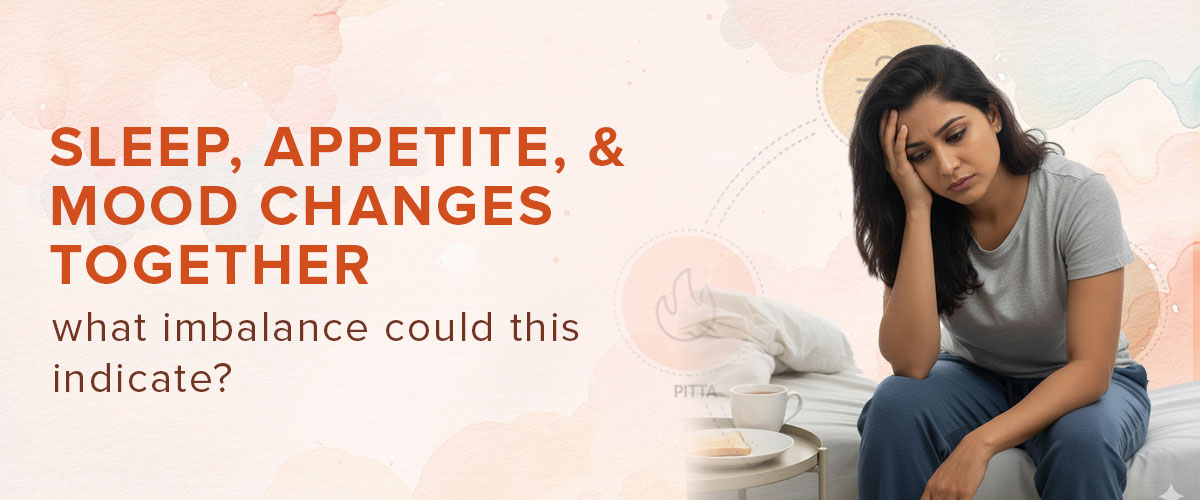
Sleep, appetite, and mood changes together: what imbalance could this indicate?

Information By Dr. Keshav Chauhan
  • category-iconPublished on 04 Apr, 2026
  • category-iconUpdated on 04 Apr, 2026
  • category-iconMental Health
  • blog-view-icon5009

Have you ever experienced changes in your sleep, appetite, and mood all at once? While it may just be a normal case of stress or tiredness, it may also indicate that there is a health problem that needs to be dealt with. Identifying it at such a stage is crucial, as it can allow for timely intervention to prevent it from getting worse.

What’s Really Happening With Your Body and Mind?

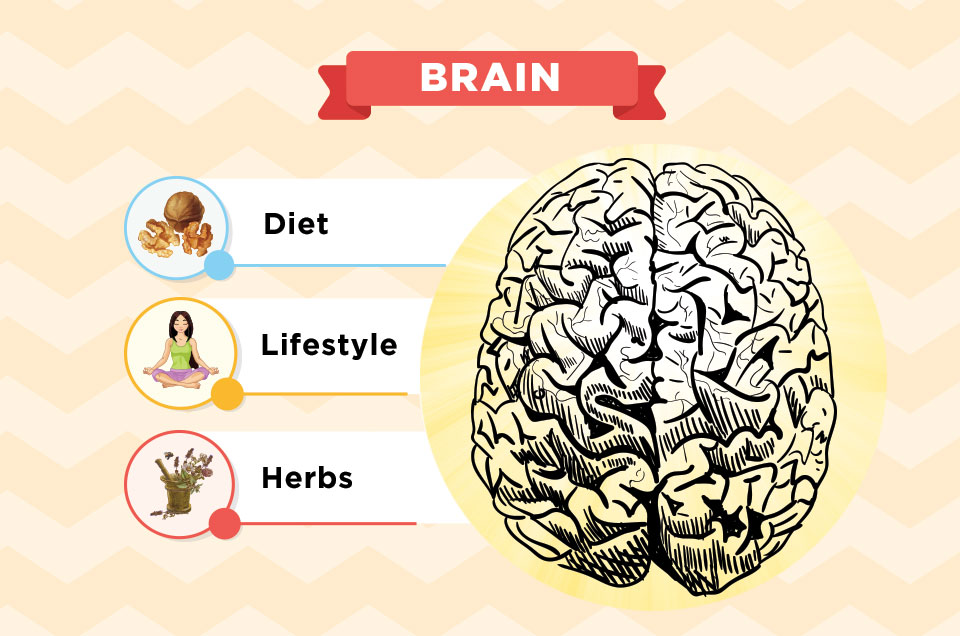
The simultaneous changes in your sleep, appetite, and mood are usually a sign of depression or other similar health imbalances. It’s not just a feeling of low self-esteem or something like that. It’s actually a real change in your brain chemistry that affects your life.

Different Types You Should Know About

It’s not all depression or mood swings that are alike. There are actually a few types that you need to know about:

  • Major Depressive Disorder (MDD): This is a kind of depression that’s severe enough to affect your normal day-to-day activities.
  • Persistent Depressive Disorder (Dysthymia): This kind of depression is usually mild.
  • Seasonal Affective Disorder (SAD): This kind of depression occurs at a particular time of the year.
  • Postpartum Depression: This kind of depression occurs at a particular time in a woman’s life.

How Can You Spot the Signs?

The signs you might notice could include:

  • Having trouble sleeping or sleeping too much.
  • Not feeling hungry or eating too much.
  • Being sad or irritable or lacking interest in things.
  • Feeling tired or lacking concentration or interest in socialising.

If you notice any or all of these signs, it could be a sign that your mind and body are out of balance.

Why Does This Happen?

The reasons for mood swings could be many. Some of these reasons could be:

  • Biological: Imbalance of brain chemistry.
  • Genetic: Family history.
  • Hormonal: Hormonal imbalance.
  • Environmental: Stress or illness.
  • Lifestyle: Diet or lack of exercise.
  • Substance: Abuse of substances.

Who’s at Risk and What Could Happen?

Not everyone has the same signs of mood, sleep, or appetite imbalance. Some people are at a higher risk of getting these imbalances. If you know who’s at risk, you might be able to take steps to prevent these imbalances. Here’s a quick overview:

Who’s at Risk

What Could Happen If Ignored

Family history of depression

Persistent sadness, worsening mood

Chronic illnesses (like diabetes)

Sleep problems and fatigue

Long-term stress or trauma

Appetite changes, weight issues

Hormonal changes

Anxiety and social withdrawal

Poor lifestyle habits

Reduced productivity, strained relationships

Alcohol or drug use

Severe depression, self-harm risk

How Do Doctors Figure It Out?

Seeking a proper diagnosis can assist you in taking early action. Doctors use:

  • Talk and Review: Talking to you and reviewing your symptoms, medical history, and daily activities
  • Screening Tools: Questionnaires to evaluate your mood and symptoms
  • Tests If Needed: Blood tests to measure your levels of thyroid, vitamin, or hormonal levels
  • Early Detection Matters: Seeking early treatment can make a big difference

How Ayurveda Sees These Changes

According to Ayurveda, changes in sleep, appetite, and mood are related to the imbalance of the Vata dosha, sometimes along with Pitta and Kapha doshas, depending on the symptoms.

  • Vata Imbalance:

              Restlessness, irregular sleep, anxiety, changes in appetite.

  • Pitta Imbalance:

              May result in irritability, anger, and indigestion.

  • Kapha Imbalance:

Manifests as lack of energy, excessive sleeping, and excessive eating.

According to Ayurveda, imbalances occur when the mind and body rhythms are disrupted. The causes for the imbalance can be physical, mental, or a combination of both. The remedy for the imbalance is to restore balance within the doshas.

How Jiva Ayurveda Can Help You Feel Better?

The team at Jiva Ayurveda believes in a personalised approach, as every individual is unique. What sets them apart is their focus on eliminating imbalances, not merely masking them. Here’s how they do it:

  • Determining Your Dosha Imbalance: With a detailed consultation and pulse analysis, Jiva Ayurveda identifies what is out of balance in your body—Vata, Pitta, or Kapha.
  • Lifestyle Advice: Simple changes in your lifestyle, such as improved sleeping patterns, daily self-care routines (dinacharya), and stress management, are recommended to get your mind and body in sync again.
  • Herbal Remedies: Herbal supplements are provided to assist your body in getting back to a balanced state.
  • Therapies & Detox: Personalised therapies, such as Panchakarma, are provided to cleanse your body of all toxic elements and give your body a brand new lease on life.

The idea behind all of this is to get your body in sync again, lift your mood, and make you strong so you do not experience problems such as sleep deprivation, appetite disorders, or mood swings.

Herbs That Can Support Your Mind and Body

Nature has provided some wonderful aids in regulating your sleep, appetite, and mood. These are some of the best Ayurvedic herbs:

  • Ashwagandha: This helps calm your mind, reduce stress, and regulate your sleep.
  • Brahmi: This helps clear your mind, reduce anxiety, and elevate your mood.
  • Shankhpushpi: This helps you relax, think clearly, and enjoy a good night's sleep.
  • Jatamansi: This helps calm your Vata, reduce tension, and alleviate nervousness.
  • Guduchi: This helps regulate your immunity and balances all three doshas in your body.

These herbs come in a variety of forms, which are used to gently restore your mind and body to a state of harmony.

Therapies That Make a Big Difference

Herbs are incredible, but sometimes the body also needs a hands-on treatment. Ayurvedic therapy is amazing for the mind and body:

  • Abhyanga (Oil Massage): Calming herbal oils calm the nervous system, balance Vata, and regulate sleep.
  • Shirodhara: A gentle flow of medicated oil on the forehead that removes stress and uplifts the mood.
  • Panchakarma Detox: This includes Basti (medicated enema) and Swedana (herbal steam) therapy that detoxifies the body and energises the system.
  • Nasya (Nasal Therapy): Relieves mental fogginess, anxiety, and makes the mind feel light and calm.

These Ayurvedic therapies help the body and mind get back in sync with nature.

Eating Right to Support Your Mood and Sleep

Your diet plays a huge role in how your mind and body are feeling. Eating warm, easy-to-digest foods, herbal teas, fruits, and grains can do a lot for you, as well as cutting out cold, processed, and fried foods to keep your doshas balanced.

Eat More of

Avoid or Limit

Warm, cooked foods

Cold, raw, or processed foods

Ghee and sesame oil

Fried and junk foods

Herbal teas (Ashwagandha, Brahmi tea)

Excess caffeine or alcohol

Fresh fruits (apple, pomegranate, berries)

Heavy, oily sweets

Whole grains (rice, oats, barley)

Refined flour products

Light, easy-to-digest meals

Overeating or skipping meals

How We Understand Each Patient at Jiva Ayurveda?

At Jiva Ayurveda, we believe that each patient is distinct from another. Hence, we start by getting to know you and your body. Our process of consultation includes:

  • Detailed Discussion: We discuss your symptoms, lifestyle, stress levels, etc.
  • Prakriti Analysis: We analyse your body type to understand your dosha balance.
  • Pulse Diagnosis (Nadi Pariksha): We use a traditional method of pulse diagnosis to assess your dosha levels, energy levels, etc.
  • Observation & Examination: We observe your tongue, eyes, skin, etc. to get a complete picture.

This process allows us to offer a personalised approach to your health, as opposed to a generalised approach.

Our Step-by-Step Patient Care Process:

Expect a Call: Submit your contact details, or you can also call us on 0129 4264323. 

Appointment Confirmation

  • You can schedule an appointment and visit us at our clinic for a consultation with our Ayurvedic experts. 
  • If you are unable to find our clinics near you, you can also schedule an online consultation on  0129 4264323 at a discounted price of Rs. 49 (regular price Rs299) and avail guidance from our doctors at home. 

Detailed Diagnosis

Jiva doctor will perform a thorough and detailed diagnosis to identify the root cause of your health problem.

Root-cause Based Treatment

Jiva doctor will recommend a personalised treatment using highly-effective, natural, and Ayurvedic medicines to address symptoms and the root cause.

How Long Does Healing Take?

Ayurvedic healing is a slow process. However, it’s worth it. It’s a process that occurs gradually. It’s a process that occurs gradually. Most patients start feeling positive changes within 2 to 3 months. However, it depends on a few factors:

  • The severity of your condition – if your condition is worse, it may take more time to heal.
  • How consistent you are with your remedies – if you are consistent with your remedies, it will take less time to heal.
  • Your lifestyle – your diet, sleep, stress levels, etc. – all play a significant role in your healing process.
  • Your constitution (Prakriti) – it’s a little different for everyone.

What Kind of Results Can You Expect?

Ayurveda can cure your ailments. However, it depends on your treatment. With a proper treatment plan, you can expect:

  • Improved sleep with a natural boost of energy in your day-to-day life.
  • Improved appetite with smooth digestion.
  • A stable mood with reduced anxiety or irritability.
  • A clear mind with a calm, focused mind.
  • Long-term balance in your mind and body.

Estimated Cost of Treatment at Jiva Ayurveda

Understanding the financial investment required for your health is important. At जीवा आयुर्वेद, we make sure of transparency in our service costs, which allows you to choose the most suitable option for your medical needs.

Treatment Cost

For patients who seek standard, ongoing care, the Monthly Cost of Medicine and consultation typically ranges from Rs. 3,000 to Rs. 3,500. Please note that this is an estimated baseline. The final cost depends on the exact nature and severity of the patient's condition.

Protocol

For a more comprehensive, structured approach, we offer specialized Package protocols. These plans are designed to address both physical symptoms and the overall lifestyle correction. The package includes:

The cost for this protocol involves a one-time payment ranging from Rs. 15,000 to Rs. 40,000, which covers the full 3 to 4-month duration of the treatment.

Jivagram

For patients requiring intensive and immersive care, our Jivagram centres offer the ultimate healing experience. Jivagram is a holistic sanctuary set in a peaceful, eco-friendly environment, and it provides:

  • Authentic Panchakarma therapies
  • Sattvic meals
  • Modern healing services
  • Comfortable accommodation
  • Many more quality-of-life facilities

An immersive wellness stay at Jivagram costs around 1 Lakh for a 7-day duration, ensuring continuous personalised care to help reset your body and mind.

Why Patients Trust Jiva Ayurveda

Over the years, Jiva Ayurveda has gained the trust of thousands of patients who are seeking natural and personalised healthcare solutions. Some of the key reasons for patients’ trust in Jiva Ayurveda:

  • Root-Cause Based Treatment

Unlike conventional treatments that address only the symptoms of disease, Ayurvedic treatment focuses on treating the root causes and correcting the underlying imbalances in the body that lead to disease.

  • Experienced Ayurvedic Doctors

Jiva Ayurveda boasts of having a huge team of experienced Ayurvedic doctors who thoroughly examine each patient’s condition before recommending treatment for diseases.

  • Personalised “Ayunique” Treatment Approach

Ayurvedic treatment is highly personalised and customised according to each individual’s prakriti and lifestyle.

  • Holistic Healing

Ayurvedic treatment is not limited to medicines; it also includes dietary and lifestyle modifications, breathing techniques, and stress management to support overall healing of the body and mind.

  • Trusted by Patients Across India

A huge percentage of patients have shown improvement in their conditions after adopting Jiva’s treatment plans and recommendations for diseases. This shows how much people trust Jiva Ayurveda for Ayurvedic treatment.

  • 95% of patients saw significant improvement within 3 months of treatment.
  • 88% of patients stopped allopathic medicines completely.
  • 8000+ patients consulation everyday
  • 1.5 million+ satisfied patients worldwide
  • 30+ years of Ayurvedic expertise
  • 80+ clinics across India

Modern vs Ayurvedic Treatment: What’s the Difference?

Aspect

Modern Treatment

Ayurvedic Treatment

Approach

Focuses on managing symptoms quickly

Focuses on treating the root cause

Method

Medications, counselling, and therapy

Herbs, therapies, diet, and lifestyle changes

Speed of Relief

Faster relief, especially in severe cases

Gradual but long-lasting healing

Focus Area

Symptom control

Balancing Vata, Pitta, and Kapha

Treatment Style

Standardised treatment based on condition

Personalised treatment based on body type (Prakriti)

Long-Term Impact

May need ongoing medication

Aims for sustainable balance and prevention

Overall Benefit

Effective for immediate symptom relief

Improves overall mental and physical well-being

When Should You Talk to a Doctor?

At other times, however, these changes may not be something to be taken lightly. Here are some changes that you need to seek medical attention for:

  • Difficulty sleeping for more than 2 or 3 weeks
  • Severe changes in appetite or weight
  • Feeling sad or depressed for a while
  • Loss of interest in things you used to like doing
  • Trouble concentrating or feeling tired all the time

So, take that first step to getting well. Consult a qualified doctor and listen to what your body is trying to say to you.

Conclusion

Changes in your sleep, appetite, or mood are actually your body’s way of telling you that something is wrong. However, if you do not heed your body’s signs, it may lead to more serious health issues in the future.

The good news is that with the right approach, whether it is traditional or Ayurvedic, you can get your body to balance again and make you feel like your normal self.

FAQs

Yes, it is possible that stress or a busy schedule could cause changes in sleep, appetite, and mood. However, if symptoms persist for a few weeks, it is your body’s way of asking for more attention.

Yes, you should still be concerned. You don’t have to have symptoms to know that something is wrong with your body.

No, Ayurveda is a system that asks for minor changes in your lifestyle, like your sleep schedule, eating habits, and stress management.

Yes, in most cases, Ayurveda can go hand-in-hand with your regular medicines. However, this should still be discussed with your doctor.

That is perfectly normal. Ayurveda is a slow-acting medicine, but don’t worry, your body is healing from within!

These symptoms can occur in anyone: students, working professionals, or even elderly people, especially during periods of stress or hormonal imbalances.

It depends on your condition. Some people might get cured with herbs only, while others might need Panchakarma therapies for better results.

Yes, it affects you more than you think! Your diet has a direct impact on your digestion, sleep, and even your mood.

Yes, you should not ignore these mild symptoms if they occur repeatedly.

You would know if your body is getting back into balance with the help of positive changes: better sleep, stabilised energy levels, better digestion, or a positive mood.

Top Ayurveda Doctors

Social Timeline

Our Happy Patients

  • Sunita Malik - Knee Pain
  • Abhishek Mal - Diabetes
  • Vidit Aggarwal - Psoriasis
  • Shanti - Sleeping Disorder
  • Ranjana - Arthritis
  • Jyoti - Migraine
  • Renu Lamba - Diabetes
  • Kamla Singh - Bulging Disc
  • Rajesh Kumar - Psoriasis
  • Dhruv Dutta - Diabetes
  • Atharva - Respiratory Disease
  • Amey - Skin Problem
  • Asha - Joint Problem
  • Sanjeeta - Joint Pain
  • A B Mukherjee - Acidity
  • Deepak Sharma - Lower Back Pain
  • Vyjayanti - Pcod
  • Sunil Singh - Thyroid
  • Sarla Gupta - Post Surgery Challenges
  • Syed Masood Ahmed - Osteoarthritis & Bp
Book Free Consultation Call Us