.webp)
 Published on
11 Apr, 2026
Published on
11 Apr, 2026 Updated on 20 Jun, 2026
 5169
5169Head Weighing and Neck Pressure: Initial Indications That Your Blood Pressure Might Increase
As a rule, hypertension is insidious. This silent threat is a harbinger of something more severe if left untreated. At the same time, millions of people have increased blood pressure and don't know about this yet. The signs of such a health problem can start showing up gradually. Head heaviness or neck pressure are unusual feelings which may seem weird. Though they are not indicative of hypertension per se, they could indicate that your cardiovascular system requires some attention. This article will explain what is meant by elevated blood pressure. In addition, we'll explore some initial symptoms which can show the beginning of cardiovascular problems.
What Is Hypertension?
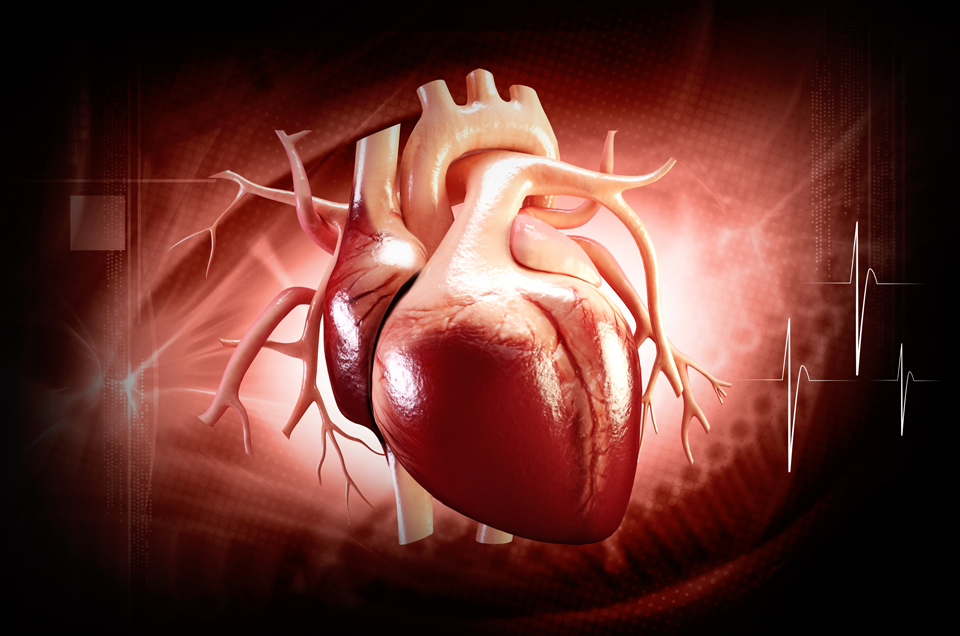
First of all, hypertension refers to increased blood pressure. This phenomenon occurs when the force of blood inside the veins is too high. Thus, your heart pumps much harder to send the blood around the body. Such a process puts additional pressure on your veins and may lead to heart failure. Elevated blood pressure is not a disease in and of itself but a cardiovascular factor.
Types or Stages of High Blood Pressure
Your blood pressure is measured as two numbers — systolic (upper) and diastolic (lower). Hypertension is generally classified into stages:
|
Stage |
Systolic (mm Hg) |
Diastolic (mm Hg) |
|
Normal |
<120 |
<80 |
|
Elevated |
120–129 |
<80 |
|
Stage 1 |
130–139 |
80–89 |
|
Stage 2 |
≥140 |
≥90 |
|
Hypertensive Crisis |
>180 |
>120 |
Risk Factors & Complications
|
Risk Factors |
Possible Complications if Untreated |
|
Age > 40 |
Heart attack |
|
Family history |
Stroke |
|
High BMI |
Kidney disease |
|
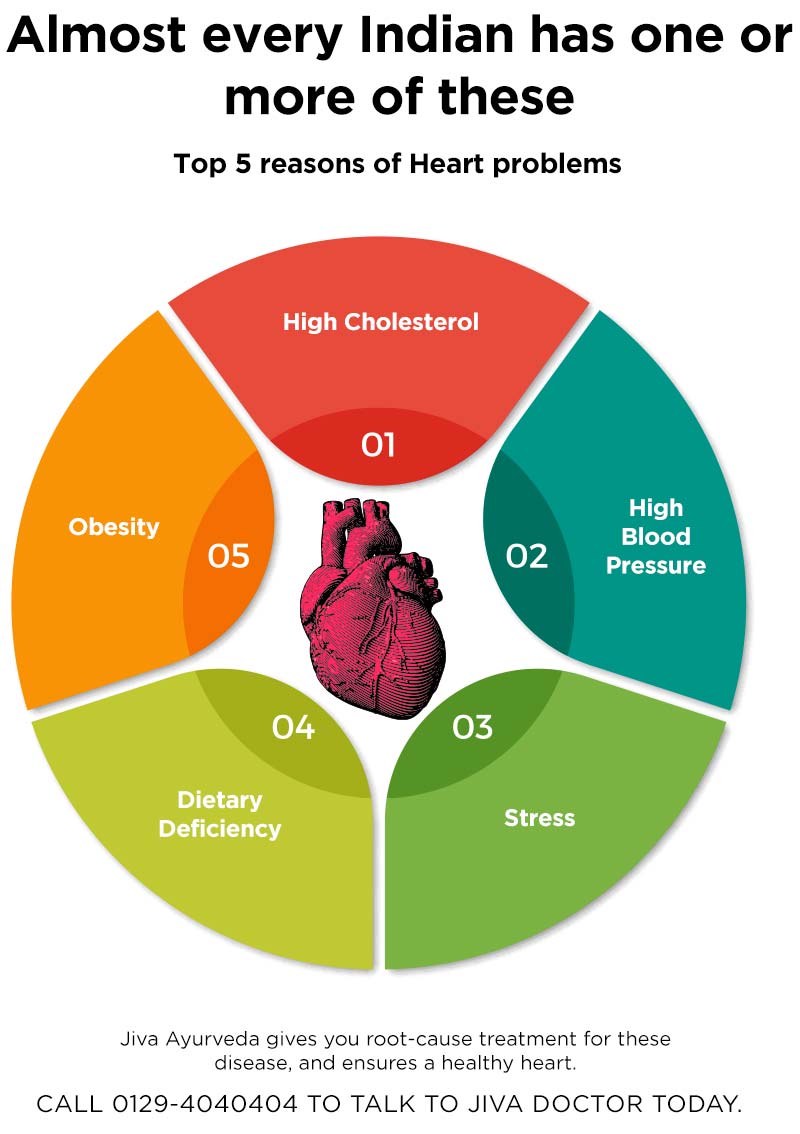
High cholesterol |
Vision loss |
|
Smoking |
Aneurysm |
Diagnosis of High Blood Pressure
Modern Approach
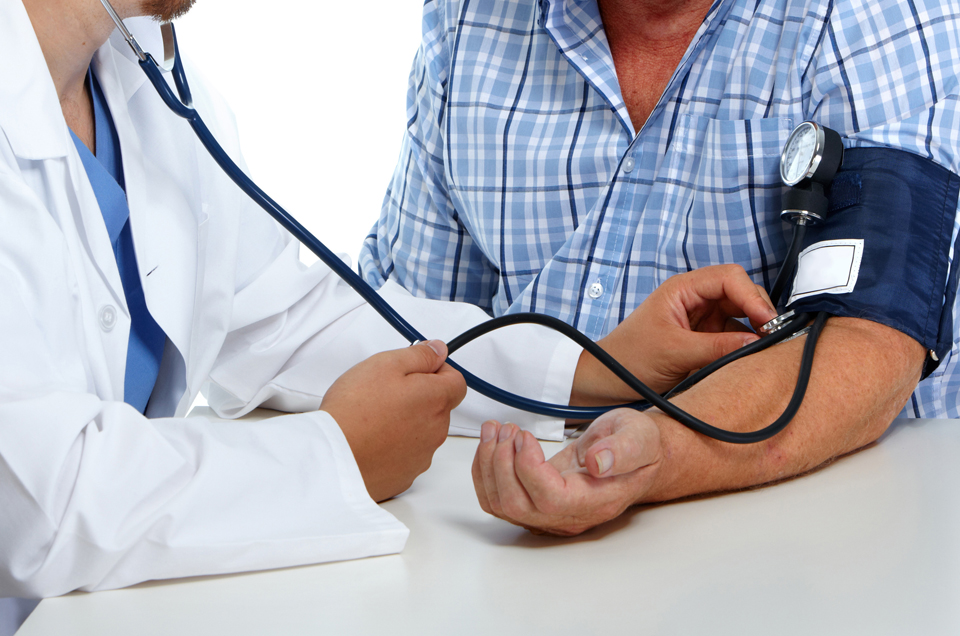
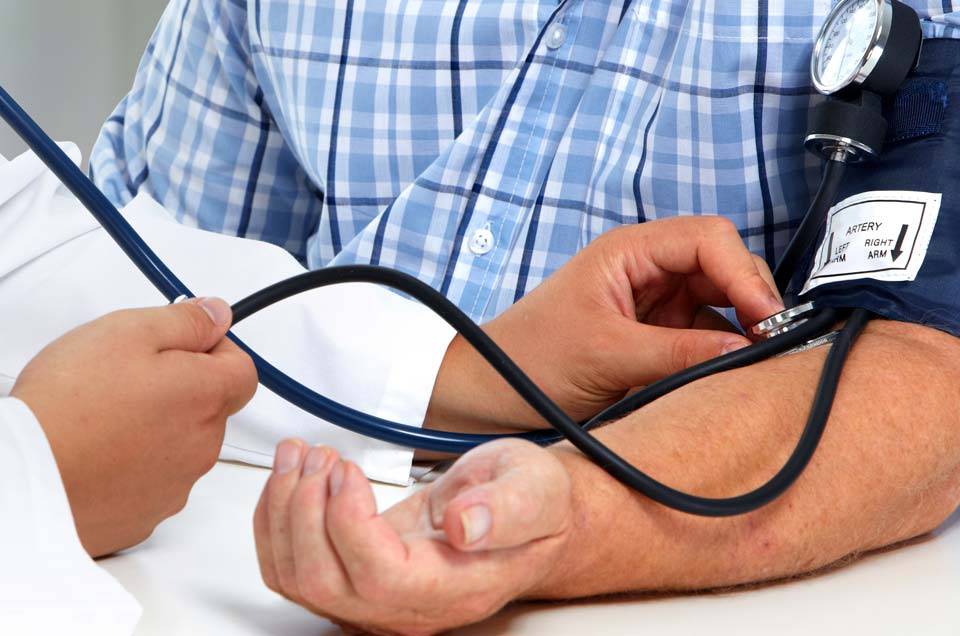
- Measuring blood pressure with a cuff (sphygmomanometer)
- Ambulatory blood pressure measurement for 24 hours
- Blood test to measure cholesterol and sugar levels
- ECG / Echocardiography if complications arise
Ayurvedic Diagnosis
In Ayurveda, hypertension is considered to be due to the imbalance of Vata and Pitta doshas, which affect Hridaya (heart) and Rakta Vaha Srotas (blood channels). The factors such as stress, improper lifestyle, dietary habits, and emotional instability might disturb these doshas and cause physical conditions such as heaviness, pressure, and circulatory disorders.
High Blood Pressure According to Ayurveda
High blood pressure, according to Ayurveda, is called:
- Raktagata Vata
- Vyana Vata imbalance
This causes poor circulation and erratic energy flow, which gives rise to symptoms such as headaches, heaviness, and tightness in the neck/head region.
Ayurvedic Factors Causing High Blood Pressure
- A diet unsuitable to one’s Prakriti
- Extreme stress and emotions
- Insufficient sleep and elimination of toxins
- Imbalance in digestion and formation of Ama
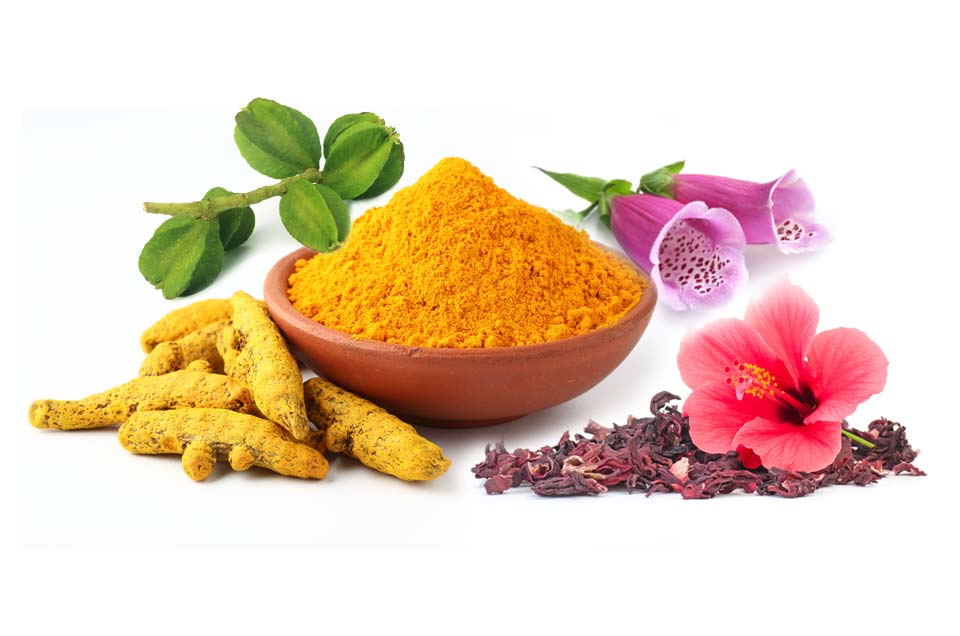
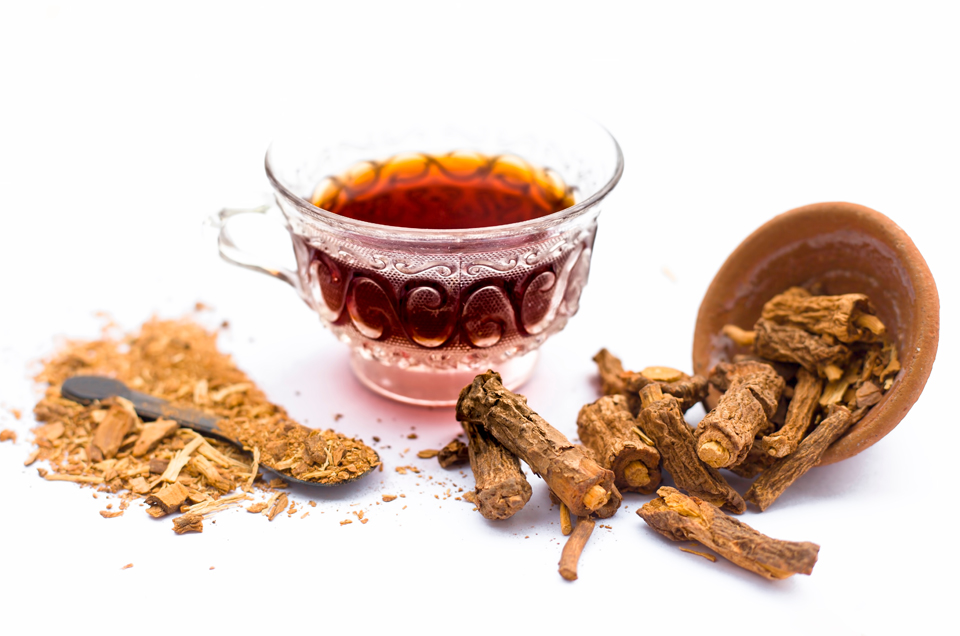
Ayurvedic Herbs That Support Healthy Blood Pressure
|
Herb |
Benefits |
|
Reduces stress & supports nervous system balance |
|
|
Arjuna |
Heart-strengthening, supports circulation |
|
Punarnava |
Helps detoxification & fluid balance |
|
Brahmi |
Calms the mind, supports healthy nervous tension |
Ayurvedic Therapies That Help
- Abhyanga (Ayurvedic Oil Massage): Reduces tension and improves circulation
- Shirodhara: Gentle oil flow on the forehead to calm the nervous system
- Nasya: Clears head channels and supports balance
- Swedana (Herbal steam): Helps detoxification
Diet for Healthy Blood Pressure
|
Recommended Foods |
Foods to Avoid |
|
Green leafy vegetables |
High-sodium processed foods |
|
Fresh fruits |
Deep-fried & spicy snacks |
|
Whole grains |
Sugary drinks |
|
Herbs like garlic, turmeric |
Excess caffeine |
A balanced diet rich in fibre, natural potassium, and antioxidants can support healthy circulation.
Comparison: Modern Treatment vs Ayurvedic Treatment
|
Aspect |
Modern Medicine |
Ayurveda (Jiva) |
|
Approach |
Symptom control, drugs |
Holistic balance |
|
Root cause |
Often secondary |
Primary focus |
|
Lifestyle |
Recommended but not always personalised |
Core to treatment |
|
Side effects |
Possible |
Minimal |
|
Long-term support |
Variable |
Integrated with daily life |
When You Should Consult a Doctor
If you experience:
- Constant head heaviness
- Severe neck pressure
- Dizziness or vision changes
- BP >180/120 mm Hg
Conclusion
Head heaviness and neck pressure may be subtle signals worth noticing—not ignored. While they’re not exclusive to rising blood pressure, understanding your body and tracking early signs empowers you to take meaningful action. Whether through modern monitoring or a holistic path like Ayurveda, the goal is the same: gentle, sustained healing.