Diseases Search
Close Button


When BP suddenly goes up, your body is trying to tell you something

Information By Dr. Keshav Chauhan
  • category-iconPublished on 09 Apr, 2026
  • category-iconUpdated on 09 Apr, 2026
  • category-iconHeart Health
  • blog-view-icon5008

Occasionally, despite following the medication guidelines properly, you might experience unexpected, sudden increases in Blood Pressure (BP). While this can be disturbing, BP regulation is not exclusively done by medications. Other aspects of life, such as daily routines, stress, sleeping patterns, food intake, and personal health status, all contribute.

The early understanding of these factors allows for efficient BP management and avoids future cardiovascular risks associated with Brain, Heart, or Kidney complications.

What is High Blood Pressure (Hypertension)? – Simple Understanding

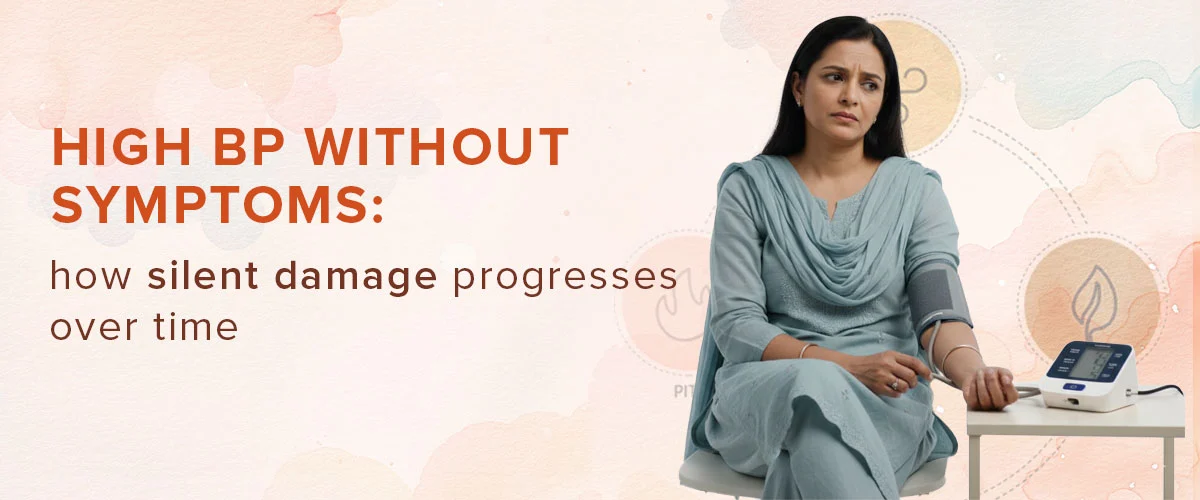
High Blood Pressure, otherwise known as Hypertension, is an illness characterised by excessive pressure from the blood on the inner wall of the arteries. It is commonly referred to as a "silent disease" since most patients do not experience any symptoms; however, it slowly deteriorates their body functions.

Types of Hypertension – Various Types Explained Simply

  • Primary (Essential) Hypertension: Occurs gradually due to unspecified reasons over the years.
  • Secondary Hypertension: Results from another underlying health disorder, such as kidney or hormone complications.
  • Hypertensive Crisis: Acute, sudden increase in BP (greater than 180/120 mmHg). This condition requires urgent medical intervention.

Symptoms & Signs – Possible Effects You Might Experience

Most individuals will not observe any symptoms; however, sudden BP increases might result in:

Who is at risk and what can happen?

Risk Factors

Possible Complications

Older age

Heart attack

Obesity

Stroke

Smoking

Kidney damage

Diabetes

Vision problems

High salt intake

Heart failure

Lack of exercise

Brain damage

Family history

Damage to blood vessels

Checkup Methods (Modern and Ayurveda)

Checkup Methods – Modern Medicine Approach

  • Blood pressure check using a BP machine
  • 24-hour blood pressure check
  • Blood check for sugar level and cholesterol
  • ECG or Echo check for heart problems
  • Tests for kidney problems

Periodic checkups of blood pressure is the most important part of checking BP problems.

Checkup Methods – Ayurveda Approach

According to Ayurveda, BP issues arise from an imbalance of energies in the body, especially vata and pitta.

  • Pulse check (nadi pariksha)
  • Analysis of Prakriti or body constitution
  • Digestion and detoxification (ama)
  • Lifestyle and psychological condition

High Blood Pressure According to Ayurveda: What Are Its Main Causes?

According to the Ayurvedic philosophy, Hypertension isn't seen as a singular disorder. It is rather considered an imbalance of natural body energies – that of the Vata and Pitta Doshas.

  • Vata imbalance will create irregular blood circulation due to the disturbances of the circulation process.
  • On the other hand, Pitta imbalance will increase heat and intensity of blood.

These imbalances, combined with improper metabolism (Agni) and the accumulation of toxins (Ama), could result in high blood pressure.

Other causes associated with BP problems are:

  • Mental stress and overthinking
  • Unhealthy living habits
  • Poor dietary practices
  • Absence of discipline in daily routine

The ultimate goal here is to address the problem itself, not the symptoms.

Jiva Ayurveda Treatment Process – The process of healing naturally

Jiva Ayurveda adopts an individualised and holistic way of managing BP:

  • Prakriti-based Treatment – Knowing your body constitution
  • Nadi Pariksha – Pulse diagnosis to identify internal disturbances
  • Individualised Herbal Medicines – Depending on your situation
  • Diet and Lifestyle Management – Easy-to-do changes
  • Techniques for Managing Stress – Meditation and breathing exercises

The emphasis is on dosha balancing, digestive improvement, and mind relaxation, thus controlling BP.

Ayurvedic Herbs for BP – Natural assistance for your body

Here are some commonly prescribed Ayurvedic herbs for managing BP:

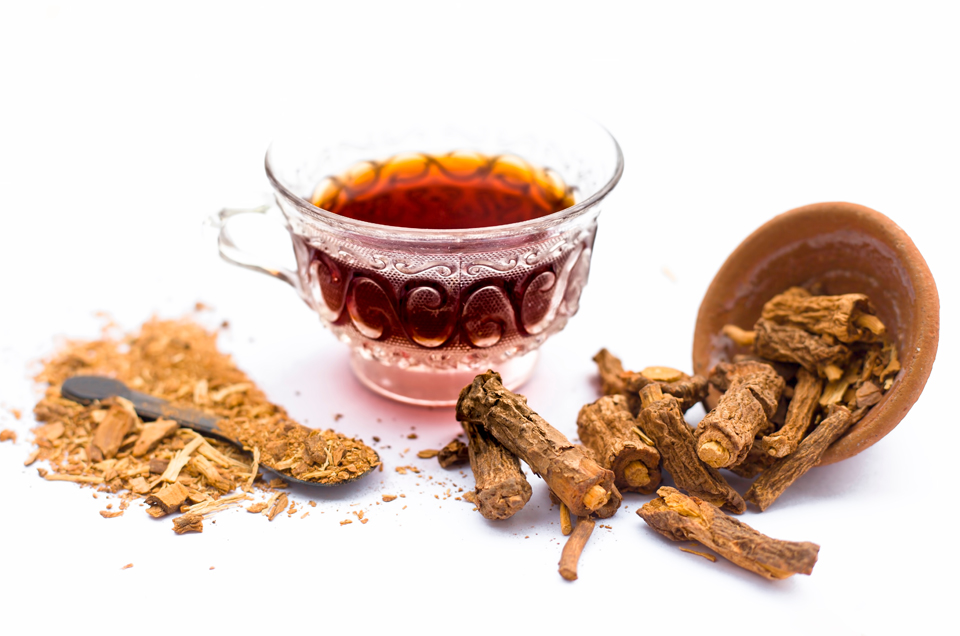
  • Ashwagandha – Assists in reducing stress and soothes the nervous system, soothing
  • Arjuna – Supports heart functions and promotes blood flow
  • Brahmi – Provides mental relaxation and anxiety relief
  • Sarpagandha – Known for its BP-lowering abilities
  • Jatamansi – Assists in mind relaxation and good sleep

These herbs act slowly but are effective when consumed in combination.

Ayurvedic Treatments – External assistance for the body

Some external therapies and Panchakarma therapies can be beneficial in controlling BP:

  1. Shirodhara – Application of warm medicinal oil to the forehead for calming the mind
  2. Abhyanga (massaging with oil) – Enhances circulation of blood and relaxation of the body
  3. Swedana (medicated steam bath) – Detoxification therapy
  4. Nasya therapy – Reduces mental stress and enhances cognitive functioning

These Ayurvedic therapies are very effective in cases where stress and anxiety are predominant causes.

Diet for High Blood Pressure – What to eat and what to avoid

Recommended Foods

Foods to Avoid

Fresh fruits (banana, apple, pomegranate)

Excess salt and salty snacks

Green leafy vegetables

Fried and oily foods

Whole grains (oats, brown rice)

Processed and packaged foods

Low-fat dairy products

Red meat and heavy food

Nuts and seeds (in small amounts)

Too much caffeine (tea/coffee)

Herbal teas

Alcohol and smoking

Plenty of water

Sugary drinks and junk food

Evaluation Process at Jiva Ayurveda - Getting a Complete Picture of You

Instead of focusing only on your illness, Jiva Ayurveda looks at the individual as a whole when assessing patients. Each patient undergoes a thorough examination to get to the bottom of the issue.

  • Extensive consultation – Discussions on symptoms, lifestyle, sleep pattern, stress levels, and medical history
  • Prakriti Assessment (body constitution) – Determination of whether the body is Vata, Pitta, or Kapha predominant
  • Nadi Pariksha (pulse analysis) – Identification of internal disturbances through pulse reading
  • Agni and Ama analysis – Evaluation of digestive capacity and toxins

The comprehensive assessment allows for designing customised treatment plans.

Our Step-by-Step Patient Care Process:

Expect a Call: Submit your contact details, or you can also call us on 0129 4264323. 

Appointment Confirmation

  • You can schedule an appointment and visit us at our clinic for a consultation with our Ayurvedic experts. 
  • If you are unable to find our clinics near you, you can also schedule an online consultation on  0129 4264323 at a discounted price of Rs. 49 (regular price Rs299) and avail guidance from our doctors at home. 

Detailed Diagnosis

Jiva doctor will perform a thorough and detailed diagnosis to identify the root cause of your health problem.

Root-cause Based Treatment

Jiva doctor will recommend a personalised treatment using highly-effective, natural, and Ayurvedic medicines to address symptoms and the root cause.

Recovery Timelines – When can you see results?

Depending on factors like age, personal habits, and duration of illness, the healing process can differ in terms of how much time it takes to be completely healed

  • Up to 2-4 weeks – Early progress towards better stress regulation and sleep
  • 1-3 months – More balanced blood pressure and stable health
  • 3-6 months – Healing and balance in the long term

How consistent you are in following the treatment recommendations and adopting healthy lifestyle practices can influence your healing process.

What Are the Possible Outcomes? – Expected outcomes

Following Ayurveda-based approaches, the patients can obtain the following outcomes:

  • Better control over BP
  • Lower levels of stress and anxiety
  • More balanced sleep cycles
  • Better digestion and energy
  • Lower frequency of adjusting medications (with medical supervision)

Patient Testimonial - Meera

For the past 2 years, I was taking BP pills every day. If I missed one, my head would start spinning. One day, I saw Dr Chauhan speaking about the success stories of Jiva Ayurveda. So, I decided to meet a Jiva doctor. Medicines continued for 8 months, and now I don't need to take BP pills daily! Thank you, Jiva Ayurveda.

Estimated Cost of Treatment at Jiva Ayurveda

Understanding the financial investment required for your health is important. At Jiva Ayurveda, we make sure of transparency in our service costs, which allows you to choose the most suitable option for your medical needs.

Treatment Cost

For patients who seek standard, ongoing care, the Monthly Cost of Medicine and consultation typically ranges from Rs. 3,000 to Rs. 3,500. Please note that this is an estimated baseline. The final cost depends on the exact nature and severity of the patient's condition.

Protocol

For a more comprehensive, structured approach, we offer specialized Package protocols. These plans are designed to address both physical symptoms and the overall lifestyle correction. The package includes:

The cost for this protocol involves a one-time payment ranging from Rs. 15,000 to Rs. 40,000, which covers the full 3 to 4-month duration of the treatment.

Jivagram

For patients requiring intensive and immersive care, our Jivagram centres offer the ultimate healing experience. Jivagram is a holistic sanctuary set in a peaceful, eco-friendly environment, and it provides:

  • Authentic Panchakarma therapies
  • Sattvic meals
  • Modern healing services
  • Comfortable accommodation
  • Many more quality-of-life facilities

An immersive wellness stay at Jivagram costs around 1 Lakh for a 7-day duration, ensuring continuous personalised care to help reset your body and mind.

Why Patients Trust Jiva Ayurveda

Over the years, Jiva Ayurveda has gained the trust of thousands of patients who are seeking natural and personalised healthcare solutions. Some of the key reasons for patients’ trust in Jiva Ayurveda:

  • Root-Cause Based Treatment

Unlike conventional treatments that address only the symptoms of disease, Ayurvedic treatment focuses on treating the root causes and correcting the underlying imbalances in the body that lead to disease.

  • Experienced Ayurvedic Doctors

Jiva Ayurveda boasts of having a huge team of experienced Ayurvedic doctors who thoroughly examine each patient’s condition before recommending treatment for diseases.

  • Personalised “Ayunique” Treatment Approach

Ayurvedic treatment is highly personalised and customised according to each individual’s prakriti and lifestyle.

  • Holistic Healing

Ayurvedic treatment is not limited to medicines; it also includes dietary and lifestyle modifications, breathing techniques, and stress management to support overall healing of the body and mind.

  • Trusted by Patients Across India

A huge percentage of patients have shown improvement in their conditions after adopting Jiva’s treatment plans and recommendations for diseases. This shows how much people trust Jiva Ayurveda for Ayurvedic treatment.

  • 95% of patients saw significant improvement within 3 months of treatment.
  • 88% of patients stopped allopathic medicines completely.
  • 8000+ patients are consulted every day
  • 1.5 million+ satisfied patients worldwide
  • 30+ years of Ayurvedic expertise
  • 80+ clinics across India

Modern Treatment vs Ayurvedic Treatment for High Blood Pressure

Aspect

Modern Treatment

Ayurvedic Treatment

Approach

Focuses on controlling BP numbers using medicines

Focuses on balancing the body (Vata-Pitta), root cause healing

Medicines

Allopathic drugs (daily, long-term use)

Natural herbal formulations tailored to the individual

Focus Area

Symptom management

Root cause + overall health improvement

Personalization

General guidelines

Highly personalised (Prakriti-based)

Side Effects

Possible with long-term use

Usually minimal when taken under guidance

Lifestyle Role

Supportive but often secondary

Central role (diet, routine, stress management)

Stress Management

May include basic advice

Strong focus on mental calmness (meditation, therapies)

Long-term Benefits

Controls BP while medicine continues

Aims for long-term balance and prevention

When Should You See a Doctor?

The following symptoms should never be overlooked:

  • Blood pressure persistently higher than 140/90 mm Hg
  • A sudden increase in blood pressure (greater than 180/120 mm Hg)
  • Extreme headaches or chest pains
  • Difficulty breathing
  • Dizziness
  • Vision problems

These symptoms can be indicative of a problem that must be taken seriously.

CTA – Get expert help

If you’re looking for an individualised and natural solution, you can talk to specialists at Jiva Ayurveda.

Contact Jiva Ayurveda:

 Call:0129-4264323

 Website: https://www.jiva.com/ 

 Online Consultation: Available across India

Getting an early consultation will ensure safe management of your blood pressure.

Conclusion 

High Blood Pressure is an illness which may occur without any symptoms, but may cause serious consequences when neglected. Nevertheless, it is important to note that there is hope if you take certain measures concerning its diagnosis and treatment.

The advantage of the Ayurvedic approach to BP consists in the ability to treat it not only by means of medicine, but by changing your daily routine. Thus, Ayurveda allows one to heal their organism in the long term. Therefore, timely measures are the key to your healthy heart and future prosperity.

FAQs

Yes, it is possible if one faces undue stress, lack of sleep, excessive salt consumption, or skips doses.

Yes, it is manageable and controllable with the help of appropriate medication and care.

Yes, indeed, stress is the major reason for a sudden rise in blood pressure.

Checking it 2-3 times a week or according to the doctor's suggestions will be very useful.

When used properly under medical control, Ayurvedic medication will be perfectly safe for health.

Under no circumstances must one terminate BP drugs without a doctor's advice.

Certainly, one should consume less salt, fresh foods, and water.

Top Ayurveda Doctors

Social Timeline

Our Happy Patients

  • Sunita Malik - Knee Pain
  • Abhishek Mal - Diabetes
  • Vidit Aggarwal - Psoriasis
  • Shanti - Sleeping Disorder
  • Ranjana - Arthritis
  • Jyoti - Migraine
  • Renu Lamba - Diabetes
  • Kamla Singh - Bulging Disc
  • Rajesh Kumar - Psoriasis
  • Dhruv Dutta - Diabetes
  • Atharva - Respiratory Disease
  • Amey - Skin Problem
  • Asha - Joint Problem
  • Sanjeeta - Joint Pain
  • A B Mukherjee - Acidity
  • Deepak Sharma - Lower Back Pain
  • Vyjayanti - Pcod
  • Sunil Singh - Thyroid
  • Sarla Gupta - Post Surgery Challenges
  • Syed Masood Ahmed - Osteoarthritis & Bp
Book Free Consultation Call Us