 Published on
09 Apr, 2026
Published on
09 Apr, 2026 Updated on 16 Jun, 2026
 5155
5155High triglycerides vs high LDL: what’s the real risk difference?
The presence of lipids is vital for our body; however, not all fats react similarly. Upon finding elevated triglyceride or elevated LDL levels through routine blood tests, one may find themselves in quite a predicament. Despite being related to heart issues, there are differences between their impacts on our health.
Recognising the differences is crucial as early diagnosis and proper lifestyle choices could help avoid severe complications such as heart ailments, strokes, or metabolic syndromes. However, the best thing about these problems is that they can be controlled, provided we act upon them in time.
What are High Triglycerides and High LDL?
High Triglycerides
These are fats contained within the blood. Whenever the body receives more calories than required, especially from sweets and fats, they get converted into triglycerides.
Whenever the body contains too much triglyceride, it indicates an excess storage of fat, which is detrimental to its proper functioning.
High LDL (Bad Cholesterol)
This acronym stands for Low-Density Lipoprotein. They get referred to as bad cholesterol since they contribute to plaque formation in your arteries, which narrows their width and leads to heart attacks and strokes.
Types
Triglyceride Types
- Normal
- High borderline
- High
- Very high
Cholesterol Types (LDL perspective)
- Optimal LDL
- Near optimal
- High borderline
- High
- Very high
Symptoms & Signs (What your body can show)
High triglycerides and high LDL cholesterol are referred to as silent diseases since they do not exhibit symptoms initially. Symptoms when levels are too high:
- Fatigue
- Weight gain (around the abdomen)
- Difficulty breathing (advanced case)
- Chest pain (associated more with high LDL)
- Skin fat deposits (rarely)
Reasons for Elevated Levels (What causes these levels to be high?)
Causes of High Triglyceride Levels
- Sugar and Carbohydrate Intake
- Eating Excessive Amounts of Food
- Consumption of Alcohol
- Obesity
- Inactive Lifestyle
- Saturated and Trans Fat Diet
- Smoking
- Genetics
- Inactive Lifestyle
- Hormonal Imbalance
Risk Factors & Complications (Easy comparison table)
|
Aspect |
High Triglycerides |
High LDL |
|
Main Risk |
Metabolic imbalance |
Artery blockage |
|
Linked Conditions |
Diabetes, fatty liver |
Heart disease, stroke |
|
Impact on Heart |
Indirect but serious |
Direct and major |
|
Effect on Body |
Increases fat storage |
Narrow blood vessels |
|
Risk Factors |
Obesity, alcohol, sugar |
Smoking, fatty diet, genetics |
|
Major Complication |
Pancreatitis (very high levels) |
Heart attack, stroke |
How are these levels checked?
Modern Diagnosis Methods
Physicians typically prescribe a blood test called a lipid profile. This test determines:
- Triglyceride Levels
- LDL cholesterol
- HDL (or good cholesterol)
- Total Cholesterol
- Testing occasions:
- Regular health check-ups
- History of heart diseases in the family
- Obesity/Diabetes
Ayurvedic Approach
According to Ayurveda, these abnormalities represent a disorder of metabolic functioning rather than merely elevated blood values. High triglyceride level corresponds to “Meda Dhatu Dosha,” i.e., fat tissue disorder. High LDL is associated with “Ama Dosha,” i.e., toxin accumulation and weak digestion. The Ayurvedic Diagnosis Method Consists of:
- Determining Agni Strength
- Analyzing toxin accumulation
- Taking the patient’s pulse (nadi pariksha)
- Assessing the patient's lifestyle and diet
The Ayurvedic perspective on high triglycerides and high LDL
In Ayurveda, they are not viewed simply as “blood tests,” but rather as manifestations that indicate some imbalance within the body.
What is going on in the body?
- Disturbance of Meda Dhatu (fat tissue): Accumulation of too much fat within the body
- Imbalance of Agni (digestion problems): Poor digestion of food, resulting in toxins
- Toxins (ama): Sticky substance that floats around, clogging up pathways
- Imbalance of Kapha Dosha: Heaviness, lethargic metabolism, and fat accumulation
Relationships:
- High triglycerides = associated primarily with high Meda and poor metabolism
- High LDL = associated with ama accumulation, blocking blood vessels
Ayurvedic herbs that can help naturally in many ways
Here are a few herbs, along with their benefits:
- Guggulu (Commiphora mukul): Effective against high LDL and fat metabolism
- Arjuna (Terminalia arjuna): Improves heart performance
- Triphala: Provides natural detoxification and improves digestion
- Garlic (Lahsun): Effective in controlling LDL and improving cardiac health
- Fenugreek (Methi): Controls triglyceride levels and glucose levels
Therapies recommended by Ayurveda (supportive healing techniques)
Apart from the herbs mentioned above, certain therapies aid in quick recovery and detoxification. They include:
- Abhyanga: Oil massages improve circulation and help in fat metabolism
- Swedana (Herbal steam): Helps with toxin removal via sweat production
- Virechana (Purgation therapy): Purifies the body by removing excess Pitta
- Lekhan Basti (Medicated enema): Helpful in reducing obesity and lipid disorders
Diet guide
|
Category |
What to Eat |
What to Avoid |
|
Grains |
Oats, barley, brown rice |
Refined flour (maida), white bread |
|
Fruits |
Apple, guava, berries |
Mango (in excess), canned fruits |
|
Vegetables |
Leafy greens, bottle gourd, bitter gourd |
Deep-fried vegetables |
|
Fats |
Small amount of ghee, olive oil |
Trans fats, fried foods, vanaspati |
|
Protein |
Moong dal, lentils, tofu |
Red meat, processed meat |
|
Drinks |
Warm water, herbal teas |
Alcohol, sugary drinks |
|
Others |
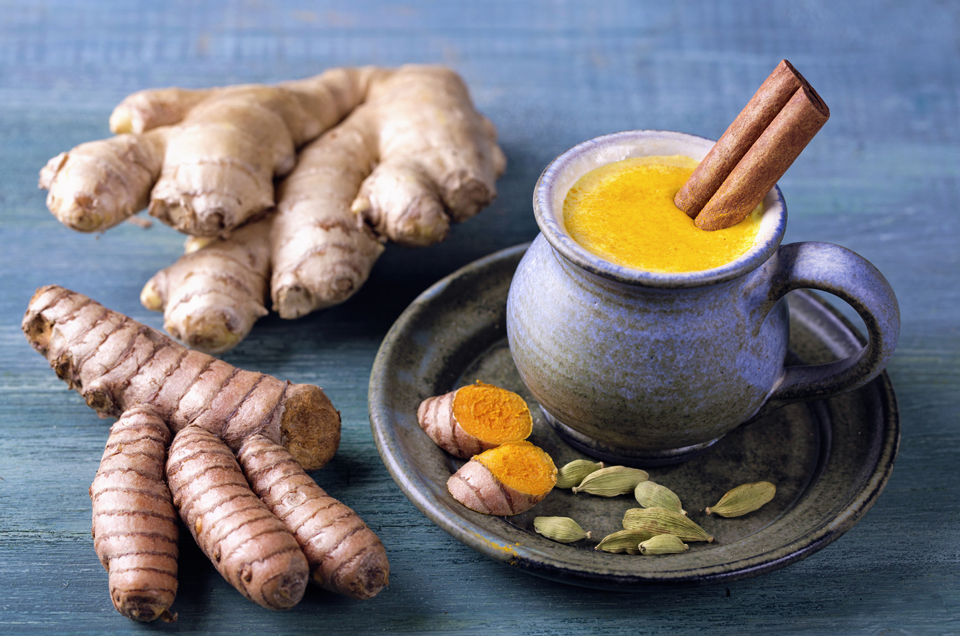
Garlic, ginger, turmeric |
Excess sugar, sweets, bakery items |
How do we diagnose your health condition at Jiva Ayurveda
Each individual at Jiva Ayurveda is unique in nature. Diagnosis at Jiva Ayurveda does not revolve around mere reports. The aim here is to get to know the whole individual. The diagnosis process includes
- Comprehensive discussion: your symptoms, lifestyle, dietary intake, and health history
- Prakriti assessment: Your physical constitution according to Vata-Pitta-Kapha
- Vikriti analysis: Unbalanced state resulting in raised triglycerides/ LDL levels
- Nadi Pariksha: Helps in determining underlying imbalance and metabolism problems
- Digestion and toxin analysis: Evaluating digestion strength and toxin buildup
When do you need to visit a doctor?
Despite the absence of symptoms in cases of high levels of triglycerides and LDL, sometimes, one needs to take immediate action. It is advisable to visit a doctor in case of:
- Angina or tightness in the chest area
- Difficulty in breathing
- Sudden feeling of fainting or weakness
- Extremely high lipid levels reported
- Heart disease history in family members
- Previous diagnosis of any conditions, such as diabetes, obesity
A timely doctor’s visit may help avoid complications such as a heart attack or stroke.
Conclusion
The high level of triglyceride and LDL in your blood isn’t just about statistics; it’s a message sent by your body in an attempt to get your attention. If you neglect this problem now, your health could suffer in the future because of it.
But here’s the positive side: with appropriate treatment, a proper diet, and a balanced life, you’ll be able to make changes that benefit your health. Ayurveda can help you on that natural and holistic journey.