 Published on
03 Apr, 2026
Published on
03 Apr, 2026 Updated on 25 May, 2026
 5204
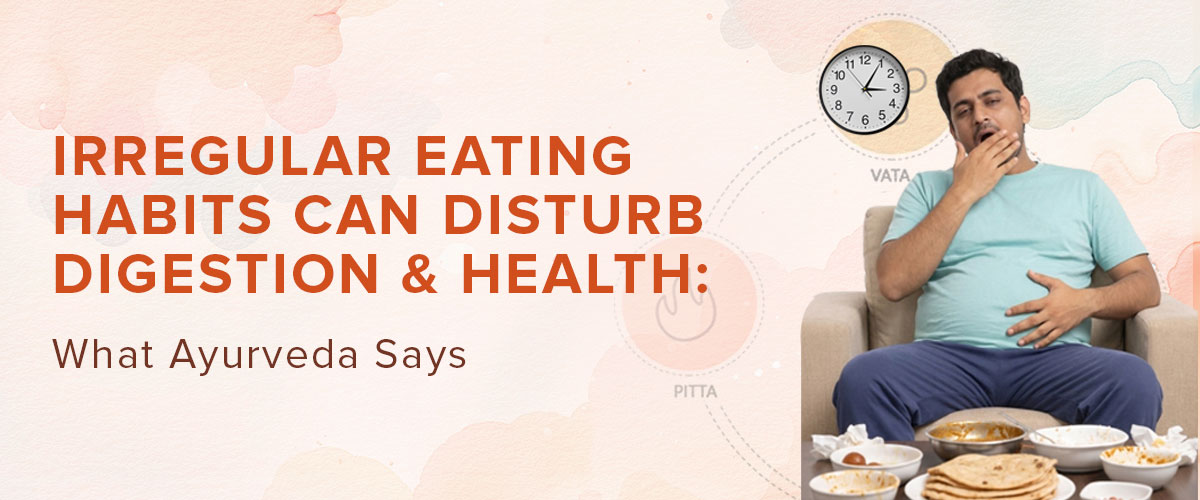
5204Food is the most vital source of energy that helps our bodies to be active, grow and regenerate. Most people talk a lot about the need to eat healthy foods, but rarely do they take into consideration the timing and the manner in which they eat their food. Have you ever wondered why a healthy salad meal makes you feel slow and sluggish despite being consumed in a short period of time? The Ayurveda diet states that the time and mode of food intake are equally important as the food itself. An unregulated eating schedule can be a sign of a lack of balance in your day-to-day life. This imbalance does not necessarily manifest itself directly. It can worsen if it is not attended to.
Your internal digestive rhythm is disrupted when you eat at unusual hours, miss meals, or have a snack after snack. Digestion becomes irregular. The skin responds. Sleep becomes uneasy. Their hormones interfere with their usual pattern. In essence, the body begins communicating through signals. It would have you relax and listen. We will consider the role of incompatible eating habits on your entire body and how the Ayurvedic tradition could help to restore balance.
What Are Irregular Eating Habits?
Food is a natural biological need, but modern life has turned it into a thing that we do between meetings or work. Your body generates heat because it is performing the functions required to support your life. The human body is like a car engine. It needs to burn fuel like the food you take in order to keep your heart beating and your brain working. This fuel yields heat when it burns.
Unusual eating patterns interfere with this process. This is a process of skipping breakfast, having lunch at different times of the day, taking huge meals towards the end of the day or having snacks without mindfulness. This is because when your body has no routine to follow, it is unable to know when to release the digestive enzymes which are required to break down your food. In order to avoid overheating of your body, there is a way in which your body can cool down. However, when you eat food that is not prepared, your body must work more than normal. Your blood vessels enlarge when your body overheats as a result of eating, exercise, or stress. This hasty attempt to process non-regular meals has a huge adverse effect on your well-being.
Common Causes of Irregular Eating Habits
Many factors in our modern environment encourage us to abandon natural eating cycles. Ayurveda says that when your lifestyle or the place you live in gives your body a lot of energy, your internal heat goes up. This energy is like a fire that helps your body work properly.
- Hectic Schedules: Busy work days and endless responsibilities often push meals to the bottom of the priority list. People grab whatever is quick, whenever they have a spare minute.
- Stress and Emotional Triggers: Your emotions can also trigger heat. Feelings, like anger, frustration, and impatience, can create a kind of heat inside you. This emotional turmoil often leads to comfort eating or completely losing your appetite.
- Ignoring Natural Cues: We have been conditioned to eat when the clock says so, or we ignore hunger entirely to finish a task. Not having a daily routine, working too much without taking a break, and lack of sleep can disrupt your body's natural balance.
- Constant Availability of Food: Having access to snacks around the clock tempts us to eat even when our bodies are not genuinely hungry. This constant grazing never gives the digestive system a chance to rest.
Signs and Symptoms of Disturbed Digestion
When your body gets too hot or overworked from poor eating schedules, it tries to tell you something is wrong. It sends signals to parts of your body to say it needs to cool down.
- Digestive Problems: You might feel sick to your stomach after you eat. You might get a burning feeling in your stomach. You could also feel bloated all the time.
- Sluggishness and Fatigue: After an irregularly timed meal, you might experience brain fog or extreme lethargy. Your body is pulling all its energy to process food that was eaten at the wrong time.
- Skin-Related Issues: Your skin can also be affected when your body is too hot. You might get acne or rashes. Your skin could get red and sensitive.
- Sleep Disturbances: You might have trouble sleeping when your body is too hot. You could lie awake at night. You might wake up a lot. You might also feel really restless.
How Irregular Eating Disrupts Your Vital Systems?
Internal heat is like a fire inside you. Your body must work properly. If it gets too high, it can start to hurt the systems it is supposed to help. When your digestive fire is confused by irregular eating, it affects four main areas of your body.
- Digestion: This is the stomach agni that helps break down food. If it gets too hot, it can cause problems like hyperacidity, a burning feeling after you eat, and a weak stomach lining that has trouble absorbing the stuff from your food.
- Skin Health: Your skin is like a thermometer; it helps get rid of extra heat. If your body is too hot, your skin can get sunburned. You might get acne, rashes, and your skin can get really sensitive.
- Sleep Patterns: Eating heavy meals late at night forces your body to digest when it should be resting. If your body is too hot, it can be hard to fall asleep. Your mind has trouble calming down, so you might not sleep well.
- Hormonal and Metabolic Balance: Much heat inside you can mess with your hormonal balance. This can give you heavier or irregular periods. It can also make you feel stressed, which makes your body even hotter.
Ayurveda’s Perspective on Digestion and Eating Habits
Ayurveda does not take body heat as a temperature. In fact, it is the indication of the Pitta Dosha, the power of fire and water within us. This heat in our body determines the way we use food to produce energy, the way we think and behave and also how our body responds to things around us.
You eat at the wrong times and straight offend this internal fire, which is called Agni. Pitta Dosha controls our body heat. This force is the one that transforms food into energy in our body and performs all the chemical work in our body. By not eating, you leave the fire to burn, and this produces acid. Overeating or eating too frequently puts out the fire and the accumulation of the toxins called Ama. When Pitta Dosha is balanced, it enables us to have appetite, digest food well, see clearly, and think clearly. Once Pitta Dosha becomes disbalanced, it produces a lot of heat within us.
The Foundations of Healthy Digestion
To have a healthy digestive system, you need to understand the concept of balance. The food we eat can also make our body temperature go up. If we eat food that's too spicy, sour, or salty, it is like putting fuel on a fire.
- Routine Matters: Eating at the same time every day trains your digestive fire to be ready and active when food arrives.
- Mindful Eating: We need to understand the difference between having a fever and having body heat. This heat inside us is not about our body temperature; it is about how our body works, what we eat, and how we feel. Sitting down peacefully to eat helps the body switch to rest-and-digest mode.
- Appropriate Portions: Eating until you are comfortably full, rather than stuffed, ensures that your Agni has enough space to mix food with digestive enzymes.
The Jiva Ayurveda Approach to Digestive Recovery
Excess body heat is usually a sign that our body's internal balance, the Pitta Dosha, is not right. Jiva Ayurveda does not just try to cool down the symptoms for a while. It tries to find out why this heat is building up and fix it from the start. The approach that Jiva Ayurveda uses is very complete and personalized.
- Personalized Diagnosis: Jiva Ayurveda begins by understanding our body type, which is also called Prakriti, and our Pitta imbalance, digestion, and daily habits. This helps find out what exactly is causing the body heat.
- Root Cause Treatment: Jiva Ayurveda does not just try to manage symptoms like acidity or acne. It tries to fix the issues, such as poor digestion, stress, or diet, that are causing these symptoms.
- Balancing Pitta Dosha: Jiva Ayurveda uses therapies, cooling foods, and lifestyle changes to calm down the aggravated Pitta Dosha. This brings down the heat and restores overall stability in our body.
- Digestive Correction: Jiva Ayurveda emphasizes regulating our digestion so it is balanced, not too sharp or weak. When our digestion is proper, it prevents toxin buildup. Reduces heat generation from within our body.
- Herbal Support: Jiva Ayurveda prescribes customized herbs to cool down our system, support our metabolism, and reduce inflammation.
- Diet and Lifestyle Alignment: Jiva Ayurveda recommends a cooling diet, proper hydration, stress management, and a stable daily routine.
Ayurvedic Herbs Used For Digestive Recovery
When we talk about managing body heat, Jiva Ayurveda uses natural and cooling herbal formulations that balance Pitta. These medicines are made for you, based on your body type, the symptoms you have, and what is causing the problem. The main goal is to cool down your system, make digestion better, and get your body back in balance without any side effects.
- Giloy (Guduchi): Giloy is really good at cooling and cleaning your body. It helps get rid of heat inside you, makes your immune system stronger, and improves digestion.
- Amla (Indian Gooseberry): Amla is a way to calm down Pitta and cool your body naturally. It helps you digest food better, makes your skin healthier, and balances your hormones because it has a lot of antioxidants.
- Shatavari: Shatavari is especially good for balancing hormones and reducing heat in your body. It helps your tissues support your health and has a calming effect that cools you down.
- Neem: Neem is often used because it cleans your blood and reduces inflammation. It helps with skin problems like acne and rashes that happen because of excessive body heat.
- Praval Pishti: This Ayurvedic formulation is made from minerals. It has a strong cooling effect. It helps with acidity, burning sensations, and problems that come from too much heat.
Ayurvedic Therapies for Digestive Recovery
To manage body heat, Jiva Ayurveda uses therapies that cool, detox, and balance the body and mind. These therapies are chosen based on what each person needs and help reduce Pitta, calm the system, and restore balance.
- Virechana: This is a therapy that helps get rid of Pitta. It removes toxins and heat from the body through a controlled detox. This is good for skin, digestion, and liver problems.
- Abhyanga: This is a massage that uses cooling herbal oils. It calms the system, reduces heat, improves blood flow, and balances Pitta.
- Shirodhara: A stream of medicated oil or liquid is poured on the forehead. It reduces stress, calms the mind, improves sleep, and helps with heat caused by emotional factors.
- Takradhara: This is like Shirodhara. Uses medicated buttermilk. It cools the body. Helps with heat-related issues, like headaches, skin problems, and stress.
- Pitta-Shamak Basti: This is an enema therapy. It balances Pitta, and another energy called Vata detoxifies the body and supports digestion and hormones.
Pitta-Cooling Diet Chart for Digestion
Replacing bad habits starts with knowing what to consume. What you put on your plate significantly impacts the healing of your digestive fire.
| Meal Category | Recommended Foods | Foods to Avoid |
| Breakfast Choices | Sweet oatmeal, coconut water, sweet fruits (grapes, pomegranates, melons) | Spicy eggs, caffeine (tea/coffee), sour yogurt |
| Lunch Options | Fresh Basmati rice, moong dal, cooling vegetables (bottle gourd, cucumber, zucchini) | Fried foods, heavy spices, vinegar-based dressings |
| Evening Snacks | Soaked peeled almonds, coconut water, sweet lassi with rose water | Salty chips, processed snacks, carbonated sodas |
| Dinner Selection | Light meals like steamed vegetables with ghee, moong dal khichdi, vegetable soup | Heavy food, garlic/onion-heavy dishes, red meat |
| Beverages | Fennel water, room temperature CCF tea, plain water with cucumber slice | Ice-cold water, alcohol, fermented drinks (like kombucha) |
How Patients Are Assessed at Jiva Ayurveda?
Our assessment focuses on identifying why your internal thermostat is overactive and restoring your body's natural cooling mechanisms. A complete picture of your daily routine helps our doctors.
- Detailed analysis of heat patterns, intensity, and times of day when it peaks.
- Assessment of localized discomfort, such as burning sensations or skin sensitivity.
- Identification of the dominant imbalance, typically Pitta (heat) or Vata (instability).
- Examination of digestive fire (Agni) and toxin accumulation (Ama) in the blood and tissues.
- Comprehensive review of sweat patterns, thirst levels, and sleep quality.
- Evaluation of dietary habits (like spice or caffeine intake), lifestyle pace, and stress levels.
Our Step-by-Step Care Process
At Jiva Ayurveda, every process of the treatment is carried out in an organised and structured manner to give you the best personalised experience of Ayurvedic treatment for thyroid and digestive issues.
- Share Contact Details: After submitting your details, you can also reach out to us directly at 0129 4264323 to start the consultation process and get your metabolic issues treated.
- Appointment Confirmation: An appointment with our experienced and well-trained Ayurvedic doctors specialising in thyroid and digestive issues is arranged for you. You can choose to consult with our doctors in the mode that best suits you:
- Clinic: We have over 80 Jiva clinics in different cities, and you can come to the nearest clinic to consult with our doctor face-to-face.
- Video Consultation (Rs. 49): In case you are not able to locate our clinics in your city, you can also consult with our doctor online, which will be available to you at a discounted price of Rs. 49 (regular price: Rs. 299). Simply give us a call at 0129 4264323 to connect with our experts from home itself.
- Detailed Diagnosis: Our experienced doctor will consult with you to understand your thyroid issues, digestive problems, and “Agni” (metabolic fire) to diagnose the root cause of the problem in your body.
- Root Cause-Based Treatment Plan: A personalised treatment plan is designed using herbal medicines and therapies to balance Kapha, regulate Vata, strengthen Agni, and reduce Ama. This approach targets the root cause of morning nasal congestion and helps prevent recurrence over time.
Healing Timeline: Restoring Internal Balance
At Jiva Ayurveda, recovery is a process of "cooling the furnace" and restoring your body's natural thermostat. Health does not return overnight. It takes time to rebuild what irregular habits have worn down.
- Initial Weeks (Cooling the Flame): Acute symptoms like acidity and skin irritability begin to soothe. The digestive fire (Agni) stabilizes as cooling diets and Pitta-pacifying herbs clear surface heat from the blood.
- Months (Systemic Stabilization): Sleep patterns improve, and irritability lessens. Internal inflammation reduces significantly as Pitta Dosha balances and tissues (Dhatus) are replenished with moisture.
- Months (Core Resilience): Marked improvement in metabolic resilience. The body no longer overreacts to spicy food or warm weather, and the natural cooling system functions optimally without effort.
What Results Can You Expect?
Ayurvedic treatment focuses on balancing Pitta, clearing toxins (Ama), and nourishing cooling fluids. You will feel the positive changes deeply rooted in your daily vitality.
- Balanced Digestion: Elimination of acid reflux, burning sensations, and erratic appetite.
- Clear, Calm Skin: Reduction in inflammatory acne, redness, and heat-related rashes.
- Restorative Sleep: Falling asleep easily without restlessness or night sweats.
- Emotional Coolness: Improved patience and a grounded nervous system less prone to "heated" outbursts.
- Hormonal Harmony: Regularized cycles and a stable metabolism that maintains steady energy levels.
Patient's Testimonial
The constant burning sensation in my stomach, even after taking acidity capsules every day, was the worst feeling I have experienced! The decision to start taking treatment at Jiva was the best decision I have made. It changed my life. Jiva medicines are very effective for digestive problems. Thank you, Jiva, for curing my condition.
Hussain Mamaji
Faridabad
Estimated Cost of Treatment at Jiva Ayurveda
Understanding the financial investment required for your health is important. At Jiva Ayurveda, transparency in service costs helps patients choose the most suitable treatment option for their medical needs.
Treatment Cost
For patients seeking standard, ongoing care, the monthly cost of medicines and consultation typically ranges between Rs. 3,000 and Rs. 3,500. Please note that this is an estimated baseline, and the final cost may vary depending on the nature and severity of the patient’s condition.
Protocol
For a more comprehensive and structured treatment approach, specialized package protocols are available. These plans focus on managing symptoms while improving lifestyle habits. The package includes:
- Medicine
- Consultation
- Mental well-being sessions
- Yoga and meditation guidance
- Diet plan
Therapy The cost for this protocol usually involves a one-time payment ranging from Rs. 15,000 to Rs. 40,000, covering the 3 to 4-month treatment duration.
Jivagram
For patients who require intensive and immersive care, Jivagram offers a holistic healing environment. The program typically includes:
- Authentic Panchakarma therapies
- Sattvic meals
- Modern healing services
- Comfortable accommodation
- Various wellness and quality-of-life facilities.
An immersive wellness stay at Jivagram usually costs around Rs. 1 lakh for a 7-day program, providing continuous personalized care to help reset the body and mind.
Why Patients Trust Jiva Ayurveda?
Our method is centred around personalized, root cause-based treatment that works to heal the body from the inside out. Trust is built on results and a deeply caring methodology.
- Root Cause-Based Treatment: We will treat the root cause of the imbalance and not only the symptoms.
- Customized Care Plans: We offer customized care plans that are specific to our patients’ Prakriti (constitution), diet and lifestyle.
- Protocol-Based Analysis and Treatment: Our treatment protocols are evidence-based, Ayurvedic approaches to treating hormonal and digestive imbalances.
- Authentic Medicines: Our Ayurvedic medicines are genuine and made in licensed facilities to ensure safety and efficacy.
- Proven Scale & Expertise: Our physicians have seen over 8,000 patients daily and have extensive experience in treating complex chronic diseases.
- High Success Rate: Our patients have seen significant improvements in their health, with over 90% reporting positive changes in their health.
- Reduced Dependency: 88% of our patients can stop or greatly reduce their dependency on conventional medications.
Modern vs. Ayurvedic Approach to Digestion
When addressing erratic digestion and its ripple effects, different medical paths offer completely different philosophies. Understanding these differences can guide your healing journey.
- Primary Focus: Modern medicine usually concentrates on managing surface symptoms like antacids for heartburn. Ayurveda targets the metabolic "fire" and internal Doshas.
- Method: The standard approach might rely on immediate symptom suppression. The Ayurvedic method focuses on clearing Ama (toxins) and pacifying Pitta.
- Diagnosis: Modern clinics rely heavily on blood markers and physical tests. Ayurvedic doctors use Nadi Pariksha (Pulse) and Prakriti analysis to understand the deeper imbalance.
- Treatment: Standard care often involves synthetic drugs or quick fixes. Ayurveda uses cooling herbs, Virechana (detox), and strict dietary alignments.
- Side Effects: Symptom-based drugs may suppress the issue without addressing the cause, leading to recurrences. Ayurveda rebuilds Ojas (vitality) and restores natural digestion safely.
- Goal: While modern methods seek an immediate reduction of discomfort, Ayurveda strives for permanent restoration of the body's internal balance.
When to Consult a Doctor?
It is necessary to consult a doctor in case your body is experiencing severe signs of distress. Mild indigestion may fade away, but chronic problems need professional assistance.
- Persistent Burning: Frequent acidity, heartburn, or a burning sensation in the stomach or chest that lasts for days.
- Skin Inflammation: Sudden outbreaks of painful acne, unexplained rashes, or extreme sensitivity to sunlight.
- Chronic Restlessness: Inability to sleep due to feeling "too hot," accompanied by heavy night sweats or a racing mind.
- Emotional Burnout: Feeling uncharacteristically irritable, angry, or frustrated by minor inconveniences.
- Systemic Shifts: Internal heat is accompanied by extreme thirst, yellowing of urine, or persistent physical fatigue.
Conclusion
Body heat and digestive discomfort are often viewed as temporary conditions; however, according to Ayurveda, these can be significant signs of deeper-rooted internal imbalances, especially those of Pitta (fire), Ama (toxins), and excessive Agni (digestive fire). It is your bad eating habits that keep this disruptive fire burning. Even though temporary solutions like cold drinks can help alleviate the condition, the root cause of the condition must be addressed in order to control the temperature permanently and prevent inflammatory states. It is time to deserve your body and take proper care of it. In case of chronic acidity, persistent skin issues, or when you constantly feel hot inside, visit Jiva Ayurveda doctors to have a specific assessment of the roots. Call: 0129-4264323.