 Published on
25 Mar, 2026
Published on
25 Mar, 2026 Updated on 25 May, 2026
 5207
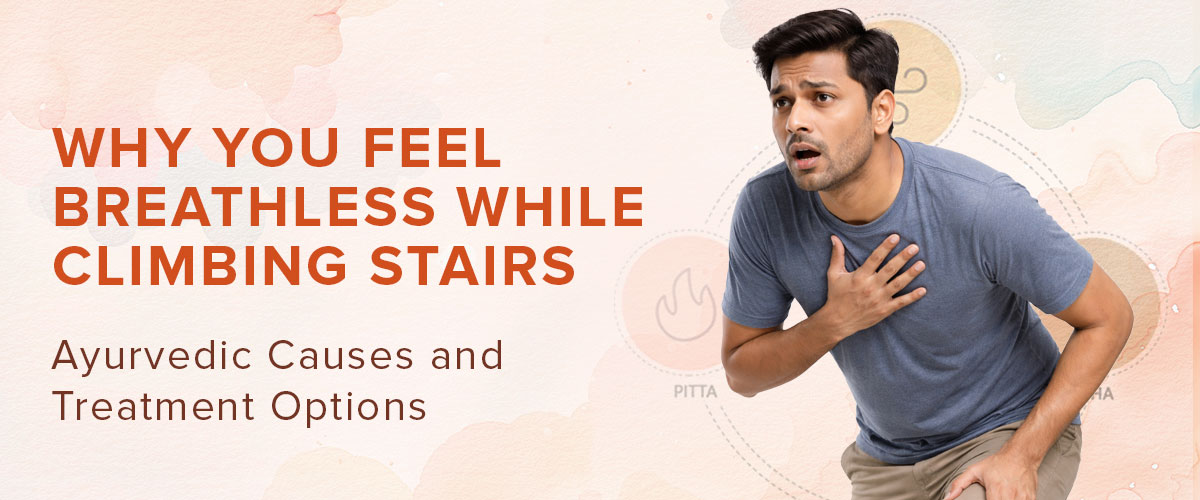
5207Climbing a flight of stairs shouldn’t feel like you are scaling a massive mountain, yet for many people, it does. That sudden gasp for air, the pounding in your chest, and the frustrating need to stop halfway are more than just signs of being tired. In Ayurveda, these are seen as subtle whispers from your body, hinting that your internal energies and physical channels are struggling with deeper imbalances.
What Happens to Your Body While Climbing Stairs
Increased Oxygen Demand The moment you start climbing, your leg muscles begin working much harder and immediately demand more oxygen. Your body requires additional oxygen because your energy consumption reaches a peak that forces your body to work extra to supply this new requirement.
Your heart rate increases because your body needs more oxygen, and your lungs require faster breathing. The body uses this system to deliver oxygenated blood to all active muscles; however, any performance problems in the system lead to the creation of breathlessness symptoms.
What Is Breathlessness?
Breathlessness, which doctors call dyspnea, describes the experience of not being able to fill your lungs because of the way your breathing feels tight and shallow. Each breath through a straw creates difficulty in inhaling.
After a long run, most people encounter normal windedness; however, the experience of exhaustion from climbing just a few stairs serves as a warning sign. Your body shows signs of internal efficiency loss when your life force energy stops moving through your body.
Common Signs and Symptoms of Breathlessness
The body begins to send specific alerts during stair climbing about its balance problems. You can determine whether your breathlessness results from insufficient fitness or an Ayurvedic imbalance by recognizing the signs that appear early.
- Rapid Breathing: Your lungs have to fight to get more air, which causes you to breathe quick, shallow breaths. You cannot achieve a complete deep breath regardless of your effort to breathe deeply.
- Fatigue After Minimal Effort: Your body shows energy depletion when you become exhausted from climbing one stairway. Your muscles experience exhaustion because they lack the "Prana" (life force) necessary to function correctly.
- Chest Tightness: You might experience a tightening feeling that spreads across your chest area. The condition develops when rib muscles become fatigued from their excessive work to assist your breathing process.
- Wheezing or Noisy Breathing: Narrowed air passages produce obstructed airways, which create whistling and rattling sounds during breathing. The condition causes partial blockage of your respiratory "Srotas" (channels).
- Dizziness or Lightheadedness: Your brain function becomes impaired when your oxygen supply decreases. You experience fainting spells, which leave you feeling unstable after you ascend one stair step.
Risk Factors That Worsen the Condition
The main health hazards for lung damage and oxygen capacity reduction stem from smoking activities and environmental pollution. People who consume excessive or cold foods should avoid this food because it causes their body to increase Kapha, which leads to chest mucus and a feeling of heaviness.
When you lead a life without physical activity, your body will experience a decrease in stamina and lung power, which will make you perceive climbing a single flight of stairs as an intense physical challenge.
Complications If Ignored
The untreated condition of breathlessness leads to the development of chronic respiratory diseases that result in permanent lung damage and loss of natural lung function. The heart works excessively to maintain oxygen levels, which creates ongoing pressure that eventually results in heart problems.
Your body will keep losing its ability to execute physical activities, which will transform routine tasks such as walking and grocery lifting into extremely difficult challenges.
Ayurvedic Explanation of Breathlessness While Climbing Stairs
The Ayurvedic system considers breathlessness during stair climbing as an indication that your internal body pathways face complete blockage or operate in disarray. The body requires additional oxygen resources, which the impaired systems prevent it from delivering during periods of increased oxygen requirement.
Why Your System is Struggling?
Excess mucus forms a physical blockage inside your lungs, which leads to increased airway obstruction through Kapha Accumulation. The accumulation of this substance results in reduced airflow capacity, which creates an experience of breathing difficulty during activities that involve ascending.
Vata Imbalance & Prana Flow: The breathing pattern of your body depends on Vata, which controls its natural flow. The respiratory system experiences timing problems when breathing patterns become irregular, which leads to panic and shallow gasping during minor physical activities.
Weak Immunity and Low Energy: The body needs "Ojas" (essential energy) at high levels because it provides vital energy for physical activities. The body, which has exhausted all its energy, cannot handle climbing staircases.
The Mechanics of Breathless Movement
Disruption of Prana Vayu: The Vata subtype controls both air intake and head and chest movement. The body experiences breathing difficulties when Prana Vayu faces disruptions, which commonly arise from stress and poor diet habits.
Blockage in Pranavaha Srotas: The Ayurvedic system uses these channels to distribute vital energy and oxygen throughout the body. The body experiences oxygen supply problems when toxins and mucus block these channels because oxygen needs to reach muscles for proper functioning.
Jiva Ayurveda Approach for Breathlessness While Climbing Stairs
The Jiva method focuses on restoring the balance of your doshas to improve breathing capacity and reduce exertional breathlessness. The approach better Agni (digestive fire) while it removes toxins (Ama) and builds up respiratory and cardiovascular strength, which enables your body to handle physical activities such as climbing stairs without any pain.
Jiva’s Personalized Treatment Pillars Include:
- Root-Cause Diagnosis (Nidana): The practitioner evaluates whether breathlessness is due to Kapha imbalance (causing airway blockage and heaviness), Vata imbalance (causing irregular breathing and weakness), or low energy metabolism affecting stamina.
- The Chikitsa Service: Personalized herbal formulations are prescribed to improve lung function, enhance oxygen flow, and clear blockages in respiratory pathways while boosting overall vitality.
- Panchakarma (Detoxification): Detox therapies are recommended for individuals with chronic breathlessness or toxin buildup. The therapies work to remove Ama from the body while they help blood flow and oxygen distribution throughout the body.
- Diet & Lifestyle (Aahara-Vihara): The customized plan includes warm and light foods that boost energy, together with daily activities designed to improve stamina, lung strength, and cardiovascular health.
The holistic approach goes beyond symptom relief. The method boosts endurance while it strengthens respiratory functions and develops permanent immunity and resilience.
Ayurvedic Medicines for Breathlessness While Climbing Stairs
The natural remedies work to treat the main health problems that lead to decreased lung capacity and endurance. The treatment methods operate at three levels for health benefits because they enhance respiratory strength and help people to use oxygen more effectively, and they increase their general health.
- Talisadi Churna: A well-known formulation for respiratory support. The treatment helps to eliminate excess Kapha, which leads to better lung function and decreased breathing difficulty during physical activity.
- Kantakari Avaleha: This herbal preparation is especially useful in strengthening the lungs and easing breathing difficulty. The treatment improves airflow through the body while reducing the resistance faced by the airways.
- Chyawanprash: A classical Rasayana (rejuvenative) that enhances immunity and stamina. The treatment provides nutrition to lung tissues, which leads to improved endurance over time.
- Pippali (Long Pepper): Pippali improves respiratory function while increasing the body's ability to absorb nutrients. The treatment helps to improve oxygen exchange while reducing physical activity-related exhaustion.
Ayurvedic Therapies for Breathlessness While Climbing Stairs
The specialized treatments focus on improving lung capacity, enhancing circulation, and restoring balanced breathing patterns. The therapies enable the body to handle physical activity while decreasing breathing difficulties.
The most common Ayurvedic treatments consist of the following methods:
- Hridaya Basti (Heart Region Oil Therapy): Warm medicated oil is retained over the chest area to strengthen the heart and lungs. The therapy enhances blood flow while it helps the body deliver oxygen more effectively during physical activities.
- Udvartana (Herbal Powder Massage): A dry herbal massage that helps reduce excess Kapha and improves circulation. The treatment helps people who experience breathing problems because of their heavy bodies or slow metabolism.
- Pranayama Therapy: The breathing techniques Anulom Vilom and Bhastrika teach people to breathe better while they develop their lung capacity and oxygen intake abilities.
- Swedana (Herbal Fomentation): The controlled sweating therapy uses herbal fomentation to open body channels, which results in reduced stiffness and improved respiratory and circulatory functions.
Diet for Breathlessness While Climbing Stairs (Ayurvedic Guide)
| Category | What to Include | What to Avoid |
| Beverages | Warm water, herbal teas (ginger, cinnamon), lukewarm milk | Cold drinks, iced water, carbonated beverages |
| Breakfast | Light, warm foods like daliya, poha, and moong chilla | Heavy, oily breakfast, cold milk with cereals |
| Fruits | Seasonal fruits (apple, pomegranate, papaya) | Banana (especially at night), overly sweet fruits |
| Dairy | Warm milk with turmeric, light buttermilk (daytime) | Cold milk, curd at night, cheese-heavy foods |
| Grains & Meals | Chapati, rice with dal, khichdi, cooked vegetables | Fried foods, refined flour items, and fast food |
| Snacks | Roasted chana, nuts (in moderation), herbal tea | Packaged snacks, chips, bakery items |
| Spices | Ginger, black pepper, cumin, ajwain | Excess salt, sugar, and artificial additives |
| Night Routine | Warm milk with turmeric or herbal infusion | Heavy dinner, late-night eating, cold desserts |
How Patients Are Assessed for Breathlessness While Climbing Stairs at Jiva Ayurveda
At Jiva Ayurveda, assessment focuses on identifying the root cause and restoring balance.
- Breathlessness pattern and its intensity during physical activity, like climbing stairs, are analysed
- Lung capacity and respiratory response to exertion are evaluated
- Dosha imbalance (especially Vata and Kapha) is assessed
- Digestion (Agni) and toxin accumulation (Ama) are examined
- Medical history and frequency of breathlessness episodes are reviewed
- Lifestyle habits, including physical activity level and diet, are analysed
Our Step-by-Step Care Process
At Jiva Ayurveda, every process of the treatment is carried out in an organised and structured manner to give you the best personalised experience of Ayurvedic treatment for thyroid and digestive issues.
1. Share Contact Details: After submitting your details, you can also reach out to us directly at 0129 4264323 to start the consultation process and get your metabolic issues treated.
2. Appointment Confirmation: An appointment with our experienced and well-trained Ayurvedic doctors specialising in thyroid and digestive issues is arranged for you. You can choose to consult with our doctors in the mode that best suits you:
- Clinic: We have over 80 Jiva clinics in different cities, and you can come to the nearest clinic to consult with our doctor face-to-face.
- Video Consultation (Rs. 49): In case you are not able to locate our clinics in your city, you can also consult with our doctor online, which will be available to you at a discounted price of Rs. 49 (regular price: Rs. 299). Simply give us a call at 0129 4264323 to connect with our experts from home itself.
3. Detailed Diagnosis: Our experienced doctor will consult with you to understand your thyroid issues, digestive problems, and “Agni” (metabolic fire) to diagnose the root cause of the problem in your body.
4. Root Cause-Based Treatment Plan: A personalised treatment plan is designed using herbal medicines and therapies to balance Kapha, regulate Vata, strengthen Agni, and reduce Ama. This approach targets the root cause of morning nasal congestion and helps prevent recurrence over time.
Healing Timeline for Breathlessness While Climbing Stairs
Initial Weeks: Mild improvement in breathing may be noticed. Climbing stairs feels slightly easier, and fatigue reduces as diet and lifestyle adjustments begin to support energy levels.
1–3 Months: With consistent Ayurvedic care, breathlessness reduces significantly. Lung capacity improves, stamina increases, and recovery after exertion becomes faster. Digestion also strengthens, supporting better energy production.
3–6 Months: Marked improvement is seen with minimal breathlessness during physical activity. Breathing becomes smoother, endurance improves, and the body adapts better to exertion with rare recurrence.
What Results Can You Expect?
Ayurvedic treatment focuses on balancing doshas, improving Agni (digestion), and reducing Ama (toxins). With consistency, you can expect:
- Reduced breathlessness during activities like climbing stairs
- Improved lung capacity and breathing efficiency
- Increased stamina and energy levels
- Better digestion and metabolic strength
- Enhanced immunity and overall vitality
Patient Testimonial
“Atharva is a 7-year-old child who was suffering from a respiratory problem for quite some time. We tried different treatments, but nothing seemed to work, and it left us feeling helpless as parents.
One of our friends recommended Jiva Ayurveda. We decided to give it a try and started treatment with their medicines, including Bal Ojas and Anu Oil.
Within just 2 months, we started noticing a significant improvement. His breathing became better, his symptoms reduced, and he became more active and comfortable.
As a parent, I feel truly relieved and grateful. I sincerely thank Jiva Ayurveda for helping my child recover and regain his health.”
Estimated Cost of Treatment at Jiva Ayurveda – Breathlessness While Climbing Stairs
Understanding the financial aspect of your treatment is important. At Jiva Ayurveda, transparent pricing helps you choose a plan suited to your condition and needs.
Treatment Cost
For patients seeking standard, ongoing care for breathlessness during physical activity, the monthly cost of medicine and consultation typically ranges from Rs. 3,000 to Rs. 3,500. This is an estimated baseline and may vary based on individual condition and severity.
Protocol
For a more structured and holistic approach, specialised package protocols are available. These focus on improving lung capacity, enhancing stamina, and restoring long-term respiratory balance. The package includes:
- Medicine
- Consultation
- Mental well-being sessions
- Yoga and meditation
- Diet guidance
- Therapies
The cost for this protocol ranges from Rs. 15,000 to Rs. 40,000 for a 3 to 4-month treatment duration.
Jivagram
For individuals requiring intensive care, Jivagram offers an immersive healing environment that supports deep detoxification and respiratory strengthening. It includes:
- Authentic Panchakarma therapies
- Sattvic meals
- Modern healing services
- Comfortable accommodation
- Additional wellness facilities
An immersive stay at Jivagram costs approximately Rs. 1 Lakh for 7 days, providing continuous personalised care.
Why Patients Trust Jiva Ayurveda
Our method is centred around personalised, root cause-based treatment that works to heal the body from the inside out.
- Root Cause-Based Treatment: Our treatment strategy is to treat the root cause of the imbalance, not just the symptoms.
- Customised Care Plans: Our patients receive personalised care plans that are tailored to their individual Prakriti (constitution), diet, and lifestyle.
- Protocol-Based Analysis and Treatment: Our treatment protocols are evidence-based, Ayurvedic approaches to treating hormonal and digestive imbalances.
- Authentic Medicines: Our Ayurvedic medicines are genuine and made in licensed facilities to ensure safety and efficacy.
- Proven Scale & Expertise: Our physicians have seen over 8,000 patients daily and have extensive experience in treating complex chronic diseases.
- High Success Rate: Our patients have seen significant improvements in their health, with over 90% reporting positive changes in their health.
- Reduced Dependency: 88% of our patients can stop or greatly reduce their dependency on conventional medications.
Modern vs Ayurvedic Approach for Breathlessness While Climbing Stairs
| Aspect | Modern Approach | Ayurvedic Approach |
| Focus | Symptom relief by improving oxygen supply and managing underlying conditions | Root cause correction and dosha balance |
| Cause Understanding | Reduced lung capacity, heart issues, or low fitness levels | Vata imbalance affecting breath flow, Kapha causing blockage, and weak Agni |
| Treatment | Inhalers, bronchodilators, oxygen therapy, lifestyle advice | Herbal medicines, breathing therapies (Pranayama), detox (Panchakarma) |
| Relief | Quick but often temporary | Gradual but long-lasting and sustainable |
| Approach to Breathlessness | Enhances airflow and manages symptoms | Improves lung strength, circulation, and energy balance |
| Digestive Role | Rarely addressed | Strong focus on improving digestion (Agni) for better energy production |
| Immunity & Stamina | Limited focus on long-term stamina | Enhances immunity, stamina, and overall vitality |
| Lifestyle Changes | General advice, like exercise and weight management | Detailed routine (Dinacharya), diet, and mind-body practices |
When to Consult a Doctor
You must seek medical advice if:
- Breathlessness persists even with minimal activity like walking or climbing a few stairs
- Symptoms worsen over time or become more frequent
- Breathing becomes difficult even at rest
- Chest pain, tightness, or discomfort develops
- Dizziness, fatigue, or palpitations occur during exertion
- Sleep is disturbed due to breathing difficulty
Conclusion
Breathlessness while climbing stairs may seem like a simple sign of low stamina, but it often reflects deeper imbalances, especially related to Vata, Kapha, and energy metabolism. Understanding its root cause through both modern science and Ayurveda is essential for long-term relief and prevention.
If you experience persistent breathlessness or reduced stamina, consult Jiva Ayurveda doctors for personalized care. Call: 0129-4264323.