 Published on
20 Mar, 2026
Published on
20 Mar, 2026 Updated on 25 May, 2026
 5164
5164For many people, a migraine does not start with pain, but with a change in the visual field. It starts with a loss of sharpness, a blurring of vision, which makes it impossible to focus on a computer screen or a page. This blurring is the brain’s way of signaling to itself that something is amiss with its processing of the senses.
It is not, of course, eye strain, although it is a neurological event. The relationship between migraines and blurred vision is complex, and it involves a temporary “electrical storm” in the visual cortex, which causes nerves and blood vessels to function in an uneasy harmony.
What Is a Migraine?
A migraine is a chronic neurological condition characterized by recurrent, intense, throbbing, or pulsating head pain. Unlike a standard headache, a migraine is a systemic event that can last anywhere from 4 to 72 hours, often leaving the individual completely incapacitated.
Beyond a Simple Headache
Migraine headaches extend beyond basic head pain because they trigger a sequence of neurological events. The body experiences simultaneous activation of multiple systems, which proceed to misfire and realign their functions. While a tension headache might feel like a tight band around the head, a migraine is a systemic event that can affect your digestion, mood, and sensory perception.
Neurological Basis of Migraines
The brain experiences temporary changes during migraine attacks. The brain shows these alterations through three main processes:
- Blood Flow: The brain's blood vessels experience a sequence of tightening followed by rapid expansion, which results in pain.
- Nerve Signaling: The trigeminal nerve, which controls facial sensations, becomes inflamed and sends out intense pain signals.
- Chemical Changes: The brain experiences fluctuations in dopamine and CGRP, which lead to changes in pain perception and processing.
The Connection Between Migraines and Blurred Vision
The blurring sensation creates an eye problem, but its actual source lies within the brain, which serves as the body's processing unit.
Brain–Eye Communication
The eyes capture light and images, but the brain is what actually interprets them into a coherent picture. A migraine episode disrupts this communication pathway. The brain experiences a software malfunction that results in blurry visual perception, which occurs although your eyes maintain complete vision health.
Role of the Visual Cortex
The Visual Cortex, located at the back of the brain, is the command center for sight. A migraine causes this brain area to enter a state of metabolic disturbance. Neurons become temporarily inactive due to Cortical Spreading Depression, which produces a wave of electrical activity, resulting in your experience of blurred vision and blind spots.
Disruption in Nerve Signals
The smooth transmission of visual information relies on precise neurotransmitter balance. The Trigeminal Nerve suffers from irregular nerve signaling problems during an attack, which leads to flow interruptions. The brain enters a temporary visual confusion state because it cannot synchronize signals from both eyes.
Understanding Migraine Aura
A migraine aura acts as a brain warning system that shows when a migraine headache will start. The condition creates a brief neurological state that comes before the development of a migraine headache.
What Is Aura?
Aura represents a temporary state that brings about brain activity changes, which create sensory effects. The duration of this condition ranges from 5 minutes to 60 minutes and includes visual disturbances, sensory disruptions, and speech problems. The condition serves as the initial symptom that shows a migraine has started for most people.
Why Aura Affects Vision
Visual symptoms occur because the aura begins in the part of the brain responsible for processing sight. The brain area shows changing activity patterns that create disruptions to normal visual processing. This leads to symptoms like blurred vision, flashing lights, zigzag patterns, or temporary blind spots.
Common Causes of Migraine with Blurred Vision
The existence of internal body disturbances and outside environmental elements triggers migraine attacks, which result in patients experiencing blurred vision. The treatment of patients who suffer from recurring episodes will see improvements through the discovery of their common triggers.
- Stress and Mental Strain: High stress can disrupt normal brain activity and trigger migraines along with visual disturbances.
- Dehydration: Inadequate fluid intake can reduce proper circulation to the brain, which leads to an increased risk of developing headaches.
- Hormonal Changes: Women's migraine patterns show dependency on their hormonal fluctuations.
- Excess Screen Time: Long hours on screens cause eye strain, which results in visual symptoms.
- Lack of Sleep: Insufficient sleep disrupts the brain's neurological functions, which makes people more vulnerable to migraines.
- Bright Lights or Strong Smells: Sensory triggers cause the brain to become overstimulated, which results in the onset of migraine attacks.
Signs of Migraine with Blurred Vision
Migraines that affect vision typically begin with clear symptoms that develop into additional symptoms. The condition requires early treatment through sign recognition, which enables its management before it reaches advanced stages.
- Blurred or hazy vision
- Sensitivity to light (photophobia)
- Seeing flashes, zigzag lines, or patterns
- Temporary blind spots in vision
- Difficulty focusing or reading
- Eye strain or discomfort
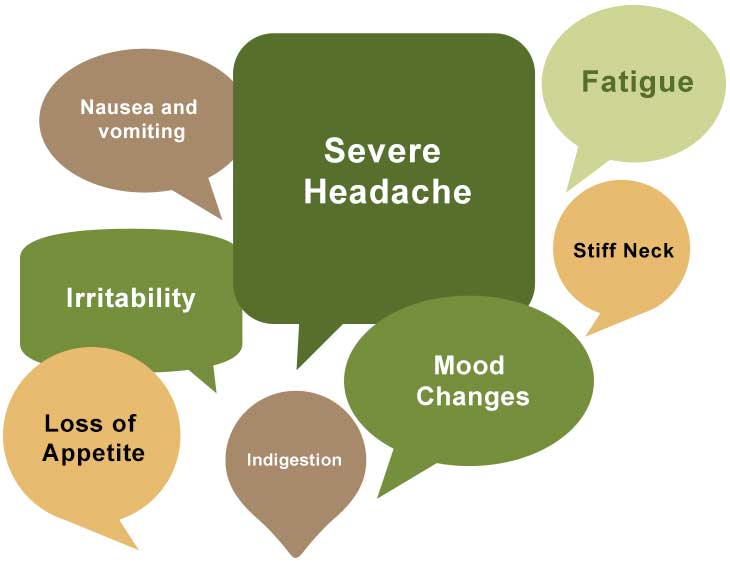
- Nausea or vomiting along with headache
- Throbbing pain, usually on one side of the head
Risk Factors and Complications
The condition of migraines with vision problems becomes more difficult to handle when doctors fail to implement effective treatment methods. The repeated episodes will lead to greater sensitivity, which will negatively affect the person's ability to function during their daily activities.
- Chronic Migraine Risk: The development of chronic headaches occurs when people experience frequent migraine attacks, which result in more frequent and prolonged headache episodes.
- Increased Visual Sensitivity: The eyes develop increased light sensitivity after people experience multiple disturbances that affect their vision capabilities for extended periods between attacks.
- Impact on Daily Life: Blurred vision disrupts essential tasks, which include reading, working, and driving, thus leading to decreased work performance and reduced life quality.
Ayurvedic Understanding of Migraine with Blurred Vision
The Ayurvedic approach views migraines accompanied by vision problems as a consequence of a disrupted balance between Vata and Pitta doshas, which destroys both the nervous system and visual pathways. The aggravated state of Vata causes nerve transmission problems, which result in pain and balance issues, while the elevated level of Pitta causes vision problems, which include light sensitivity and blurry vision.
The weak state of digestion (Agni) creates toxins (Ama), which block channels and prevent the body from functioning normally. The combined imbalances result in headache and visual disturbances, which demonstrate the requirement for a comprehensive approach that targets fundamental causes of the problem.
Jiva Ayurveda Approach for Migraine with Blurred Vision
The Jiva Ayurveda method treats migraines, which cause blurred vision, by developing an individualized treatment plan that uses complete body treatment methods.
- Personalised assessment: The evaluation process assesses three health conditions, which include dosha imbalance and digestion problems. Both symptoms and lifestyle patterns help find the precise cause of the health issue.
- Herbal medicines: The Ayurvedic formulations, which have been selected through special criteria, will help people reach their treatment goals by balancing Vata and Pitta while they achieve better control over their migraine episodes.
- Diet correction: The dietary plan establishes specific guidelines that help users enhance their digestive process while maintaining their internal body balance and preventing the consumption of items that lead to migraine headaches and vision issues.
- Lifestyle changes: The recommendations require people to enhance their sleep quality while they learn to handle stress better and establish a daily routine, which will support their physical and mental wellness.
- Therapies: The Ayurveda treatments help the mind relax while they boost blood flow to the head and eyes, and they enhance brain and eye health.
- Long-term focus: The treatment objective aims to create enduring health through permanent body restoration while preventing future health issues.
Ayurvedic Medicines for Migraines with Blurred Vision
Migraines caused by irregular eating are often linked to internal imbalances like aggravated Vata and weak digestion. In Ayurveda, doctors use these medicines to treat nervous system disorders and digestive problems while decreasing migraine attack frequency.
- Godanti Bhasma: The compound produces a cooling effect that helps with headache management. The treatment helps patients who experience burning sensations and light sensitivity symptoms.
- Brahmi (Bacopa monnieri): Brahmi helps calm the mind and supports brain function. The herb decreases stress and mental fatigue, which people usually experience as migraine triggers after they miss meals.
- Sootshekhar Ras: The substance helps with digestion while decreasing stomach acid production. Patients who experience migraines that result from an empty stomach and digestive problems will benefit from this treatment.
- Ashwagandha (Withania somnifera): Ashwagandha strengthens the body’s stress response and balances hormones. The treatment works best for patients who experience migraines because of their extreme fatigue and sleep pattern disruptions.
Ayurvedic Therapies for Migraines with Blurred Vision
Ayurvedic treatments work on external body healing, while medical treatments operate within the body. The therapies work to relax the nervous system while enabling Vata balance and detoxification of built-up body contaminants.
- Shirodhara: The treatment establishes deep mind relaxation through the process of applying oil to the forehead area. The treatment produces three benefits, which include reducing stress, improving sleep quality, and stopping migraine attacks.
- Shiro Abhyanga (Head Massage): The treatment helps to release scalp tension, which leads to better meditation results. People who practice this technique regularly experience fewer headache occurrences.
- Basti Therapy: The treatment works as essential therapy to achieve Vata dosha balance. The process functions to enhance digestion at its core, which leads to permanent relief from migraine symptoms.
- Nasya Therapy: The therapy removes harmful substances from the head area while helping users to breathe better. The procedure decreases headache problems while it brings about better mental understanding.
- Abhyanga (Oil Massage): This helps in providing body nourishment through its ability to enhance blood flow. The treatment effectively reduces Vata imbalance symptoms while it protects against migraines triggered by stress.
Diet Chart for Migraine
| Category | Include | Avoid |
| Grains | Rice, oats, whole wheat | Maida, packaged foods |
| Fruits | Banana, papaya, apple | Sour/unripe fruits |
| Vegetables | Cooked veggies (lauki, carrot) | Excess raw cabbage |
| Dairy | Warm milk, ghee | Cold milk, ice cream |
| Protein | Moong dal, paneer | Heavy, fried foods |
| Fats | Ghee, sesame oil | Fried, processed fats |
| Drinks | Warm water, herbal tea | Cold drinks, excess caffeine |
| Habits | Eat on time, small meals | Skipping meals, long gaps |
How Patients Are Assessed for Migraine with Blurred Vision at Jiva Ayurveda
At Jiva Ayurveda, assessment focuses on identifying root causes and restoring balance.
- Patterns of migraine and blurred vision are analyzed.
- Triggers such as stress, screen time, and lifestyle factors are evaluated.
- Levels of digestion (Agni) and toxins (Ama) in the body are analyzed.
- Past medical history and previous treatments are reviewed.
- Sleep patterns, stress levels, and daily routines are analyzed.
A personalized plan is created to balance the doshas and prevent future episodes.
Our Step-by-Step Care Process
At Jiva Ayurveda, every process of the treatment is carried out in an organised and structured manner to give you the best personalised experience of Ayurvedic treatment for thyroid and digestive issues.
1. Share Contact Details: After submitting your details, you can also reach out to us directly at 0129 4264323 to start the consultation process and get your metabolic issues treated.
2. Appointment Confirmation: An appointment with our experienced and well-trained Ayurvedic doctors specialising in thyroid and digestive issues is arranged for you. You can choose to consult with our doctors in the mode that best suits you:
- Clinic: We have over 80 Jiva clinics in different cities, and you can come to the nearest clinic to consult with our doctor face-to-face.
- Video Consultation (Rs. 49): In case you are not able to locate our clinics in your city, you can also consult with our doctor online, which will be available to you at a discounted price of Rs. 49 (regular price: Rs. 299). Simply give us a call at 0129 4264323 to connect with our experts from home itself.
3. Detailed Diagnosis: Our experienced doctor will consult with you to understand your thyroid issues, digestive problems, and “Agni” (metabolic fire) to diagnose the root cause of the problem in your body.
4. Root Cause-Based Treatment Plan: A personalised treatment plan is designed using herbal medicines to balance Vata and Pitta, strengthen Agni, and eliminate Ama, addressing the root cause of migraines with blurred vision.
Healing Timeline for Migraine with Blurred Vision
Initial Weeks: Mild relief in headache intensity and visual disturbances may be noticed as routine, diet, and lifestyle corrections begin to stabilise the system.
1–3 Months: With consistent Ayurvedic care, migraines become less frequent and less severe, while episodes of blurred vision reduce, and overall neurological balance improves.
3–6 Months: Significant improvement is achieved, with rare migraine episodes, clearer vision, better digestion, and a more stable nervous system.
What Results Can You Expect?
Treatment in Ayurveda focuses on balancing doshas, strengthening digestion (Agni), and reducing toxins (Ama). With consistency, you can expect:
- Reduced frequency and severity of migraines
- Decrease in blurred vision and visual disturbances
- Improved digestion and stable energy levels
- Better stress management and nervous system balance
- Enhanced overall well-being
Patient Experience: Praveen, 69 Years
I am Praveen, 69, and I was suffering from persistent headaches and poor sleep. A friend told me about Jiva Ayurveda, and I decided to explore the Ayurvedic approach.
After joining Jivagram, I experienced personalised care, Panchakarma therapies, and a serene, holistic environment that helped me relax and heal. The combination of therapies, diet guidance, and lifestyle routines not only improved my headaches and sleep but also brought a sense of happiness and overall well-being.
I am grateful to the dedicated team at Jiva, as the entire experience exceeded my expectations and gave me long-term relief and peace of mind.
Estimated Cost of Treatment at Jiva Ayurveda – Migraine with Blurred Vision
Understanding the financial investment required for your health is important. At Jiva Ayurveda, transparent pricing helps in choosing the most suitable treatment plan.
Treatment Cost
For patients seeking standard, ongoing care for migraines with blurred vision, the monthly cost of medicine and consultation typically ranges from Rs. 3,000 to Rs. 3,500. This is an estimated baseline and may vary depending on individual condition and severity.
Protocol
For a more structured and holistic approach, specialised package protocols are available, focusing on both symptom relief and lifestyle correction. The package includes:
- Medicine
- Consultation
- Mental well-being sessions
- Yoga and meditation
- Diet guidance
- Therapies
The cost for this protocol ranges from Rs. 15,000 to Rs. 40,000 for a 3 to 4-month treatment duration.
Jivagram
For those requiring intensive care, Jivagram offers an immersive healing experience in a calm, eco-friendly environment, including:
- Authentic Panchakarma therapies
- Sattvic meals
- Modern healing services
- Comfortable accommodation
- Additional wellness facilities
An immersive stay at Jivagram costs approximately Rs. 1 Lakh for 7 days, providing continuous personalised care.
Why Patients Trust Jiva Ayurveda
Our method is centred around personalised, root cause-based treatment that works to heal the body from the inside out.
- Root Cause-Based Treatment: Our treatment strategy is to treat the root cause of the imbalance, not just the symptoms.
- Customised Care Plans: Our patients receive personalised care plans that are tailored to their individual Prakriti (constitution), diet, and lifestyle.
- Protocol-Based Analysis and Treatment: Our treatment protocols are evidence-based, Ayurvedic approaches to treating hormonal and digestive imbalances.
- Authentic Medicines: Our Ayurvedic medicines are genuine and made in licensed facilities to ensure safety and efficacy.
- Proven Scale & Expertise: Our physicians have seen over 8,000 patients daily and have extensive experience in treating complex chronic diseases.
- High Success Rate: Our patients have seen significant improvements in their health, with over 90% reporting positive changes in their health.
- Reduced Dependency: 88% of our patients can stop or greatly reduce their dependency on conventional medications.
Modern vs Ayurvedic Approach for Migraine with Blurred Vision
| Aspect | Modern Approach | Ayurvedic Approach |
| Focus | Symptom relief and managing visual disturbances | Root cause correction and internal balance in Ayurveda |
| Treatment | Painkillers, anti-migraine drugs | Herbal medicines, diet, and therapies |
| Relief | Fast but temporary | Gradual but long-lasting |
| Lifestyle Approach | Limited focus on triggers | Strong emphasis on routine, digestion, and dosha balance |
| Outcome | Controls symptoms | Reduces recurrence and improves overall health |
When to Consult a Doctor
While migraines with blurred vision can often be managed with lifestyle and dietary changes, certain signs require medical attention:
- Frequent or worsening migraines
- Severe headache, different from usual episodes
- Blurred vision that persists or worsens
- Visual symptoms like flashes, blind spots, or temporary vision loss
- Migraines with nausea, dizziness, or fainting
- Headaches affecting daily activities or sleep
- Sudden, intense headache without a clear trigger
Timely consultation helps ensure proper diagnosis and prevents complications.
Conclusion
Migraines with blurred vision indicate a deeper imbalance involving the brain, nerves, and sensory pathways. Addressing triggers, improving lifestyle habits, and following principles of Ayurveda can help restore balance and reduce recurrence.
If you are struggling with migraines or visual disturbances, consult certified doctors at Jiva Ayurveda for personalised care and guidance. Call today: 0129-4264323.