 Published on
20 Jun, 2026
Published on
20 Jun, 2026 Updated on 20 Jun, 2026
 5108
5108The wellness world loves a good "superfood" trend, but while kale and rare berries have their moments, Moringa oleifera सेंजन (Senjan) has stood the test of time.
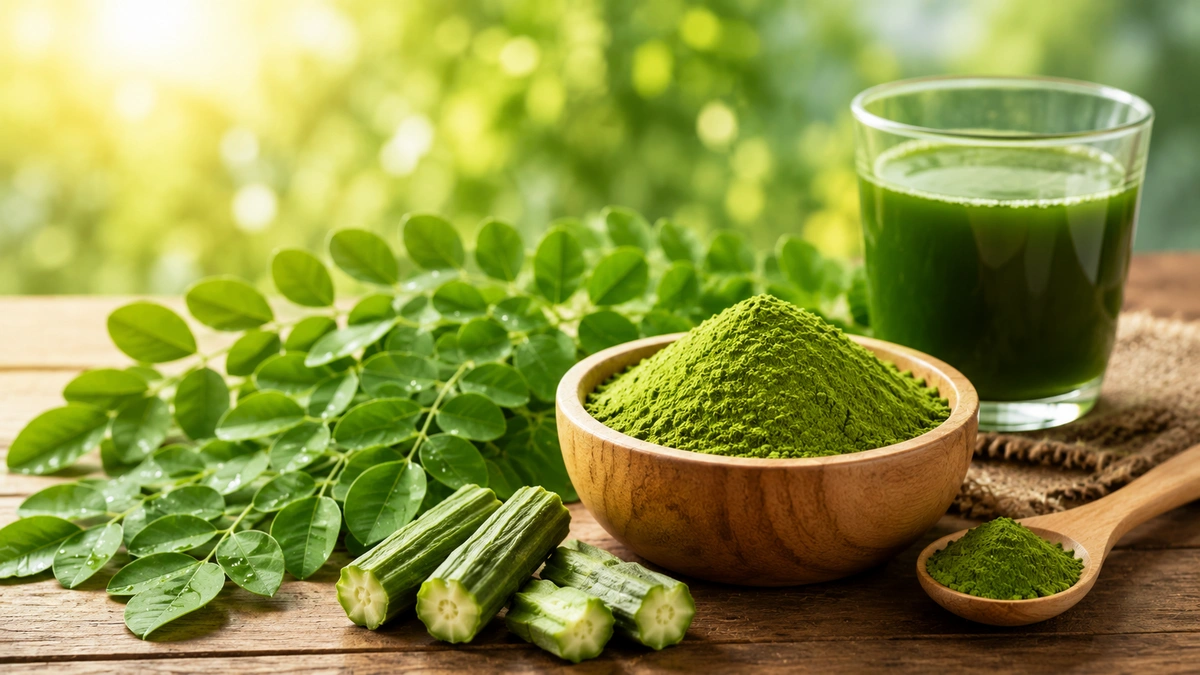
Known as the "Miracle Tree" or "Drumstick Tree," moringa has been keeping people healthy in Ayurvedic medicine for thousands of years. Native to the rugged sub-Himalayan regions, this incredibly resilient plant thrives in droughts where other plants fail. Yet its true miracle lies inside its vibrant green leaves, If you’re looking for a no-fuss, natural addition to your daily routine, here is why this ancient tree is the ultimate modern superfood.
We’ve all seen the "superfood" label slapped on everything from kale to the latest exotic berry. But while wellness trends come and go, a few humble plants have been quietly nourishing people for centuries.
A Nutritional Powerhouse
When we call moringa a nutritional powerhouse, we aren't overhyping. Almost every part of the tree is edible, but the leaves are the magical part of the nutrition.When dried and ground into a fine powder, they become a concentrated source of essential vitamins, minerals, and amino acids.
more Iron than Spinach: This nutrient is essential for transporting oxygen throughout the blood stream, helping fight off fatigue.
more Vitamin C than Oranges: An essential nutrient for supporting your immune system, also vital for collagen production.
more Calcium than Milk: Essential for healthy bones, muscles, and nerves.
more Potassium than Bananas: Important for controlling your blood pressure and helping your body regulate fluid levels.
One of the most remarkable facts about moringa is the high protein content it holds. With 9 essential amino acids, moringa is a complete protein. This is very rare for plants and makes them a super food Supplement for vegans, vegetarians and meat-eaters alike.
Best health benefits to take on a daily basis
While adding a spoonful of moringa to your morning diet helps boost your vitamin intake, its bioactive compounds benefit your whole body from the inside out.
Combats chronic inflammation
Inflammation is how the body protects itself from infection and injury. Chronic, low-level inflammation, however, is believed to cause some major diseases, such as heart disease, arthritis and certain metabolic disorders. Leaves of moringa have antioxidant and anti-inflammatory compounds that reduce this process by blocking some pathways and enzymes responsible for inflammation. These components are called isothiocyanates and are well-researched for their health effects.
Packed with Antioxidants
The body's daily exposure to oxidizing agents, free radicals, caused the imbalance to oxidative stress, which contributes to premature aging, as well as chronic disease. Moringa contains powerful antioxidants that neutralize these damaging free radicals, which include:
Quercetin - This strong antioxidant compound helps lower your blood pressure
Chlorogenic acid - A popular antioxidant found in coffee extract, chlorogenic acid helps regulate your blood sugar after meals
Stabilizes your Blood Sugar levels
Permanently elevated blood sugar is the defining trait of diabetes, as well as a significant factor in the risk of developing heart disease. There are many reports, that the moringa components iosthiocyanates could decrease the blood sugar levels, even in animals (animal studies showed promising and human trials are also exciting with findings of a significant drop in fasting blood sugar levels after just a few grams of moringa powder per day).
Decreases Cholesterol
Having too much LDL (bad) cholesterol floating in your bloodstream is also one of the big risk factors for heart disease. We've already identified foods like oatmeal, flaxseed, and almonds as great ways to lower your cholesterol, and moringa is another healthy plant-based food that will help you reduce the amount of LDL cholesterol in your blood and improve your cardiovascular health.
How to Incorporate Moringa Into Your Diet
If you live in a region where fresh moringa grows, you can cook the leaves exactly like spinachtossed into stir-fries, folded into omelets, or simmered in curries and dals. The long seed pods (drumsticks) are also a beloved ingredient in South Asian stews.The powder has a distinctly earthy, slightly bitter flavorvery similar to matcha green tea. Here are a few easy ways to make it part of your daily routine:
The Morning Smoothie: This is the easiest way to mask the earthy taste. Blend one teaspoon of moringa powder with a banana, spinach, almond milk, and a scoop of peanut butter.
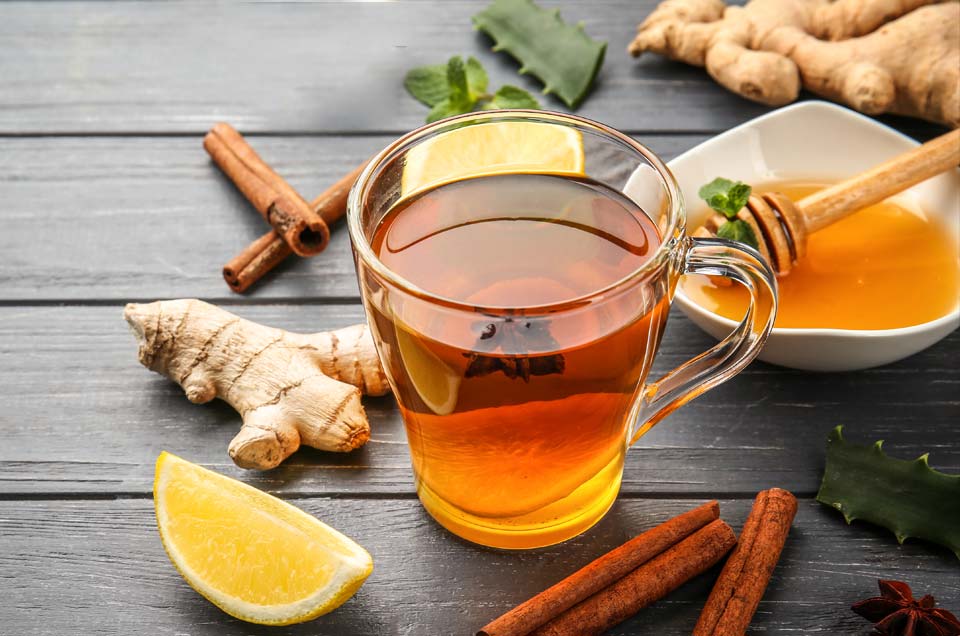
Moringa Tea: Whisk a half-teaspoon of the powder into hot water with a squeeze of fresh lemon and a teaspoon of raw honey. It makes for a brilliant, caffeine-free morning pick-me-up.
Soups and Sauces: Stir a spoonful into pureed vegetable soups, pasta sauces, or salad dressings just before serving.
Capsules: If you simply can't get on board with the taste, moringa supplements are widely available in capsule form. Just ensure you are buying from a reputable brand that tests for heavy metals and purity.
A Few Precautions
While moringa is generally incredibly safe and highly beneficial, there are a few things to keep in mind.
First, start slow. Because it is so nutrient-dense and high in fiber, jumping straight into large doses can cause mild digestive upset. Start with half a teaspoon a day and gradually work your way up to a full teaspoon or two.
Second, if you are pregnant, you should consult a doctor before consuming moringa. While the leaves are generally considered safe, the bark, roots, and flowers of the moringa tree contain compounds that can cause uterine contractions.
Finally, if you are on medications for blood pressure, blood sugar, or thyroid function, check with your healthcare provider. Because moringa naturally lowers blood sugar and blood pressure, it could compound the effects of your medication.
CONCLUSION
True health isn't built on overnight fixes; it's the result of small, consistent habits. Moringa isn't a magic cure all no single food is. But as an addition to a balanced diet, it is an exceptionally efficient way to deliver a massive dose of vitamins, minerals, and antioxidants to your cells.
Whether you blend it into a post-workout smoothie or sip it as a soothing tea, adding this "miracle tree" to your life is a simple, potent step toward better daily health.
References
https://pubmed.ncbi.nlm.nih.gov/35454694/