 Published on
21 Apr, 2026
Published on
21 Apr, 2026 Updated on 25 May, 2026
 5142
5142HbA1c or glycated hemoglobin is an essential metabolic memory marker that gives a complete picture of your health way beyond a daily test. This test uses the percentage of the amount of blood sugar that has stuck to your red blood cells each time they travel through a 120-day life cycle, thus giving you a consistent average of your glucose level over the past two to three months. HbA1c, in contrast to regular finger-prick tests, which respond to your last meal or your current stress levels, is immune to short-term fluctuations, which means that it is the most accurate clinical test to determine long-term metabolic patterns and forecast possible health-related risks.
What Is HbA1c?
HbA1c is a routine blood test that helps to determine your average blood sugar levels over two or three months. Once sugar gets into your blood, it binds to hemoglobin, which is a protein present in your red blood cells. These red blood cells have a life span of approximately 120 days; the test can determine the precise amount of sugar that this group of blood cells has had stuck onto them over the period of their life as a group. This gives you a highly reliable and candid picture of your metabolism since it can not be altered by what you ate yesterday or how much you ran this morning.
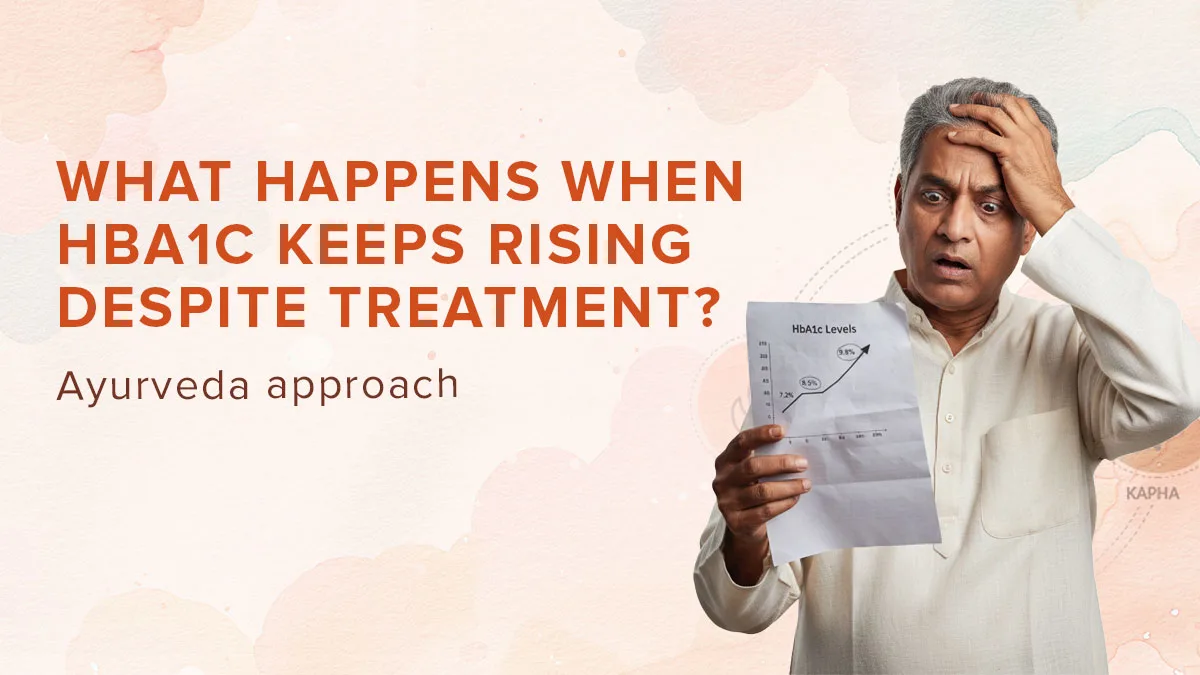
What Does It Mean When HbA1c Keeps Rising?
When your HbA1c levels continue to climb despite effort, it is a clear sign that the body’s internal "management system" is struggling to keep up. It indicates that the underlying cause of the imbalance is still active deep within your tissues.
- Increasing Resistance: An increasing number indicates that your cells are getting more and more deaf to signals. The sugar may not be getting into the cells and may continue to stay in the blood, even when you are making efforts to manage it.
- Ongoing Blockages: It indicates that the internal channels are still plugged with metabolic waste. The sugar will keep accumulating until these pathways are cleared, no matter how little you consume.
- Exhausted Balance: Your organs are probably working hard to make up. The gradual increase is an indication that either your body is experiencing automatic stress or inflammation that is overwhelming its capacity to self-regulate.
- Weak Strategy: It acts as a red flag that the present strategy is not addressing the issue. It demonstrates that you might be dealing with the symptoms, but the engine of the issue is still going.
- Long-Term Warning: Since HbA1c measures the big picture, an upward trend is more accurate than a bad day in predicting future health risks, and it is time to change the way you live your life.
Hidden Causes Behind Uncontrolled Glucose Levels
Invisible causes of uncontrolled levels of sugar are usually not the foods on your plate, but causes beyond that. These triggers are able to maintain your levels high despite eating with care.
- Chronic Inflammation: Behaves as noises which means your cells cannot hear the insulin signal, and sugar remains in your blood.
- Poor Sleep Patterns: Sleep deprivation turbo boosts the amount of cortisol, forcing your liver to spill excess sugar into the blood.
- Gut Imbalance: When the bad gut bacteria are more than the good ones, they secrete toxins that slow down your metabolism.
- Hidden Sugars: Processed starches and sweeteners found in many health or low-fat foods produce constant, minimal spikes.
- Daily Stress: Stress, be it physical or emotional, will put your body in a fight or flight mode, which, of course, will keep the sugar levels high.
- Dehydration: When you do not take sufficient water, the blood is more concentrated, and the sugar levels will seem increased.
Role of Insulin Resistance Progression
Insulin resistance is the silent contributor to the rising levels of HbA1c. It starts when your cells start to turn a blind eye to insulin, the very key that is supposed to allow the energy in. As a way of compensating, your pancreas overworks itself to produce even more insulin in attempts to get the cells to respond.
In the long run, this continuous overwork causes system fatigue. The more the cells become resistant, and the pancreas becomes fatigued, the less sugar can be absorbed into the tissues, and it would accumulate in your bloodstream and push up your long-term averages.
Why Your Sugar Levels Stay High: The Hidden Factors
It is not always that the noise of your lifestyle and internal imbalances cause blood sugar to be out of control, even though you are trying your best. These aspects are like a metabolic anchor, and your treatment would not be effective.
- Metabolic Confusion: Unpredictable eating patterns, such as snacking at night or consuming refined carbs regularly, cause chaos in your body. When the influx of fuel is erratic, your body finds it difficult to keep at a constant level, and your blood sugar levels peak and fall regularly.
- The Stress "Therostat": Chronic stress and anxiety cause your body to stay in a constant alert state. This overwhelms your system with cortisol, a hormone that instructs your liver to release additional sugar into the blood, although you have not eaten.
- Lifestyle Inertia: Inactivity poses as a block to metabolism. As your muscles are the major consumers of glucose, when you sit down, there is nothing left that can be used, and hence sugar builds up in the bloodstream.
- Treatment Evolution: With time, there is a possibility that your body will develop a suboptimal reaction to conventional drugs. It is not a failure of the medicine but an indication that your metabolic requirements have changed and need a more comprehensive and integrated approach to reset.
Complications That May Begin To Develop
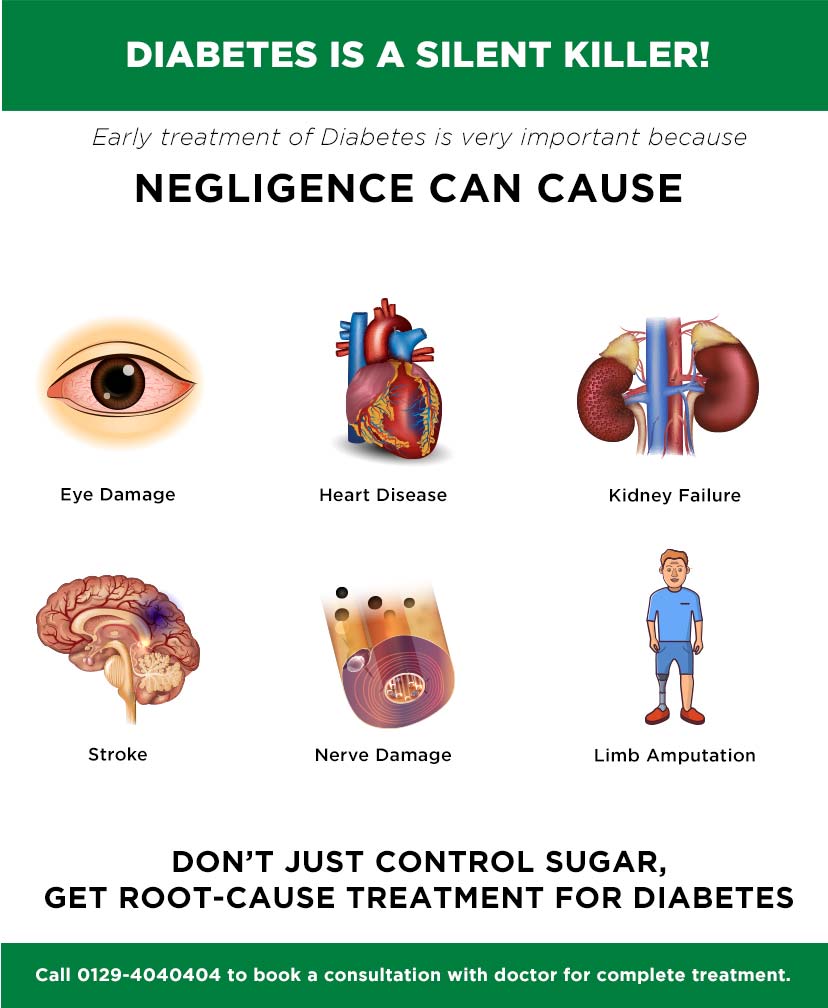
When the HbA1c is continuously high over time, this produces an effect of slow sedimentation in the body, as excessive sugar slowly destroys the structural integrity of the important systems. It usually happens silently and is within the tissues long before the symptoms manifest themselves. Since the blood is still syrupy, it starts to irritate and constrict small blood vessels, especially those that take blood to the nerves, kidneys, and eyes. This constant metabolic pressure may cause a loss of sensitivity in the limbs, decreased renal filtration capacity, and even changes in vision as the body attempts to deal with its own repair under the incessant stress of circulating glucose over the years.
Ayurveda’s Interpretation Of Rising HbA1c
Rising HbA1c in Ayurveda is an indication of Madhumeha, a disease in which the body's internal system has lost its rhythm. Rather than just seeing high sugar, Ayurveda looks at how your body transforms food into energy.
Weakened Agni (Digestive Fire): Visualize Agni as your digestive machine. When this fire is feeble or wavering, food is not wholly burned up to provide fuel. This weakness leads to the fact that sugar remains in the blood rather than being transformed into energy.
The Build-up of Ama: This food left undigested becomes Ama- a sticky, poisonous sludge. This mucus blocks the small channels in the body (srotas), literally preventing the absorption of sugar by your cells, and leaving your HbA1c levels continuing to rise.
Meda Dhatu (Fat Tissue) Dysfunction: In case of slowing of your lipid and fat metabolism (Meda), a layer of "metabolic fog" is formed. This makes insulin not work properly and results in abnormal buildup, which only makes your system slow further.
The Jiva Ayurveda Approach to Rising HbA1c
As long as your HbA1c keeps increasing, it means that the cause of the issue is still working. At Jiva Ayurveda, we do not simply work on the figures; we dig into your system and remove the root causes of the blockages that are maintaining your sugar levels high.
- Individual Diagnosis: We chart your own Prakriti (constitution) to see more accurately how your body handles energy. Using the measurement of your insulin resistance level, we develop a strategy that suits your biological rhythm.
- Root Cause Targeting: We apply genuine Ayurvedic recipes in order to revive your Agni (digestive fire). This is beneficial to regain the natural rhythm of your pancreas and makes your body start metabolising sugar effectively once again.
- Systemic Cleansing: Ama (sticky toxins) tends to block your cellular channels, leading to an elevated HbA1c. We concentrate on a comprehensive detox to clear these paths and enable your endocrine system to rest and do its work undisturbed.
- Restoring Balance: This is our intention to stop being on temporary relief. With the reinforcement of your digestive and metabolic systems, we will establish a lasting situation where the body will be able to sustain a healthy level of sugar and do so on its own.
Ayurvedic Herbs for Long-Term HbA1c Control
Nature offers powerful botanicals that can deal with HbA1c management, not merely offer a temporary solution. Jiva Ayurveda makes use of these time-tested herbs to treat metabolic stagnation, aiming to dissolve the long-term memory of sugar in the blood and body tissues.
- Gudmar (Gymnema Sylvestre): This herb, which functions on a cellular level, is referred to as the Sugar Destroyer. It can decrease the craving for sweets and assist the pancreas to keep a steady rhythm, which is crucial in lowering the 3-month average levels.
- Karela (Bitter Gourd): This potent cleansing agent has vegetal elements that resemble natural insulin. It can prevent the chronic sugar soak that elevates HbA1c by enhancing the utilization of glucose by your muscles and liver.
- Amla (Indian Gooseberry): Amla is rich in stable Vitamin C and antioxidants, which help your tissues to resist the oxidative stress of long-term high sugar. It aids in maintaining the blood clean and helps prevent damage to vital organs such as the kidneys and the eyes from sugar.
- Methi (Fenugreek): This type of seed is full of fiber and alkaloids that slow the digestion of carbohydrates. Methi is important in reducing the overall HbA1c percentage by flattening the post-meal spikes after several weeks.
Ayurvedic Therapies for Long-Term HbA1c Control
With persistent elevation in HbA1c, there tends to be an underlying congestion that cannot necessarily be corrected through diet alone. Physical treatments in Ayurveda become necessary to break down these accumulated impediments and allow the body to restore its natural ability to manage sugar content in the body.
- Udvartana (Herbal Powder Massage): This stimulating dry massage treatment utilizes friction to activate the lymphatic system. This particular form of massage is aimed at melting away the stagnant fat and toxins, or Meda dhatu and Ama, covering your cells to allow the body's "insulin receptors" to breathe again.
- Virechana (Clinical Detox): This guided detox process targets the two primary sources of metabolism in the body: the liver and the small intestine. As a result, all deep-seated impurities as well as excess heat in the system are released.
- Shirodhara (Nervous System Reset): This unique treatment involves constant pouring of warm medicated oil on the forehead. This helps regulate the "fight or flight" response, thus preventing excessive amounts of sugar release into the blood due to the cortisol hormone.
Diet Chart for Long-Term HbA1c Control
| Meal Category | Recommended Choices | Foods to Avoid |
| Breakfast | Warm barley or steel-cut oats; easy-to-digest, fiber-rich grains. | Refined flour (Maida), sugary cereals, and cold milk. |
| Lunch | Steamed millets (Bajra/Jowar), bitter greens, and mung dal. | Heavy, oily meals and excessive white rice. |
| Evening Snacks | Roasted seeds (pumpkin/sunflower), light sprouts, or herbal tea. | Biscuits, sugary snacks, and caffeinated drinks. |
| Dinner | Light soups (Bottle Gourd/Moong), early and warm meals. | Curd, heavy meats, and late-night heavy grains. |
How Patients Are Assessed at Jiva Ayurveda?
Our highly careful assessment focuses on identifying exactly why your unique internal environment is completely struggling to process sugar overnight without chemical aid. A totally complete picture helps our doctors enormously.
- Detailed Symptom Analysis: Investigating your specific metabolic patterns, including the exact severity of your morning thirst, absolute levels of waking fatigue, and the specific timing of your evening meals.
- Imbalance Identification: Confirming the extremely dominant imbalance, specifically noticing the highly heavy Kapha energy entirely freezing the internal organs and allowing dense liver fat to form.
- Nadi Pariksha: Examination of your exact pulse to check the highly specific level of tight toxic knots heavily blocking your deep pancreatic channels and exhausting your energy.
Our Step-by-Step Care Process
At Jiva Ayurveda, every single process of the highly customised treatment is carried out in an organised, heavily structured manner to give you the absolute best personalised experience safely.
- Share Contact Details: Reach out to us directly at 0129 4264323 to start the consultation process and get your severe invisible metabolic stagnation completely treated safely and effectively.
- Appointment Confirmation: An appointment with our highly experienced Ayurvedic doctors specialising in metabolic management is arranged quickly and entirely for your absolute, ultimate convenience.
- Clinic & Video Consultations: Visit our 80+ clinics or consult online at a discounted price of Rs. 49 to deeply understand your highly specific condition face-to-face.
Healing Timeline: Restoring Internal Balance
Weeks 1-4 (Removing Toxins): As your Agni begins to awaken, you start to notice an improvement in such early signs as fatigue after meals and extreme cravings for sugar as your body begins the cleansing process of removing the sticky Ama in your gut.
Months 3-6 (Detoxification Phase): This is the period when your HbA1c will finally start to decrease. Fatigue begins to subside since your cells are now able to absorb the insulin much better, and visceral congestion slowly dissolves away.
Months 6-9 (Establishing Metabolic Balance): Your metabolic fire is now fully stabilized. The spikes that are responsible for increasing your average values gradually disappear, and your body is once again able to self-regulate.
What Results Can You Expect?
The objective of Jiva Ayurveda therapy is to overcome the short-term process of "number correction" and ensure systemic health.
- Naturally Regulated Sugar: Your body starts coming back to normal sugar ranges thanks to the natural functioning of your pancreas and liver.
- Increased Vitality: You will experience increased morning energy without that usual tiredness and "brain fog" due to excessive sugar in the system.
- Nervous System Balance: Increased mental well-being through the reduction of cortisol levels, thus stopping the stress-triggered release of glucose into the bloodstream.
- Protection of the Tissues: Removing unnecessary amounts of glucose from your bloodstream ensures protection for your vision, kidneys, and nerve tissues from metabolic sediments.
Patient Testimonial
My name is Abhishek Mal, a 48-year-old research scientist from Uttar Pradesh. I was diagnosed with diabetes in 2014 after experiencing symptoms like frequent urination and weakening eyesight. Being a researcher, I was aware of the limitations of allopathic medicines and concerned about their long-term use, so I started looking for a holistic solution and turned to Jiva Ayurveda. At the Indirapuram clinic, I consulted Dr. Sandeep Srivastava and began the Diabetes Management Program. With regular monitoring, a personalized diet plan, and lifestyle modifications, I noticed steady improvement in my health. My HbA1c reduced from 8.5 to 5.5. Today, I feel much healthier and more balanced than before.
Estimated Cost of Treatment at Jiva Ayurveda
Understanding the financial investment required for your personal health is incredibly important. At Jiva Ayurveda, absolute transparency in service costs helps patients completely choose suitable, holistic options.
- Treatment Cost: For patients seeking standard, ongoing care for severe metabolic issues, the monthly cost of medicines and consultation typically ranges between Rs. 3,000 and Rs. 3,500.
- Protocol: Specialised package protocols include Medicine, Consultation, excellent mental well-being sessions, yoga guidance, Diet plan, and Therapy (Rs. 15,000 to Rs. 40,000).
- Jivagram: For highly intensive care, Jivagram offers an immersive, highly therapeutic 7-day wellness stay costing around Rs. 1 Lakh, providing absolute continuous personalised care entirely safely.
Why Patients Trust Jiva Ayurveda
Our method is centred around personalised, root cause-based treatment that works to heal the body from the inside out.
- Root Cause-Based Treatment: Our treatment strategy is to treat the root cause of the imbalance, not just the symptoms
- Customised Care Plans: Our patients receive personalised care plans that are tailored to their individual Prakriti (constitution), diet, and lifestyle.
- Protocol-Based Analysis and Treatment: Our treatment protocols are evidence-based, Ayurvedic approaches to treating hormonal and digestive imbalances.
- Authentic Medicines: Our Ayurvedic medicines are genuine and made in licensed facilities to ensure safety and efficacy.
- Proven Scale & Expertise: Our physicians have seen over 8,000 patients daily and have extensive experience in treating complex chronic diseases.
- High Success Rate: Our patients have seen significant improvements in their health, with over 90% reporting positive changes in their health.
- Reduced Dependency: 88% of our patients can significantly reduce or eliminate their dependency on conventional medications.
Modern vs. Ayurvedic Approach to HbA1c Management
| Aspect | Modern Approach | Ayurvedic Approach |
| Primary Focus | Lowers HbA1c using medications like metformin, insulin, and newer antidiabetic drugs | Corrects root metabolic imbalance by improving Agni and reducing Ama |
| Method | External drugs to control blood glucose levels | Herbs, detox therapies, and diet-based metabolic correction |
| Goal | Quick reduction of HbA1c to the target range | Long-term, stable metabolic balance and prevention of recurrence |
| Strategy | Medication adjustment or escalation over time | Panchakarma, herbal support, and lifestyle rebalancing |
| View of Condition | Biochemical glucose regulation disorder | Systemic metabolic imbalance (Madhumeha) |
| Lifestyle Role | Supportive add-on | Core part of treatment |
| Outcome | Fast control, often long-term dependency | Gradual improvement with deeper root correction |
When to Consult a Doctor?
While Ayurvedic management focuses on the root cause, certain "red flags" require an immediate medical check-in to ensure your safety:
- Persistent Rise: If HbA1c climbs across two consecutive tests (6 months) despite lifestyle changes.
- Daily Highs: Consistent fasting or post-meal readings that stay above your target range for over a week.
- New Symptoms: Sudden onset of blurred vision, extreme thirst, or frequent urination.
- Slow Healing: Noticing that minor cuts, sores, or bruises are taking an unusually long time to heal.
- Neuropathy: Any new tingling, burning, or numbness in the hands or feet.
- Recurrent Lows: Frequent episodes of dizziness, shaking, or cold sweats (hypoglycemia).
- Extreme Fatigue: Feeling completely exhausted or "crashed" despite getting enough rest.
Conclusion
Managing a rising HbA1c is a journey that moves beyond simple sugar suppression to true systemic restoration. By rekindling your Agni, clearing Ama, and adopting a disciplined Ayurvedic lifestyle, you can shift your body from metabolic fatigue back to natural balance and long-term vitality.
If your HbA1c levels are continuously rising or remain uncontrolled despite treatment, it is important to seek proper medical guidance. You can consult certified doctors at Jiva Ayurveda for personalized Ayurvedic treatment and lifestyle recommendations focused on metabolic balance and blood sugar management. Call today: 0129-4264323