 Published on
25 Jun, 2026
Published on
25 Jun, 2026 Updated on 25 Jun, 2026
 5113
5113Be honest. When was the last time you actually stepped away from a screen for more than five minutes? Not to check your phone. Not to switch from your laptop to the TV. Actually stepped away, looked at something far away and gave your eyes a proper break.
If you're struggling to remember, you are not alone. Most of us spend somewhere between 8 to 12 hours a day looking at screens. Work happens on a laptop. Meetings happen on a screen. Lunch breaks happen scrolling through a phone. Evenings happen watching something on a television or tablet. And somewhere in the middle of all that, your eyes are quietly working overtime without a single break.
And then the headache shows up. Or that dry, scratchy, heavy feeling behind your eyes. Or the blurred vision at the end of the day when you're trying to read something simple and your eyes just refuse to cooperate.
What Actually Happens to Your Eyes During Screen Time
When you look at a screen, a few specific things happen that don't happen when you're looking at, say, a tree or a person across a room. You blink significantly less. Normally humans blink around 15 to 20 times per minute. In front of a screen that drops to around 5 to 7 times per minute. Blinking is how your eyes stay lubricated. Less blinking means less moisture, which means dry, irritated eyes that feel like someone has sprinkled sand in them by 4pm.
Your eye muscles are constantly working to focus on a fixed close distance. Screen text and images require your eyes to maintain a very specific focal length for long periods. The muscles responsible for this, called the ciliary muscles, get fatigued just like any other muscle in your body would if you held the same position for hours without moving. The blue light emitted by screens causes additional strain, it also messes with your sleep when used at night.
Signs Your Eyes Are Telling You They've Had Enough
Most people push through these signals without realising they're signals at all.
- Dry, itchy or burning eyes: This is the blink rate problem in action. Your eyes are not getting enough moisture and they are letting you know about it. Rubbing them helps for about thirty seconds and then makes things worse.
- Blurred or slightly double vision: After long screen sessions, the ciliary muscles are so fatigued that focusing becomes genuinely difficult. Things look slightly soft or you have to squint to read something that should be easy. This usually resolves with rest but if it's happening regularly it deserves attention.
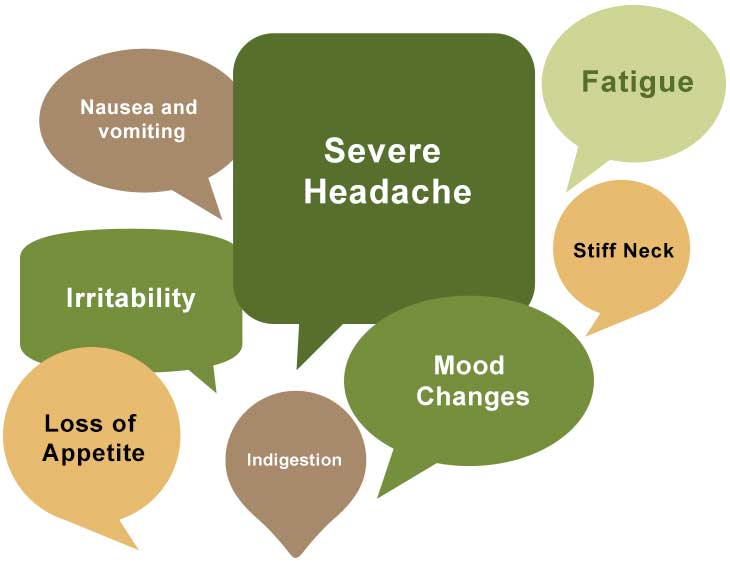
- Headaches at the front or sides of the head: Screen related headaches tend to show up around the eyes, temples or forehead. They often build gradually through the day and peak in the late afternoon. Many people take a painkiller and carry on without ever addressing the actual cause.
- Neck, shoulder and upper back pain: This one surprises people but it makes complete sense. Eye strain causes you to lean forward, squint and tense up through the neck and shoulders. Hours of that posture creates muscular pain that gets attributed to "sitting wrong" when the eye strain driving the posture is the actual root cause.
The 20-20-20 Rule: Simple and It Actually Works
There is one piece of advice around screen breaks that has genuinely stood the test of time and is backed by eye care professionals consistently.
Every 20 minutes, look at something 20 feet away for 20 seconds.
It works because it gives your ciliary muscles a chance to relax by shifting focus to a distant point. It encourages blinking. It breaks the fixed posture you've been holding. And it takes twenty seconds which means absolutely no excuse not to do it. The problem is nobody does it. Not because they don't know about it. Because there's nothing to remind them and the work feels too urgent to pause..
Beyond 20-20-20: Other Breaks Your Eyes Actually Need
The 20-20-20 rule handles micro breaks. But your eyes also need longer breaks built into the day.
- A proper 5 to 10 minute screen free break every 90 minutes to 2 hours: Get up. Walk around. Look out a window. Make chai. Do anything that doesn't involve a screen. This is not wasted time. This is the break that lets you come back sharper and more focused than if you'd just kept pushing through.
- A genuine lunch break away from your desk: Eating lunch in front of a laptop is one of the most common and most damaging modern habits. Your eyes get no break, your digestion suffers because your nervous system is still in work mode and you miss the mental reset that a proper break provides. Twenty minutes away from all screens during lunch makes a real difference to how you feel in the afternoon.
- No screens for the last hour before bed: We talked about this in the sleep blog but it bears repeating here from an eye health angle too. Your eyes need wind down time just as much as your brain does. Keeping screens going right until you close your eyes means your ciliary muscles never get to fully relax before sleep.
What Ayurveda Says About Eye Health
Ayurveda gives the eyes a very special place. In classical texts, the eyes are considered the seat of Pitta dosha, specifically Alochaka Pitta which governs vision and perception. When Pitta becomes aggravated, through excess heat, screen exposure, stress or too much stimulation, the eyes are among the first to show it. Burning, redness, sensitivity to light and inflammation are all classic signs of Pitta imbalance in the eyes.
Ayurveda has a rich tradition of eye care practices that are surprisingly relevant to modern screen related eye strain.
- Trataka: This is the practice of steady, unblinking gazing, traditionally at a candle flame. Done for a few minutes daily it strengthens the ciliary muscles, improves focus and trains the eyes in ways that directly counteract the scattered, rapidly shifting focus that screen use demands.
- Netra Tarpana: A traditional Ayurvedic eye therapy where warm medicated ghee is pooled around the eyes using a dough ring. It deeply nourishes and lubricates the eyes, relieves dryness and reduces inflammation. This is done by trained Ayurvedic practitioners and is genuinely therapeutic for chronic eye strain.
- Rose water eye wash: A simple home practice. Pure rose water used as a gentle eye rinse soothes irritated, dry eyes and cools Pitta. A few drops in each eye or a gentle rinse with an eye cup can be done at the end of a long screen day.
- Triphala eye wash: Triphala soaked in water overnight, strained carefully and used as an eye rinse is a classical Ayurvedic recommendation for eye health and clarity. It is deeply cooling and nourishing for tired eyes.
Your Workspace Setup Matters More Than You Think
Taking breaks is essential. But how your screen is set up determines how much strain you're building up between those breaks.
- Screen distance: Your screen should be roughly at arm's length from your face. Not closer. Most people sit too close and don't realise it.
- Screen height: The top of your screen should be at or slightly below eye level. Looking up at a screen for hours strains both the eyes and the neck.
- Brightness and contrast: Match your screen brightness to the ambient light in your room. A very bright screen in a dark room is particularly hard on the eyes. Most devices have an auto brightness setting. Use it.
- Anti-glare settings or filters: If your workspace has a lot of natural or artificial light hitting the screen, a matte screen protector or anti-glare filter reduces the additional strain from glare significantly.
Simple Daily Habits That Make a Real Difference
You don't need to overhaul your entire work life. Just a few consistent habits shift things meaningfully.
- Palm your eyes: Rub your palms together until they're warm and gently cup them over your closed eyes without pressing. Hold for 30 seconds. The warmth and darkness relaxes the eye muscles immediately. Do this every couple of hours.
- Blink consciously: Sounds strange but works. Set a reminder to blink properly every now and then. Full, deliberate blinks that fully close and reopen the eye. It re-lubricates the surface and gives a tiny but real moment of rest.
- Stay hydrated: Dehydration worsens dry eyes significantly. If you're not drinking enough water through the day, your eyes will tell you about it by 3pm. Keep a water bottle at your desk and actually use it.
- Get outside for at least 10 minutes daily: Natural light and the opportunity to focus on distant objects is genuinely restorative for eyes that spend all day at close range. Even a short walk outdoors makes a difference.
Final Thoughts
Your eyes are doing an extraordinary amount of work every single day and most of us give them almost no credit or care until something goes wrong.
Eye strain and screen headaches are not just minor inconveniences. They are your body clearly communicating that something needs to change. The good news is that the changes are not drastic. A twenty second break every twenty minutes. A proper lunch away from your desk. Some warm palming before bed. A rose water rinse at the end of the day.
Small things. Consistent things. Things that compound over time into eyes that feel genuinely better and a head that stops aching by Wednesday afternoon.
Your eyes have been working hard for you. Return the favour.
Reference Links
- National Health Portal of India on Eye Health https://www.nhp.gov.in/disease/eye
- Ministry of Health and Family Welfare, Government of India https://mohfw.gov.in/
- World Health Organization on Eye Care and Vision https://www.who.int/news-room/fact-sheets/detail/blindness-and-visual-impairment