 Published on
21 Jul, 2026
Published on
21 Jul, 2026 Updated on 21 Jul, 2026
 5087
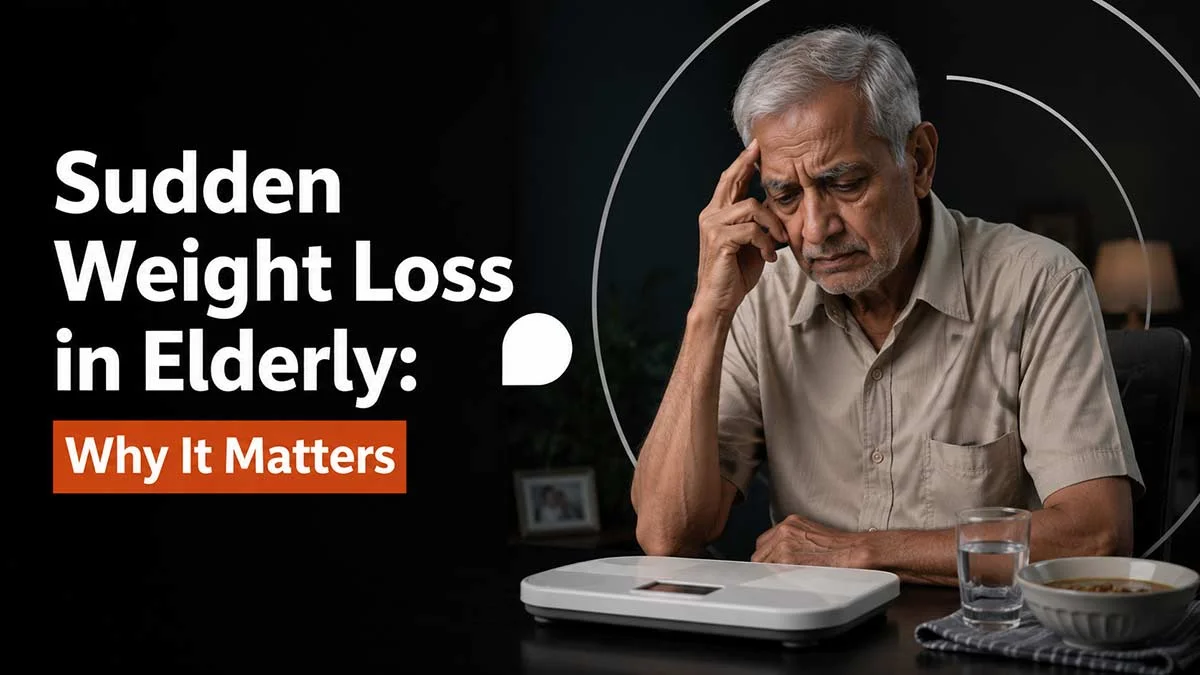
5087We have all been there. You visit an older parent or grandparent after a few months apart, and when you go in for a hug, they feel astonishingly fragile. You notice their watch strap is suddenly too loose, their collarbones are sharp, and their favorite shirt is hanging off their frame.
When you bring it up, they usually brush it off. "Oh, I'm just getting old, my appetite isn't what it used to be." We often nod along, accepting this as a normal part of aging. We think, "If they aren't complaining of pain, it must just be the natural course of life." But in our readiness to accept aging, we often ignore a fundamental truth. Gradual slowing down is normal, but rapid, sudden weight loss is never a natural part of growing old. It is a massive red flag.
The danger of brushing off sudden weight loss in our elders is that it leaves them vulnerable to severe frailty, bone fractures, and a collapsing immune system. If they aren't trying to lose weight, what exactly is happening inside their system? Let us break it down simply using the timeless wisdom our grandmothers relied on long before geriatric medicine existed.
Aging vs. Tissue Depletion
Before we talk about how to help them gain the weight back, we have to clear up a massive piece of confusion about what aging actually looks like.
It is true that in traditional Indian medicine, the later years of life (past age 60) are known as the Vata stage of life. Vata is the energy of wind and space; it is inherently dry, light, and mobile. This naturally causes skin to thin, joints to click, and sleep to become lighter.
However, natural Vata aging is very gradual. Sudden, visible weight loss is not aging; it is Dhatu Kshaya (severe tissue depletion).
When Dhatu Kshaya occurs, the body begins consuming its own vital tissues. It eats through the Meda (fat) and Mamsa (muscle) just to keep the basic organs functioning. Accepting this as "normal" is dangerous because once the muscle is gone, the bones (Asthi) lose their protective padding, leading to devastating falls.
The Dying Fire: When Food Fails to Nourish
If you watch them eat a full plate of food, but they are still losing weight, you are likely dealing with a broken metabolic furnace.
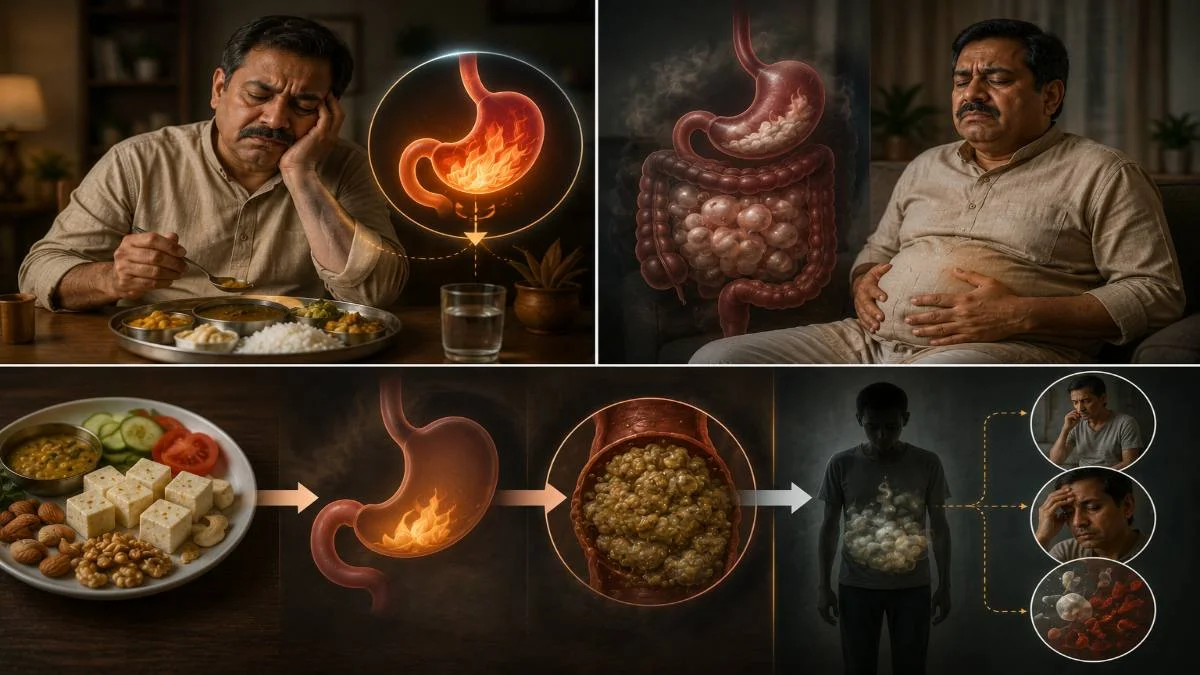
In Ayurveda, you are not just what you eat; you are what you can digest. The core digestive fire (Agni) naturally weakens as we age. When this fire turns into Mandagni (sluggish, low fire), the body can no longer extract nutrients from food.
- The feeling: They eat a meal but complain of feeling heavy, bloated, and lethargic for hours afterward, with no real energy gain.
- The reality: Even if you are feeding them healthy, heavy foods like paneer or raw nuts, their weak fire cannot process it. The food turns into sticky waste (Ama) rather than healthy tissue, meaning they are essentially starving on a cellular level despite having a full stomach.
The Emotional Toll: When the Mind Starves the Body
Sometimes, the root of sudden weight loss doesn't start in the stomach at all; it starts in the heart and the mind.
The connection between our emotions and our appetite is controlled by Sadhaka Pitta (the fire of the mind and heart). In the elderly, profound life changes, like the loss of a spouse, the quietness of an empty house, or the frustration of losing independence, can extinguish this emotional fire completely.
- The feeling: No desire for food; no pleasure in chewing, but food was chewed mechanically; refusal to eat because of a lack of interest in cooking for oneself; lack of purpose for eating.
- The reality: This is not a physical condition of inability to eat, but rather the suppression of Prana (life force) as a result of sorrow, loneliness, or silent depression. The body literally goes into a hibernation state because the mind is overstimulated.
Hidden Triggers You Might Be Ignoring
When someone in your family is losing weight, it's time to take a closer look at the environment around them instead of focusing on the food on their plate. Be aware of these hidden triggers:
- The Polypharmacy Trap: Taking 8 to 10 different prescription pills a day can completely alter their sense of taste, dry out their saliva, and destroy their natural appetite. Food suddenly tastes like cardboard or metal.
- Hidden Dental Pain: Ill-fitting dentures or silent gum disease make chewing incredibly painful. They will naturally start avoiding dense, calorie-rich proteins simply because it hurts to chew them.
- Dry, Hard Foods: Serving them the exact same dry rotis or raw salads that a 30-year-old eats will aggravate their internal Vata. Their bodies require soft, warm, liquid-heavy nourishment.
Traditional Kitchen Fixes for Nourishment

Not all of the time do we need to require synthetic protein shakes simply to rebuild lost pounds. We have ancient kitchens with powerful and old recipes that have a gentle effect on an old tummy and strengthen Ojas (vital immunity and strength).
- The Golden Khichdi: Replace dry grains with a warm, soupy Moong Dal Khichdi. Cooked until mushy and heavily drizzled with pure cow's ghee, this acts as pre-digested nourishment that lubricates the dry intestines and builds tissue without taxing the digestive fire.
- Ashwagandha Milk: For muscle wasting, a small pinch of Ashwagandha powder simmered in warm, full-fat milk with a date or two provides deep, grounding nourishment before bed.
- Almond and Saffron Tonic: Soaking and peeling 5 almonds, then blending them into warm water or milk with a strand of saffron, provides easily absorbable fats and helps gently stimulate the appetite.
Doctor’s Note
If your elderly loved one loses more than 5% of their body weight in less than 6-12 months without trying, you must take them to a physician immediately. Rapid, unexplained weight loss can be the very first symptom of underlying malignancies (cancer), hyperthyroidism, severe clinical depression, or early-stage dementia (forgetting to eat). You must rule out these serious medical conditions through proper allopathic screening before relying solely on kitchen remedies.
Conclusion
We spend so much time assuming our elders are just gracefully fading that we forget to look for the silent distress signals their bodies are sending. Just because they are older does not mean their bodies don't deserve and crave proper nourishment.
Their weight loss is a living, breathing message. It might be asking for softer, easier-to-digest meals, it might be begging for a review of their daily medications, or it might simply be a plea for some company at the dinner table. Listen to their bodies carefully. Honor the natural wisdom of their changing constitution, bring warmth and lubrication back into their meals, and remember that sometimes the most powerful medicine is just sharing a warm bowl of food together!
References:
An approach to the management of unintentional weight loss in elderly people - PMC
The danger of weight loss in the elderly - PMC