Diabetes, arthritis, skin disorders & more! Get a free consultation with Top Ayurveda doctors - +91 9266714040 | No travel, No waiting – Consult Jiva’s doctors from home via video call! | Get up to 10% OFF! On Authentic Ayurveda Products! Best Prices only on the brand store. Visit : www.store.jiva.com
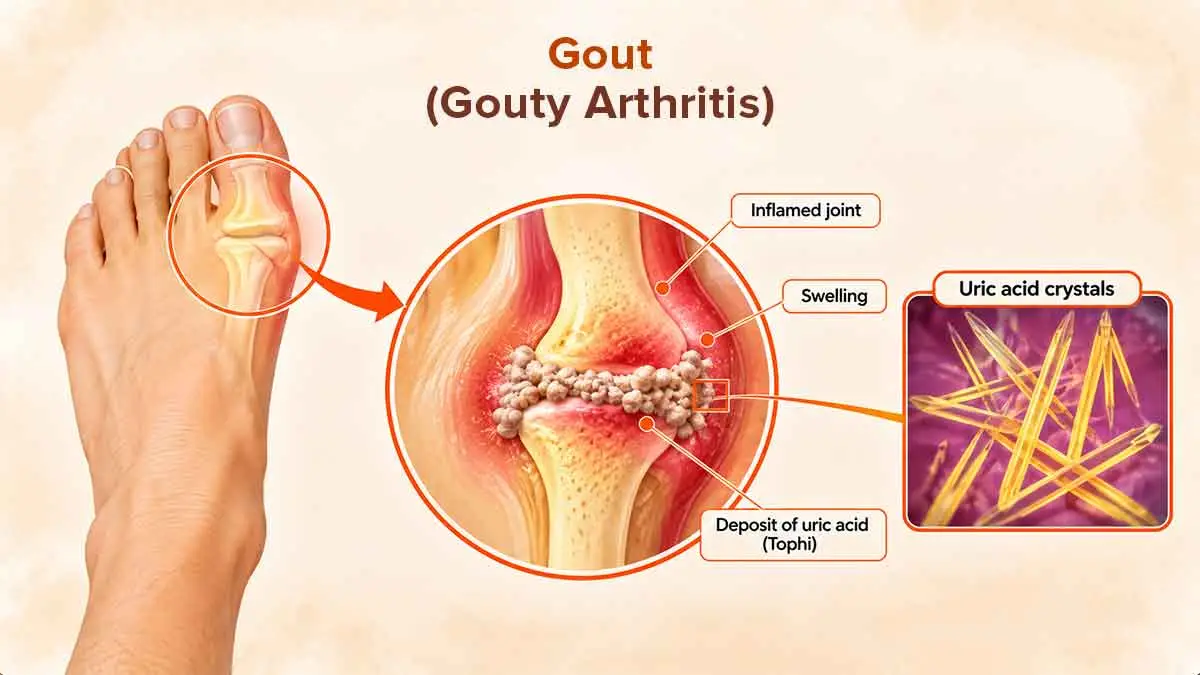
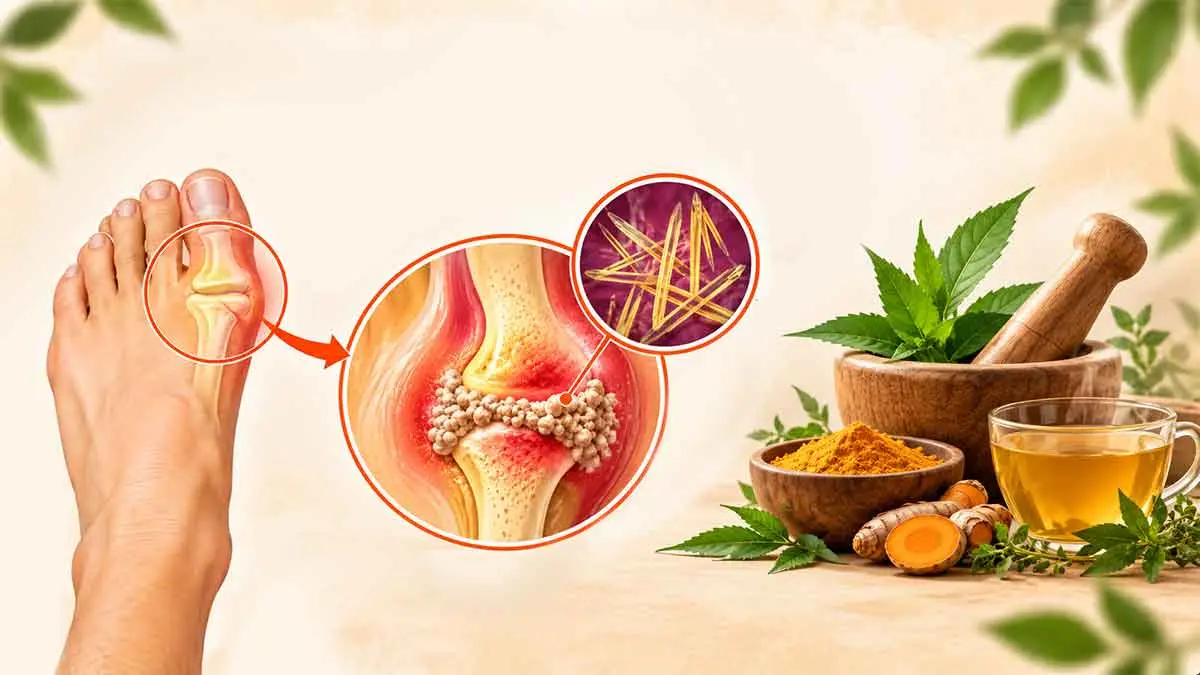
Gout is widely considered one of the most painful forms of arthritis, striking suddenly and fiercely, and often without any prior warning. If you have ever woken up in the middle of the night with a big toe that feels like it has been set on fire, you are unfortunately intimately familiar with this condition.
But Gout is much more than just an occasional, painful nuisance; it is a complex metabolic disorder deeply tied to how your body processes and eliminates a natural chemical substance called uric acid. Managing this condition requires a multifaceted approach that goes well beyond simply resting your foot or taking a painkiller during a severe flare-up.
Who Can Consider Ayurvedic Treatment for Gout?
Gout may make everyday activities uncomfortable; the treatment at Jiva Ayurveda focuses on assessing your symptoms, medical history, and daily routine before recommending personalised Ayurvedic care.
People who experience sudden and intense joint pain
It mostly affects the big toe of the foot, but it can still happen in any joint, including the ankles, knee, elbow, wirst nd fingers. Ayurveda management focuses on reducing this pain by treating the root cause through its personalized treatment approach.
People experiencing irritation, swelling, and redness
It causes swelling, tenderness, warmth, and redness in the affected joints. Ayurvedic care helps in reducing these symptoms through its internal medicines and therapies.
People who experience limited range of motion
Gout causes sudden flare-ups in the joints, which can reduce the mobility of the joint. Ayurveda treatment helps in increasing mobility through its lifestyle medicines and therapies.
People who experience discomfort that lasts for weeks
Gout can cause pain that lasts for days and even for weeks, which can cause a lot of discomfort in the affected joints. Ayurvedic care focuses on reducing this discomfort through a personalized treatment approach.
How Does Jiva Ayurveda Help in Gout Management?
In Ayurveda, gout is correlated with a systemic condition known as Vatarakta. This pathology is viewed as an intricate internal imbalance where aggravated Vata (the energy of movement and air) pushes impaired, toxin-laden Rakta (blood tissue) directly into the joint spaces, causing intense burning, severe swelling, and throbbing pain associated with the disease.
At Jiva Ayurveda, gout care focuses on understanding these root causes and recommending a personalised, inside-out healing plan.
Understanding Your Joint Pain and Daily Routine
Before recommending a treatment, the Jiva Ayurveda doctor will ask detailed questions to understand your specific condition:
How long have you been experiencing joint pain or stiffness?
Which joints are most affected (knees, fingers, ankles, big toe, or wrist)?
Is the pain worse in the morning, or does it increase with activity?
Do you experience swelling or redness in the affected joints?
What do you normally eat for breakfast, lunch, and dinner?
Are you currently taking any painkillers or anti-inflammatory tablets?
Do you have other conditions, such as severe acidity, constipation, or thyroid issues?
The doctor will also deeply assess your Prakriti (body constitution) and digestive fire (Agni). This helps create a care plan suited entirely to your health needs.
Ayurvedic Medicines Based on Your Health Condition
Ayurvedic practitioners recommend targeted herbal support to help manage your condition. Guduchi (Giloy) is celebrated in Ayurvedic texts for its ability to clear deep-seated toxins and support healthy immune function. Punarnava acts as a potent natural diuretic, traditionally used to support robust kidney health and safely flush out excess wastes. Resins like Shallaki (Boswellia) and Guggulu are frequently utilized for their powerful, natural anti-inflammatory properties to soothe chronically irritated joint tissues.
A Gout-Friendly Indian Diet
Diet plays an important role in managing conditions like gout. Certain food items are recommended to avoid and incorporate into your diet, which includes the following:
Include low-fat dairy products and drink enough fluid throughout the day.
Add whole grains, legumes, and plant-based protein to your plate
Add fruits and vegetables that have anti-inflammatory and antioxidant properties.
Avoid eating red meat, seafood, and organ meat.
Reduce the consumption of alcohol, sugary drinks, and sweets.
Gentle Movement and Better Lifestyle Habits
Your joints require gentle movement and better lifestyle habits to keep uric acid levels in check:
Practicing gentle, non-weight-bearing exercises like swimming or specific yoga stretches to maintain joint mobility.
Avoiding high-impact activities and heavy lifting.
Keeping your joints warm, especially during the winter or in air-conditioned rooms.
Applying prescribed Ayurvedic oils with gentle massage.
Regular Doctor Follow-ups
Gout is a serious condition that requires continuous care. Your doctor will regularly review your pain levels, mobility, diet, and overall progress during follow-up consultations. As your body changes and heals, your personalized supportive care plan will be carefully adjusted to ensure long-term relief.
Looking for personalized Ayurvedic support for gout?
Book a consultation with a Jiva Ayurveda doctor to discuss your symptoms, current medicines, and start your journey toward pain-free movement.
My self sandhya I was suffer with knee pain chronic case of gout got great result in 1 month special thanks to DR GARGI..... she treats me very well
Gout Symptoms
Ayurvedic Therapies For Gout Management
Ayurveda has certain therapies that address the pain and inflammation of gout, which include the following:
Virechana: This therapy helps in removing the toxins from the body and purifying the blood, which reduces the buildup of uric acid in the blood.
Basti: This therapy mainly targets the imbalance of Vata dosha, which helps in alleviating joint inflammation and improving blood circulation.
Abhyanga: It's a massage therapy where certain herbal o oils are used that enhance joint flexibility and reduce stiffness.
How We Assess Arthritis Patients at Jiva Ayurveda
At Jiva Ayurveda, the assessment focuses on identifying the root cause rather than just symptoms. The assessment includes:
Checking Your Natural Energy (Prakriti & Vikriti): Doctors check for imbalances in the internal energies Vata, Pitta, or Kapha, which can often be triggered by the wrong diet and lifestyle of a person.
Reading Your Pulse (Nadi Pariksha): They might gently feel the pulse on your wrist. In Ayurveda, pulse reading acts as a roadmap showing how the energies and fluids are moving inside your body.
Checking Your Digestive Fire (Agni): The doctor will ask you about your digestion. If your digestion is weak, then it can cause Ama buildup in your body.
Checking Your Strength (Bala): They will look at your overall strength and natural immunity to see how well your body can handle the healing process.
Reviewing Your Daily Habits: They will ask detailed questions about what you eat, when you eat, how you sleep, when you sleep, and your daily activities to find the hidden triggers causing you pain.
Your Gout Care Journey at Jiva Ayurveda
Step 1: Speak to a Jiva Ayurveda Doctor
Book a clinic or video consultation by calling +91 9266714040, depending on availability and your medical needs. Tell the doctor about your history, symptoms, and current treatment.
Step 2: Share Your Medical Reports
Share all the medical reports of your condition. Also share the names of the medicines you are taking.
Step 3: Get a Personalised Care Plan
Your doctor may suggest suitable Ayurvedic support, dietary changes, exercise, and lifestyle recommendations according to your health condition.
Step 4: Follow the Plan and Monitor Your Sugar
Follow the recommended routine and keep a simple record of your progress to discuss during the next consultation.
Step 5: Review Your Progress
During follow-ups, your doctor can review your reports, discuss any difficulties, and make suitable changes to your supportive care plan.
Gout management is a long-term process, and regular monitoring remains important.
What Improvements Can You Work Towards During Gout Management?
Ayurvedic treatment for gout doesn't only focus on reducing the symptoms but also on long-term healing and treating the root cause:
Reduced Joint Pain: You may see noticeable improvement in the sudden, intense pain that used to happen in the big toe, knee, or in your ankle.
Improvement in Swelling & Redness: The swelling and redness, and the feeling of warmth to the touch, also reduced in the affected joint.
Reduced Stiffness & Discomfort: Improvement in the stiffness and movement of the joint. Also, reduction in discomfort due to pain in the joint that lasts for several days or weeks.
Decrease in Uric Acid Level In The Body: The uric acid levels also get balanced in the body through dietary and lifestyle modification.
Reduction in Flare-Ups: The sudden onset of flare-ups can also be stopped through treatment.
Which Tests and Reports Should You Bring for Gout Consultation?
If you've had gout symptoms for several weeks or months, bringing previous medical reports can help the doctor understand your condition.
Depending on your symptoms, useful reports may include:
Blood Test
It helps check the level of uric acid in your blood, and high uric acid levels don't always mean that it is gout.
X-Ray
Joint X-Rays can help in ruling out other causes of joint swelling and irritation.
Ultrasound
This test uses sound waves to find urate crystals in joint cartilage that may form under the skin, called tophi.
Dual-Energy Computed Tomography (DECT)
This test uses X-rays from different angles to see urate crystals in joints.
Joint Fluid Test
A needle is inserted to take fluid from your affected joint and is examined under a microscope.
How to Manage Gout in Daily Life
Managing gout in your daily life involves certain important changes in your daily routine, whic which include the following:
Balancing Body Weight
Maintain a healthy weight, as a balanced body weight lowers uric acid levels and reduces joint stress.
Applying Ice Pack
Gently applying an ice pack wrapped in a cloth on the swollen joints for 15-20 minutes helps reduce the numbness and inflammation.
Limit Alcohol Intake
Avoiding alcohol such as beer and spirits can help reduce uric acid levels and trigger gout attacks.
Elevate The Affected Joint
Elevating the affected joint helps reduce swelling and promote better blood circulation during flare-ups.
Stay Hydrated
Drinking plenty of water daily helps flush out excess uric acid from the body and supports kidney function.
Red Flags To Watch Out For
Many warning signs should not be ignored; consult an Ayurvedic doctor if you experience any of the red signs mentioned below:
Sudden, unbearable joint pain.
The joints become red, swollen, or warm.
Reduced and limited movement in the joints.
Fever along with joint inflammation, which can be a sign of infection.
Estimated Cost of Treatment for Gout at Jiva Ayurveda
Knowing how much your treatment will cost is important. At Jiva Ayurveda, we keep our pricing clear and upfront so you can choose the right plan for your health according to your needs.
Treatment Cost
If you are looking for regular, ongoing support, the starting cost for your medicines and doctor's consultation is usually between Rs 3000 and Rs 3500. Just keep in mind that this is just the baseline cost; the real cost may vary depending on the severity of the disease.
Protocol
For a deeper step-by-step approach, we offer specific healing packages that last for 3 to 4 months. You make a one-time payment ranging from Rs 15000 to Rs 40000 for the entire period.
The package includes:
All medicines and doctor visits
Hands-on physical therapy
Customized diet plans, Yoga and meditation therapies
Mental well-being support session
Why You Should Choose Jiva Ayurveda
Jiva Ayurveda provides customised and root-based Ayurvedic treatment that is primarily focused on providing health and wellness solutions for specific patients.
Patient-specific treatment: Jiva’s therapy and treatments are structured by professional doctors for unique prakriti, diet, and lifestyle.
Root-based Treatment: Jiva focuses on the specific root cause of the health condition or disease rather than focusing only on formal medicines; we focus on the internal problem.
Authentic Ayurvedic medicines: Jiva provides authentic Ayurvedic medicines; we follow strict quality parameters to ensure safety and effectiveness.
Protocol- based Analysis: We follow research-backed clinical methods to provide structured assistance to our patients.
Assist 8000+ patients every single day: Jiva's doctors are specialised in a wide range of Ayurvedic healthcare, and every single day we assist more than 8000 people.

 Published on 10 Dec, 2019
 Updated on 19 Nov, 2026