
Successful Treatments
Clinics
Doctors
Ayurvedic treatment for Gout
 Published on 10 Dec, 2019
 Updated on 05 Oct, 2026

What The Condition Is In Simple Language
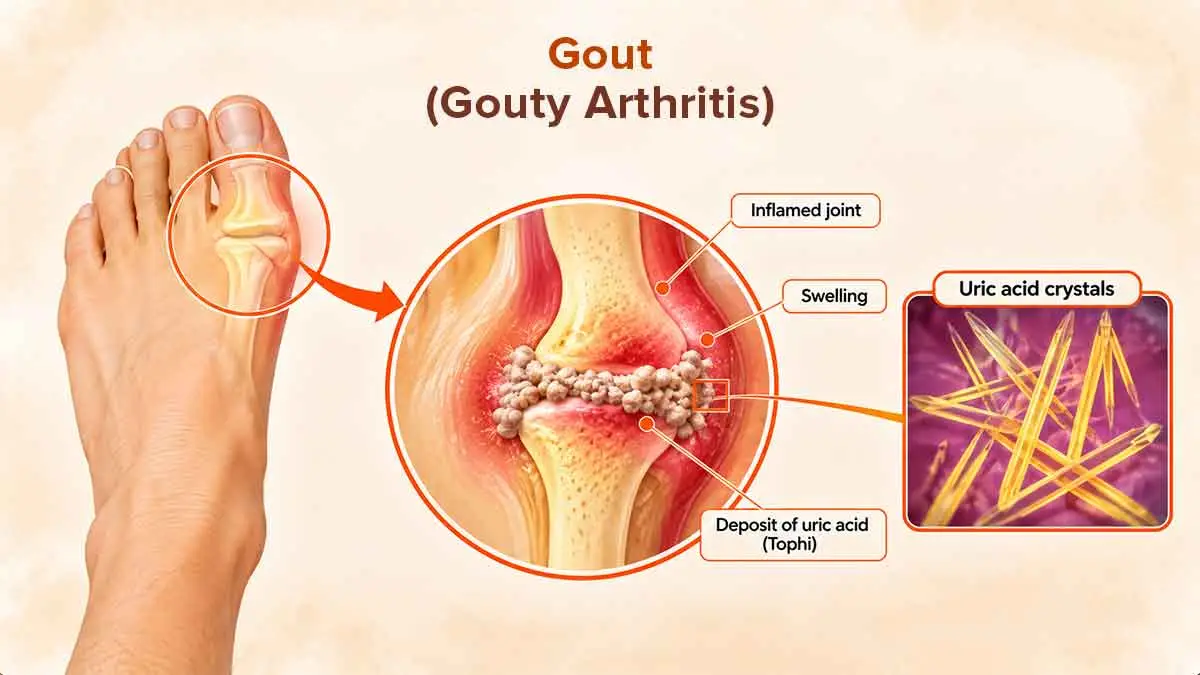
Gout is widely considered one of the most painful forms of arthritis, striking suddenly and fiercely, and often without any prior warning. If you have ever woken up in the middle of the night with a big toe that feels like it has been set on fire, you are unfortunately intimately familiar with this condition. But Gout is much more than just an occasional, painful nuisance; it is a complex metabolic disorder deeply tied to how your body processes and eliminates a natural chemical substance called uric acid.
Successfully managing this condition requires a multifaceted approach that goes well beyond simply resting your foot or taking a painkiller during a severe flare-up.
Who May Be Affected
While it can technically affect anyone, it has clear demographic preferences based on biology, age, and lifestyle. Historically nicknamed the “disease of kings” due to its association with rich foods and excessive alcohol, we now know gout is primarily driven by genetics, metabolic health, and an aging population.
- Men are vastly more likely to develop gout than women, or gout is more common in men and tends to affect people as they age.
- People who are overweight or have obesity produce more uric acid and have a harder time clearing it.
- Regular consumption of alcohol (especially beer), sugary drinks, and purine-rich foods increases risk.
- Individuals with high blood pressure, diabetes, metabolic syndrome, or chronic kidney disease face higher risks.
Beyond biological sex, people living with metabolic syndrome are highly vulnerable if they struggle with high blood pressure, insulin resistance, type 2 diabetes, and obesity or elevated cholesterol; your risk of developing gout skyrockets. Additionally, family history plays a massive role; your genetic predisposition largely dictates how efficiently your kidneys can manage and excrete uric acid over your lifetime.
Main Symptoms And Patterns
A gout flare typically strikes without warning, often waking you in the middle of the night. The affected joint becomes severely swollen, red, and hot to the touch and exquisitely painful; even the weight of a bedsheet can feel completely unbearable. While the big toe is the most famous target, the ankles, knees, and wrists are also common victims. Flares usually peak within 12 to 24 hours and can take days to subside.
Types or Stages
Different stages of gout disease occur at various periods. The first stage involves asymptomatic hyperuricemia, which occurs when uric acid levels are high and do not cause any pain to the body. The second stage involves an acute gout attack, which leads to inflammatory pain and is followed by an intercritical period, which is the symptom-free stage before another gout attack occurs.
Causes And Risk Factors
Gout is primarily caused by hyperuricemia, which results from an increase in uric acid production and poor excretion of uric acid in the body. The most important organ in the body in this regard is the kidney, which fails to remove uric acid efficiently from the body. Other secondary causative agents contribute to this problem.
How Diagnosis Works
A proper diagnosis of gout includes differentiating it from other joint problems like rheumatoid arthritis or pseudogout. For a definitive diagnosis, a test on joint fluid should be carried out through extraction of the fluid in order to detect urate crystals. Blood tests are done to measure levels of uric acid in the body. Imaging tests such as dual-energy CT scans and ultrasound images are done to identify urate crystals underneath the skin before any joint damage.
Diet and Drinks for Gout Management
Managing gout relies heavily on what you consume daily. Sugary beverages containing high fructose corn syrup and alcohol, especially beer, are massive triggers that actively block uric acid excretion.
Conversely, staying highly hydrated with water, drinking moderate amounts of coffee, and incorporating vitamin C or tart cherries can help your kidneys flush out acid.
Treatment And Self-Care Overview
Effective gout treatment is a two-part strategy: stopping the current attack and preventing the next one. Acute flares demand rapid anti-inflammatory action using NSAIDs, colchicine, or corticosteroids. Long-term management relies on daily urate - lowering therapies, such as allopurinol, to keep uric acid safely dissolved. Self - care during an attack includes elevating the joint, applying ice packs, and aggressively hydrating to help the body flush out irritating crystals.
Gout Symptoms
Severe joint pain
Typically affects the big toe but can occur in other joints like ankles, knees, elbows, or wrists.
Swelling and redness
The affected joint may swell, become red, and feel warm to the touch.
Limited mobility
Due to pain and inflammation, movement in the affected joint becomes restricted.
Fever
In some cases, people may experience mild fever along with joint pain.
Lingering discomfort
After an acute gout attack, mild joint discomfort may persist for days or weeks.
Ayurvedic Support: Realistic Role And Limits
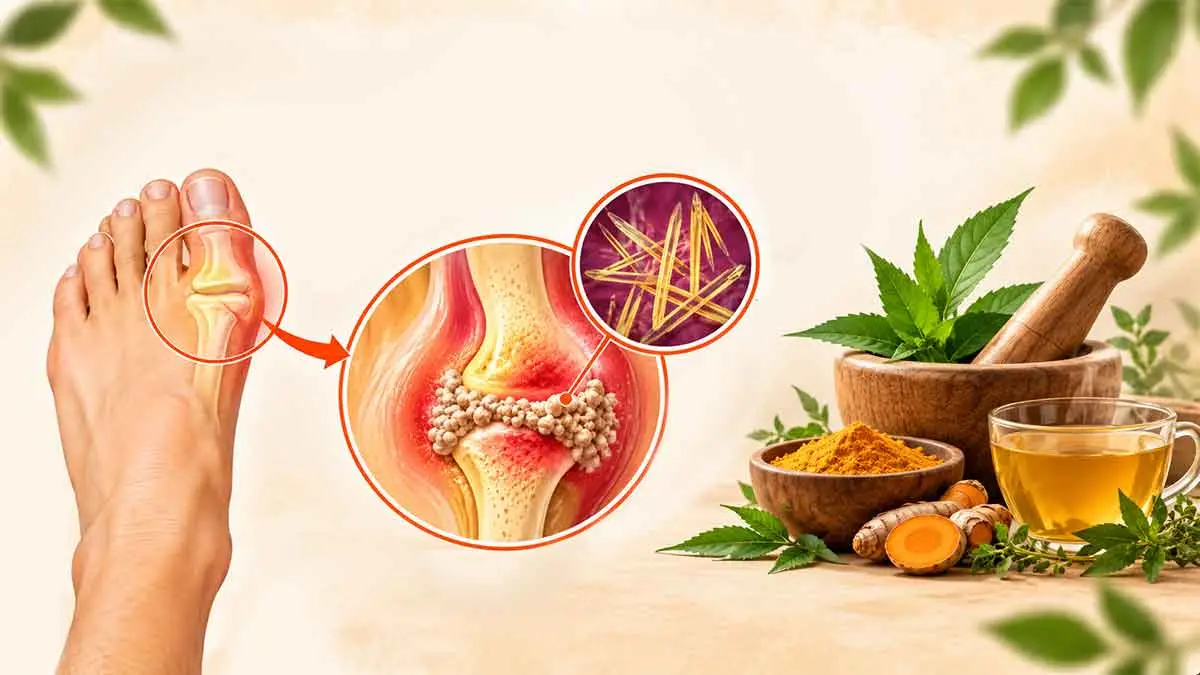
In traditional Ayurveda, gout is most closely correlated with a systemic condition known as vatarakta. This pathology is viewed as an intricate internal imbalance where aggravated vata ( the energy of movement and air ) pushes impaired, toxin-laden Rakta (blood tissue) directly into the joint spaces, causing intense burning, severe swelling, and throbbing pain associated with the disease.
Unlike Western medicine, which focuses heavily on the joint itself during a flare, Ayurvedic management looks at the entire metabolic and digestive system. It views chronic uric acid accumulation as a direct result of impaired digestive fire (Agni) and the subsequent buildup of metabolic toxins (Ama). Practitioners frequently recommend targeted herbal support to help manage this metabolic stress. Guduchi (Giloy) is celebrated in Ayurvedic texts for its ability to clear deep-seated toxins and support healthy immune function. Punarnava acts as a potent natural diuretic, traditionally used to support robust kidney health and safely flush out excess wastes. Resins like Shallaki (Boswellia) and Guggulu are frequently utilized for their powerful, natural anti-inflammatory properties to soothe chronically irritated joint tissues.
The Realistic Limits
It is critically important to approach Ayurveda for gout with highly realistic expectations. Ayurvedic herbs are exceptional tools for long-term metabolic support, digestion optimization, and gentle daily inflammation management. However, they do not replace fast-acting allopathic medicines during a severe, acute flare-up. If you are experiencing a level 10/10 pain attack, relying solely on herbal teas or mild powders will leave you in prolonged agony and needlessly risk permanent joint damage. Furthermore, Ayurveda cannot rapidly dissolve large, chronic tophi (chalky crystal deposits) that have taken decades to form. The smartest approach is strictly integrative.
Complications And Red Flags
Unmanaged gout is not just a joint issue; it is a systemic threat. Chronic high uric acid can lead to severe joint issues; it forces the kidneys to work overtime, significantly increasing the risk of painful kidney disease. These are some of the early signs that you might have an infected joint and will require urgent medical attention. It is not easy dealing with gout, particularly when you get a painful attack from it. But having some basic information about it makes the disease quite manageable.
Estimated Cost of Treatment for Diabetes at Jiva Ayurveda
Knowing how much your treatment will cost is important. At Jiva Ayurveda, we keep our pricing clear and upfront so you can choose the right plan for your health according to your needs.
Treatment Cost
If you are looking for regular, ongoing support, the starting cost for your medicines and doctor's consultation is usually between Rs 3000 and Rs 3500. Just keep in mind that this is just the baseline cost; the real cost may vary depending on the severity of the disease.
Protocol
For a deeper step-by-step approach, we offer specific healing packages that last for 3 to 4 months. You make a one-time payment ranging from Rs 15000 to Rs 40000 for the entire period.
The package includes:
- All medicines and doctor visits
- Hands-on physical therapy
- Customized diet plans, Yoga and meditation therapies
- Mental well-being support session
Why You Should Choose Jiva Ayurveda
Jiva Ayurveda provides customised and root-based Ayurvedic treatment that is primarily focused on providing health and wellness solutions for specific patients.
- Patient-specific treatment: Jiva’s therapy and treatments are structured by professional doctors for unique prakriti, diet, and lifestyle.
- Root-based Treatment: Jiva focuses on the specific root cause of the health condition or disease rather than focusing only on formal medicines; we focus on the internal problem.
- Authentic Ayurvedic medicines: Jiva provides authentic Ayurvedic medicines; we follow strict quality parameters to ensure safety and effectiveness.
- Protocol- based Analysis: We follow research-backed clinical methods to provide structured assistance to our patients.
- Assist 8000+ patients every single day: Jiva's doctors are specialised in a wide range of Ayurvedic healthcare, and every single day we assist more than 8000 people.
Patient Story - Niwas Sharma
“I faced difficulty while working due to pain and swelling in the joints of my hands. I met several doctors, but couldn't get any relief. Then I thought of taking Ayurveda treatment and visited Jiva Ayurveda's clinic. The doctor took a detailed consultation, explained the root cause of my problem and prescribed a treatment pack which helped relieve my condition. Thanks, Jiva!”
Our Step-by-Step Care Process
When you come to Jiva Ayurveda, we want your healing journey to feel simple, personal, and completely stress-free. Here is exactly what you can expect when you start your treatment with us :
- Get In Touch: Leave your details with us or just give us a call directly on +91 9266714040.
- Book Your Slot: Meet our doctors at your convenience by visiting one of our 80+ clinics nationwide, or booking a video call for just Rs. 49 (down from 299).
- Finding the Root Cause: Our doctors assess the factors contributing to your condition, including the type, medical history, lifestyle, and Ayurvedic assessment.
- A Personalized Treatment Plan: After understanding your problem, we will make a personalized treatment plan that will be tailored just for you.
- We Stay With You: The process is not only about giving you the medicines and leaving you. We stay in touch with you to see how you are doing and adjust your treatment regimen accordingly.
Conclusion
Gout is a manageable condition when addressed early with proper care and lifestyle changes. By reducing uric acid buildup, supporting joint health, and following a balanced diet, long-term relief is possible.
If you are experiencing recurring joint pain, swelling, or other symptoms of gout, you can consult qualified Jiva doctors for a personalised Ayurvedic treatment plan
References
FAQs
Applying a cold compress and elevating the affected joint can provide immediate relief, along with hydration to flush out uric acid.
Yes, a low-purine diet can significantly reduce the risk of gout flare-ups. Avoid red meat, seafood, and alcohol.
Guggul, Giloy, and Turmeric are effective in reducing inflammation and lowering uric acid levels.
If untreated, gout can lead to chronic joint pain and permanent damage, leading to conditions like gouty arthritis.
Genetics can play a role in the development of gout, especially if there is a family history of elevated uric acid levels.
Avoid red meat, organ meats, shellfish, and alcohol as they are high in purines, which can exacerbate gout.
Yes, dehydration can increase uric acid concentration in the blood, triggering a gout attack.
Low-impact exercises like swimming and yoga can help maintain joint flexibility and reduce the risk of flare-ups.
Ayurveda focuses on balancing doshas and detoxifying the body, addressing the root cause of gout rather than just managing symptoms.
While gout cannot be completely cured, Ayurvedic treatment for gout helps manage symptoms, reduce flare-ups, and prevent long-term joint damage effectively.
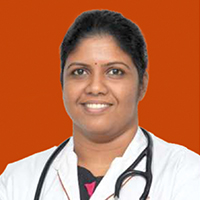
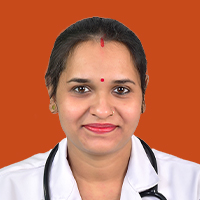
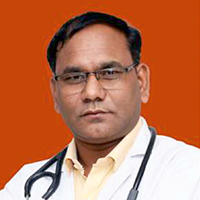
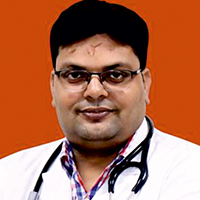
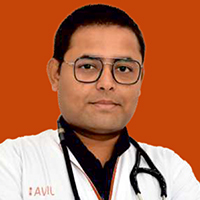
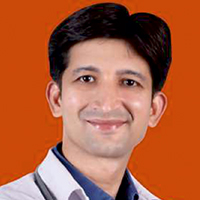
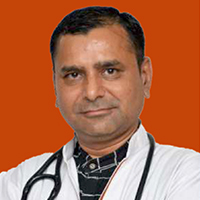
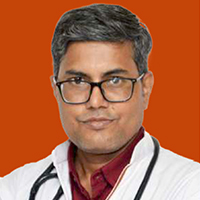
Consult Experienced Ayurveda Doctors for gout





Our Happy Patients
-
 Sunita Malik - Knee Pain
 -
 Abhishek Mal - Diabetes
 -
 Vidit Aggarwal - Psoriasis
 -
 Shanti - Sleeping Disorder
 -
 Ranjana - Arthritis
 -
 Jyoti - Migraine
 -
 Renu Lamba - Diabetes
 -
 Kamla Singh - Bulging Disc
 -
 Rajesh Kumar - Psoriasis
 -
 Dhruv Dutta - Diabetes
 -
 Atharva - Respiratory Disease
 -
 Amey - Skin Problem
 -
 Asha - Joint Problem
 -
 Sanjeeta - Joint Pain
 -
 A B Mukherjee - Acidity
 -
 Deepak Sharma - Lower Back Pain
 -
 Vyjayanti - Pcod
 -
 Sunil Singh - Thyroid
 -
 Sarla Gupta - Post Surgery Challenges
 -
 Syed Masood Ahmed - Osteoarthritis & Bp
Diagnostic Marker
Blogs
- What is Gout? Causes and home treatment
- Are you suffering from Gout pain? Try these 5 natural home remedies
- List Of Foods To Avoid With Gout & Why
- Ayurvedic Approach to Gout Home Remedies in India
- सर्दियों में यूरिक एसिड और गाउट क्यों बढ़ते हैं? आयुर्वेद से जानिए दर्द से राहत का प्राकृतिक तरीका
- गाउट में बार-बार दवाइयाँ लेने से किडनी पर क्या असर होता है? और आयुर्वेद कैसे राहत देता है
- Gout के मरीज़ को किन चीजों से तुरंत सावधान हो जाना चाहिए?
- Uric Acid Test Normal आया पर Joint Pain बना हुआ है — Pseudo-Gout हो सकता है
- Gout Attack बार-बार क्यों लौटता है जबकि दवा चालू है? असली Trigger समझिए
- क्या सिर्फ खान-पान से uric acid control हो सकता है? पूरा सच जानिए
Home Remedies
Related Disease
- Ayurvedic Treatment for Ankylosing Spondylitis
- Ayurvedic Treatment For Cervical Spondylosis
- Ayurvedic Treatment For Arthritis
- Ayurvedic Treatment for Osteoarthritis
- Ayurvedic treatment for Gout
- Ayurvedic Treatment for Sciatica
- Ayurvedic Treatment for Rheumatoid Arthritis
- Ayurvedic Treatment for Frozen Shoulder
- Ayurvedic Treatment for Deep Vein Thrombosis (DVT)
- Ayurvedic Treatment for Achilles Tendon Disorders
- Ayurvedic Treatment for Rickets
- Ayurvedic Treatment for Ganglion Cyst
- Ayurvedic Treatment for Osteoporosis
- Get Ayurvedic Treatment for AVN Avascular Necrosis
- Get Ayurvedic Treatment For Osteomyelitis
- Cerebral Palsy Treatment in Ayurveda
Latest Blogs
- पीरियड्स से पहले Salty Food की Craving क्यों बढ़ सकती है?
- Can Ancient Dinacharya Be Practical For A Desk-Job Lifestyle?
- Why One ‘Perfect Breakfast’ Cannot Work For Every Body
- Mindful Eating नया Wellness Trend है या Ayurveda में यह Idea पहले से मौजूद था?
- Can Too Little Sleep Make Sugar Cravings Feel Stronger
- Seasonal Eating: Where Modern Nutrition And Ayurveda Meet
- हर चीज़ का health data track करना कब useful से obsessive बन सकता है
- Can Sleeping In An Overcooled Room Leave You Feeling Stiff In The Morning?
- Why Hair, Skin and Energy Often React to Aggressive Dieting
- बच्चों में weekend sleep timing बदलना Monday mood को कैसे प्रभावित कर सकता है
- Is Fasted Intense Exercise a Good Idea for Every Woman
- Health Tracking Every Hour: Helpful Awareness Or Another Source Of Stress?
- फोन देखते हुए चलना सिर्फ accident risk नहीं—posture और breathing पर क्या असर पड़ता है
- Bloating Before a Period: Why Lifestyle Can Change How It Feels
- बहुत जल्दी खाना खाने से पेट भरने का signal देर से क्यों मिलता है
- ‘No Added Sugar’ Doesn’t Automatically Mean Low Sugar—Here’s Why
- Online meetings के बीच zero movement दिन के अंत में stiffness क्यों बढ़ाता है?
- Screen brightness और late-night work sleep readiness को कैसे बदलते हैं
- Warm Vs Cold Foods: How To Discuss The Ayurvedic Idea Without Turning It Into A Myth
- Noise-cancelling headphones घंटों पहनना mental fatigue को कम करता है या बढ़ा सकता है?
Ayurvedic Doctor In Top Cities
- Ayurvedic Doctors in Bangalore
- Ayurvedic Doctors in Pune
- Ayurvedic Doctors in Delhi
- Ayurvedic Doctors in Hyderabad
- Ayurvedic Doctors in Indore
- Ayurvedic Doctors in Mumbai
- Ayurvedic Doctors in Lucknow
- Ayurvedic Doctors in Kolkata
- Ayurvedic Doctors in Patna
- Ayurvedic Doctors in Vadodara
- Ayurvedic Doctors in Ahmedabad
- Ayurvedic Doctors in Chandigarh
- Ayurvedic Doctors in Gurugaon
- Ayurvedic Doctors in Jaipur
- Ayurvedic Doctors in Kanpur
- Ayurvedic Doctors in Noida
- Ayurvedic Doctors in Ranchi
- Ayurvedic Doctors in Bhopal
- Ayurvedic Doctors in Ludhiana
- Ayurvedic Doctors in Dehradun