 Published on
21 Sep, 2026
Published on
21 Sep, 2026 Updated on 21 Sep, 2026
 5039
5039Have you ever noticed that the food kept on the kitchen counter spoils faster than on other days? Maybe the dal you cooked and kept overnight will be fine on winter days and will start to smell after a few hours on summer days, or even the bread or other fruits will spoil if the weather is hot or humid.
It is not just a myth. Weather and climate conditions can really affect the food in the kitchen.
Temperature and moisture go hand in hand and are responsible for how bacteria, mould, and yeast grow. When the environment becomes hot and humid, the microorganisms can multiply quickly, which can shorten the lifespan of a variety of foods.
Why Does Warmth Make Food Spoil Faster?
In warm conditions, most of the microorganisms grow more comfortably. If the food is at room temperature, especially in a humid kitchen, bacteria can multiply faster in such an environment.
This can happen faster with food that has moisture and nutrients, such as rice, dal, fruits, dairy products, and leftovers.
The shelf life of food can be reduced, meaning it will stay fresh for a shorter period of time in a warmer environment, but it will not make the food unsafe.
This is why the food kept on the kitchen countertop will look fresh in the morning but can smell, taste, or feel different when the temperature is different or high.
What Does Humidity Have To Do With It?
The amount of moisture increases when there is humidity. Humidity alone is not responsible for spoiling the food. It can create an environment that would support the growth of moulds and microorganisms, particularly on the food exposed to air.
You may notice this with:
* Bread developing mould sooner
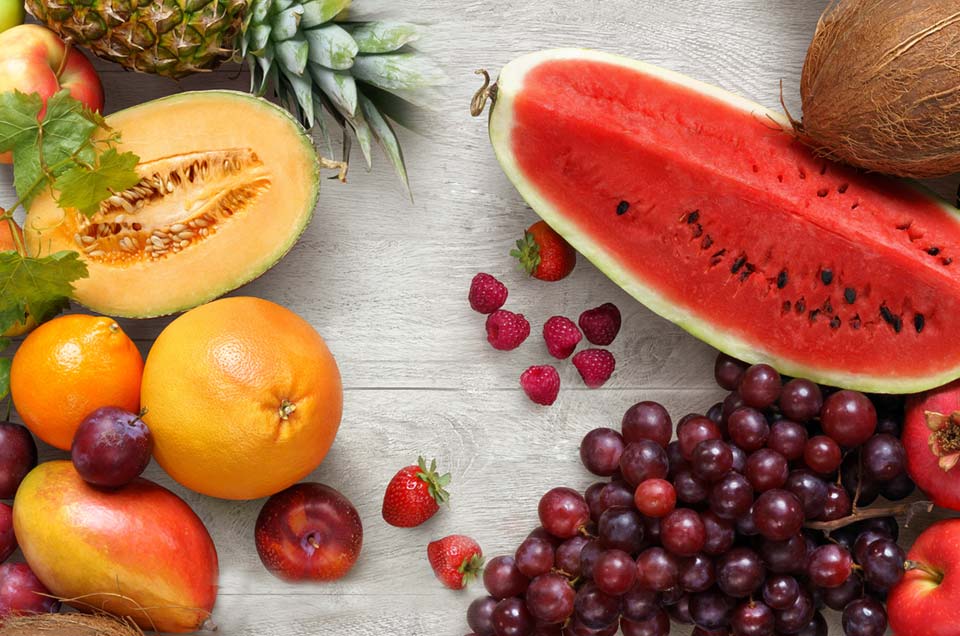
* Fruits becoming soft or developing spots
* Vegetables becoming limp or developing fungal growth
* Spices and dry ingredients clumping
* Biscuits and snacks losing their crisp texture
The area of kitchen surfaces and storage areas stays damp due to humidity. Poorly dried containers: moisture trapped inside the boxes or on wet shelves creates an environment where microbes grow.
Why Some Foods Spoil Faster Than Others
All food do not respond to the humid, intense environment in the same way as others.
There is better growth for the microbes in this environment, especially with this high moisture. Cooked food that is cooked has a ratio of getting spoiled quickly because cooking changes the structure and makes nutrients more accessible.
For example, cooked rice or vegetable gravy can be spoiled very easily than dry grains and vegetables.
The way the food is stored matters as well; there are always instructions provided on the back of a packet on how it should be stored so that it stays fresh for a long time.
Your Kitchen Habits Can Make A Difference
You don’t need to completely change your kitchen routine during humid weather. A few simple habits can help.
Avoid leaving cooked food out for long periods. Refrigerate perishable leftovers promptly rather than keeping them on the counter for hours.
Let food cool appropriately before refrigerating. Instead of leaving a large pot sitting out for a long time, divide leftovers into smaller, shallow containers so they can cool and refrigerate more efficiently.
What Does Ayurveda Say About This?
Ayurveda traditionally places importance on freshly prepared food, proper digestion, and eating according to the season. The concept of Agni (digestive fire) is central to Ayurvedic thought, and food that is fresh, properly prepared, and suitable for the individual is generally preferred.
Ayurvedic practices also emphasise cleanliness in food preparation and avoiding food that has become stale or unsuitable. During warmer and more humid periods, paying attention to freshness and proper food storage can therefore fit well with the broader Ayurvedic emphasis on fresh and wholesome meals.
Conclusion
Food doesn’t spoil at exactly the same speed every day. Temperature, humidity, moisture, food type, handling, and storage conditions all influence how quickly it deteriorates.
During warm and humid weather, being a little more careful with leftovers and moisture-sensitive foods can go a long way. Refrigerate perishable foods promptly, keep storage areas clean and dry, and when in doubt about food safety, it is better not to take a risk.
Your kitchen environment may change with the weather, but a few small storage habits can help your food stay fresher for longer.