 Published on
17 Jun, 2026
Published on
17 Jun, 2026 Updated on 17 Jun, 2026
 5144
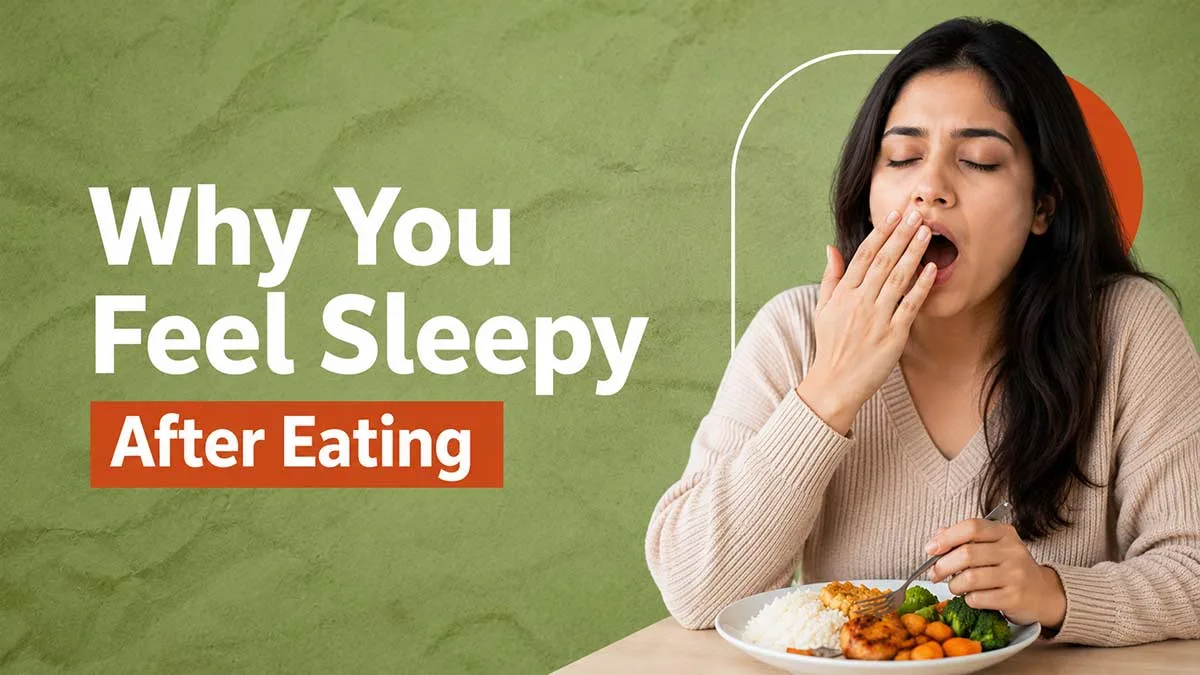
5144You finish lunch, push your plate aside, lean back in your chair, and within ten minutes your eyes are doing that slow, heavy, completely involuntary thing where staying awake starts to feel like a genuine physical challenge. Your screen blurs slightly. Your thoughts get soft around the edges. Everything in your body is essentially filing a request to go horizontal for the next forty-five minutes.
And then someone walks past and you snap back to attention and pretend you were absolutely not just falling asleep at your desk at 1 pm on a Tuesday.
Sound familiar? Good. Because this happens to almost everyone and yet most people either blame themselves for being lazy or knock back another coffee and carry on without ever understanding what is actually going on. The drowsiness you feel after eating has a proper name, a proper cause, and some very practical fixes.
What Is Actually Happening in Your Body After a Meal
When you eat, your body immediately gets to work. Blood flow is redirected towards the digestive system to help break down and absorb all the food you just consumed. Your stomach, intestines, pancreas, and liver all kick into gear at the same time and the body essentially puts a significant portion of its energy into this process.
Here is where the drowsiness comes in. As your digestive system ramps up, blood flow is pulled away from other areas, including the brain. Less blood to the brain means less alertness, slower thinking, and that unmistakable heavy foggy feeling that makes your eyelids feel like they have small weights attached to them. Your body is not being lazy. It is just prioritising.
There is also the role of hormones at play here. Eating, especially carbohydrates, triggers a rise in insulin which in turn increases the availability of an amino acid called tryptophan in the brain. Tryptophan is the precursor to serotonin and melatonin, both of which promote calm and sleep. So your body is actually producing sleep-inducing chemicals in response to food, particularly certain kinds of food, which explains a lot.
The Foods That Make It Worse
Not all meals hit the same way. Some lunches leave you feeling fine and functional. Others have you fighting to keep your eyes open before you have even finished clearing the table. The difference usually comes down to what you ate.
Foods that tend to trigger stronger post-meal sleepiness include:
- Large portions of white rice, white bread, pasta, or other refined carbohydrates cause a sharp spike and then a crash in blood sugar
- Heavy, oily, or fried food that takes significantly longer to digest and keeps the digestive system working hard for hours
- High sugar foods and desserts cause a glucose spike followed by an energy slump
- Large amounts of protein like meat and lentils, which are rich in tryptophan and can have a calming sedative effect in large quantities
- Alcohol, which even in small amounts significantly increases post-meal drowsiness
The size of the meal matters just as much as the contents. A very large meal of any kind requires more digestive effort and more blood flow away from the brain, which means more drowsiness regardless of what specifically was on the plate.
What Ayurveda Has Been Saying About This for Centuries
Long before anyone was measuring blood flow or identifying tryptophan, Ayurveda had a very clear and practical explanation for post-meal fatigue and a detailed set of guidelines for preventing it.
In Ayurveda, digestion is governed by Agni, the digestive fire. When Agni is strong, food is broken down efficiently, energy is produced well, and you feel light and clear after eating. When Agni is weak or overwhelmed, digestion becomes sluggish, Ama or toxic residue builds up, and the result is exactly the kind of heavy, foggy, can-barely-keep-my-eyes-open feeling that most people experience after a big meal.
Ayurveda also places enormous importance on when, how, and how much you eat. Eating the largest meal at lunch when Agni is at its strongest, eating slowly and without distraction, avoiding cold food and drinks during meals which dampen Agni, and not overeating are all classical Ayurvedic practices that directly reduce post-meal drowsiness.
Why Lunch Hits Harder Than Other Meals
If you have noticed that the afternoon slump is the worst one, you are not imagining it. There is a genuine biological reason why most people feel sleepiest after lunch.
Your body follows a natural rhythm called the circadian rhythm and built into this rhythm is a natural dip in alertness in the early afternoon, typically somewhere between 1 pm and 3 pm. This dip occurs regardless of whether you have eaten. When you add a meal into this window, the two effects combine and the result is the classic post-lunch crash that makes the afternoon feel like it is happening through a very thick fog.
This is why cultures across the world, from Spain with its siesta to traditional Indian households where an afternoon rest was completely normalised, built a short rest into the post-lunch period. It was never laziness. It was just working with the body's natural rhythm rather than against it.
Practical Ways to Stop Feeling Like a Sloth After Lunch
The good news is that post-meal sleepiness is very manageable once you understand what drives it. A few changes to what you eat, how much you eat, and what you do after eating can make a noticeable difference surprisingly quickly.
Start with what is on your plate:
- Switch refined carbohydrates like white rice and white bread for slower-digesting options like millets, brown rice, or whole grains that cause a more gradual rise in blood sugar rather than a sharp spike and crash
- Keep lunch portions sensible rather than eating until you are completely full. Ayurveda recommends filling the stomach to roughly two-thirds capacity and leaving room for digestion to work properly
- Include fiber, healthy fat, and protein in balanced proportions rather than a meal that is heavily dominated by carbohydrates alone
- Avoid cold drinks during and immediately after meals since they slow digestion and make the post-meal fatigue worse
What you do after eating matters enormously:
- A short and gentle walk of even ten to fifteen minutes after lunch is one of the most effective things you can do to reduce post-meal drowsiness. It keeps blood circulating, aids digestion, and prevents the blood flow from pooling entirely in the digestive system
- Avoid going straight from the table to the sofa or your bed. Lying down immediately after eating slows digestion significantly and almost guarantees a heavy, sleepy feeling
- In Ayurveda, the practice of Shatapawali, walking a hundred steps after eating, exists precisely for this reason and the benefits are very well supported by modern research on post-meal blood sugar regulation
A few other things that help consistently:
- Staying well hydrated through the day since even mild dehydration worsens afternoon fatigue considerably
- Not skipping breakfast because arriving at lunch extremely hungry almost always leads to overeating which makes the afternoon slump far worse
- Avoiding a very heavy dinner the night before since poor overnight digestion carries forward and makes the next day's fatigue worse from the start
When Post-Meal Sleepiness Is Worth Taking More Seriously
For most people, feeling a little sleepy after eating is completely normal and manageable with the lifestyle adjustments above. But occasionally, persistent and severe post-meal fatigue can point to something worth looking into more carefully.
If the drowsiness after eating is extreme, occurs after every single meal regardless of size, or is accompanied by other symptoms such as persistent bloating, unusual thirst, frequent urination, or significant unexplained weight changes, it is worth speaking to a doctor. Conditions like insulin resistance, type 2 diabetes, thyroid issues, anemia, and food intolerances can all show up as pronounced post-meal fatigue before other more obvious symptoms appear.
A simple blood test can rule most of these out and give you a much clearer picture of what is going on.
The Bottom Line
Feeling sleepy after eating is your body doing exactly what it is designed to do. Blood goes to the gut, hormones shift, energy gets redirected, and your brain gets a little quieter for a while. It is not a character flaw and it is definitely not laziness.
The difference between manageable post-meal tiredness and a full crash that wipes out your afternoon usually comes down to what you ate, how much you ate, and what you did immediately after. Eat lighter and smarter at lunch, take a short walk after the meal, skip the cold drinks, and give your digestive fire the conditions it needs to do its job properly.