Cholesterol-related complications do not occur instantly; rather, they gradually develop due to factors such as lifestyle, dietary habits, and genetics. Many people come across the presence of high cholesterol in their blood through a routine test. Even if they seem healthy on the outside, high cholesterol in the blood is likely to have adverse effects on the heart and can cause various diseases in the future. This is why the knowledge of one's risks of developing high cholesterol in the future becomes necessary, particularly if it occurs within a family.
What Is High Cholesterol?
High cholesterol refers to having too much of a fatlike substance called cholesterol in the blood. Although cholesterol is required in small amounts in the body for performing many tasks, high cholesterol may begin to accumulate in one's arteries. Primarily, there are two types of cholesterols:
- LDL (Low-Density Lipoprotein) (bad cholesterol): Accumulates in arteries
- HDL (High-Density Lipoprotein) (good cholesterol): Removes excess of bad cholesterol from the body
When the amount of bad cholesterol begins to accumulate in the body, an imbalance is created.
Different Forms It Takes
There are different forms of cholesterol problems, depending on the causes.
Primary (Hereditary) Cholesterol Problems
Such a problem is genetically inherited. One such disorder is known as Familial Hypercholesterolemia, whereby the body fails to absorb and eliminate excess LDL cholesterol from the bloodstream.
Secondary (Non-Genetic or Lifestyle-Associated) Cholesterol
Some common cholesterol causes include:
- Unhealthy dietary practices (fats, fried, and processed foods)
- Inactivity
- Stress
Sometimes, one suffers from both forms of the problem.
Symptoms That Could Be Indicative
Cholesterol problems are referred to as silent illnesses because, most of the time, there will be no noticeable symptoms. However, sometimes, one might experience:
- General tiredness
- Chest pains when active
- Yellowish-colored deposits around the eyes (serious cases)
- Difficulty breathing
Normally, most people are diagnosed from blood tests.
Risk Factors & Possible Complications
|
Risk Factors |
Possible Complications |
|
Family history of cholesterol issues |
Heart disease |
|
Unhealthy eating habits |
|
|
Lack of physical activity |
Stroke |
|
Obesity |
Blocked arteries (atherosclerosis) |
|
Diabetes or high BP |
Reduced blood flow to organs |
|
Smoking & alcohol |
Long-term cardiovascular damage |
How to Detect it Early? (Modern Medicine vs Ayurveda)
Doctors often advise the following simple tests:
- Cholesterol blood test (LDL, HDL, Total)
- Glucose and BP check
- ECG/Exercise Stress test (when necessary)
Screening becomes particularly relevant for people who have a hereditary background.
Understanding of the Cholesterol Issue and Ways to Diagnose it in Ayurveda
In Ayurveda, high or low levels of cholesterol are considered disturbances of Doshas in the body, which are caused by impaired Kapha Dosha and disturbed Agni (digestion).
Tests include:
- Pulse examination
- Checking digestive power and metabolism
- Body types – Prakriti and Vikriti
View of High Cholesterol in Ayurveda: More Than Just Low Numbers
Unlike conventional medicine that views high cholesterol as one disorder, the condition is regarded as a result of disharmony in the body's energy systems – Kapha dosha. The increased level of Kapha dosha is a consequence of the adoption of fatty, oily, and lethargic lifestyles that result in the increased amount of meda dhatu (body fat).
Mandagni (low digestive fire) is another crucial factor in high cholesterol formation. If the digestion process is poor, the body develops toxic substances called Ama that gradually accumulate in the blood vessels and clog passages. Simply put, high cholesterol is seen by Ayurveda as follows:
- Low digestive capacity + toxic buildup
- Increased body fat due to Kapha dosha imbalance
- Cholesterol clogs body passages
How Jiva Ayurveda Facilitates Healing?
Unlike a one-size-fits-all method, Jiva Ayurveda adopts a personalized and causative approach towards healing. Jiva's healing process is typically made up of:
- Personalised herbal medications depending on one's body type (Prakriti)
- Correction of diet and lifestyle based on one's schedule
- Enhancement of Agni (digestion)
- Detoxification of Ama (toxins)
- Periodic follow-up consultations
Having been in practice for more than 30 years, Jiva Ayurveda uses conventional knowledge together with contemporary insight in managing cholesterol in a healthy way.
Top Ayurvedic Herbs for Cholesterol Balance
Below are the most common herbs used and their roles:
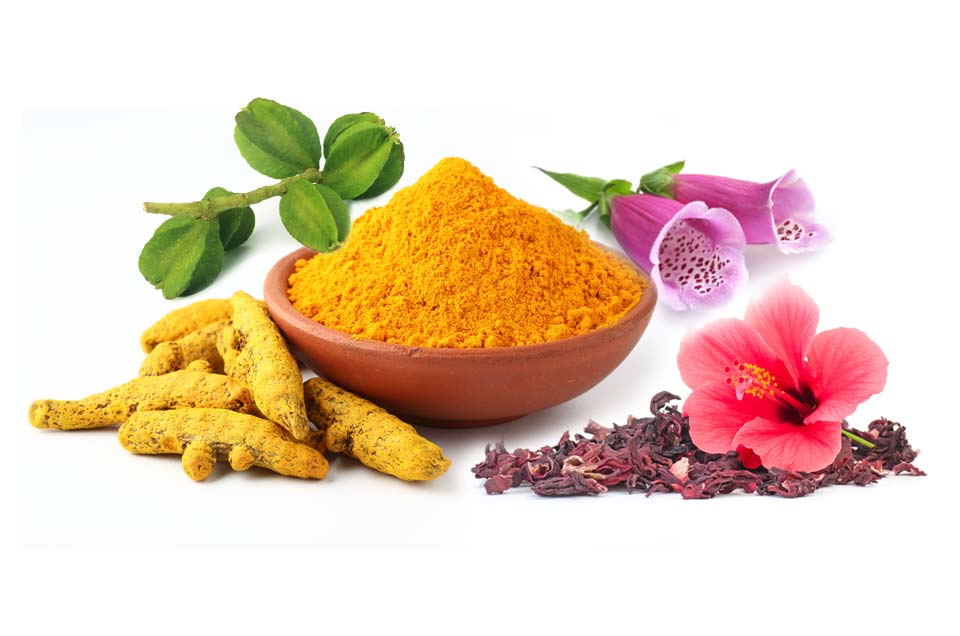
- Arjuna (Terminalia arjuna): Improves cardiac function and promotes blood flow
- Guggulu (Commiphora mukul): Reduces LDL (bad) cholesterol and dissolves fat deposits
- Lahsun (Garlic): Used to reduce natural cholesterol and metabolism rate
- Triphala: Comprises three fruits; enhances digestion and detoxification processes
- Methi (Fenugreek): Regulates cholesterol balance and facilitates digestion
- Indian Gooseberry (Amla): High in antioxidants; improves cardiac function
Diet for Managing Cholesterol
|
Recommended Foods |
Foods to Avoid |
|
Fresh fruits (apple, papaya, berries) |
Fried and oily foods |
|
Green leafy vegetables |
Processed and packaged foods |
|
Whole grains (oats, barley) |
Refined flour (maida) |
|
Garlic and ginger |
Excess sugar and sweets |
|
Nuts in moderation (almonds, walnuts) |
Red meat and high-fat dairy |
|
Warm water & herbal teas |
Cold drinks and carbonated beverages |
|
Light home-cooked meals |
Junk food and fast food |
How Jiva Ayurveda Evaluates Patients
Every individual at Jiva Ayurveda is considered unique; hence, the evaluation procedure is not limited to mere symptoms and laboratory reports. The evaluation process aims to find out the cause of the health condition. The process of the consultation usually entails:
- In-depth discussion about your health: Symptomology, your diet and lifestyle, levels of stress, etc.
- Analysis of Prakriti: Understanding your body constitution (Vata, Pitta, Kapha)
- Evaluation of Vikriti: Current state of imbalance in the body
- Nadi Pariksha: Ayurvedic evaluation of the internal organs
- Evaluation of digestive strength (Agni)
This comprehensive evaluation enables a tailor-made treatment protocol.
Patient Testimonial - Anurag
My toes and fingertips used to become cold and numb frequently. I also felt pain in my neck and jaw. My lipid profile showed that I had high cholesterol levels. Jiva doctor explained that the root cause was ama and weak agni. 6 months after taking medicines, my lipid profile test has come back normal, and I feel fine and healthy now.
Our Step-by-Step Patient Care Process:
Expect a Call: Submit your contact details, or you can also call us on 0129 4264323.
Appointment Confirmation.
- You can schedule an appointment and visit us at our clinic for a consultation with our Ayurvedic experts.
- If you are unable to find our clinics near you, you can also schedule an online consultation on 0129 4264323 at a discounted price of Rs. 49 (regular price Rs299) and avail guidance from our doctors at home.
Detailed Diagnosis
Jiva doctor will perform a thorough and detailed diagnosis to identify the root cause of your health problem.
Root-cause Based Treatment
Jiva doctor will recommend a personalised treatment using highly-effective, natural, and Ayurvedic medicines to address symptoms and the root cause.
When Will the Healing Occur?
High cholesterol is a disease which affects each patient differently. Depending upon your body type or Prakriti, lifestyle, and cholesterol level in your body, the time required for the Ayurvedic treatment to take effect can vary from patient to patient. General Time-Line
- First 2-4 Weeks: There will be improvement in digestion, vitality, and metabolism. Few patients will experience relief from fatigue or sluggishness.
- 1-3 Months: There will be a gradual decrease in bad cholesterol or LDL, along with improvements in digestion or Agni. Herbal medications and dietary/lifestyle interventions will start working.
- 3-6 Months: There will be noticeable improvements in heart function and cholesterol levels. Follow-up consultations would optimise your dietary/herbal/lifestyle interventions.
- 6 Months Onwards: Heart problems and high cholesterol will be effectively controlled.
What Are the Expected Outcomes?
Under a tailored Ayurvedic regime at Jiva, the following outcomes are commonly observed:
- Normalised cholesterol profile (lower LDL, higher HDL)
- Enhanced digestion and metabolic rate
- Decreased body fat storage and Kapha dosha imbalances
- Increased energy and stamina
- Preventive support for cardiac health and vascular integrity
- Weaning off medicines when appropriate
Modern Treatment vs Ayurvedic Treatment for High Cholesterol
|
Aspect |
Modern Treatment |
Ayurvedic Treatment |
|
Approach |
Focuses on lowering cholesterol levels quickly through medicines |
Focuses on root causes like digestion, metabolism, and dosha imbalance |
|
Medications |
Uses statins and other lipid-lowering drugs |
Uses natural herbs like Guggulu, Arjuna, Triphala |
|
View of Disease |
Treats cholesterol as a standalone condition |
Sees it as a result of imbalance in Kapha, Agni, and Ama |
|
Speed of Results |
Faster reduction in cholesterol numbers |
Gradual but long-lasting improvement |
|
Side Effects |
May have side effects in long-term use |
Generally natural and gentle when taken under guidance |
|
Lifestyle Role |
Advised but often secondary |
Central part of treatment (diet, routine, habits) |
|
Long-Term Benefit |
Controls condition but may require lifelong medication |
Aims to restore balance and reduce recurrence |
Estimated Cost of Treatment at Jiva Ayurveda
Understanding the financial investment required for your health is important. At Jiva Ayurveda, we make sure of transparency in our service costs, which allows you to choose the most suitable option for your medical needs.
Treatment Cost
For patients who seek standard, ongoing care, the Monthly Cost of Medicine and consultation typically ranges from Rs. 3,000 to Rs. 3,500. Please note that this is an estimated baseline. The final cost depends on the exact nature and severity of the patient's condition.
Protocol
For a more comprehensive, structured approach, we offer specialized Package protocols. These plans are designed to address both physical symptoms and the overall lifestyle correction. The package includes:
- Medicine
- Consultation
- Mental Well-Being Sessions
- Yoga and Meditation
- Diet
The cost for this protocol involves a one-time payment ranging from Rs. 15,000 to Rs. 40,000, which covers the full 3 to 4-month duration of the treatment.
Jivagram
For patients requiring intensive and immersive care, our Jivagram centres offer the ultimate healing experience. Jivagram is a holistic sanctuary set in a peaceful, eco-friendly environment, and it provides:
- Authentic Panchakarma therapies
- Sattvic meals
- Modern healing services
- Comfortable accommodation
- Many more quality-of-life facilities
An immersive wellness stay at Jivagram costs around 1 Lakh for a 7-day duration, ensuring continuous personalised care to help reset your body and mind.
Why Patients Trust Jiva Ayurveda
Over the years, Jiva Ayurveda has gained the trust of thousands of patients who are seeking natural and personalised healthcare solutions. Some of the key reasons for patients’ trust in Jiva Ayurveda:
- Root-Cause Based Treatment
Unlike conventional treatments that address only the symptoms of disease, Ayurvedic treatment focuses on treating the root causes and correcting the underlying imbalances in the body that lead to disease.
- Experienced Ayurvedic Doctors
Jiva Ayurveda boasts of having a huge team of experienced Ayurvedic doctors who thoroughly examine each patient’s condition before recommending treatment for diseases.
- Personalised “Ayunique” Treatment Approach
Ayurvedic treatment is highly personalised and customised according to each individual’s prakriti and lifestyle.
- Holistic Healing
Ayurvedic treatment is not limited to medicines; it also includes dietary and lifestyle modifications, breathing techniques, and stress management to support overall healing of the body and mind.
- Trusted by Patients Across India
A huge percentage of patients have shown improvement in their conditions after adopting Jiva’s treatment plans and recommendations for diseases. This shows how much people trust Jiva Ayurveda for Ayurvedic treatment.
- 95% of patients saw significant improvement within 3 months of treatment.
- 88% of patients stopped allopathic medicines completely.
- 8000+ patients are consulted every day
- 1.5 million+ satisfied patients worldwide
- 30+ years of Ayurvedic expertise
- 80+ clinics across India
When Should You See a Doctor?
While high cholesterol remains symptomless in most cases, there are some indirect signals your body might send you. See your doctor when you experience:
- Recurrent chest pain or tightness, particularly while exercising
- Unexplained shortness of breath
- Fatigue or heaviness
- Yellow spots near the eye area (in severe cases)
- Family history of high cholesterol or cardiovascular diseases
- Age 30+ without checking cholesterol levels yet
- Diabetes mellitus, hypertension, or obesity heart
Feeling Fine? Still, a Routine Blood Test Can Uncover Hidden Risks!
Make Your First Step Towards Optimal Cardiovascular Wellness. Act now before any health issue arises and leads to a heart attack or stroke. Avail professional Ayurvedic consultation with expert physicians at Jiva Ayurveda
Contact Jiva Ayurveda:
Call:0129-4264323
Website: https://www.jiva.com/
Online Consultation: Available across India
Conclusion
While having high cholesterol does not immediately make you feel unwell, it certainly will affect your health in the long run. Regardless of whether it comes down to unhealthy habits or genetics, knowledge is half the battle won! Taking a comprehensive approach, such as in Ayurvedic treatments, means paying attention to the whole picture instead of just lowering cholesterol levels.
If you combine a nutritious diet, a proactive lifestyle, and an individual treatment method, controlling your cholesterol will become much easier.