 Published on
07 Aug, 2026
Published on
07 Aug, 2026 Updated on 07 Aug, 2026
 5071
5071Panchakarma is one of the best-known procedures practiced in Ayurveda. This therapy is often connected with detoxification, rejuvenation, and balancing the body. People tend to use Panchakarma to improve digestion, handle stress, boost energy, or help with chronic diseases; nevertheless, it is still popular. One of the main myths about Panchakarma is that it is safe to practice at any time. Actually, the Ayurvedic literature says that it is important to prescribe this procedure after examining a person's Prakriti, Vikriti, age, strength, digestive power, season, and general health.
It is necessary to understand who needs special care before planning to practice panchakarma.
What Is Panchakarma?
The word Panchakarma means five actions, and it is the name used to refer to various cleansing techniques in Ayurveda that are aimed at removing the excess doshas in the body. These procedures vary based on the health state of the person undergoing treatment and can be Vamana (vomiting), Virechana (purgation), Basti (enema), Nasya (nose administration), and Raktamokshana (bloodletting in some cases).
Panchakarma procedure is not just any other detox process. The procedure consists of three processes:
Preparation
Main cleansing processes (Pradhana Karma)
Aftercare (Paschat Karma)
All these processes have equal importance in realizing the intended results of the treatment process.
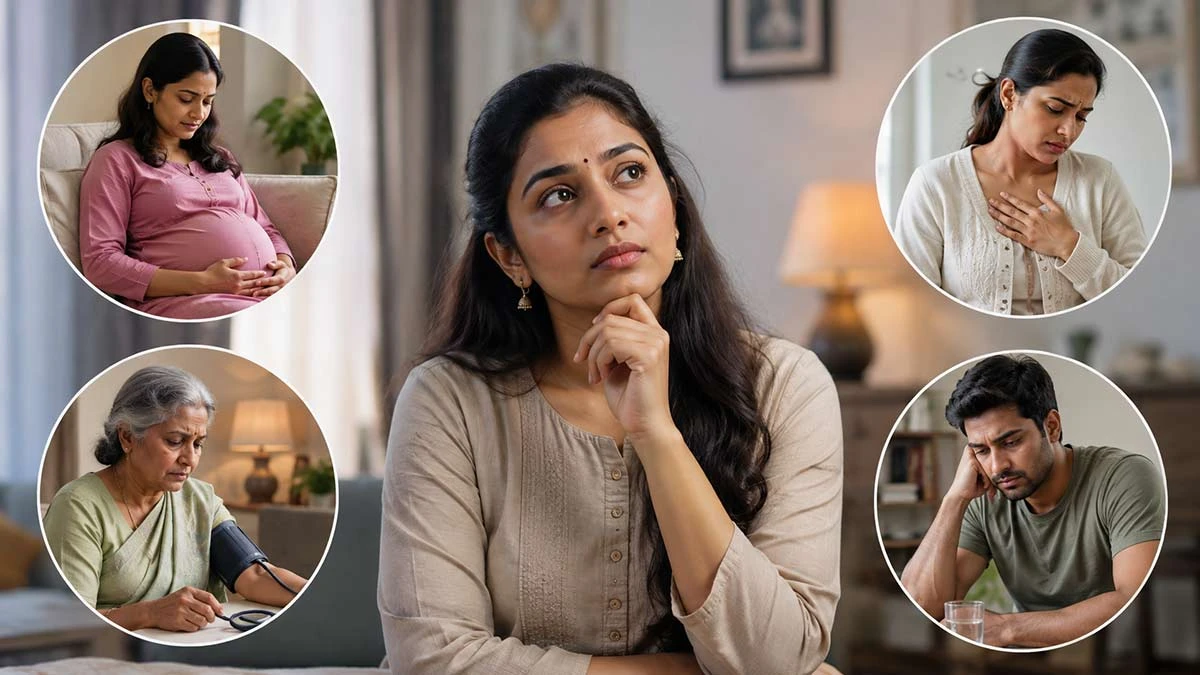
Who Should Be Careful Before Undergoing Panchakarma?
Pregnant Females
Pregnancy is one of those phases in which hormones and physical aspects of the body change. The process of intense cleansing should be avoided as it could cause excessive stress for both the woman and the unborn child.
Women who are pregnant cannot undergo Panchakarma without proper monitoring from an Ayurvedic doctor.
Nursing Females
Nursing women need proper nutrition and fluids in order to produce breast milk. Intense cleansing may not suit such women unless recommended by an experienced health care provider.
Older Adults
Age is not the issue here; however, elderly people who have poor nutrition, suffer from various ailments, or who lack physical strength require evaluation.
In most cases, doctors prescribe Ayurvedic treatments for such individuals.
Children
Their digestive and immune systems are still immature. Panchakarma treatment programs are rarely used without a definite need and under qualified supervision.
Treatment programs for children are highly individual.
People with Acute Diseases
If someone has:
- High fever
- Active infectious process
- Profuse diarrhea
- Vomiting
- Dehydration
Panchakarma is rarely used until the acute condition disappears.
At this time, the body needs to recover from the acute state.
People Recently Undergone Major Operations
After operations, the body needs proper nutrition, healing of wounds, and rest. Intense cleansing procedures at this stage might hinder the healing process.
The attending surgeon and Ayurvedic doctor must be consulted before using a panchakarma treatment program.
Severely Diseased with Heart, Liver, or Kidneys
Patients with severe illness need to have a thorough medical check-up before they begin Panchakarma.
Proper fluid intake, dietary restrictions, and cleansing techniques may not suit everyone with serious illnesses of internal organs.
Panchakarma therapy is not advised without medical advice.
Malnutrition or Extreme Weakness
Weak people and patients with nutritional deficiencies may need strengthening treatment before going through cleansing methods.
Ayurveda gives priority to developing physical strength before cleansing.
Menstruating Patients
Most Ayurvedic therapists do not suggest going through the Panchakarma processes when women are in their menstrual period since the body is going through the process of eliminating waste.
Usually, the time of the therapy is set in accordance with the menstrual period of the female patient.
Why Proper Assessment Matters
Before recommending Panchakarma, an Ayurvedic physician may evaluate:
- Body constitution (Prakriti)
- Current dosha imbalance
- Digestive strength (Agni)
- Presence of Ama (metabolic waste)
- Medical history
- Current medications
- Existing chronic diseases
- Mental and physical strength
- Seasonal suitability
This assessment helps determine whether Panchakarma is appropriate and which procedures, if any, are suitable.
Avoid DIY or Wellness-Camp Panchakarma
As the trend of wellness tourism becomes more popular, most people go for Panchakarma packages without undergoing any medical checkup at all.
It is not supposed to be considered as a spa therapy or as an annual body detoxification process for all.
The therapies should always be designed depending upon the health condition of the individual.
Safe Preparation for Panchakarma
In case the doctor suggests Panchakarma therapy for you, then preparation is also an important step.
The patients are usually advised to do the following things:
- Adhere to the recommended diet.
- Inform the doctor about all the medications and supplements.
- Keep yourself well-hydrated.
- Rest well before undergoing the therapy.
- Let the doctor know about any recent illness.
An Ayurvedic Perspective
As per Ayurveda, Panchakarma therapy is meant to cleanse the body of excess doshas. Nevertheless, it must be kept in mind that, as per classical Ayurveda, the right treatment must be given to the right individual at the right time.
If Panchakarma is practiced correctly, then it can promote health in certain individuals. Otherwise, if not practiced correctly, then it may fail to produce the desired effects and increase suffering.
Conclusion
Panchakarma is a unique form of Ayurvedic therapy and does not qualify as a general detoxification therapy. It is important to exercise care before choosing Panchakarma treatments, especially when you are pregnant or breastfeeding, if you are elderly and frail, if you have children, if you have just undergone any surgery, or if you are acutely or seriously ill.
It is best if you seek the help of an Ayurvedic doctor who can check your health condition and determine if Panchakarma treatment would be appropriate for you.
References
Panchkarma | Directorate of AYUSH
View of Panchakarma procedures for a healthy life that can be performed at home