 Published on
06 Aug, 2026
Published on
06 Aug, 2026 Updated on 29 Aug, 2026
 5094
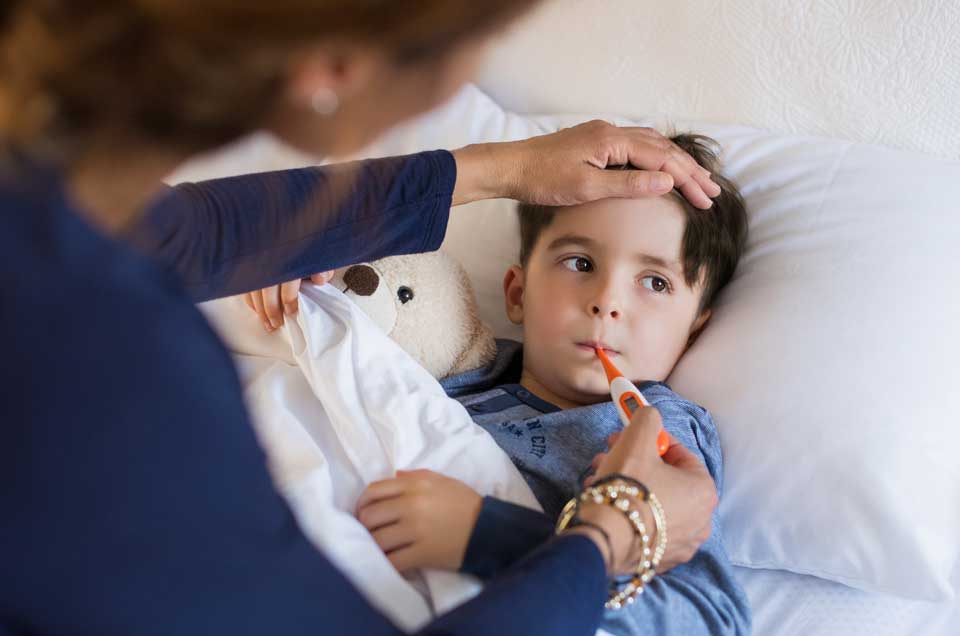
5094You had a fever, saw a doctor, took all your prescribed medication, and now the fever has finally gone. You expect to wake up the next morning feeling like your old self, but instead, just walking to the bathroom leaves you breathless, your brain feels foggy, and you want to go straight back to bed.
Many people get frustrated when this happens; they think that the medicines worked, the disease is gone, so why do I still feel weak?
The truth is that curing the disease and healing the body are two different things. The medicines do help with calming down the fear, but in order to rebuild the same strength, it takes time, good food, deep sleep, and a lot of patience.
Why Does The Body Feel Weak After An Illness?
Feeling weak after illness is completely normal because your body fights the infection, which uses a lot of energy, so when your fever or infection is gone, your body needs special attention and care so that the lost energy can be restored.
Energy depletion during infection: When you get ill, your immune system uses a lot of energy to fight back against the germs. In this process, your body loses its energy, and you tend to feel weak after recovery.
Muscle loss & reduced physical activity: When you stay in bed for 5-6 days, your muscles begin to shrink as they lose all their strength due to no physical activity.
The Immune system’s recovery phase: Your immune system doesn’t just turn off the second the fever breaks. It is still busy sweeping up dead virus cells, repairing damaged tissues, and returning your body to its normal self.
Common Signs That Your Body Is Still Recovering
The main signs of post-illness weakness are a lack of energy after a viral infection for days. This lack of energy doesn’t improve with only medicines, and it may feel physical, mental, or both.
Common signs of post-illness weakness are:
- Your arms and legs feel very heavy.
- You lose your breath while doing simple things.
- Your appetite gets very low.
- You still have mild body aches.
- You struggle to remember small things and have brain fog.
- You feel irritated and annoyed.
- You feel slightly anxious.
- You have zero motivation for work.
Why Can Medicine Alone Not Complete Recovery?
Medicines can help fight the infection, but cannot help in recovering from a disease completely because there is utmost importance of:
Nutrition: Food is your body’s main source of energy. It gives you essential minerals, vitamins, and fibre to deal with weakness and get back the muscle and physical strength.
Sleep: It is another important factor to get back the energy you lost during illness. When you take a deep sleep, your body releases some essential hormones that speed up tissue repair.
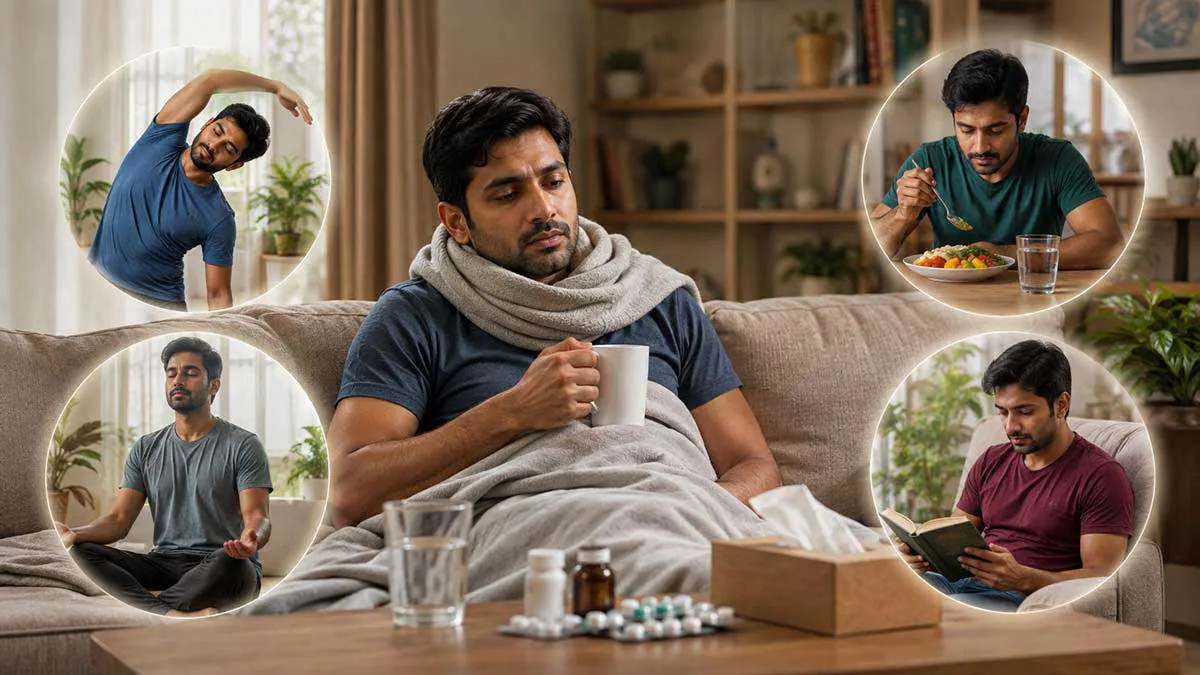
Gradual return to movement: If you lie in bed for long will make you weak, but if you go straight back to the gym and do a heavy workout, it will exhaust you more. The better formula is to start slow by taking walks of 5-10 mins; this will help you to get back to your normal self.
Doctor’s Note
Your daily habits, sleep quality, stress levels, and nutrition directly shape your overall health. Never ignore persistent minor symptoms, such as chronic fatigue, digestive discomfort, or sudden weight shifts, as they are often early signals from your body. While positive lifestyle changes can resolve many common issues, always consult a qualified healthcare professional if symptoms persist.
Ayurveda’s Views On Post-Illness Weakness
Ayurveda’s view of looking at post-illness weakness is different. It doesn’t look at it as a permanent deficiency or a disease in itself; it looks at it as a necessary time to rebuild the body from the inside.
When you get sick, Ayurveda says your digestive fire (called Agni) becomes very weak. If your digestion is weak, eating heavy, hard-to-digest food will just sit in your stomach and make you feel worse. Ayurveda suggests eating warm, soupy, easily digestible foods to slowly wake your stomach back up.
Ayurveda also talks about Ojas, which is your body’s deep, glowing vitality and immunity. A long illness drains your Ojas, leaving you feeling empty and tired. Rebuilding Ojas isn't about rushing; it’s about deep rest, eating nourishing foods, and permitting yourself to heal slowly and gently.
Everyday Habits That Can Slow Down The Recovery
Many of us slow down our recovery by making these mistakes:
- Rushing back to work: You go straight back to a 9-hour work shift before even recovering completely, which only makes you exhausted and slows down the process of recovery.
- Skipping meals: You skip your meals intentionally because you don't feel like eating anything due to weakness, but it will make it more challenging for you to recover, as you will lack essential fibre and proteins required to fight post-illness weakness.
- Not drinking enough water: If you stay dehydrated and don't drink enough water, then it will make your headache and body aches worse. Drink plenty of water, soups, and coconut water to stay hydrated.
- Taking Stress: Stress creates hormones that actively block body healing. Try to protect your peace to recover fast and get back to your same self again.
Foods That Help Build Strength Naturally
If you want to recover fast from that post-illness weakness, then your food choices have to be full of proteins, fibres, minerals, and vitamins:
- Protein for muscle: Eat soft lentils (dal), paneer, yogurt, and tofu. This food will help you repair the muscle lost while resting in bed.
- Carbs for energy: Warm oats, brown rice, whole wheat rotis, and sweet potatoes will give you a slow and steady release of energy that lasts all day.
- Good fats for healing: Pure ghee, almonds, or some olive oil help reduce swelling inside the body.
- Vitamins for the immune system: Fresh and colourful fruits and cooked vegetables provide zinc and vitamins for your immune system to finish the job of tissue repair.
Final Thoughts
Taking your last pill is a great feeling, but it is not the last phase of your sickness. Your body fights a lot of infections while you are ill, and now it needs help to clean up and rebuild.
Eating warm, nourishing food, drinking water, and protecting your sleep will help you get back on your feet, as you give your body what it needs. You need to be patient with yourself. Healing is a journey, and taking slow steps is the best way to get your strength back.