 Published on
30 Jun, 2026
Published on
30 Jun, 2026 Updated on 30 Jun, 2026
 5105
5105Nobody wakes up one morning thinking about uric acid. It's not exactly a dinner table topic. And yet a surprising number of people in India are walking around with elevated uric acid levels quietly causing trouble in their joints, kidneys and overall health without the faintest idea that something as simple as not drinking enough water is a major part of the problem.
Gout, kidney stones, joint pain, fatigue. These are the things people notice. The uric acid connection often comes later, usually after a blood test that makes the doctor raise an eyebrow. And the dehydration connection? That barely gets mentioned at all.
What Is Uric Acid and Why Does It Matter
Uric acid is a natural waste product that forms when the body breaks down purines. Purines are compounds found in certain foods and also produced naturally by the body during normal cell turnover. Uric acid gets dissolved in the blood, filtered through the kidneys and leaves the body through urine.
Under normal circumstances this system works smoothly. The body makes uric acid, the kidneys filter it out and it exits quietly. Problem solved before it even becomes a problem.
The trouble starts when uric acid is either being produced in excess or not being filtered and excreted efficiently enough. When uric acid builds up in the blood beyond what it can stay dissolved in, it starts crystallising. And those crystals are sharp, inflammatory and absolutely miserable when they settle into a joint or the kidney.
Where Dehydration Comes Into This
Here is the connection most people completely miss. And once you see it you cannot unsee it.
Your kidneys need adequate fluid to filter and flush uric acid out of the blood efficiently. When you are dehydrated your blood volume drops, urine becomes highly concentrated and the kidneys are working with much less fluid than they need. The result is that uric acid filtration slows down significantly.
Less water going in means less uric acid going out. It accumulates in the blood. Levels rise. And when levels rise high enough for long enough the crystals start forming in joints and tissues.
This is why people living in hot climates like India, where chronic mild dehydration is the norm rather than the exception, have significantly higher rates of gout and uric acid related kidney stones than people in cooler, better hydrated populations. The heat connection is real. The water connection is even more real.
Signs That Uric Acid Might Be Elevated
Your body is reasonably good at flagging this if you know what you're looking at.
- Joint pain that comes on suddenly: Gout attacks are notorious for appearing out of nowhere, often overnight, with intense pain, redness and swelling in a single joint. The big toe is the classic location but ankles, knees and wrists are also common targets. If you have had unexplained acute joint pain that resolved and then returned the same way, elevated uric acid is worth checking.
- Recurring kidney stones: Uric acid is one of the main components of kidney stones. If you have had kidney stones more than once, especially in a hot climate with low water intake, uric acid levels are very much part of the picture worth investigating.
- Fatigue and general heaviness: High uric acid in the blood is an inflammatory state. Chronic low grade inflammation is exhausting and often shows up as a persistent heaviness and tiredness that doesn't quite resolve with rest.
Foods That Push Uric Acid Up
Dehydration is a major driver but diet plays an equally significant role. Some foods are genuinely high in purines and consuming them regularly while also being chronically dehydrated is the fastest route to a uric acid problem.
- Alcohol especially beer: Alcohol impairs the kidney's ability to excrete uric acid and beer specifically contains purines from yeast on top of that. The combination makes beer one of the most reliably gout triggering substances known.
- Fructose and sugary drinks: This one surprises people. High fructose corn syrup found in packaged juices, cold drinks and processed foods increases uric acid production in the liver. Regular consumption of these is strongly linked to elevated uric acid even in people who don't consume much meat.
- Refined carbohydrates: White bread, maida based foods and processed snacks contribute to inflammation and metabolic conditions that indirectly elevate uric acid over time.
What Ayurveda Says About Uric Acid and Joints
Ayurveda describes conditions very similar to gout under the term Vatarakta. The name itself is telling. Vata refers to the movement and nervous system dosha and Rakta refers to blood. Vatarakta is essentially a condition where aggravated Vata combines with impurities in the blood to cause inflammatory joint pain.
The classical description of Vatarakta matches gout remarkably well. Intense joint pain, redness, swelling, often in the peripheral joints and feet, aggravated by rich foods and poor lifestyle. Ayurvedic physicians were describing this condition in detail thousands of years before the word uric acid existed.
The Ayurvedic approach addresses both the Vata imbalance and the Rakta or blood purification simultaneously.
- Giloy: One of the most important herbs in Ayurveda for managing inflammatory joint conditions.
- Triphala: Supports the body's natural detoxification pathways and helps clear metabolic waste from the blood and channels.
- Neem: Deeply blood purifying and anti-inflammatory.
- Punarnava: Supports kidney function and urine flow.
- Dietary guidance: Ayurveda recommends avoiding sour, salty, heavy and fermented foods for Vatarakta. Bitter and astringent tastes that reduce Pitta and clear Rakta are favoured. Warm water, buttermilk, light easily digestible meals and avoiding day sleep which is considered to slow metabolism and promote Ama are all classical recommendations.
How Much Water Actually Helps
Here is the practical part. Studies consistently show that people who drink more water have lower serum uric acid levels and significantly lower rates of gout attacks. The mechanism is straightforward. More water means more urine means more uric acid being flushed out of the body before it can crystallise.
For people with elevated uric acid or a history of gout, most doctors recommend aiming for at least three litres of water daily, more during hot weather or physical activity. The goal is urine that stays pale yellow through the day indicating consistent adequate hydration and efficient kidney filtration.
Practical Daily Habits That Make a Real Difference
Some of the habits are:
- Start every morning with warm water: Before chai, before anything. Two glasses. Kick starts kidney function and begins the day's uric acid filtration on the right note.
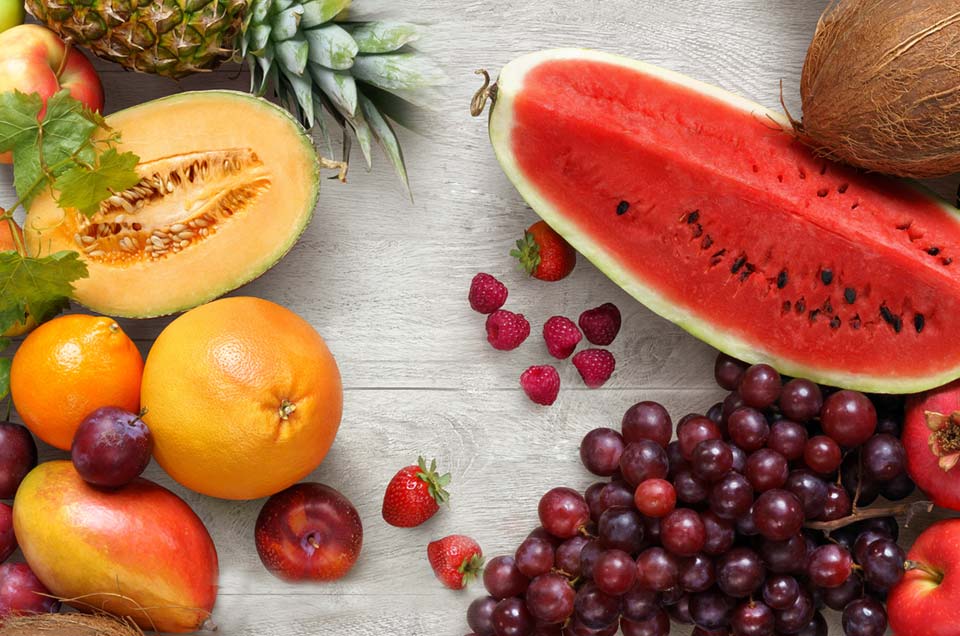
- Eat cherries and berries when in season: Cherries in particular have strong evidence behind them for reducing uric acid levels and lowering gout attack frequency. Anthocyanins in dark berries have genuine anti-inflammatory and uric acid lowering properties.
- Add lemon to your water: Lemon juice makes urine more alkaline which helps uric acid stay dissolved and exit through urine rather than crystallising in joints. A squeeze of lemon in warm water twice daily is a simple and effective habit.
- Reduce alcohol intake meaningfully: If elevated uric acid is a concern, alcohol especially beer needs to come down significantly. Even one or two drinks regularly can be enough to keep uric acid elevated in susceptible people.
When to See a Doctor
If you have had even one gout attack, get your uric acid levels tested. If levels are consistently above 6 milligrams per deciliter in women or 7 milligrams per deciliter in men, it needs medical attention and management beyond lifestyle changes alone.
Do not wait for a second attack before acting. Joint damage from repeated gout episodes accumulates over time and becomes increasingly difficult to reverse.
Conclusion
Uric acid and dehydration are connected more directly than most people realise. The same kidneys that need water to filter waste are the ones responsible for keeping uric acid out of your joints. Give them enough water and they do that job efficiently. Shortchange them and uric acid quietly builds up until your toe decides to remind you very loudly that something has been wrong for a while.
Water, thoughtful eating, the right Ayurvedic support and a blood test that actually tells you where your levels are. That is genuinely all it takes to stay ahead of this one.
Reference Links
- National Health Portal of India on Joint and Metabolic Disorders https://www.nhp.gov.in/disease/musculo-skeletal-bone-diseases
- Ministry of Health and Family Welfare, Government of India https://mohfw.gov.in/
- World Health Organization on Noncommunicable Diseases and Metabolic Conditions https://www.who.int/news-room/fact-sheets/detail/noncommunicable-diseases