
 Published on
03 Apr, 2026
Published on
03 Apr, 2026 Updated on 23 Jun, 2026
 5227
5227A human mind is a very powerful instrument, but what has gone wrong when it is completely uncooperative to turn off? Have you ever had to repeat a simple conversation over and over again, and were totally unable to simply forget it? Overthinking is an epidemic of the contemporary world. We are overloaded with information, high performance, and unending concerns. Overthinking is what most people consider a character defect, but it is a call for help from your nervous system. The Ayurvedic way of telling you that the subtle energies in your body are far too disbelievingly out of tune is a racing mind that will never stop.
Such an imbalance may begin minimally, but at times it may get out of control into a disruptive force. It influences your concentration ability, the digestion rate of your stomach, and your sleep pattern. The mind and the body are intertwined and inseparable. The physical body starts to suffer a lot when the mind has been caught in a loop of worrying. We should look into the causes of overthinking and how the old-time, tested Ayurveda can assist you to achieve permanent mental calm and stabilisation.
What Is Overthinking According to Ayurveda?
Overthinking is basically exaggerated mind movement that is not focused. In cases where thoughts go round aimlessly and without purpose, they are extremely draining to your life force. Without even a step in a muscle, you feel exhausted.
According to Ayurveda, Vata Dosha dominates all the movements in the body and mind, and it is mainly composed of the elements of air and space. When Vata is in perfect balance, it will lead to immense creativity, joy, and flexible and quick thinking. However, when it becomes aggravated, it acts exactly like a hurricane trapped in the mind. Thoughts scatter endlessly. Concerns increase exponentially. You are totally out of place and always on the alert. This unpredictable internal wind shocks the whole nervous system, and it is impossible to find peace.
Common Causes of Overthinking and Vata Imbalance
The way we live our lives is enormous in determining our state of mind. The Vata Dosha in our hyper-connected world is driven out of its natural peaceful balance by many factors. Why then are we so overwhelmed by the existence of so many modern conveniences?
- Information Overload: Scrolling through social media or reading endless news articles overstimulates the visual and auditory senses. This constant input forces the mind to work continuously without taking a proper break.
- Erratic Routine: The bad lifestyle that does not have a schedule of eating, working or sleeping is a disaster in the body. The mind panics when the physical body is experiencing instability and attempts to overcompensate.
- Poor Diet: Eating dry, cold, or stale foods directly increases the air element of Vata. Skipping meals or completely ignoring a proper eating schedule makes you feel lightheaded, jittery, and anxious.
How Overthinking Disrupts Your Vital Systems?
The mind and body are not separate entities. A deeply worried mind always creates a highly stressed body. If Vata stays elevated for long periods, it affects several main areas of your health.
- Digestion: Anxiety and fear immediately shut down the digestive fire. This leads to severe gas, painful bloating, and highly irregular bowel movements.
- Nervous System: Constant overthinking leaves your nerves completely frayed. You might feel utterly exhausted during the day but find yourself completely unable to relax when it is time to sleep.
- Hormonal Balance: Chronic mental stress intensely messes with your natural biological rhythms. This hormonal imbalance can easily lead to severe mood swings or even trigger irregular periods for women.
Ayurveda’s Perspective on the Mind and Doshas
Ayurveda considers the mind and the body as one and the same system. The health of the other wholly depends on the health of one. There are three subtle qualities of the mind: Sattva (purity and peace), Rajas (activity and turbulence) and Tamas (inertia and dullness).
Excessive Rajas in the mind is a well-known, indisputable symptom of overthinking, driven by a worsened Vata Dosha. The mind is hyperactive and uncontrollable when Vata influences the mind through Rajas. When this nervous energy combines with an aggravated Pitta Dosha, the overthinking is soon transformed into acute anger, frustration and physical heat such as hyperacidity. The solution of these complicated energies will demand a very holistic approach, and not merely attempting to forcefully direct the mind to shut down.
The Foundations of a Calm Mind
To effectively stop overthinking, you must ground your physical body first. You cannot calm a raging storm simply by shouting at it. You must build a strong, stable shelter.
- Establish a Routine: Doing your daily tasks at the exact same time every day gives your nervous system a profound sense of safety and predictability.
- Nourishing Diet: Eating warm, thoroughly cooked, and grounding Sattvik foods helps stabilise the erratic, floating Vata energy.
- Mindful Movement: Gentle exercises like yoga help pull the excess, trapped energy down from your head and back into your physical body where it belongs.
Ayurvedic Herbs Used For Mental Clarity
Nature provides incredibly powerful remedies to calm an overactive mind. Jiva Ayurveda uses natural, time-tested formulations that bring profound stability without ever making you feel artificially drowsy or numb.
- Brahmi: This is a world-famous brain tonic. It deeply cools the mind, greatly improves memory, and helps stop the endless cycle of racing thoughts.
- Ashwagandha: A powerful, grounding adaptogen that specifically targets Vata. It grounds the nervous system and helps your body cope brilliantly with daily stress.
- Giloy: Excellent for clearing out physical toxins and supporting the immune system, which very often weakens during prolonged periods of high mental stress.
- Shatavari: Widely known for its cooling and nourishing properties, it helps balance stress hormones and beautifully soothes an overworked system.
- Neem: Sometimes used when stress causes severe heat in the blood, leading to skin breakouts. It deeply cleanses the system and reduces stress-induced inflammation.
Ayurvedic Therapies for Calming the Mind
To effectively manage severe overthinking, physical Ayurvedic therapies are incredibly powerful. They bypass the stubborn, busy mind and work directly on the physical nervous system to force a state of deep relaxation.
- Shirodhara: A steady, continuous stream of warm, highly medicated oil is poured continuously over the forehead. It deeply relaxes the central nervous system and quietens the mind almost instantly.
- Abhyanga: A thorough full-body massage using warm, grounding herbal oils. It directly counters the severe dryness of Vata and brings a profound sense of physical grounding.
- Takradhara: Very similar to Shirodhara, but uses specially medicated buttermilk. It is exceptionally excellent for cooling extreme mental heat and frustration.
- Virechana: A highly controlled detox therapy that helps clear excess toxins and heat from the gut, which can very often contribute directly to mental agitation and brain fog.
Vata-Pacifying Diet Chart for Mental Calmness
Food directly and powerfully impacts your mood. A warm, heavily grounding diet is absolutely essential for taming a racing, anxious mind.
| Meal Category | Recommended Foods | Foods to Avoid |
| Breakfast Choices | Warm oatmeal, stewed apples, warm milk with a pinch of nutmeg | Cold cereals, dry toast, excessive caffeine |
| Lunch Options | Fresh Basmati rice, warm moong dal, root vegetables (sweet potatoes, carrots) | Raw salads, cold foods, dry crackers |
| Evening Snacks | Soaked peeled almonds, warm herbal tea, lightly roasted seeds | Sugary processed snacks, caffeinated energy drinks |
| Dinner Selection | Warm soups, light khichdi, steamed vegetables with ghee | Heavy meats, cold/raw foods at night |
| Beverages | Warm water, chamomile tea, warm milk before bed | Ice-cold drinks, carbonated sodas, alcohol |
What Results Can You Expect?
Ayurvedic treatment focuses heavily on balancing the Doshas and deeply nourishing the mind. You will feel the positive changes deeply rooted in your new daily life.
- Calmer Mind: A highly significant reduction in intrusive thoughts, paranoia, and endless worrying.
- Deep Sleep: The beautiful ability to fall asleep easily and wake up feeling genuinely rested and refreshed.
- Better Focus: Vastly improved concentration and mental clarity throughout your entire workday.
- Stable Digestion: Complete elimination of gas, bloating, and uncomfortable nervous stomach issues.
- Emotional Resilience: A wonderfully grounded nervous system that handles daily stress without immediately panicking.
Patient's Testimonial
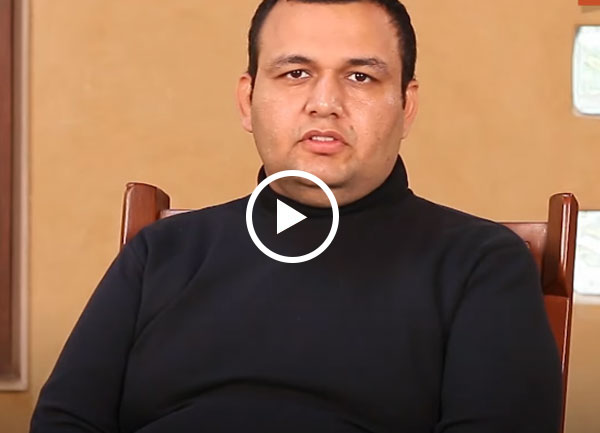
For 10 years, I had been taking strong medicines for depression that causes side-effects. I got tremors in my hands and violent outbursts of anger. When I learned about Ayurveda, I came to Jiva and met with a senior doctor at the clinic and took Panchakarma. After 10 sessions, I feel much better, and the tremors are gone.
Abhinav Kumar
Indore
Modern vs. Ayurvedic Approach to Overthinking
In treating the most acute mental distress, there are entirely disparate medical ways of going forward. These differences can be safely used to build your understanding.
- Key Emphasis: Modern medicine tends to overemphasise the treatment of superficial symptoms using anti-anxiety medication or sleeping medication. Ayurveda aims at the real agitated Vata Dosha and the internal energetic imbalances.
- Procedure: The conventional method is largely based on the direct chemical inhibition of the nervous system. The Ayurvedic approach is based on the natural grounding of the body using food, a routine and natural herbs.
- Diagnosis: The diagnosis of modern clinics depends primarily on psychological questionnaires. The Ayurvedic physicians rely on traditional Nadi Pariksha (Pulse) and Prakriti analysis to learn more about the deeper systemic disequilibrium.
- Treatment: Synthetic drugs are typically used in standard care and may be very habit-forming and problematic. Ayurveda involves grounding herbs, warm oil treatments and strict alignment of lifestyles.
- Side Effects: Symptom-based drugs may cause extreme drowsiness or emotional numbness. Ayurveda replenishes Ojas (vitality) and reinstates natural clarity of the mind without any harm.
- Aim: Modern means aim at the prompt blunting of the state of anxiety, whereas Ayurveda aims at restoring the natural, peaceful state of the mind permanently.
When to Consult a Doctor?
It is absolutely necessary to consult a doctor in case your mind is experiencing severe signs of distress. Mild daily worry may fade away, but chronic overthinking needs professional assistance.
- Chronic Insomnia: Complete inability to actually fall asleep for several nights in a row because of a loud and racing mind.
- Physical Panic: Experiencing frightening heart palpitations, shortness of breath, or even severe chest tightness directly related to anxiety.
- Digestive Collapse: When your worry causes severe, ongoing stomach pain, acid reflux, or highly irritable bowel symptoms.
- Emotional Paralysis: Feeling so incredibly overwhelmed by your thoughts that you cannot complete basic daily tasks or work.
- Skin Flare-ups: Sudden, aggressive outbreaks of painful acne or rashes triggered directly by highly stressful periods.
Conclusion
Overthinking and severe mental restlessness are very often viewed as mere personality quirks or modern life traits; however, according to Ayurveda, these are highly significant signs of deeper-rooted internal imbalances, especially an intensely aggravated Vata Dosha. It is your erratic lifestyle, poor diet, and ungrounded habits that keep this mental wind blowing completely out of control. Even though temporary solutions like screen distractions or excessive caffeine can help you forcefully push through the day, the root cause of the condition must be addressed in order to calm the nervous system permanently and prevent disease. It is finally time to respect your mind and take proper care of your body. In case of chronic anxiety, persistent sleep issues, or when you constantly feel overwhelmed by your own thoughts, visit Jiva Ayurveda doctors to have a specific assessment of the roots. Call: 0129-4264323.