
Successful Treatments
Clinics
Doctors
Ayurvedic Treatment of Migraine
 Published on 09 Oct, 2026
 Updated on 09 Oct, 2026

Migraine is becoming common, and it has the potential to greatly affect one’s lifestyle. Migraines are more than just headaches, as it involves severe throbbing pain in the head, along with sensitivity to light and sound, nausea, and discomfort. Even occasional episodes of migraine can affect one’s lifestyle.
Jiva Ayurveda offers natural ways to control migraines by balancing one’s internal system and addressing the root causes of migraines. With proper guidance and help, migraines can be controlled, and one can experience relief.
What Is A Migraine?
A migraine is a type of headache that generally happens on one side of the head and could cause sharp throbbing or pulsing pain. It's not just a bad headache but a complicated disease with symptoms that may include nausea, vomiting, and extreme sensitivity to sound and light. Migraines can last hours or even days and interfere with everyday activities.
What Are The Main Types of Migraine?
Migraines can present in different forms, each with distinct symptoms and patterns. Understanding these types helps in identifying the condition early and choosing the right treatment approach according to individual needs.
These are the major types of Migraines with varying symptoms :
- Migraine with Aura (Classic Migraine): This type includes visual or other sensory disturbances like flashing lights or blind spots that precede the actual headache.
- Migraine without Aura (Common Migraine): The most common type, which does not have the sensory warnings and usually presents with headache pain that limits daily functioning.
- Chronic Migraine: This refers to headaches for 15 or more days in a month with Migraine symptoms on at least 8 days.
- Menstrual Migraine: These are associated with the menstrual cycle and generally follow a predictable pattern.
- Hemiplegic Migraine: A rare form characterised by temporary weakness on one side of the body.
- Retinal Migraine: Another rare type that involves temporary, partial, or total vision loss in one eye with accompanying Migraine headache.
Knowing these types of Migraine can help customise treatment approaches based on Ayurvedic principles. If you notice any symptoms that resemble some kind of Migraine, it is important to consult an Ayurvedic doctor without delay.
Common Causes of Migraine
Migraines are complex and can be caused by several factors that can impact our daily lives. Understanding these triggers may help manage the condition and reduce the frequency of Migraine attacks. The most common Migraine causes are :
- Genetic Factors: Studies show that Migraines are genetically rooted. If your family members suffer from Migraines, you are at a higher risk of getting them too.
- Hormonal Changes: For women, hormone fluctuations during menstruation, pregnancy, or menopause are linked to Migraine attacks. Hormonal drugs like birth control pills and hormone replacement therapy may also trigger Migraines.
- Stress: High stress levels are a common cause of Migraine headaches. Stress may be from work, home, or other emotional disturbances.
- Dietary Triggers: Particular foods and drinks can trigger Migraines in some people. So common dietary triggers include aged cheese, alcohol- especially red wine, Caffeinated drinks like coffee and some sodas, Foods with MSG (monosodium glutamate), nitrates, or artificial sweeteners.
- Sensory Stimuli: Bright lights, loud sounds, and strong scents can trigger Migraines. This includes things like flashing screens, loud concerts, or strong perfume.
- Changes in Sleep Pattern: Too much or too little sleep may also trigger a Migraine. Irregular sleep schedules or jet lag can also be problematic.
- Physical Factors: Extreme physical exertion, which includes sexual activity, could trigger Migraines. This could be because of the strain and changes in the balance within the body.
- Weather Changes: Changes in weather or barometric pressure may cause a Migraine. This might include changes from clear to stormy weather or extreme temperatures.
- Medications: Some medications make Migraine symptoms worse. It is important to consult with your Ayurvedic physician to identify such migraine-causing medications.
Signs and Symptoms of Migraine
Migraines are characterised by symptoms that go beyond just a bad headache. Understanding these Migraine symptoms could help with early intervention and Ayurvedic treatment.
Here are the most noticeable symptoms of Migraines to look for:
- Throbbing or Pulsing Pain
- Sensitivity to Light and Sound
- Nausea & Vomiting
- Aura
- Dizziness or Vertigo
- Extreme Fatigue
- Mood Changes
- Food Cravings
- Neck Stiffness or Pain
- Increased Urination
How is Migraine Diagnosed?
Migraines can’t be diagnosed on the basis of a simple test. The doctor will ask questions regarding the nature of the headaches, their duration, intensity, and the factors that trigger them, including other symptoms like nausea, light sensitivity, or visual disturbances.
Keeping a headache diary may help in monitoring the headaches. In some instances, imaging studies like MRI or CT scans may be recommended to rule out other conditions that may cause severe headaches.
Risks and Complications of Migraine
If migraines manifest frequently or are not treated properly, they may interfere with daily life and general well-being. In some instances, they may even cause complications.
- Chronic migraine is a term that refers to migraines that occur regularly, over some days in a month.
- Severe headaches may manifest to a level that interferes with work, sleep, or daily activities.
- Overuse of medications for headaches may end up causing more headaches.
- Migraines may interfere with sleep patterns. This may leave an individual tired.
- Chronic headaches may affect an individual emotionally. This may result in anxiety or mood swings.
Seeking timely medical care can help manage migraines effectively and reduce the risk of long-term complications.
Migraine Symptoms
Blurred vision
Throbbing or Pulsing Pain
Sensitivity to Light and Sound
Nausea & Vomiting
Extreme Fatigue
Mood Changes
Dizziness or Vertigo
Neck Stiffness or Pain
Increased Urination
How Ayurveda Understands Migraine?
In Ayurveda, migraine is commonly correlated with Ardhavabhedaka, a condition described as severe, one-sided head pain that can recur frequently. It is believed to occur due to the imbalance of Vata (movement and nerve function) and Pitta (heat and metabolism) doshas.
When the digestive system becomes sluggish, toxins called Ama build up in the body and disrupt the normal flow of energy in the head. Stress, poor sleep patterns, hormonal changes, and an unhealthy diet can further exacerbate this problem, leading to migraines.
The Ayurvedic treatment for migraines is designed to regulate digestion, calm the nervous system, balance the doshas, and eliminate toxins.
Jiva Ayurveda’s Treatment Approach for Migraine
Jiva Ayurveda offers holistic Migraine treatment in Ayurveda using evidence-based approaches. The treatment plans are customised to target the very root causes of the disease, and instead of just treating symptoms, they focus on holistic healing, balance, and stability in totality.
Core Principles of the Jiva Ayunique™ Treatment Philosophy
1. HACCP-Certified Ayurvedic Medicines
Herbal combinations, made with precision from scientific know-how, are designed to regulate Vata and Pitta, the doshas commonly associated with migraines. Herbal combinations gently work to restore balance and reduce both the frequency and intensity of headaches.
- Dosha balancing: The medicines help regulate nerve impulses and reduce excess internal heat, calming the overactive channels that trigger migraine pain.
- Stress reduction support: Some calming herbs help nourish the nervous system, calm the emotions, and help the body cope with mental stress in a better way.
- Improved digestion: By increasing digestive fire (Agni), these combinations help prevent the accumulation of toxins (Ama), which can be a contributing factor to frequent headaches.
2. Yoga, Meditation & Mindfulness
These practices calm the mind and reduce stress, one of the most common migraine triggers.
- Breathing exercises (Pranayama): Pranayama techniques increase the supply of oxygen to the brain and calm the nervous system. Regular practice reduces stress, balances Vata and Pitta, and makes it less likely for migraine triggers to occur.
- Meditation: Meditation calms the mind and reduces mental stress, a common migraine trigger. It improves concentration and helps to stabilize the nervous system.
- Gentle yoga postures: Gentle stretching and relaxing yoga poses increase blood flow to the head and neck area, reducing stiffness in the neck and shoulder muscles and reducing tension migraines.
3. Ayurvedic Treatments
Therapies focus on detoxifying the body and calming the nervous system.
- Panchakarma therapies: Panchakarma is a set of Ayurvedic cleansing procedures aimed at removing the accumulated toxins (Ama) from the body. Balancing the doshas, it helps to reduce the frequency and intensity of migraines.
- Shirodhara and head massages: Shirodhara is a technique involving the pouring of warm oil, flavored with herbs, over the forehead to calm the mind and relax the nervous system. This technique reduces stress, insomnia, and migraine triggers caused by mental tension.
- Herbal oil therapies: Herbal oils are used on the scalp and head to nourish the scalp and increase blood circulation. These therapies help to calm an irritated Vata dosha, which is commonly associated with the headache caused by migraines.
4. Diet and Lifestyle Changes
Sticking to regular habits can go a long way in helping migraine management in the long run.
- Healthy eating: Avoid spicy, processed, or trigger foods that may trigger Pitta.
- Routine: Maintain regular sleep and meal times to allow your body to fall into a regular rhythm.
- Staying hydrated: Drinking sufficient water will help prevent headaches caused by dehydration.
- Trigger management: Identify what personally triggers your headaches and avoid them to help you stay on track.
Ayurvedic Medicines for Migraine
Ayurveda provides natural herbs and remedies to manage Migraine symptoms. These treatments address imbalance in the body’s energies, reduce inflammation, and improve overall well-being, which can be particularly helpful for holistic Migraine relief.
Here are some effective Ayurvedic medicines for Migraine:
- Brahmi: Brahmi is considered a valuable herb in Ayurveda for improving cognitive functions and providing stress relief. It enhances cerebral blood circulation, which might ease symptoms of Migraines, including brain fog and headache pain.
- Ginger: This powerful anti-inflammatory herb is believed to promote better circulation, which may lessen the severity of Migraine symptoms. Ginger could also help with nausea and vomiting that accompany Migraines.
- Ashwagandha: Ashwagandha has adaptogenic properties and thus helps the body cope with stress. Ashwagandha may help reduce the frequency and intensity of Migraines by reducing stress and anxiety.
- Shatavari: Often called the "Queen of Herbs," Shatavari is especially good at balancing hormones and lowering stress, which can cause Migraine attacks. It's particularly useful for women suffering from menstrual Migraines.
- Kumari (Aloe Vera): Kumari is known for its healing and soothing qualities. It detoxifies the body and reduces inflammation, which helps relieve Migraine symptoms.
These herbs should always be taken under the guidance of a qualified professional, as the right choice and dosage depend on your individual body type and medical condition.
How We Assess Migraine Patients at Jiva Ayurveda
At Jiva Ayurveda, our doctors begin with a detailed evaluation to understand the factors that may be triggering migraine episodes. This includes:
- Current symptoms such as recurring headaches, sensitivity to light or sound, nausea, or visual disturbances
- Medical history and any previous treatments or medications used for migraine relief
- Diet and lifestyle habits that may act as migraine triggers
Stress levels, sleep patterns, and digestion, which in Ayurveda can influence headache disorders - Any other health conditions or medicines currently being taken
Based on this assessment, our doctors create a personalised Ayurvedic care plan to help manage migraines and support overall well-being.
Our Step-by-Step Care Process
At Jiva Ayurveda, every treatment process is conducted in a structured and organised manner to provide you with a completely personalised and efficient experience of Ayurvedic treatment.
1. Share Contact Details: After submitting your details, you can also connect with us directly at 0129 4264323 to begin the consultation process.
2. Appointment Confirmation: At Jiva Ayurveda, an appointment is fixed with our experienced and trained Ayurvedic doctors. You can also choose the medium of consultation that suits you best.
- Clinic: Jiva Ayurveda has over 80 clinics located in multiple cities, allowing you to visit our nearest clinic and get a face-to-face consultation and treatment.
- Video Consultation (Rs. 49): If you are not able to find a Jiva Ayurveda clinic in your city, you can still take an online consultation with a doctor, available at a discounted price of Rs. 49 (regular price Rs. 299). Simply call us on 0129 4264323 and get in touch with our experienced and skilled Ayurvedic doctors from the comfort of your home.
3. Detailed Diagnosis: Our experienced and skilled doctors consult with you and try to understand your problem and symptoms to identify the main cause of the problem.
4. Root Cause-Based Treatment Plan: According to the diagnosis, a treatment plan is prepared, and a completely personalised treatment is provided to you using natural and herbal medicines.
5. Follow-ups and Progress Monitoring: Regular follow-ups help track improvement and adjust treatment if needed.
Migraine Improvement Timeline with Ayurvedic Care
First Few Weeks: Patients may start noticing a slight reduction in headache intensity and better stress management.
1-3 Months: The frequency of migraine episodes may gradually decrease with consistent Ayurvedic care and lifestyle adjustments.
3-6 Months: With continued treatment and regular follow-ups at Jiva Ayurveda, many patients experience significant improvement in migraine control and overall quality of life.
What Results Can You Expect?
Our goals in migraine care at Jiva Ayurveda focus on reducing the frequency and intensity of headaches:
- Reduced frequency of migraine attacks
- Lower intensity of headache pain
- Better stress management and sleep quality
- Improved daily comfort and productivity
Many patients may begin to notice gradual relief within a few weeks, while long-term improvement depends on lifestyle changes and consistent treatment.
Patient Testimonial – Jyoti
“I was in 8th class when I started having severe headaches along with eye pain. Many times, I couldn’t even understand whether the pain was due to my eyes or because of the headache. I consulted doctors and took medicines. The pain would stay under control only while the medicine was working, but once I stopped taking it, the problem would return and sometimes even feel worse.
Later, one of my friends recommended Jiva Ayurveda to me. I consulted the doctor there, who carefully asked about my complete history and symptoms. Based on that, they suggested a personalised Ayurvedic treatment.
After following the treatment, I started seeing very good improvement from the root level, and now my headaches are much better. I’m really thankful for the care and guidance I received.”
Estimated Cost of Treatment for Migraine at Jiva Ayurveda
Understanding the financial investment required for managing migraines is important. At Jiva Ayurveda, treatment plans are designed with transparent pricing so patients can choose the most suitable option according to their health needs.
Treatment Cost
For patients who seek standard, ongoing care for Migraine, the monthly cost of medicine and consultation typically ranges from Rs. 3,000 to Rs. 3,500.
Please note that this is an estimated baseline. The final cost may vary depending on the severity and frequency of migraine attacks and the individual treatment requirements.
Protocol
For a more comprehensive and structured treatment approach, specialised package protocols are available. These plans are designed to address migraine symptoms while also supporting overall lifestyle balance.
The package includes:
- Medicine
- Consultatio
- Mental Well-Being Sessions
- Yoga and Meditation
- Diet
- Therapy
The cost for this protocol involves a one-time payment ranging from Rs. 15,000 to Rs. 40,000, covering the complete 3 to 4-month duration of the treatment.
Jivagram
For patients requiring intensive and immersive care, Jivagram offers a holistic healing environment in a peaceful and eco-friendly setting.
The program includes:
- Authentic Panchakarma therapies
- Sattvic meals
- Modern healing services
- Comfortable accommodation
- Many more quality-of-life facilities
An immersive wellness stay at Jivagram costs around Rs. 1 Lakh for a 7-day duration, providing continuous personalised care to help restore balance and support long-term health.
Why Patients Trust Jiva Ayurveda
Our methodology at Jiva Ayurveda is centred around personalised and root cause-based Ayurvedic treatment that is specifically focused on catering to the health and wellness needs of individual patients.
- Root Cause-Based Treatment: Instead of treating the symptoms, our treatment methods are focused on treating and curing the disease or health condition itself.
- Customised Treatment Plans: Our doctors provide a customised treatment plan to each patient based on their individual prakriti (body constitution) and various factors like lifestyle, diet, and environment.
- Protocol-Based Analysis: We provide treatment that is based on a well-defined and tested protocol of Ayurvedic medicine that is a result of extensive research and clinical expertise.
- Authentic Ayurvedic Medicines: We provide authentic and genuine Ayurvedic medicines that are prepared in a facility that is certified and follows strict quality parameters to ensure the safety and effectiveness of our medicines.
- 8000+ Patient Consultations Every Single Day: We provide treatment to over 8,000 patients daily, and our doctors are experienced in treating a wide range of health and wellness concerns of our patients.
- 90%+ Patients Show Significant Improvement: Out of every 10 patients, 9 patients show significant improvements in their health and wellness after following our treatment and advice of Ayurvedic medicine and lifestyle.
- 88% Reduction in Dependence on Other Medicines: Out of every 10 patients, 9 patients show significant reductions in their dependency on allopathic medicines while continuing to seek treatment and advice from our doctors and practitioners of Ayurvedic medicine.
Modern Medical vs Ayurvedic Approach for Migraine
| Aspect | Modern Medical Approach | Ayurvedic Approach |
| Treatment Focus | Focuses on relieving headache pain and preventing migraine attacks. | Focuses on correcting the underlying imbalance that may trigger migraine. |
| Methods Used | May include pain relievers, preventive medicines, and therapies to reduce headache frequency. | Uses herbal medicines, detox therapies, and personalised treatments based on body constitution (prakriti). |
| View of the Condition | Considered a neurological condition linked to changes in brain activity and nerve signals. | Seen as an imbalance of doshas, often affecting the head region and digestive system. |
| Lifestyle Role | Doctors may recommend avoiding triggers such as stress, lack of sleep, or certain foods. | Emphasises a balanced diet, daily routine, and stress management as part of treatment. |
| Long-Term Goal | Reduce frequency and intensity of migraine attacks and improve quality of life. | Restore body balance, improve digestion and mental calmness, and support long-term relief. |
When Should You Consult a Doctor for Migraines?
You should consider consulting a doctor if Migraine headaches become frequent or start affecting your daily activities. Early medical advice can help manage symptoms and prevent the condition from worsening.
- Severe or recurrent headaches that interfere with daily life
- Headaches accompanied by nausea, vomiting, or sensitivity to light and sound
- Visual disturbances, such as flashing lights or blurred vision, before a headache
- Headaches lasting for several hours or days
- Pain that does not improve with usual medicines
Conclusion
Migraines can significantly impact daily comfort and productivity if left unmanaged. With proper diagnosis, suitable treatment, and healthy lifestyle practices, many people can reduce the frequency and intensity of migraine attacks.
If you are experiencing frequent headaches or symptoms of Migraine, you can consult certified doctors at Jiva Ayurveda for personalised treatment and proper guidance. Call today: 0129-4264323 to speak with an expert and begin your journey toward better health.
FAQs
It can certainly help in reducing the frequency and intensity of migraine attacks.
It may take a few weeks to months.
No, it is not necessary for everyone.
Yes, it is safe if taken as per the prescription of an Ayurvedic practitioner.
Yes, it can treat hormonal migraines.
Yes, it is very important.
Yes, it can help.
It is a treatment that involves the use of medicated oil in the nasal passages.
Yes, it will be different for everyone.
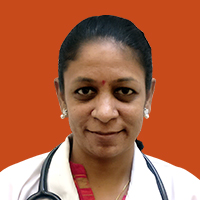
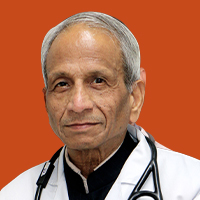
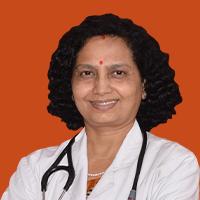
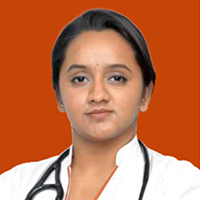
Consult Experienced Ayurveda Doctors for Migraine











Our Happy Patients
-
 Sunita Malik - Knee Pain
 -
 Abhishek Mal - Diabetes
 -
 Vidit Aggarwal - Psoriasis
 -
 Shanti - Sleeping Disorder
 -
 Ranjana - Arthritis
 -
 Jyoti - Migraine
 -
 Renu Lamba - Diabetes
 -
 Kamla Singh - Bulging Disc
 -
 Rajesh Kumar - Psoriasis
 -
 Dhruv Dutta - Diabetes
 -
 Atharva - Respiratory Disease
 -
 Amey - Skin Problem
 -
 Asha - Joint Problem
 -
 Sanjeeta - Joint Pain
 -
 A B Mukherjee - Acidity
 -
 Deepak Sharma - Lower Back Pain
 -
 Vyjayanti - Pcod
 -
 Sunil Singh - Thyroid
 -
 Sarla Gupta - Post Surgery Challenges
 -
 Syed Masood Ahmed - Osteoarthritis & Bp
Blogs
- Why Your Headache Starts Behind One Eye
- Why Bright Light Triggers Migraine Attacks
- Why Migraine Happens Before Periods
- Why Certain Smells Trigger Severe Headaches
- Why Migraine Causes Nausea and Vomiting
- Why Your Migraine Gets Worse During Stress
- Why Weather Changes Trigger Migraine
- Why Migraine Makes You Sensitive to Sound
- दवा बढ़ती जा रही है लेकिन माइग्रेन अटैक कम नहीं – अब क्या करें?
- Recurring migraines over the years: what could be the underlying imbalance?
Related Disease
- Ayurvedic Treatment for Chronic Fatigue Syndrome
- Ayurvedic Treatment for Fibromyalgia
- Ayurvedic Treatment for Multiple Sclerosis
- Ayurvedic Treatment for Parkinson's Disease
- Ayurvedic Treatment for Epilepsy
- Ayurvedic Treatment for Sciatica
- Ayurvedic Treatment for Encephalitis
- Ayurvedic Treatment for Varicose Veins
- Ayurvedic Treatment for Carpal Tunnel Syndrome
- Ayurvedic Treatment for Hyperhidrosis
- Ayurvedic Treatment of Migraine
Latest Blogs
- Is Fasted Intense Exercise a Good Idea for Every Woman
- Health Tracking Every Hour: Helpful Awareness Or Another Source Of Stress?
- फोन देखते हुए चलना सिर्फ accident risk नहीं—posture और breathing पर क्या असर पड़ता है
- Bloating Before a Period: Why Lifestyle Can Change How It Feels
- बहुत जल्दी खाना खाने से पेट भरने का signal देर से क्यों मिलता है
- ‘No Added Sugar’ Doesn’t Automatically Mean Low Sugar—Here’s Why
- Online meetings के बीच zero movement दिन के अंत में stiffness क्यों बढ़ाता है?
- Screen brightness और late-night work sleep readiness को कैसे बदलते हैं
- Warm Vs Cold Foods: How To Discuss The Ayurvedic Idea Without Turning It Into A Myth
- Noise-cancelling headphones घंटों पहनना mental fatigue को कम करता है या बढ़ा सकता है?
- Sugar-Free Biscuits: Better Choice Or A Health Halo?
- Why a Long Afternoon Nap Can Make Bedtime Surprisingly Difficult
- Scrolling While Eating: The Habit That Makes Meals Harder to Remember
- The Forward-Head Posture You Don’t Notice Until Evening
- Are Seed Mixes Useful—Or Just Easy To Overeat?
- Laptop on the Sofa: Why Neck and Hip Stiffness Show Up Later
- Why Your Eyes Feel Tired Even When Screen Brightness Seems Fine
- Is A Standing Desk A Complete Fix For Too Much Sitting?
- Why a Damp Bathroom Can Affect More Than Just the Walls
- When ‘Resting’ Means Scrolling: Is Your Brain Actually Recovering?
Ayurvedic Doctor In Top Cities
- Ayurvedic Doctors in Bangalore
- Ayurvedic Doctors in Pune
- Ayurvedic Doctors in Delhi
- Ayurvedic Doctors in Hyderabad
- Ayurvedic Doctors in Indore
- Ayurvedic Doctors in Mumbai
- Ayurvedic Doctors in Lucknow
- Ayurvedic Doctors in Kolkata
- Ayurvedic Doctors in Patna
- Ayurvedic Doctors in Vadodara
- Ayurvedic Doctors in Ahmedabad
- Ayurvedic Doctors in Chandigarh
- Ayurvedic Doctors in Gurugaon
- Ayurvedic Doctors in Jaipur
- Ayurvedic Doctors in Kanpur
- Ayurvedic Doctors in Noida
- Ayurvedic Doctors in Ranchi
- Ayurvedic Doctors in Bhopal
- Ayurvedic Doctors in Ludhiana
- Ayurvedic Doctors in Dehradun