 Published on
11 Jul, 2026
Published on
11 Jul, 2026 Updated on 14 Jul, 2026
 5083
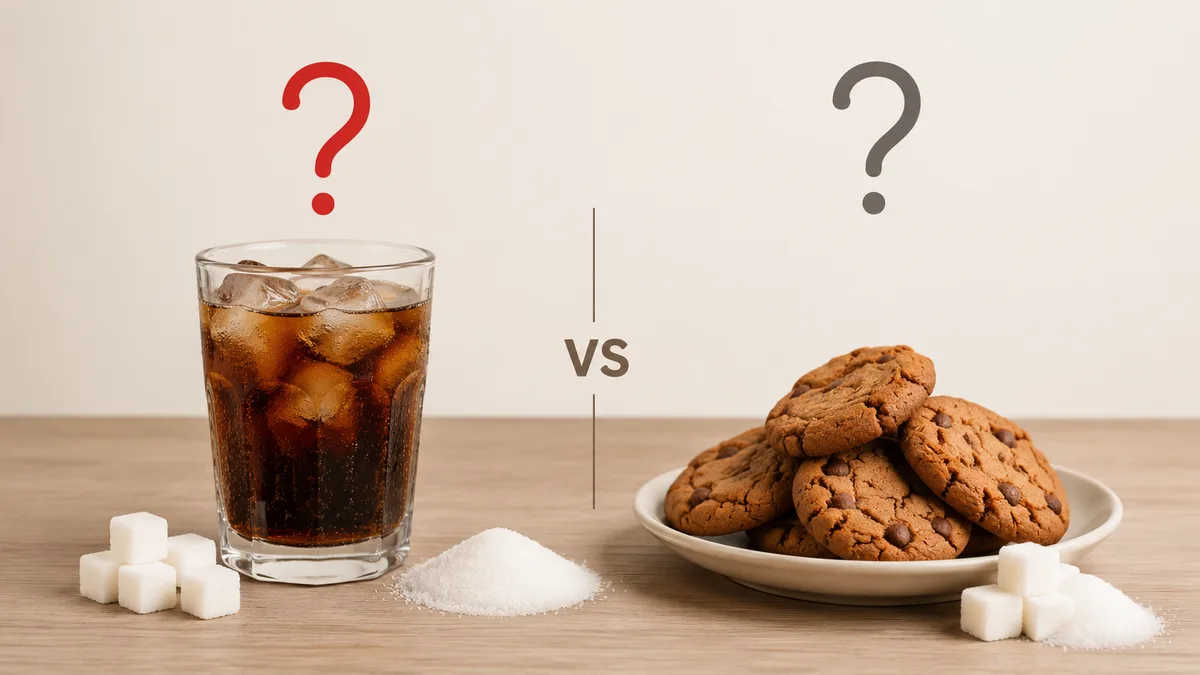
5083We all love a little sweetness in our lives. Most people think sugar is just sugar, whether you get it from a piece of cake or a cold glass of soda. However, the way sugar enters your body completely changes how it affects your health. A glass of sweetened soda and a bowl of fresh fruit might contain similar amounts of sugar on paper, but your body responds to them very differently. From an Ayurvedic point of view, this difference is massive. Ayurveda teaches that it is not just what you eat that matters, but also how and in what form you consume it.

What Is the Difference Between Drinking and Eating Sugar?
At first glance, sugar seems identical whether you stir it into a cold drink or bake it into a warm dessert. Yet, your digestive system handles these two forms in completely distinct ways.
- Hidden sugars in beverages: Many drinks contain surprisingly large amounts of added sugar. Because these liquids require absolutely no chewing or real digestive effort, the sugar rushes rapidly straight into your bloodstream.
- Natural sugars in solid foods: Whole fruits and vegetables contain sugar, but they come beautifully packaged by nature. They contain fiber, protein, vitamins, and minerals.
These natural nutrients act like speed bumps inside your stomach. They force your body to work slowly, which naturally slows down digestion and stops those sudden, dangerous spikes in your blood sugar.
Why Sugary Drinks Affect the Body Differently
Unlike regular food intake, when sugar is consumed in liquid form, your digestive system misses all the work that usually needs to be done. Instead, this kind of sugar goes straight through to your small intestine, where the absorption process of glucose is extremely quick.
What follows next is:
- Sugar spikes: The blood sugar levels skyrocket and your pancreas has to respond with an emergency amount of insulin released.
- Type 2 diabetes risk: If you continue doing so regularly, your body gets exhausted. Excessive stress is one of the risk factors for type 2 diabetes.
- No feeling of satiety: With solid foods, there is a physical action of chewing, which causes some hormones to be released, and your brain gets a signal of being full. Liquid sugars do not give any such signals.
- Overconsumption of calories: Hundreds of calories of sugar may easily be consumed in a cold beverage without experiencing any satiety. Therefore, you will just proceed to eat a large meal.
What Research Says About Sugary Drinks
Nutritional research strongly backs up these ancient concerns about sugar-sweetened beverages. A recent health review found some eye-opening facts:
- Drinking high amounts of sodas, fruit punches, and sweet teas is directly linked to a much higher risk of type 2 diabetes.
- Interestingly, this increased risk was not seen when people consumed the same amount of sugar from solid foods.
- The incredibly fast absorption of liquid sugar violently impacts your metabolism, which perfectly explains the difference.
This research reinforces a very important message: the form in which you consume your sugar matters just as much as the amount you are having.
How Ayurveda Views the Sweet Taste
You might wonder if Ayurveda hates sugar. Not at all! The sweet taste occupies a highly respected place in traditional Ayurvedic medicine.
When consumed properly, sweet foods do wonderful things for your body:
- They support physical growth and provide deep nourishment.
- They help build strong, healthy tissues.
- They give you a sense of steady, grounded energy.
But Ayurveda makes an important distinction between healthy nourishment and unhealthy indulgence. The sweetness of fresh, warm food, fruits in season, and wholesome cereals is the ideal nourishment for your body
The real problems begin when sweet foods become:
- Highly refined and artificially processed.
- Loaded with chemical preservatives.
- Served ice-cold.
- Consumed in massive, liquid amounts.
Why Liquid Sugar Destroys Your Digestion
According to Ayurveda, your digestion works like a beautiful fire burning inside your stomach. This fire is called Agni.
Frequent consumption of cold, sugary beverages acts exactly like a bucket of cold water poured directly over this fire. It gradually weakens your digestive strength. When your digestion is poor, your body loses its ability to properly transform food into healthy tissues.
When this digestion becomes inefficient, your body starts forming something called Ama, which is a sticky, partially digested waste. Here is how this sticky waste harms you:
- It clogs your internal bodily channels.
- It interferes with the smooth transport of vital nutrients.
- It makes you feel heavy, lazy, and constantly exhausted.
- It contributes to a whole host of chronic lifestyle disorders.
Drinks You Should Definitely Limit
To protect your stomach and your overall health, there are a few everyday drinks you should try to limit or completely remove from your routine:
- Soft Drinks and Sodas: These are incredibly high in added sugar and contain absolutely zero beneficial nutrients.
- Packaged Fruit Juices: They might look healthy, but the fiber is completely removed during processing, leaving behind massive amounts of pure sugar.
- Energy and Sports Drinks: Unless you are doing intense athletic activity, these provide unnecessary sugar that your body just stores as fat.
- Sweetened Tea and Coffee: Drinking repeated cups of heavily sweetened hot beverages throughout the day significantly increases your sugar intake without you even realizing it.
- Flavored Milkshakes: They have excessive quantities of sugar combined with additional calories. This makes them very risky to eat in large quantities.
Doctor’s Note
Cutting sugary drinks is excellent for metabolic health. However, if you experience uncontrollable sugar cravings, excessive thirst, frequent urination, or persistent fatigue, do not rely on diet changes alone. These can be signs of insulin resistance or diabetes and require professional medical evaluation and blood glucose testing. Consult a physician to rule out underlying health conditions.
Is the Sugar in Fruits Equally Harmful?
The answer to this is generally no because the natural sugars found in whole fruits are perfectly okay. This is how fresh fruits differ from fruit juice:
- Whole fruits are packed with water, vitamins, and minerals.
- They contain rich fiber that naturally slows down how fast the sugar enters your blood.
- The physical effort of chewing the fruit tells your brain that you are eating, making it very hard to overeat.
From an Ayurvedic viewpoint, eating fresh, seasonal fruits in moderation is far more compatible with a healthy stomach than drinking any refined sugary beverage.

Warning Signs You Are Having Too Much Sugar
Your body is very smart, and it will always signal you whenever it has trouble. If you are taking too much sugar, you could suffer from:
- Ongoing tiredness even after having adequate sleep.
- Uncontrollable urges to eat sweet stuff.
- Weight gain that does not go away, no matter what you do.
- Energy drops immediately following your meal.
- Unquenchable thirst throughout the day.
- Bloating after meals.
Who Should Be Extra Careful?
While everyone should watch their sugar intake, certain people need to be extra careful. Limiting sugary drinks is essential if you have:
- Prediabetes or type 2 diabetes.
- A fatty liver or issues with obesity.
- A strong family history of metabolic issues.
- A lifestyle where you sit at a desk all day with minimal movement.
Reducing your liquid sugar intake offers massive, life-changing health benefits for these groups.

Simple Habits and Healthier Alternatives
Instead of relying on drinks filled with sugar to give nutrition to your body, you have the option to select drinks that will not only be refreshing but will aid in the process of digestion.
- These drinks include:
- Ginger water.
- Tulsi/fennel seeds tea.
- Simple lemon water, along with a small quantity of rock salt.
- Buttermilk mixed with roasted cumin powder.
- Coconut water is to be consumed in small quantities.
Along with healthier drinks, small lifestyle changes make a big difference:
- Drink a glass of plain water before reaching for a sweet beverage.
- Reduce your sugar gradually instead of stopping abruptly.
- Choose whole fruits instead of packaged juices.
- Never skip meals, as this naturally increases your sugar cravings later in the day.
Conclusion
Sugar itself is only part of the story. How you take sugar also affects the reaction of your body. Sugar-sweetened drinks are drinks that contain a huge amount of sugar that gets into your system quickly, but without any nutritional value.
Ayurveda reminds us that strong digestion and natural food choices are the real keys to health. Instead of eliminating sweetness from your life, just choose wholesome, solid sources of sweet taste while walking away from highly processed liquid sugars. By simply replacing those sugary drinks with nourishing, whole alternatives, you give your stomach a much-needed break. Over time, this one small lifestyle change will help you enjoy steady energy, a lighter body, and much better long-term wellness without ever feeling deprived.
References
Guideline: sugars intake for adults and children
WHO calls on countries to reduce sugars intake among adults and children