 Published on
07 Aug, 2026
Published on
07 Aug, 2026 Updated on 07 Aug, 2026
 5071
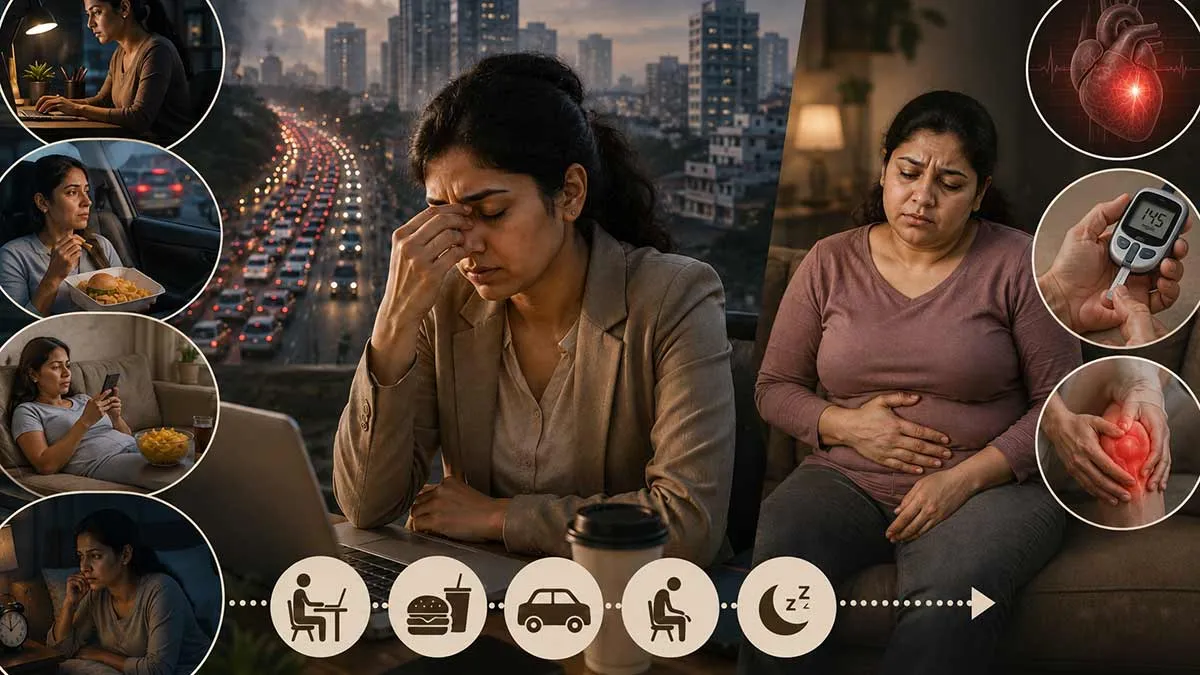
5071We move to cities for the promise of a better life, flock to urban centers for world-class specialists, organic grocery stores on every corner, and the absolute peak of modern convenience. You can have a green juice delivered to your door at 6:00 AM and a telehealth appointment with a top-tier endocrinologist by noon. By all logical metrics, city dwellers should be the healthiest population in the history of humanity.
Yet, the clinics are overflowing. Autoimmune diseases, severe anxiety, chronic fatigue, and unexplained inflammation are skyrocketing in urban populations. We are surrounded by health infrastructure, but we are sicker, more exhausted, and more inflamed than ever before.
This paradox exists because we have misunderstood what human health actually requires. We treat our bodies as isolated machines that just need the right fuel and the right mechanics. But your body is not a machine; it is a primal ecosystem that evolved with the rhythms of nature. When you uproot that ecosystem and drop it into a concrete grid of artificial light, synthetic noise, and chemical sterility, the body does not simply adapt. It panics.
The Sensory Overload Of City Life
Your nervous system was designed to detect subtle changes in your environment to keep you safe from predators. The snap of a twig, a sudden shadow, or an unfamiliar scent were all biological triggers designed to temporarily spike your cortisol and adrenaline so you could survive a threat.
In a modern city, your nervous system is subjected to fluctuations every single hour. The distant police siren, the low-frequency subway train beneath your feet, the flashing digital billboards, and the hum of traffic all register as subtle threats to your primal brain. You might mentally tune out the noise of the garbage truck outside your window, but your amygdala, the brain’s fear center, does not. This invisible sensory overload keeps urban dwellers locked in a low-grade sympathetic (fight-or-flight) state. When your nervous system is constantly bracing for danger, it actively suppresses your immune system, halts deep digestion, and completely stops cellular repair.
The Disappearance of Rhythm
All human biology is governed by circadian rhythm, an internal clock heavily dependent on the contrast between bright sunlight and absolute darkness.
Cities, by design, have made the darkness disappear. Streetlights spread light through bedroom curtains, skyscrapers glow 24/7, and our eyes are glued to blue-light-emitting screens well past midnight. This eradication of darkness is not just a sleep issue; it is a profound metabolic disruption. Melatonin, the hormone responsible for putting you to sleep, is also one of the most powerful antioxidants in the human body.
It is heavily responsible for repairing damaged DNA, cooling systemic inflammation, and regulating your immune system while you sleep.
When you live in a city that never sleeps, your body struggles to produce adequate melatonin. Your internal clock becomes confused, resulting in fragmented sleep architecture. Over time, this circadian mismatch leads to insulin resistance, stubborn weight gain, and a deeply compromised ability to heal from chronic disease. The body simply cannot repair itself in a state of perpetual twilight.
Doctor’s Note
While the environment plays a massive role in chronic illness, adjusting your lifestyle is not a substitute for critical medical care. Do not abandon your prescribed treatments, inhalers, or immunosuppressants simply because you have started blocking blue light or walking barefoot in the park.
The goal of these lifestyle interventions is to lower your overall allostatic load so that your body is less reactive, potentially allowing your medical team to lower your dosages over time. Always work with your physician when making changes to your health protocols.
City And Sickness
From a biological perspective, urban environments are very sterile in the ways that actually matter.
Human beings evolved in deep physical contact with the Earth. The soil is teeming with diverse, beneficial microbes that our immune systems rely on for calibration. When we spend our lives walking on concrete, living in high-rise apartments, and sanitising our hands every time we touch a door handle, we starve our microbiomes of these crucial inputs.
- Immune Confusion: Without regular exposure to the natural microbial diversity of soil, plants, and natural water sources, the human immune system loses its training. This lack of exposure is a leading theory for why rates of allergies, asthma, and severe autoimmune conditions are drastically higher in urban populations. The immune system, bored and untrained, begins attacking the body's own tissues.
- The Loss of Electrons: Beyond microbes, the physical surface of the Earth holds a subtle negative electrical charge. Modern humans, insulated by rubber-soled shoes and elevated in concrete buildings, are entirely disconnected from this charge. Emerging research suggests this disconnection prevents the body from neutralising free radicals, allowing unchecked inflammation to run rampant through our tissues.
The Problem of Urban Isolation
Perhaps the most insidious driver of chronic disease in the city is the intense sense of isolation. You can share a subway car with two hundred people, live in a building with a thousand neighbors, and still go weeks without a single meaningful, physically regulating social interaction.
From an evolutionary standpoint, isolation equals death. If a primal human were separated from their tribe, their nervous system would immediately trigger a huge inflammatory response to prepare for the inevitable physical trauma of being alone in the wild. Today, chronic loneliness and a lack of deep community trigger that exact same inflammatory cascade. We are substituting true village connection with the hollow dopamine hits of social media and food delivery apps, leaving our nervous systems starved for the co-regulation that only comes from genuine, face-to-face community.
Reclaiming The Natural Biology
You do not need to abandon the city and move to a remote cabin to heal your chronic illness. But you absolutely must become protective of your biological boundaries. Thriving in an urban environment requires intentional, daily interventions to simulate the natural world your body craves.
- Curate Absolute Darkness: Treat your bedroom like a biological sanctuary. Invest in high-quality blackout curtains to block every ounce of street light. Cover the glowing LED lights on your smoke detectors and humidifiers. Use blue-light-blocking glasses after sunset to protect your melatonin production from the city’s endless glare.
- Manufacture Silence: You cannot control the sirens outside, but you can control the acoustic environment entering your ears. Use a white noise machine or a heavy fan at night to drown out the erratic, low-frequency rumbles of urban traffic. During the day, build intentional pockets of silence; do not just replace city noise with a podcast playing constantly in your earbuds.
- Prioritise Micro-Exposures to Nature: You may not have a forest, but you have parks. Make it a non-negotiable habit to take off your shoes and stand on the grass or soil in a local park for ten minutes a day. This simple act of grounding discharges accumulated electrical tension and reconnects you with the earth's frequency.
- Build a Micro-Village: Actively fight the anonymity of the city. Your nervous system requires the safety of recognisable faces and deep, low-stakes social connection to fully enter a healing state.
Conclusion
The city is a marvel of human engineering, but it was built for commerce and convenience, not for human biology. When we blindly accept the default urban lifestyle, the endless noise, the artificial light, and the concrete isolation, we force our bodies to carry an unbearable burden.
Your chronic symptoms are not a sign that your body is broken; they are a sign that your body is desperately trying to survive an environment it does not understand. By recognising the invisible stressors of the city, you can begin to curate a life that honors your primal needs.
References:
How Living in a City Can Mess with Your Mental Health
Construction noise effects on human health: Evidence from physiological measures - ScienceDirect
Sedentary Lifestyle: Overview of Updated Evidence of Potential Health Risks - PMC